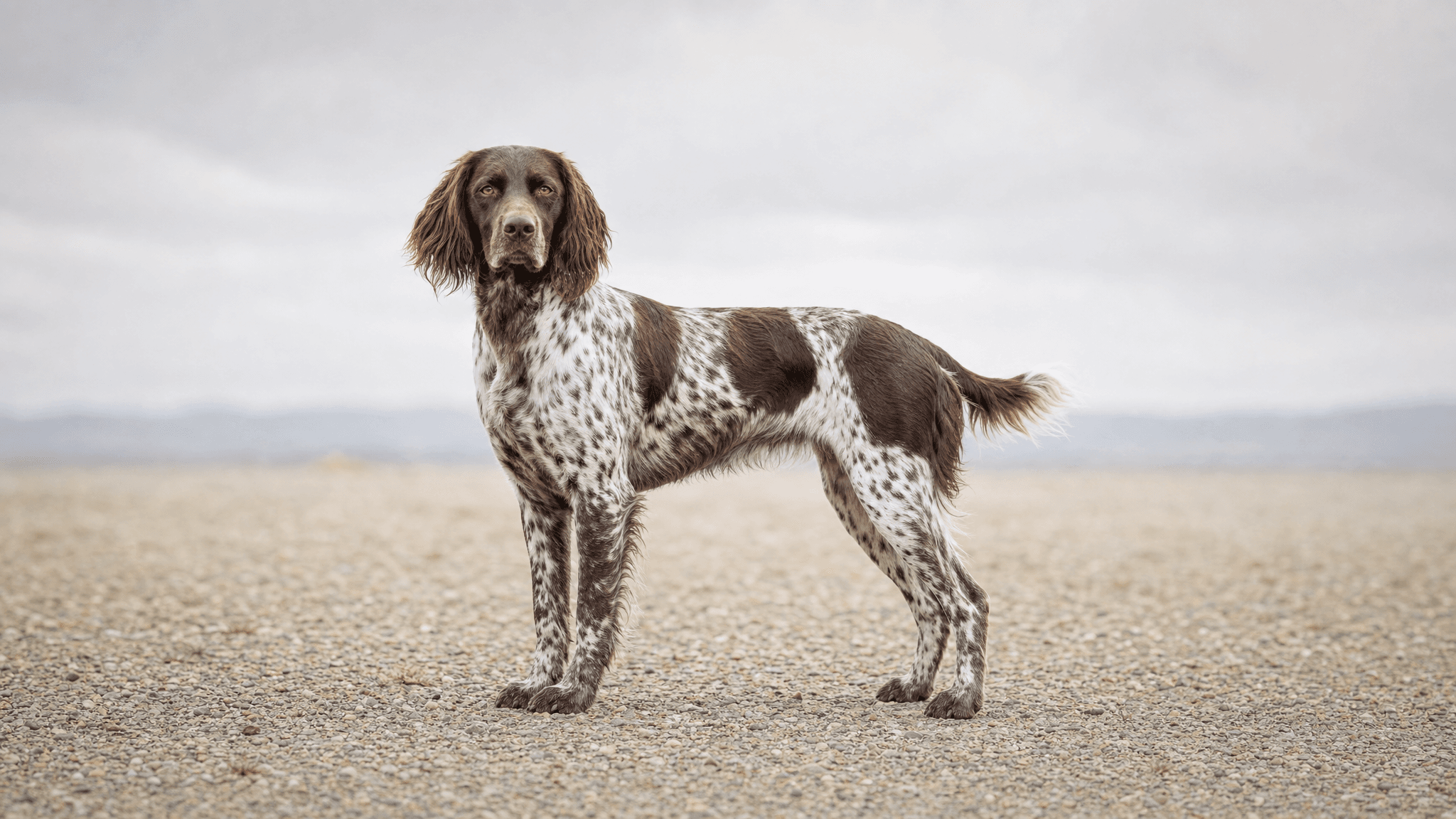
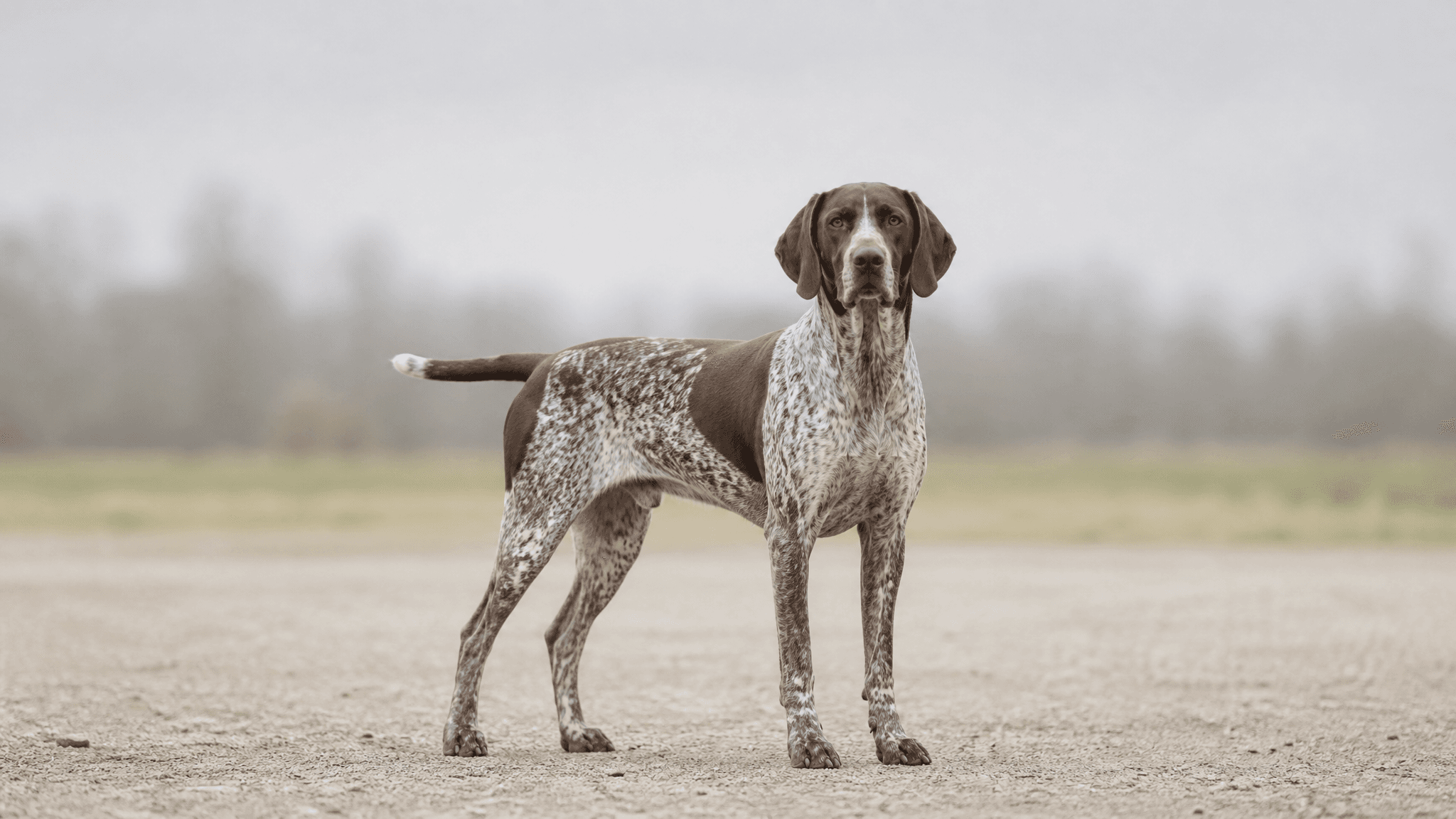
Burgos Pointing Dog
Summary
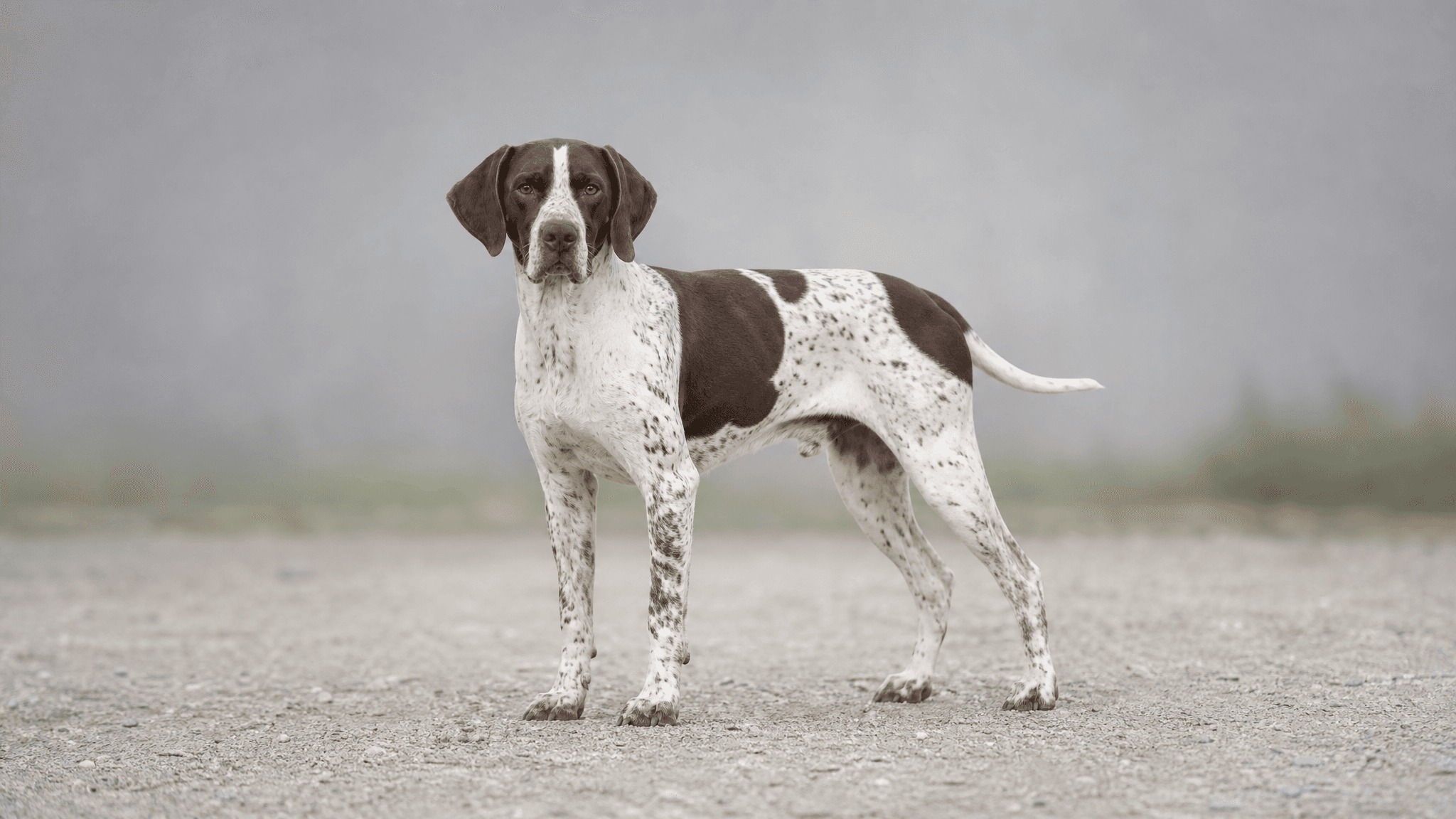
The Perdigueiro de Burgos is one of the oldest hunting breeds of Spain, with documented origins in the 16th century in the Castile region. A probable descendant of the Sabueso Español and the Pachón Navarro, it was widely used in the creation of other Iberian and European breeds. With a robust and imposing appearance — marked by long pendulous ears and the characteristic "double dewlap" — it is a versatile pointing dog, equally effective in fur and feather game hunting.
Physical Characteristics
- Size
- Large
- Height (male)
- 62–67 cm
- Height (female)
- 59–64 cm
- Weight (male)
- 25–30 kg
- Weight (female)
- 22–27 kg
- Life Expectancy
- 12–14 years
- Coat
- Short, dense, smooth, and uniform throughout the body
- Common Colors
- White and liver (brown) with irregular patches or roan; frequently with a white blaze on the head
Temperament & Personality
The Perdigueiro de Burgos is described by breeders as a noble, calm, and rarely startled dog. Its balanced and predictable temperament makes it excellent with children and easy to handle in a family setting. It naturally learns hunting techniques and possesses a remarkable nose. It does not adapt well to confined urban environments, preferring wide-open spaces where it can exercise its hunting instinct. It is a working dog with exceptional endurance.
Activity & Exercise
- Energy Level
- High
- Recommended Daily Exercise
- 60–90 minutes
- Suitable for Apartment
- Not recommended
Grooming & Care
- Grooming Needs
- Low
- Shedding
- Moderate
Health
- Common Health Issues
- Ear infections
- Hip dysplasia
- Joint problems
- Otitis
- Recommended Health Tests
- Orthopedic hip evaluation
- Regular ear examination
Compatibility
- With Children
- Excellent
- With Other Dogs
- Good
- With Cats
- Moderate
- For First-Time Owners
- Recommended
Is a Burgos Pointing Dog right for you?
A Burgos Pointing Dog may suit you if:
- You can provide 60 to 90 minutes of vigorous exercise daily, including opportunities for scent work.
- You enjoy outdoor adventures and perhaps even participate in hunting or canine sports that engage their natural pointing instincts.
- You appreciate a noble, calm, and predictable companion who is excellent with children and easy to handle.
- You are prepared to commit to consistent, positive training to harness their natural intelligence and biddable nature.
- You are looking for a dog with a short, smooth coat that requires minimal grooming to keep it healthy.
- You are willing to manage a dog with a strong scent drive and natural pointing behaviors.
Think twice if:
- You expect a dog to always ignore intriguing scents and never follow their strong natural hunting instincts.
- You frequently leave your dog alone for long periods, as this breed thrives on companionship and activity.
- You have cats in your home and are not prepared for careful introductions and ongoing supervision.
- You are unable or unwilling to provide at least 60 to 90 minutes of vigorous daily exercise.
- You live in a confined urban apartment or do not have a secure, spacious outdoor area for them to explore.
- You are not prepared to consistently guide and manage a large, energetic dog through its boisterous adolescent phase.
The Burgos Pointing Dog is a truly noble and calm companion, a joy for families, especially those with children. However, their deep-seated hunting instincts and high energy mean they truly shine when given ample space and opportunity to explore with their remarkable nose. While easy to handle, they are not suited for a sedentary or confined life, requiring an active family ready to embrace their outdoor spirit.
Training a Burgos Pointing Dog
The Burgos Pointing Dog, with its noble and balanced temperament, thrives on positive reinforcement and clear, consistent guidance. These intelligent dogs are naturally eager to please their handler, especially when training incorporates their remarkable scenting abilities and desire to work. Keep sessions short, fun, and engaging, always ending on a high note. If training lacks consistency or becomes overly harsh, this sensitive breed can become confused or disengaged, potentially leading to a breakdown in communication and a less harmonious partnership. Their predictable nature makes them wonderful learners when approached with patience and understanding.
Begin with:
- attention and response to name around distractions
- recall on a long line
- loose-leash walking
- leave it and drop it
- calm greetings without jumping
- settling on a mat or bed
- cooperative handling for grooming, ears, feet and teeth
- waiting at doors and gates
Hunting instinct distractions
Your Burgos Pointing Dog possesses an incredible nose and a deep-seated hunting instinct, which is wonderful for their intended purpose but can be a challenge during walks. When a fascinating scent or movement catches their attention, they can become singularly focused, making recall or other commands difficult. To manage this, practice recall in increasingly distracting environments, always using high-value rewards. Consider incorporating scent work games into their daily routine to satisfy this natural drive in a controlled way, making training more rewarding for both of you.
When out and about, especially in open areas, keep them on a long line until their recall is rock-solid. This allows them some freedom to explore scents safely while you maintain control. Remember, their drive isn't a flaw, but a core part of who they are, so channeling it positively is key to a happy and well-behaved companion. For more tips on this, see our guide on how to teach a dog to come when called.
Managing their strength
Burgos Pointing Dogs are large and robust, weighing up to 30 kg, which means they can exert considerable force if they decide to pull on the leash. This can make walks challenging, especially if you're not prepared. Start loose-leash training early and consistently, rewarding every step they take with a slack leash. Using a front-clip harness can be incredibly helpful as it redirects their pulling power towards you, making it harder for them to drag you along.
Consistency is crucial; never allow pulling to be rewarded by getting to their destination faster. If they pull, stop walking immediately and only resume when the leash is loose. For more detailed guidance, check out our guide on stopping leash pulling. With patience and the right tools, you can enjoy pleasant walks with your strong companion.
Energy outlet needs
With their high energy level and need for wide-open spaces, a Burgos Pointing Dog who doesn't receive their recommended 60-90 minutes of daily exercise and mental stimulation can quickly become bored or anxious. This can manifest as destructive chewing, excessive barking, or even attempts to escape. Remember, they are not recommended for apartment living precisely because they thrive on activity and exploration.
Ensure their days are filled with more than just physical exercise; incorporate training sessions, puzzle toys, and scent games to engage their intelligent minds and remarkable noses. A well-exercised and mentally stimulated Burgos Pointing Dog is a calm and happy companion, far less likely to develop undesirable behaviors. Consider using our GPS Walks feature to track their activity and ensure they're getting enough outdoor time.
Burgos Pointing Dog — Frequently Asked Questions
What is the Perdiguero de Burgos (Burgos Pointing Dog)?
The Perdiguero de Burgos, or Burgos Pointing Dog, is a magnificent and ancient breed hailing from Spain, with its origins documented in the Castile region as far back as the 16th century. This large, robust dog belongs to the FCI Group 7 (Braque type) and is known for its imposing appearance. Distinctive features include its long, pendulous ears and the characteristic "double dewlap," giving it a noble and unique look. It's a versatile pointing dog, historically significant in the development of other Iberian and European breeds, embodying centuries of Spanish hunting heritage.
What was the Perdiguero de Burgos (Burgos Pointing Dog) originally bred for?
The Perdiguero de Burgos was originally bred as a highly skilled and versatile hunting companion, a role it has excelled in since its documented origins in 16th-century Spain. Descended from breeds like the Sabueso Español and Pachón Navarro, it was specifically developed as a pointing dog, renowned for its remarkable nose and natural aptitude for hunting techniques. This breed was equally effective in tracking and pointing both fur and feather game, making it an invaluable asset to hunters. Its historical significance also extends to its influence on the creation of many other pointing breeds across Europe.
How much exercise does a Perdiguero de Burgos (Burgos Pointing Dog) need?
Being a high-energy, large working breed, the Perdiguero de Burgos requires a significant amount of daily exercise to stay happy and healthy. We recommend providing them with 60 to 90 minutes of vigorous activity each day. This isn't a breed that thrives in a confined urban environment; they truly need wide-open spaces where they can run, explore, and ideally, engage their natural hunting instincts. Regular, stimulating exercise is crucial for their physical well-being and to prevent boredom, ensuring they remain the noble and balanced companions they are meant to be.
Is the Perdiguero de Burgos (Burgos Pointing Dog) a good family dog?
Absolutely! The Perdiguero de Burgos makes a wonderful addition to the right family. Breeders describe them as noble, calm, and rarely startled, possessing a balanced and predictable temperament. This makes them excellent companions for children, as they are generally gentle and patient. While not explicitly detailed for other pets, their stable nature suggests they can integrate well into a multi-pet household with proper introductions. They are easy to handle in a family setting, bringing a calm and loving presence, especially when their exercise needs are met and they have space to roam.
Is the Perdiguero de Burgos (Burgos Pointing Dog) easy to train?
Yes, the Perdiguero de Burgos is generally considered easy to train, thanks to its intelligent and cooperative nature. Their balanced and predictable temperament, combined with a natural eagerness to learn, makes them responsive students. They possess an innate ability to pick up hunting techniques, showcasing their sharp minds. Early socialization and consistent, positive reinforcement training are key to harnessing their potential. Their calm and noble disposition means they are typically easy to handle, making the training process a rewarding experience for both dog and owner, fostering a strong bond.
What health issues are common in the Perdiguero de Burgos (Burgos Pointing Dog)?
Like all breeds, the Perdiguero de Burgos can be prone to certain health conditions, and being aware of these can help you provide the best care. Documented health concerns for this breed include hip dysplasia, which is common in many large breeds, and various joint problems. Additionally, due to their distinctive long, pendulous ears, they are more susceptible to ear infections and otitis. Regular veterinary check-ups, a balanced diet, and appropriate exercise are vital for monitoring and managing these potential issues, helping your beloved companion live a long and healthy life.
What is the Perdiguero de Burgos (Burgos Pointing Dog)'s coat like and how much grooming does it need?
While our curated facts don't detail the specific texture of the Perdiguero de Burgos's coat, we know they have a robust appearance typical of a working pointing dog. Generally, these breeds have a relatively short, dense coat that is quite low maintenance. Regular brushing, perhaps once or twice a week, will help manage shedding and keep their coat clean and healthy. However, special attention should be paid to their long, pendulous ears, which require frequent cleaning to prevent infections like otitis. Their characteristic "double dewlap" should also be checked regularly for cleanliness and irritation.
What is the typical lifespan of a Perdiguero de Burgos (Burgos Pointing Dog)?
The Perdiguero de Burgos is a robust and healthy breed that, with proper care and a loving environment, typically enjoys a good, long life. You can expect your noble companion to be by your side for approximately 12 to 14 years. Providing them with a high-quality diet, regular veterinary check-ups, plenty of exercise, and mental stimulation will contribute significantly to their overall well-being and help them reach the upper end of their expected lifespan, ensuring many years of cherished companionship.
Community
Talk to real Burgos Pointing Dog owners
This guide covers the breed on paper. In the app, the Burgos Pointing Dog community covers it in real life: photos from other owners, questions answered by people who live with the breed, and a directory of dogs you can browse.
- Photos & pollsSee what Burgos Pointing Dog owners are sharing today.
- Questions & answersAsk anything and hear from people who own one.
- Dog directoryBrowse Burgos Pointing Dogs from around the world.
You join automatically when you add a Burgos Pointing Dog to your profile.