Deutsch Langhaar
Summary
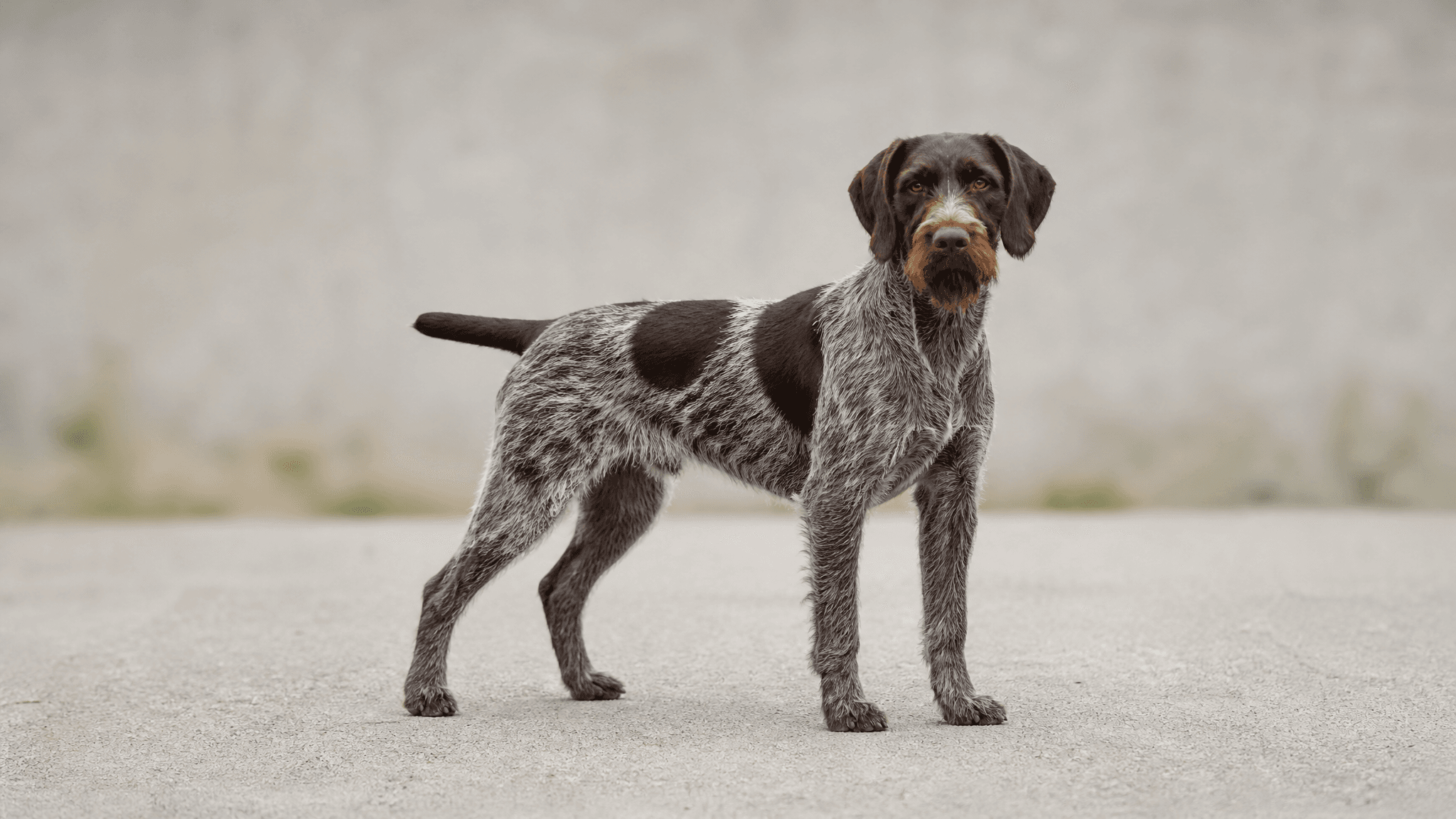
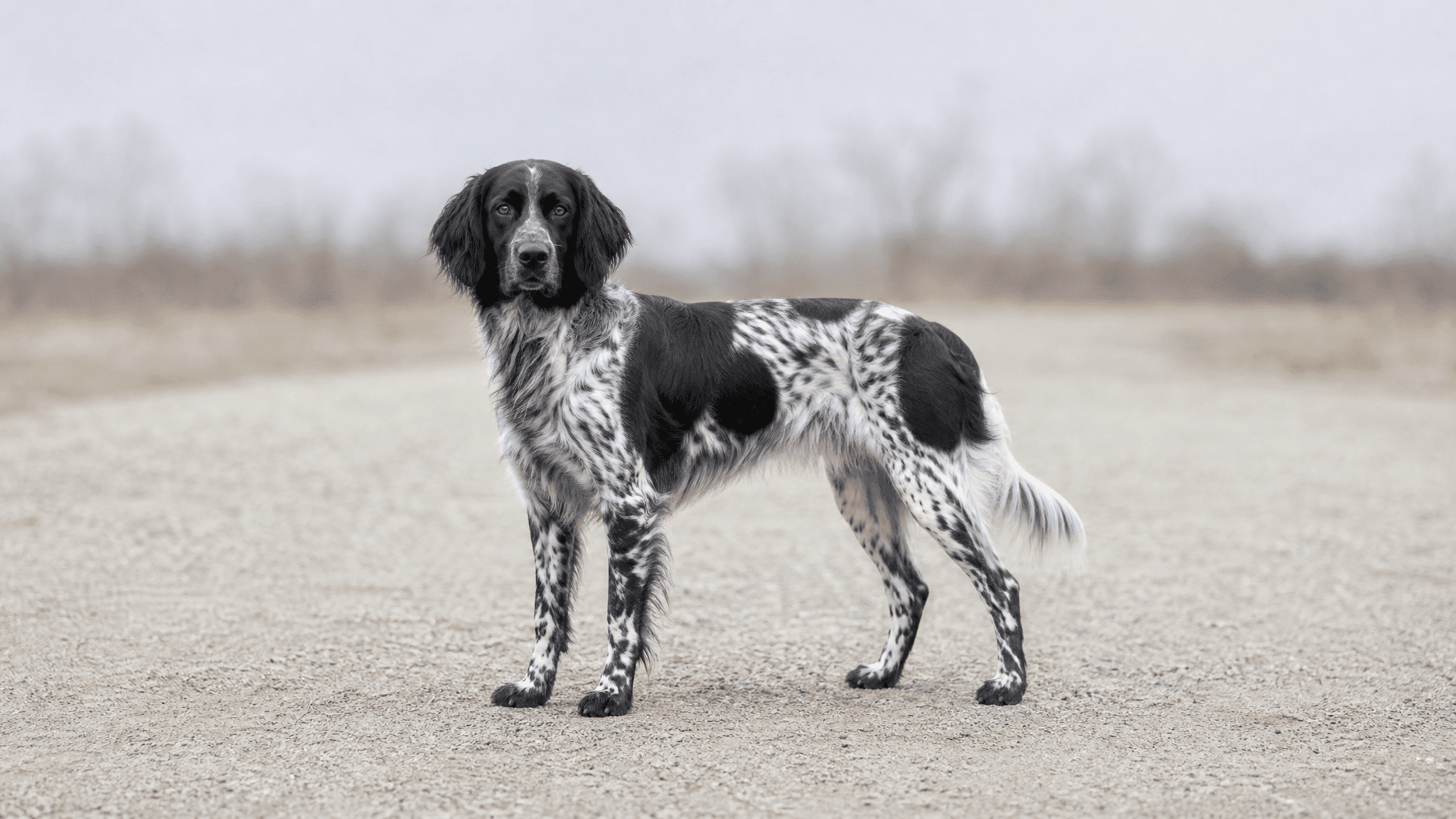
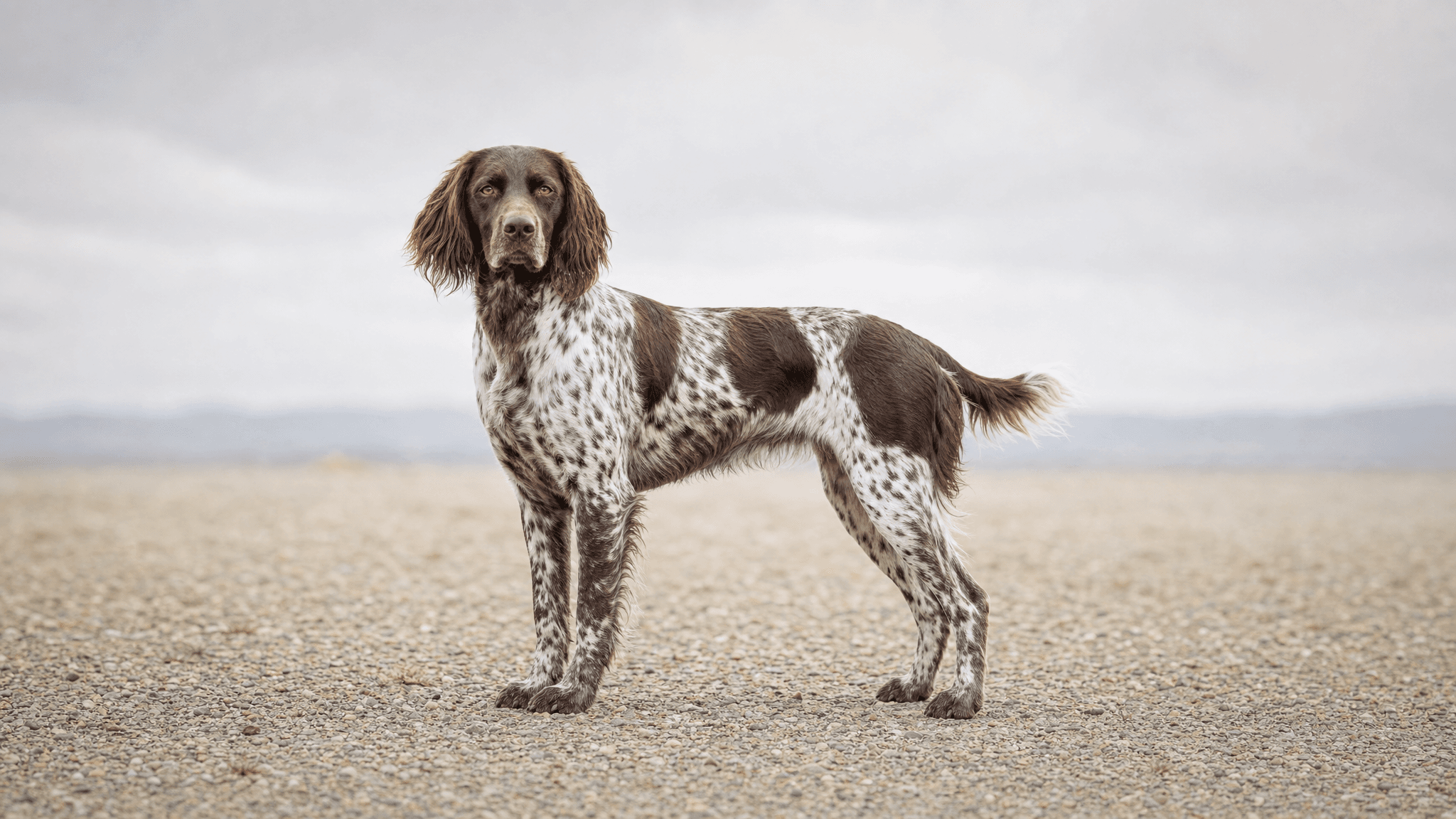
The Deutsch Langhaar is the oldest of the modern German pointing dog breeds, with a written standard established in 1879. It combines the blood of hunting dogs, falconry dogs, and water dogs, giving it exceptional versatility. It excels in tracking and game recovery after the shot — an ability that makes it especially valued by mountain hunters and German forest rangers. Its long, dense coat clearly distinguishes it from its short- and smooth-haired cousins.
Physical Characteristics
- Size
- Large
- Height (male)
- 60–70 cm
- Height (female)
- 58–66 cm
- Weight (male)
- 24–30 kg
- Weight (female)
- 22–30 kg
- Life Expectancy
- 12–14 years
- Coat
- Medium length (3–5 cm on the body), smooth, firm, straight or slightly wavy, dense with undercoat; feathering on the ears, rear legs, and tail
- Common Colors
- Solid brown; brown flecked or with white patches; dark or light roan with brown patches; white with small brown patches
Temperament & Personality
The Deutsch Langhaar is described by experts as a "perceptive" dog — extremely intelligent and always attentive to the handler's feedback. It is a demanding training partner that does not respond to aggressive methods but reacts very well to clear and positive communication. At home, it is a balanced and affectionate companion. It has a strong work drive but also knows how to rest when not being exercised.
Activity & Exercise
- Energy Level
- High
- Recommended Daily Exercise
- 90 minutes
- Suitable for Apartment
- Not recommended
Grooming & Care
- Grooming Needs
- Moderate
- Shedding
- Moderate
- Bathing Frequency
- Every 4–6 weeks
Health
- Common Health Issues
- Acral mutilation (peripheral sensory neuropathy)
- Hip and elbow dysplasia
- Skin allergies
- Thrombopathy (platelet disorder)
- Von Willebrand disease
- Recommended Health Tests
- Blood tests (lipid profile)
- Mandatory hip radiography (no dysplasia) for breeding stock
- Temperament assessment
Compatibility
- With Children
- Good
- With Other Dogs
- Good
- With Cats
- Moderate
- For First-Time Owners
- Not recommended
Is a Deutsch Langhaar right for you?
A Deutsch Langhaar may suit you if:
- You are prepared to dedicate at least 90 minutes daily to vigorous exercise and stimulating mental activities.
- You enjoy an active, outdoor lifestyle and appreciate a versatile companion for tracking and game recovery.
- You value an extremely intelligent, perceptive, and affectionate dog that is attentive to your feedback.
- You are committed to consistent, clear, and positive training methods to develop a demanding partner.
- You are willing to provide moderate grooming, including regular brushing of their dense coat and feathering.
- You are prepared to manage a strong work drive, providing outlets for their natural hunting instincts.
Think twice if:
- You expect a fully biddable dog from the start, as this breed requires a demanding training commitment.
- You have a routine that leaves a large, high-energy dog alone for long periods, which may lead to distress.
- You are unwilling to carefully manage interactions with cats, despite their generally good nature with other pets.
- You are unable to commit to at least 90 minutes of daily exercise or regular grooming for their unique coat.
- You live in an apartment or do not have ample secure outdoor space for a large and active dog.
- You are a first-time dog owner seeking an easy-to-manage companion, as this breed is not recommended for beginners.
Living with a Deutsch Langhaar is a deeply rewarding journey for those who understand their unique blend of keen intelligence and unwavering affection. They thrive on purpose and partnership, offering loyalty and joy to an owner prepared to meet their significant needs for training, activity, and companionship. This breed demands much, but gives back immeasurably to the right home.
Training a Deutsch Langhaar
Your Deutsch Langhaar is a truly perceptive and intelligent learner, always keenly attuned to your feedback. This breed thrives on clear, positive communication and engaging, rewarding sessions. They are motivated by their strong work drive and desire to please you, making them demanding yet incredibly responsive partners. Keep training sessions short, fun, and consistent to maintain their focus. Aggressive or harsh methods will only shut down their willingness to cooperate, leading to frustration for both of you. Instead, focus on building a strong, trusting bond through positive reinforcement.
Begin with:
- Responding to name around distractions
- Recall on a long line
- Loose-leash walking
- Leave it and drop it
- Calm greetings without jumping
- Settling on a mat or bed
- Cooperative handling for grooming, ears, feet and teeth
- Waiting at doors and gates
Prey Drive and Recall
Deutsch Langhaars possess a powerful prey drive, deeply rooted in their hunting heritage. This means a fleeting squirrel or bird can instantly override all previous training, causing them to bolt. It's crucial to build an incredibly strong recall, starting in low-distraction environments and gradually increasing the challenge. Always use a long line in unfenced areas until their recall is rock-solid, especially given their high energy and ability to track game.
Practice recall games daily, making yourself the most exciting thing around. Reward generously with high-value treats and enthusiastic praise whenever they choose you over a distraction. This consistency helps them understand that coming back to you is always the best option, even when their instincts are screaming otherwise.
Leash Pulling
Given their large size and high energy, a Deutsch Langhaar can be a strong puller on the leash. This isn't just uncomfortable for you; it can be detrimental to their development and your bond. Start loose-leash training early and be consistent. Using a front-clip harness can help manage their strength without causing discomfort.
Focus on rewarding them for walking beside you with a loose leash, even for just a few steps. If they pull, stop walking immediately. Only resume when the leash slackens. For more detailed guidance, check out our guide on stopping leash pulling. Remember, 90 minutes of daily exercise is recommended, so ensuring they get enough outlets for their energy will also make walks more pleasant.
Restlessness and Boredom
A Deutsch Langhaar with its high energy and strong work drive needs significant mental and physical stimulation. If under-exercised or left alone for too long without enrichment, they can become restless, destructive, or develop undesirable behaviors. They are not recommended for apartment living precisely because they need space and activity.
Beyond their recommended 90 minutes of daily exercise, incorporate scent work, puzzle toys, and training sessions to engage their intelligent minds. Rotating toys and providing new challenges will prevent boredom. Consider activities like tracking or retrieving to tap into their natural instincts. This will help them be the balanced, affectionate companion they truly are at home.
Deutsch Langhaar — Frequently Asked Questions
What is the Deutsch Langhaar?
The Deutsch Langhaar, also known as the German Longhaired Pointer, is a truly magnificent breed originating from Germany. It holds the distinction of being the oldest of the modern German pointing dog breeds, with a written standard established way back in 1879. These large, versatile dogs are classified under FCI Group 7 (Spaniel Type) and are easily recognized by their beautiful, long, and dense coats, which truly set them apart from their short-haired relatives. They combine the best traits of hunting, falconry, and water dogs, making them exceptionally capable companions.
What was the Deutsch Langhaar originally bred for?
Originally, the Deutsch Langhaar was developed as a highly versatile hunting dog, a purpose for which it still excels today! Its unique lineage, combining the blood of various working dogs, endowed it with exceptional abilities. They are particularly renowned for their outstanding skills in tracking and game recovery after the shot, making them invaluable partners in the field. This remarkable aptitude has made them especially cherished by mountain hunters and German forest rangers who rely on their keen senses and unwavering dedication to their tasks.
How much exercise does a Deutsch Langhaar need?
Deutsch Langhaars are dogs with a high energy level, so they definitely need plenty of activity to stay happy and healthy! To keep them in top shape, both physically and mentally, they require a good amount of exercise. We recommend at least 90 minutes of engaging activity every single day. This isn't just about walks; they thrive on varied activities like running, swimming, or active play that taps into their natural instincts and strong work drive. Consistent, stimulating exercise is key to a well-adjusted Deutsch Langhaar.
Is the Deutsch Langhaar a good family dog?
Absolutely! The Deutsch Langhaar can make a wonderful addition to the right family. Experts describe them as balanced and affectionate companions at home, which means they can integrate beautifully into family life. They are perceptive and intelligent, often forming strong bonds with their human family members. With proper socialization from a young age, they can get along well with children and other pets, especially if raised together. Their calm demeanor indoors, coupled with their outdoor enthusiasm, makes them truly versatile family members.
Is the Deutsch Langhaar easy to train?
Training a Deutsch Langhaar is a rewarding experience, though they are considered demanding training partners due to their high intelligence and strong work drive. They are incredibly perceptive and attentive to their handler's feedback, making them eager to learn. However, it's crucial to remember that they do not respond well to aggressive training methods. Instead, they thrive on clear, consistent, and positive communication. With patience, understanding, and engaging techniques, you'll find them to be highly trainable and capable of mastering a wide range of commands and tasks.
What health issues are common in the Deutsch Langhaar?
Like all breeds, Deutsch Langhaars can be prone to certain health conditions, and being aware of them helps ensure your furry friend stays healthy. Some documented health concerns for the breed include Acral mutilation, which is a peripheral sensory neuropathy, and common orthopedic issues like Hip and elbow dysplasia. They can also experience Skin allergies, Thrombopathy (a platelet disorder), and Von Willebrand disease. Regular veterinary check-ups and a healthy lifestyle are essential for monitoring and managing these potential issues, helping your Deutsch Langhaar live a long, happy life.
What is the Deutsch Langhaar's coat like and how much grooming does it need?
The Deutsch Langhaar boasts a truly distinctive and beautiful coat! It's long and dense, which is a defining characteristic that clearly sets it apart from its short-haired cousins. This lovely coat provides excellent protection in various weather conditions. To keep it looking its best and to prevent mats and tangles, regular grooming is essential. Weekly brushing, perhaps more frequently during shedding seasons, will help maintain its health and shine, ensuring your Deutsch Langhaar always looks as magnificent as they feel.
What is the typical lifespan of a Deutsch Langhaar?
The Deutsch Langhaar is a robust and healthy breed, and with proper care, they can be wonderful companions for many years. You can generally expect your Deutsch Langhaar to live a full and happy life for approximately 12 to 14 years. Providing them with a balanced diet, consistent exercise, regular veterinary check-ups, and plenty of love will contribute significantly to them reaching the upper end of this lifespan and enjoying a long, fulfilling life by your side.
Community
Talk to real Deutsch Langhaar owners
This guide covers the breed on paper. In the app, the Deutsch Langhaar community covers it in real life: photos from other owners, questions answered by people who live with the breed, and a directory of dogs you can browse.
- Photos & pollsSee what Deutsch Langhaar owners are sharing today.
- Questions & answersAsk anything and hear from people who own one.
- Dog directoryBrowse Deutsch Langhaars from around the world.
You join automatically when you add a Deutsch Langhaar to your profile.