Large Munsterlander
Summary
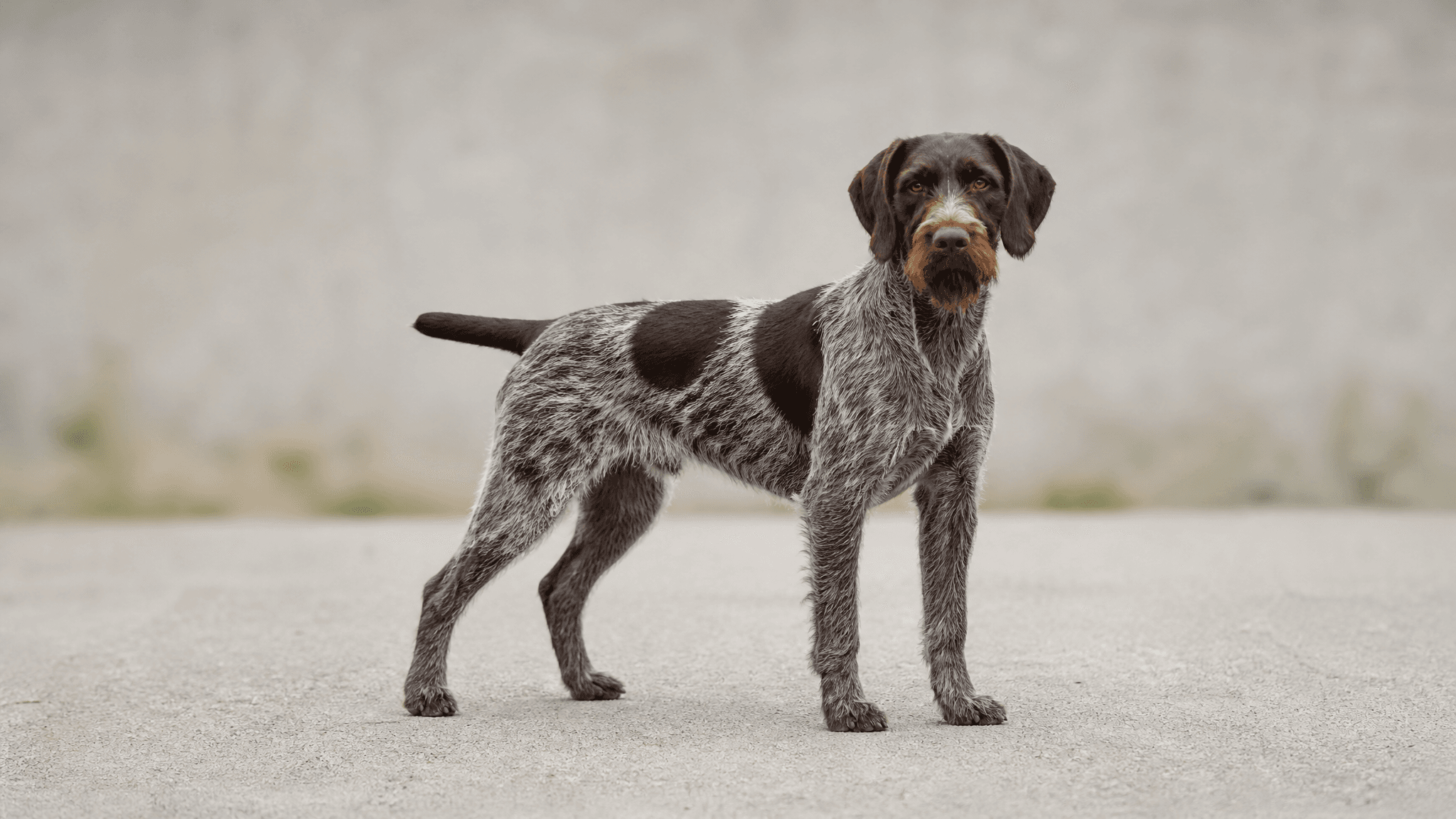
The Large Munsterlander has curious origins: it developed from the same ancestors as the Deutsch Langhaar, but for aesthetic reasons — the Langhaar breeders preferred brown specimens and excluded the black and white ones. The owners of these "excluded" specimens then founded their own club in 1919 and standardized the Large Munsterlander as an independent breed. Today it is one of the most appreciated versatile hunting dogs of Central Europe.
Physical Characteristics
- Size
- Large
- Height (male)
- 60–65 cm
- Height (female)
- 58–63 cm
- Weight (male)
- 25–34 kg
- Weight (female)
- 25–28 kg
- Life Expectancy
- 12–14 years
- Coat
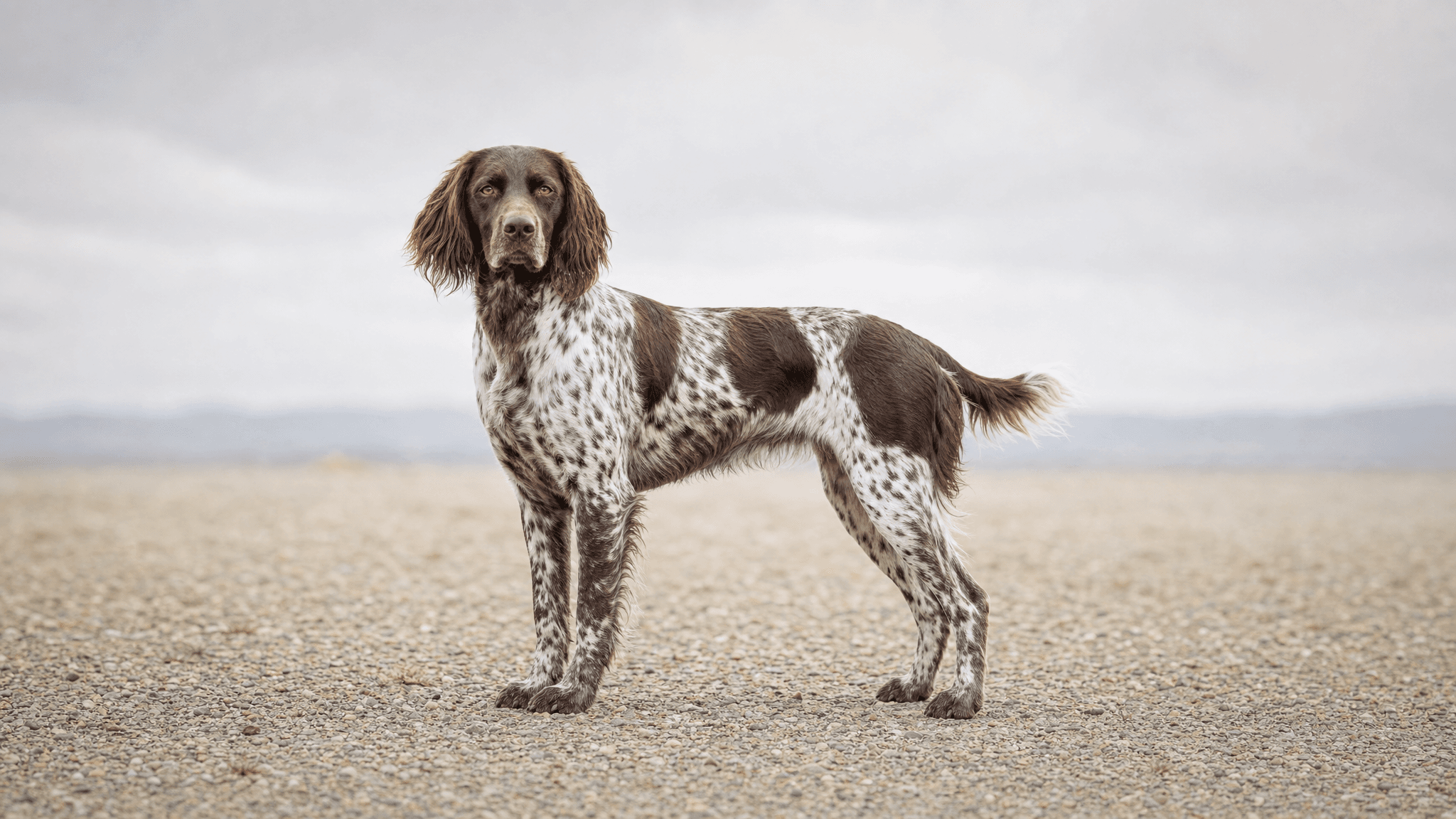
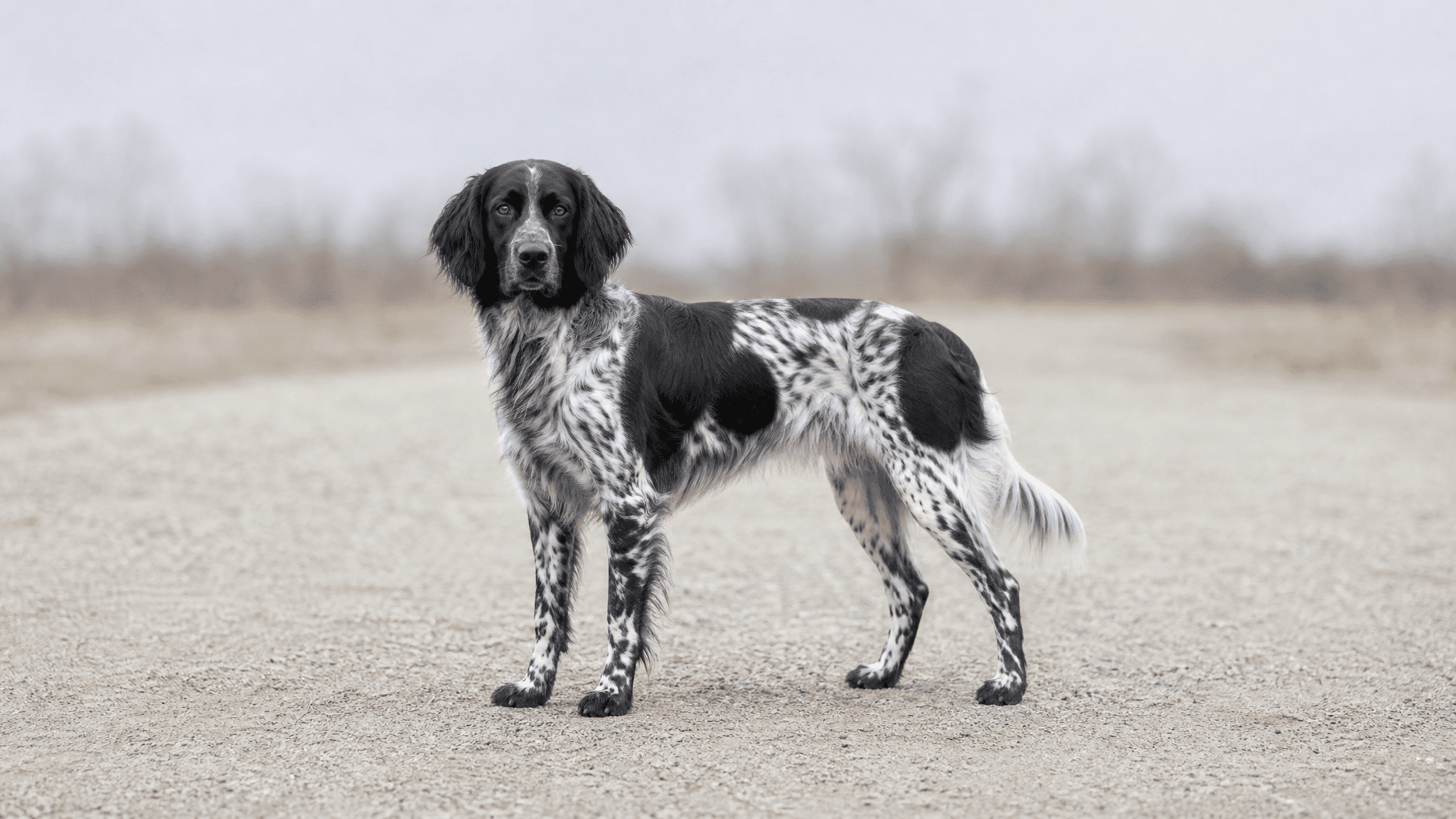
- Long and dense, not curly or rough; feathering on the front and rear legs and on the tail; short and smooth on the head
- Common Colors
- Solid black head (with or without white blaze/stripe); white or blue roan body with patches, flecking, or ticking of black
Temperament & Personality
The Large Munsterlander is loyal, affectionate, and reliable — qualities recognized in its breed standard. It is a dog with a balanced temperament that hunts at a medium pace and adapts to the hunter's style. At home it is calm and "easy to get along with," less excitable than the Kleiner Münsterländer. It adapts well to the family, including with children, when adequately exercised.
Activity & Exercise
- Energy Level
- High
- Recommended Daily Exercise
- 90 minutes
- Suitable for Apartment
- Not recommended
Grooming & Care
- Grooming Needs
- Moderate to high
- Shedding
- Moderate
- Bathing Frequency
- Every 4–6 weeks
Health
- Common Health Issues
- Hereditary cataracts
- Hip dysplasia
- Recommended Health Tests
- Approved breeding stock must have certified hips and eyes
- CERF ophthalmologic examination
- OFA orthopedic evaluation
Compatibility
- With Children
- Excellent
- With Other Dogs
- Excellent
- With Cats
- Moderate
- For First-Time Owners
- Acceptable
Is a Large Munsterlander right for you?
A Large Munsterlander may suit you if:
- You are prepared to provide at least 90 minutes of vigorous exercise and mental stimulation daily.
- You enjoy outdoor adventures like hiking, swimming, or even dog sports that engage a keen scenting dog.
- You appreciate a loyal, affectionate companion who is calm and easygoing once their energy needs are met.
- You are committed to consistent, positive training to channel their intelligence and hunting instincts.
- You are ready for moderate to high grooming, including regular brushing of their long, feathered coat.
- You understand and can manage their natural pointing and scenting instincts with appropriate outlets.
Think twice if:
- You expect instant, robotic obedience from a dog bred for independent work in the field.
- You frequently leave your dog alone for long periods, as they thrive on companionship.
- You are unwilling to supervise introductions carefully if you have cats, given their moderate suitability.
- You are unable to commit to at least 90 minutes of daily exercise or the required regular grooming.
- You live in an apartment and cannot provide ample outdoor space or secure containment for a large, energetic dog.
- You are unprepared for the physical demands of handling a strong, large dog, especially during their boisterous youth.
Living with a Large Munsterlander is a rewarding journey for those who embrace their active spirit and loving nature. While they are calm and affectionate companions at home, their deep-seated desire for activity and mental engagement means they truly thrive when their needs for exercise and purpose are consistently met. This beautiful balance of field and family makes them truly special.
Training a Large Munsterlander
Large Munsterlanders are intelligent, loyal, and eager to please, making them a joy to train. They thrive on positive reinforcement, responding best to praise, tasty treats, and engaging activities that tap into their natural hunting instincts. Keep training sessions short, fun, and consistent to maintain their focus, as their high energy means they can get bored with repetition. Inconsistency, harsh corrections, or a lack of adequate exercise – remember they need around 90 minutes daily – can lead to frustration and unwanted behaviors, as this balanced breed needs clear guidance and an outlet for their energy.
Begin with:
- Attention and response to name around distractions
- Recall on a long line
- Loose-leash walking
- Leave it and drop it
- Calm greetings without jumping
- Settling on a mat or bed
- Cooperative handling for grooming, ears, feet and teeth
- Waiting at doors and gates
Recall and Prey Drive
As a pointing dog, your Large Munsterlander possesses a strong natural prey drive, which can make recall challenging, especially in stimulating environments. It's crucial to build a rock-solid recall from day one, starting in a quiet, distraction-free area and gradually introducing more exciting settings. Always use high-value rewards like special treats or a favorite toy when they return to you.
Practice frequently on a long line in varied locations to ensure their safety and your peace of mind. Consistency is key, and every successful recall strengthens the behavior. For more detailed guidance, check out our guide on teaching recall.
Leash Manners
Your Large Munsterlander is a strong, large breed, and if not taught proper leash manners early, they can easily pull you along. Their high energy means they're keen to explore, which can translate into pulling. Start loose-leash training as soon as you bring them home, using positive reinforcement to reward walking calmly by your side.
Consider using a front-clip harness, which can help redirect their forward momentum without causing discomfort. Be patient and consistent; every walk is an opportunity to reinforce good habits. You might find this article on stopping leash pulling helpful.
Boredom and Destructive Behavior
A Large Munsterlander needs significant physical and mental stimulation to be a happy, well-behaved companion. With their high energy level and intelligence, simply leaving them alone with minimal exercise or mental enrichment can quickly lead to boredom. This often manifests as destructive chewing, excessive barking, or digging.
Ensure your dog receives their recommended 90 minutes of daily exercise, split into varied activities like walks, fetch, or scent work. Provide puzzle toys and engage in regular training sessions to keep their minds active. If you suspect your dog is struggling when left alone, recognizing the signs of stress can help you address the root cause.
Large Munsterlander — Frequently Asked Questions
What is the Grosser Münsterländer Vorstehhund (Large Munsterlander)?
The Grosser Münsterländer Vorstehhund, or Large Munsterlander, is a wonderful large-sized dog breed hailing from Germany. It belongs to FCI Group 7, often referred to as the Spaniel Type. This breed has a fascinating origin story, developing from the same ancestral lines as the Deutsch Langhaar, specifically from the black and white specimens that were initially excluded by Langhaar breeders. Today, they are cherished for their loyal, affectionate, and reliable nature, possessing a beautifully balanced temperament that makes them truly special companions.
What was the Grosser Münsterländer Vorstehhund (Large Munsterlander) originally bred for?
The Large Munsterlander was originally bred with a clear purpose: to be a versatile hunting dog. Its history traces back to the early 20th century when owners of the black and white long-haired German pointing dogs, excluded from the Deutsch Langhaar breed standard, formed their own club in 1919. They then standardized the Large Munsterlander as an independent breed. These intelligent dogs were developed to hunt at a medium pace, adapting seamlessly to the hunter's style, and they quickly became, and remain, one of Central Europe's most appreciated versatile hunting companions.
How much exercise does a Grosser Münsterländer Vorstehhund (Large Munsterlander) need?
Given their high energy level, Large Munsterlanders need a significant amount of daily exercise to stay happy and healthy! We recommend at least 90 minutes of activity every day. This isn't just a casual stroll; they thrive on vigorous exercise like long walks, running, hiking, or engaging in dog sports. Their active nature means they love having a job to do, whether it's retrieving, exploring, or playing fetch. Providing ample physical and mental stimulation will help them be calm and content members of your family.
Is the Grosser Münsterländer Vorstehhund (Large Munsterlander) a good family dog?
Absolutely! The Large Munsterlander is known for being a wonderful family dog. They possess a loyal, affectionate, and reliable temperament, making them truly devoted companions. At home, they are typically calm and "easy to get along with," less excitable than some other breeds. When they receive adequate exercise, they adapt beautifully to family life, including interactions with children. Their balanced nature means they can be a joyful and gentle presence in a loving household, making them a fantastic choice for active families.
Is the Grosser Münsterländer Vorstehhund (Large Munsterlander) easy to train?
Yes, the Large Munsterlander is generally considered quite trainable! They are intelligent dogs with a balanced temperament, known for being loyal, affectionate, and reliable. These qualities make them eager to please and responsive to positive reinforcement training methods. Their original purpose as versatile hunting dogs means they possess a natural aptitude for learning and working alongside their human companions. Consistent, patient training from a young age, combined with plenty of mental stimulation, will help you bring out the best in your clever Large Munsterlander.
What health issues are common in the Grosser Münsterländer Vorstehhund (Large Munsterlander)?
Like all breeds, Large Munsterlanders can be prone to certain health conditions, and it's important for prospective owners to be aware. Documented health concerns for this wonderful breed include hereditary cataracts, which can affect their vision, and hip dysplasia, a condition that impacts the hip joints. Responsible breeders will screen their breeding stock for these issues to help ensure the health of their puppies. Regular veterinary check-ups and a healthy lifestyle are key to helping your Large Munsterlander live a long and happy life.
What is the Grosser Münsterländer Vorstehhund (Large Munsterlander)'s coat like and how much grooming does it need?
The Large Munsterlander boasts a beautiful, distinctive black and white coat, which is typically medium-long and dense, reflecting its long-haired German pointing dog ancestry. While stunning, this coat does require regular grooming to keep it in top condition. Weekly brushing is usually sufficient to prevent mats and tangles, especially around the feathering on their legs, tail, and ears, and to remove loose hair and dirt. Regular grooming also helps distribute natural oils, keeping their coat shiny and healthy, and allows you to bond with your lovely companion.
What is the typical lifespan of a Grosser Münsterländer Vorstehhund (Large Munsterlander)?
It's wonderful to know how long you can expect to share your life with a Grosser Münsterländer Vorstehhund! These magnificent dogs typically enjoy a lifespan of 12 to 14 years. Providing them with excellent nutrition, plenty of exercise, regular veterinary care, and a loving home environment will contribute significantly to their overall well-being and help them reach their full potential. Cherish every moment with your loyal and affectionate Large Munsterlander!
Community
Talk to real Large Munsterlander owners
This guide covers the breed on paper. In the app, the Large Munsterlander community covers it in real life: photos from other owners, questions answered by people who live with the breed, and a directory of dogs you can browse.
- Photos & pollsSee what Large Munsterlander owners are sharing today.
- Questions & answersAsk anything and hear from people who own one.
- Dog directoryBrowse Large Munsterlanders from around the world.
You join automatically when you add a Large Munsterlander to your profile.