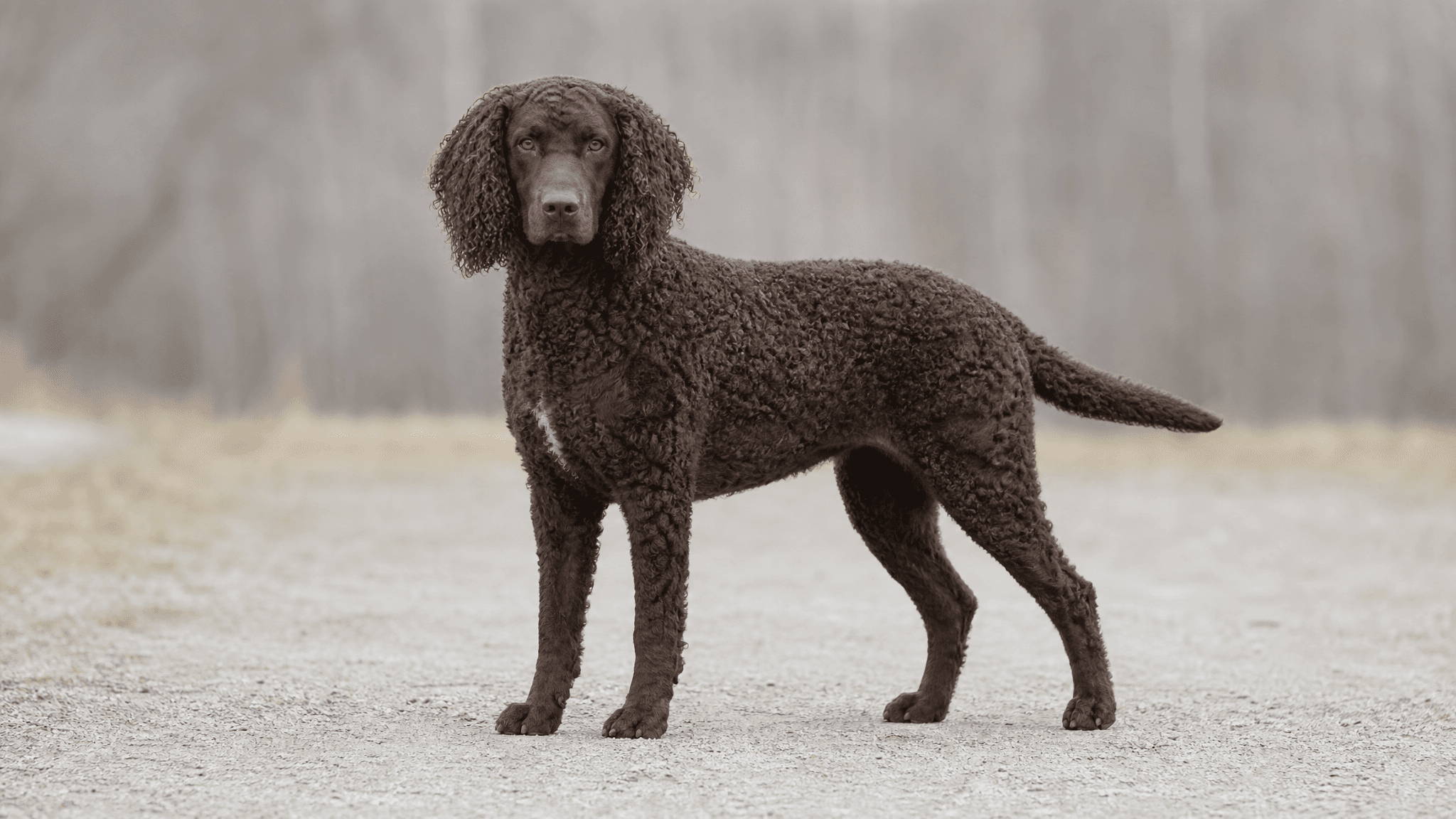
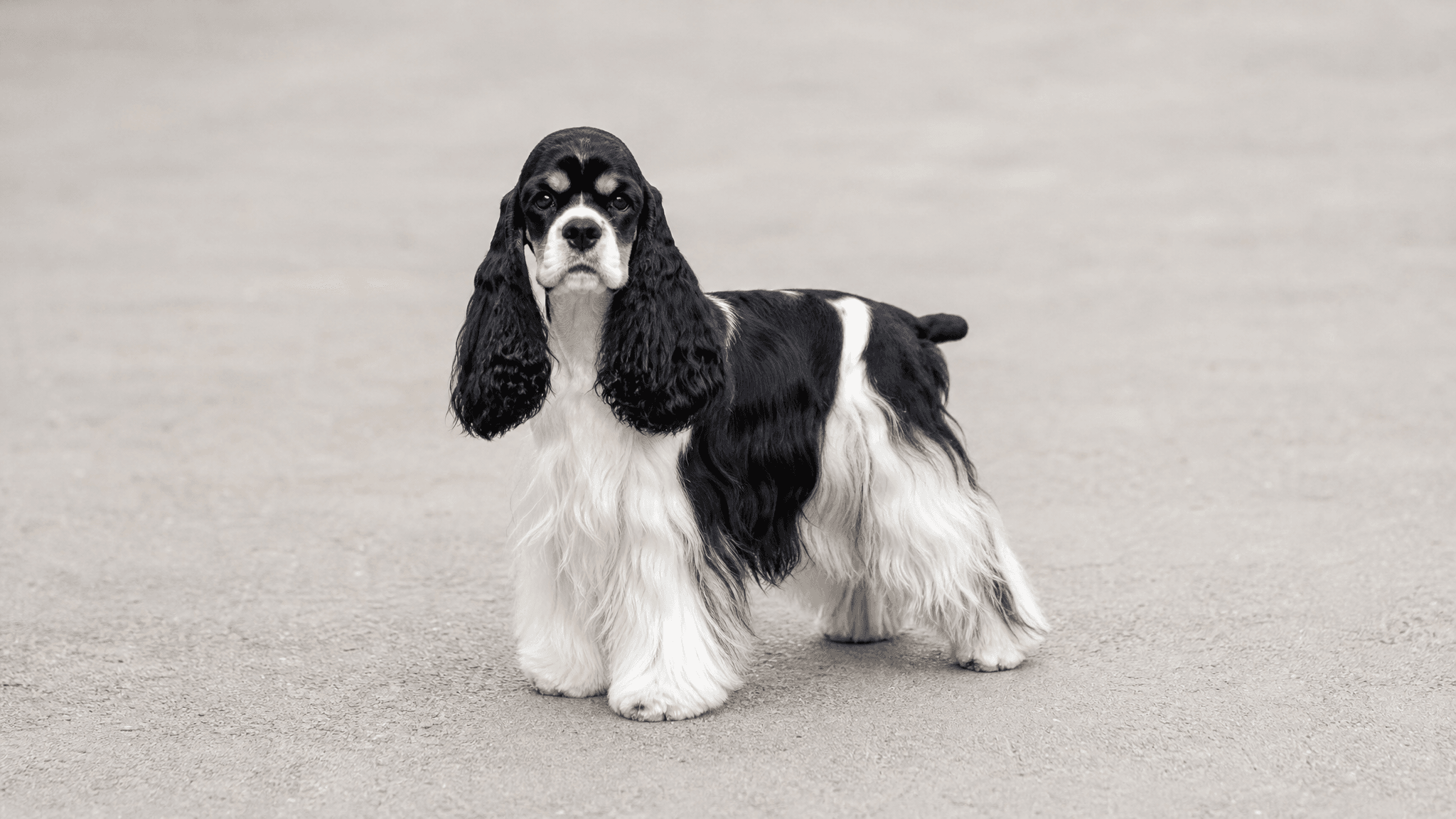
Boykin Spaniel
Summary
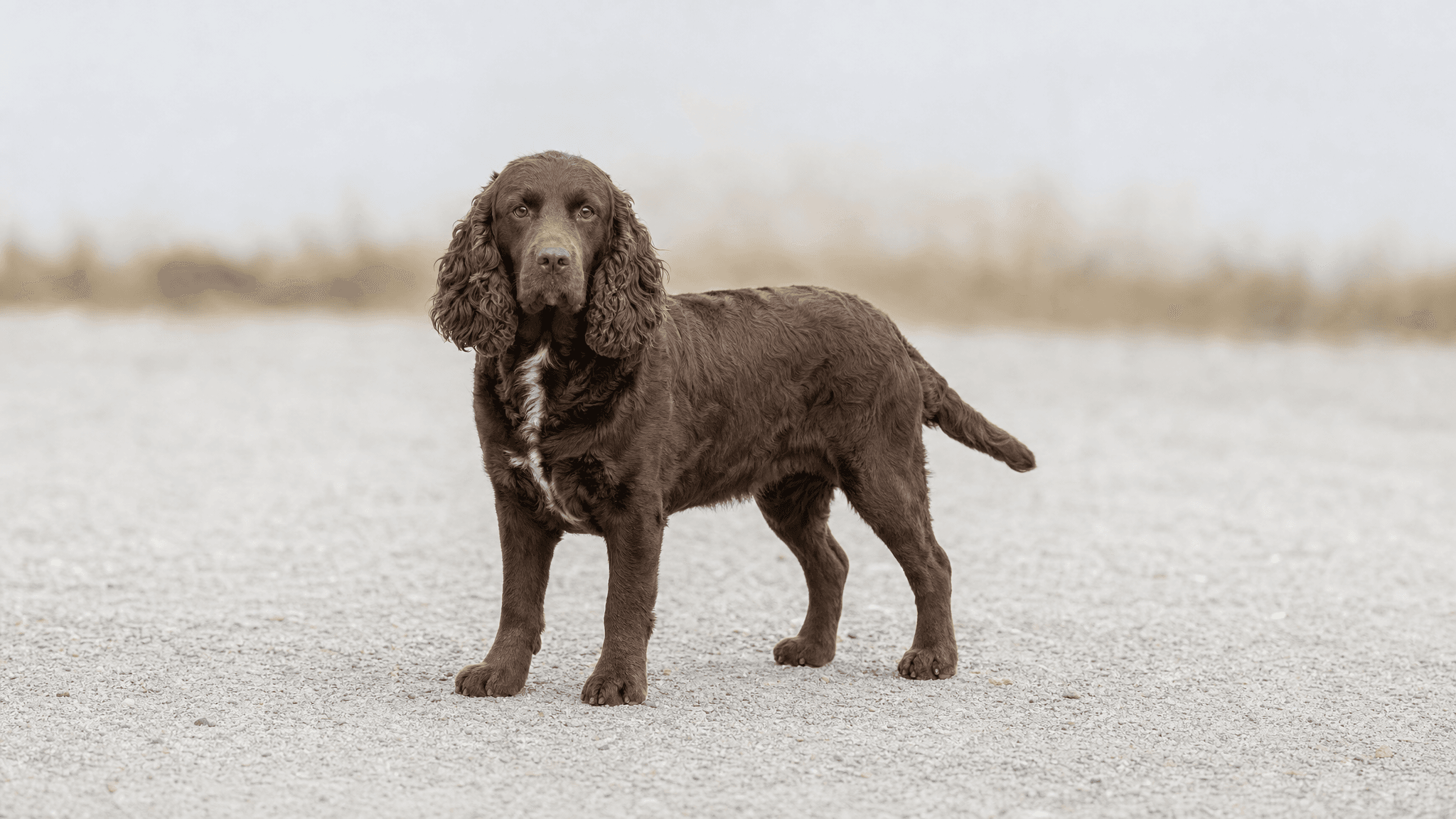
The Boykin Spaniel is an American flushing and retrieving spaniel developed in South Carolina for hunting wild turkey and waterfowl in swampy terrain. Compact enough for small boats but strong enough for a full day's work, it is also known as the official state dog of South Carolina.
Physical Characteristics
- Size
- Medium
- Height (male)
- 39.5–45.5 cm
- Height (female)
- 35.5–42 cm
- Weight (male)
- 13.5–18 kg
- Weight (female)
- 11.5–16 kg
- Life Expectancy
- 10–15 years
- Coat
- Medium-length, flat to moderately curly, with light feathering and weather-resistant texture
- Common Colors
- Solid rich liver, brown, or dark chocolate; small white chest markings may occur
Temperament & Personality
The Boykin Spaniel is eager, merry, trainable, and affectionate. It is typically a friendly family dog indoors and an energetic, persistent bird dog outdoors, requiring regular exercise and mental work.
Activity & Exercise
- Energy Level
- High
- Recommended Daily Exercise
- 60–120 minutes
- Suitable for Apartment
- Yes with exercise
Grooming & Care
- Grooming Needs
- Moderate
- Shedding
- Moderate
- Bathing Frequency
- Every 4–8 weeks
Health
- Common Health Issues
- Ear infections
- Exercise-induced collapse
- Eye disorders
- Hip dysplasia
- Patellar luxation
- Recommended Health Tests
- Cardiac examination
- Eye examination
- Genetic tests for EIC
- Hip evaluation
- Patella evaluation
Compatibility
- With Children
- Good
- With Other Dogs
- Good
- With Cats
- Moderate
- For First-Time Owners
- Acceptable
Is a Boykin Spaniel right for you?
A Boykin Spaniel may suit you if:
- You are prepared to provide 60-120 minutes of vigorous daily exercise and engaging mental challenges.
- You enjoy an active, outdoorsy lifestyle, perhaps involving hunting, hiking, or water sports, where your dog can join.
- You appreciate an eager, merry, and affectionate companion who thrives on being part of the family.
- You are ready to commit to consistent, positive training to channel their intelligence and enthusiasm.
- You are prepared for moderate grooming, including regular brushing of their weather-resistant, medium-length coat.
- You are willing to manage their natural retrieving and flushing instincts with appropriate outlets and games.
Think twice if:
- You expect immediate, robotic obedience without understanding their independent, persistent nature.
- You have a routine that often leaves a high-energy dog alone for long stretches, as they thrive on companionship.
- You are unwilling to supervise interactions carefully if you have cats, despite their generally good nature.
- You are not prepared for moderate shedding or the need for regular bathing every 4-8 weeks.
- You lack secure outdoor space or are unable to provide ample exercise, even in an apartment setting.
- You prefer a dog that requires minimal guidance through energetic puppyhood and adolescence.
The Boykin Spaniel is a truly joyful and devoted companion, but their energetic spirit and working dog heritage mean they thrive best with an active, engaged owner. While affectionate and trainable, they require consistent effort in exercise, mental stimulation, and training to truly flourish, offering immense loyalty in return.
Training a Boykin Spaniel
Your Boykin Spaniel is a truly eager, merry, and trainable companion, making them a joy to teach! They thrive on positive reinforcement, especially when it involves tasty treats, enthusiastic praise, or a favorite toy. Keep training sessions short, fun, and consistent, ideally 5-10 minutes, several times a day. Their affectionate nature means they genuinely want to please you. However, if sessions become repetitive, too long, or if you use harsh methods, your Boykin can quickly become bored or confused, potentially leading to a lack of focus or a reluctance to engage.
Begin with:
- Attention and response to name around distractions
- Recall on a long line
- Loose-leash walking
- Leave it and drop it
- Calm greetings without jumping
- Settling on a mat or bed
- Cooperative handling for grooming, ears, feet and teeth
- Waiting at doors and gates
Prey Drive and Recall
Boykin Spaniels were bred for hunting waterfowl and wild turkey, giving them a strong natural prey drive. This means a sudden squirrel or bird can easily override their attention, making recall a critical skill. Begin recall training in a quiet, enclosed area, gradually adding distractions.
Always use a long line in unfenced areas until your Boykin's recall is rock-solid, even around tempting wildlife. Practice frequently and make coming back to you the most rewarding thing ever! For more in-depth advice, check out this guide to recall training.
Leash Pulling
As energetic and persistent bird dogs, Boykins can be enthusiastic walkers and, despite their medium size, quite strong. They often pull on the leash, driven by their desire to explore and follow interesting scents. This can make walks less enjoyable for both of you.
Focus on positive reinforcement for loose-leash walking from day one. Reward every step taken on a slack leash and change direction frequently to keep them engaged with you. Consider a front-clip harness for better control. You can find more practical tips in our guide on stopping leash pulling.
Boredom and Chewing
With their high energy level and need for mental work, Boykin Spaniels require a significant amount of exercise, typically 60-120 minutes daily. If they don't get enough physical activity or mental stimulation, they can easily become bored, leading to destructive chewing, excessive barking, or other undesirable behaviors around the house.
Ensure your Boykin receives consistent daily exercise and mental enrichment. Incorporate puzzle toys, scent games, and regular training sessions to keep their intelligent minds active. Engaging in activities that tap into their natural retrieving instincts can be particularly satisfying for them. Our training feature can help you build a consistent routine.
Boykin Spaniel — Frequently Asked Questions
What is the Boykin Spaniel?
The Boykin Spaniel is a medium-sized, versatile American sporting spaniel developed in South Carolina in the early 20th century, specifically to hunt wild turkey and waterfowl in the Wateree River Swamp. They are the official state dog of South Carolina. Bred to fit in a small boat without taking up too much room, they are compact, energetic, and hardworking. They have a distinctive rich liver (chocolate) brown coat that can be wavy or curly, with warm amber eyes. In character they are friendly, eager to please, energetic, and highly adaptable — equally at home in the hunting field or as a family companion.
Are Boykin Spaniels good family dogs?
Boykin Spaniels make wonderful family dogs. They are affectionate, gentle, and playful — genuinely loving with children and adults alike. Their moderate size and adaptable nature make them practical for active families. They are social dogs that dislike being left alone for long periods and thrive on companionship. They generally get along well with other dogs and are friendly toward strangers once introduced. Their high energy means they need an active family who can provide daily exercise, but their gentle temperament makes them manageable even for moderately active owners. They are enthusiastic participants in family activities and genuinely enjoy being included in daily life.
How much exercise does a Boykin Spaniel need?
Boykin Spaniels need 60–90 minutes of exercise daily. They were bred as active hunting dogs with real stamina — they can work in the field all day. Daily walks, swimming (they love water), fetch, hiking, and dog sports like agility and hunt tests all suit them well. Off-leash exercise in a securely fenced area or supervised recall training is important, as their hunting instinct can override recall near interesting scents. They are highly versatile athletes — they can swim, run, retrieve, and work through dense cover. Without adequate daily exercise, they become restless and may develop destructive behaviours. Mental stimulation through training, puzzle toys, and nose work complements physical exercise well.
Are Boykin Spaniels easy to train?
Boykin Spaniels are highly trainable and eager to please — they consistently rank among the easier sporting breeds to train. They are intelligent, motivated by food and praise, and quick to make the connection between behaviour and reward. Positive, reward-based training works extremely well; harsh corrections are unnecessary and counterproductive. They excel at obedience, hunt tests, agility, tracking, and therapy dog work. Their hunting background means they have natural retrieving and tracking instincts that can be channelled productively. Early socialisation and basic obedience training from puppyhood establishes the foundation for a well-mannered adult. They respond well to consistent, patient training and remain eager learners throughout their lives.
What health issues affect Boykin Spaniels?
Boykin Spaniels have some specific health concerns worth knowing. Hip dysplasia — OFA screening of parents is recommended. Exercise-induced collapse (EIC) — a condition affecting some sporting breeds where intense exercise triggers muscle weakness and collapse; DNA testing is available. Heart disease (pulmonic stenosis) has been documented. Eye conditions including cataracts and collie eye anomaly (CEA) — eye screening is recommended. Hypothyroidism occurs. Skin conditions and ear infections (due to their drop ears and love of water) are common — regular ear cleaning after swimming is essential. Health-tested parents and annual vet check-ups are important.
How long do Boykin Spaniels live?
Boykin Spaniels have an average lifespan of 10–15 years — good for a medium sporting breed. Key longevity factors include health-tested parents (EIC, hip dysplasia, eye conditions), regular ear cleaning and drying after water activities (ear infections can become chronic if neglected), annual vet check-ups including cardiac monitoring, dental care, daily adequate exercise, maintaining a lean healthy weight, and mental stimulation. Dogs from reputable, health-conscious breeders with active, engaged lives commonly reach the upper end of this range. Their working-dog constitution and active lifestyle generally supports good longevity.
Do Boykin Spaniels shed a lot?
Boykin Spaniels are moderate shedders. Their medium-length, wavy or curly coat sheds year-round with heavier shedding during seasonal transitions in spring and autumn. Regular brushing 2–3 times per week with a slicker brush and comb significantly reduces shedding around the home and prevents the coat from matting — their feathering on legs, ears, and chest can tangle if neglected. Professional grooming every 6–8 weeks keeps the coat tidy and manageable. Their rich brown coat can be noticeable on light-coloured furniture and clothing. They are not hypoallergenic. Their ears require particular attention — regular cleaning prevents the infections that drop-eared, water-loving dogs are prone to.
What is the origin of the Boykin Spaniel?
The Boykin Spaniel has a distinctly American origin story. In the early 1900s, a small stray dog was found wandering near a church in Spartanburg, South Carolina, by Alexander White, who gave it to his hunting partner Whit Boykin. Boykin recognised the dog's hunting potential and began developing it as a versatile hunting dog for the Wateree River Swamp area. He crossed it with American Water Spaniels, Chesapeake Bay Retrievers, Cocker Spaniels, and Springer Spaniels to develop the breed. The result was a dog compact enough to fit in a small hunting boat, quiet enough not to spook game, and athletic enough to retrieve from dense swamp terrain. The breed was officially recognised by the AKC in 2009 and became South Carolina's state dog in 1985.
Community
Talk to real Boykin Spaniel owners
This guide covers the breed on paper. In the app, the Boykin Spaniel community covers it in real life: photos from other owners, questions answered by people who live with the breed, and a directory of dogs you can browse.
- Photos & pollsSee what Boykin Spaniel owners are sharing today.
- Questions & answersAsk anything and hear from people who own one.
- Dog directoryBrowse Boykin Spaniels from around the world.
You join automatically when you add a Boykin Spaniel to your profile.