Bosnian And Herzegovinian - Croatian Shepherd Dog
Summary
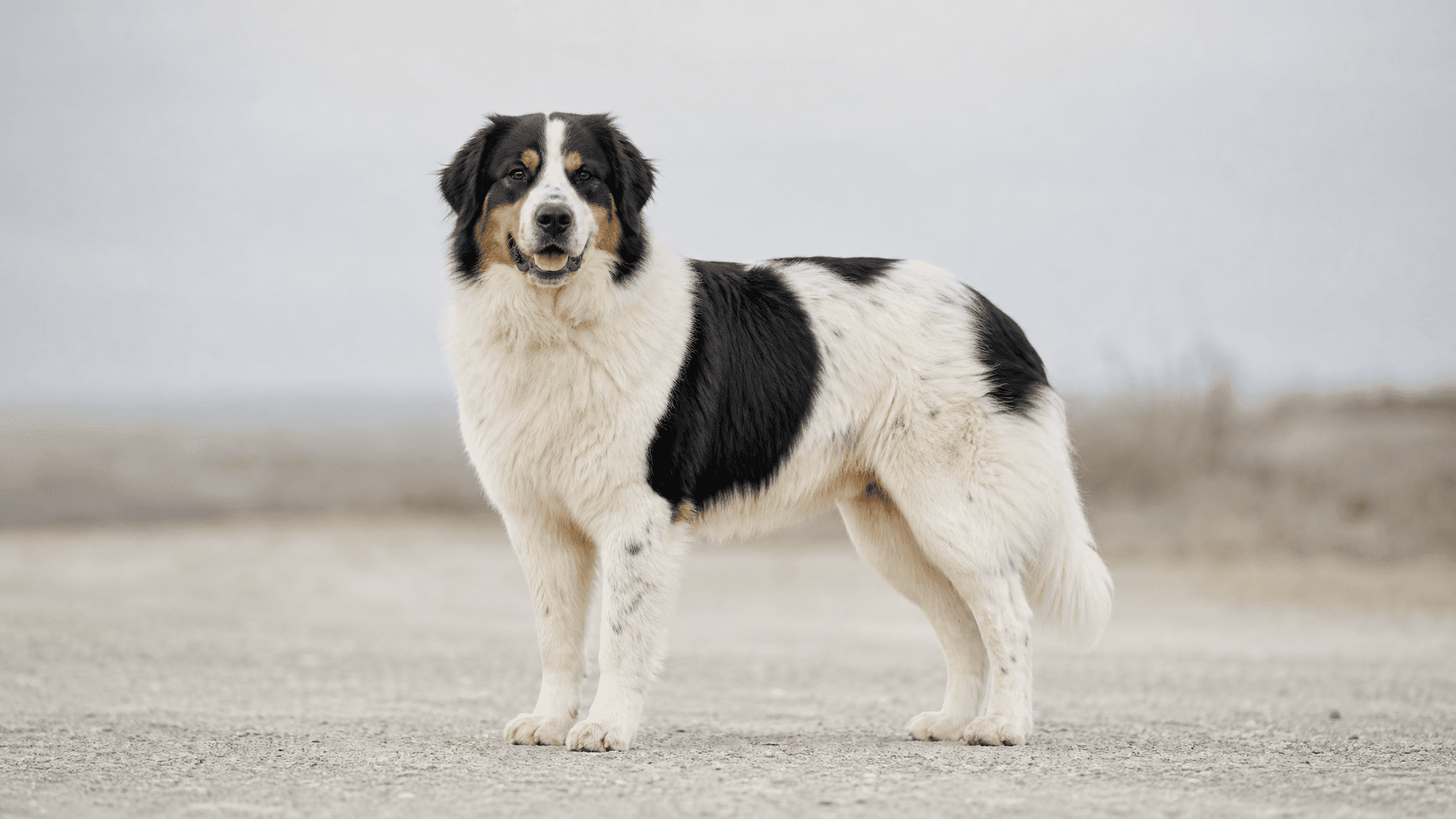
The Tornjak is a Balkan flock guardian with documented references dating back to the 11th century. Its name derives from "tor" (sheep pen) and reflects its traditional function. Nearly extinct after World War II, it was meticulously recovered from 1978 using herding animals found in the most remote areas of Bosnia and Croatia. It is today highly valued as a guard dog and companion.
Physical Characteristics
- Size
- Large
- Height (male)
- 65–70 cm
- Height (female)
- 60–65 cm
- Weight (male)
- 35–55 kg
- Weight (female)
- 30–45 kg
- Life Expectancy
- 12–14 years
- Coat
- Long, dense, and very thick; mane on the neck and very bushy tail
- Common Colors
- Bicolour or tricolour — white base with patches of any colour; never solid colour
Temperament & Personality
The Tornjak is balanced, friendly, and courageous — a guardian that combines determination with intelligence. It is very devoted to its family, with whom it is calm and affectionate; with strangers, it is cautious but not aggressive. It learns well when training is done with patience and consistency. It is an excellent family dog for those with rural or semi-rural space.
Activity & Exercise
- Energy Level
- Moderate
- Recommended Daily Exercise
- 60–90 minutes
- Suitable for Apartment
- Not recommended
Grooming & Care
- Grooming Needs
- Moderate to high
- Shedding
- Heavy
- Bathing Frequency
- Every 6–8 weeks
Health
- Common Health Issues
- Hip dysplasia
- Recommended Health Tests
- Hip radiography
Compatibility
- With Children
- Good
- With Other Dogs
- Good
- With Cats
- Moderate
- For First-Time Owners
- Acceptable
Is a Bosnian and Herzegovinian - Croatian Shepherd Dog right for you?
A Bosnian and Herzegovinian - Croatian Shepherd Dog may suit you if:
- You can commit to providing 60 to 90 minutes of daily exercise and engaging mental challenges for a moderately energetic companion.
- You enjoy a semi-rural or rural lifestyle with ample space for a large, active guardian to patrol and thrive.
- You appreciate a devoted and affectionate family dog that is naturally balanced, courageous, and intelligent.
- You are prepared to invest patience and consistency in training, even as a first-time owner, to nurture their intelligent nature.
- You are prepared for moderate to high grooming needs, including regular care for a long, dense coat and heavy shedding.
- You are willing to manage a natural guardian instinct, understanding their cautious approach to new people.
Think twice if:
- You expect instant, robot-like obedience, as their intelligent independence means they think for themselves.
- You have a routine that requires your dog to be left alone for long periods, as they thrive on family companionship.
- You are unwilling to carefully introduce and supervise them with cats, despite being good with children and other dogs.
- You are unwilling to provide consistent daily exercise within the 60 to 90-minute range or manage their heavy shedding coat.
- You live in an apartment or lack a securely fenced, spacious yard for a large, active dog.
- You are unprepared for managing a large, powerful dog through its adolescent phase, which requires consistent guidance.
The Tornjak is a magnificent, devoted guardian whose calm and affectionate nature shines brightest when deeply integrated into family life. While their intelligence and loyalty are profound, they are not a breed for the faint of heart or those seeking a low-maintenance companion. Living with a Tornjak means embracing their need for space, consistent guidance, and a lifestyle that truly accommodates their protective spirit and substantial physical presence.
Training a Bosnian and Herzegovinian - Croatian Shepherd Dog
Your Tornjak is a devoted and intelligent learner, thriving on patient and consistent training that builds trust and strengthens your bond. These large, courageous guardians respond best to positive reinforcement methods, where short, engaging sessions celebrate their successes. Harsh corrections or impatience can quickly undermine their confidence and lead to a withdrawn or stubborn attitude, making progress difficult. Remember, their inherent determination means they need clear, consistent guidance to channel their intelligence effectively and become the calm, affectionate family member they're meant to be.
Begin with:
- Attention and response to name around distractions
- Recall on a long line
- Loose-leash walking
- Leave it and drop it
- Calm greetings without jumping
- Settling on a mat or bed
- Cooperative handling for grooming, ears, feet and teeth
- Waiting at doors and gates
Guardian instincts
Tornjaks are natural flock guardians, meaning they have an innate tendency to be cautious with strangers and protective of their family and territory. This can manifest as barking at new visitors or being wary on walks. Start early with positive exposure to a variety of people and environments, always ensuring these experiences are calm and rewarding. Teach a "watch me" command to redirect their attention from potential triggers to you, reinforcing their focus on your guidance rather than their guarding impulses.
Consistency is key in helping your Tornjak understand when their guarding instincts are appropriate and when they should defer to your judgment. Our Behaviour AI feature can help you understand and work on these specific behaviors, providing tailored insights to manage their protective nature effectively.
Leash manners
Given their large size and strength—males can weigh up to 55 kg—a Tornjak pulling on the leash can be a significant challenge. Early and consistent training in loose-leash walking is crucial to prevent them from developing habits that are difficult to manage later. Use a front-clip harness or head halter for better control, and reward every step taken with a slack leash. Practice in low-distraction environments first, gradually increasing the challenge.
For detailed strategies and a step-by-step plan, check out this guide on how to stop a puppy pulling on the leash. Remember, patience and positive reinforcement will yield the best results with your strong and determined companion.
Boredom behaviors
While Tornjaks have a moderate energy level, they require 60-90 minutes of daily exercise and mental stimulation to thrive. Without enough to do, an under-exercised or under-stimulated Tornjak can become bored and destructive, potentially chewing inappropriate items or engaging in excessive barking. Provide puzzle toys, scent work, and regular training sessions to keep their intelligent minds engaged.
Remember, they are not recommended for apartment living and need space to roam. Ensure they have a secure yard and varied activities to prevent frustration and channel their energy positively, contributing to a happy and well-behaved companion for their 12-14 year lifespan.
Bosnian And Herzegovinian - Croatian Shepherd Dog — Frequently Asked Questions
What is the Tornjak?
The Tornjak is an ancient livestock guardian dog from Bosnia-Herzegovina and Croatia, where it has been protecting flocks against wolves and bears in the mountain pastures for well over a thousand years. Large, calm, and exceptionally loyal, it is one of the Balkan's oldest and most prized working breeds. Outside its home countries it remains relatively rare, but its stable temperament, intelligence, and natural guardian instincts have earned it a growing following among those who keep livestock or simply want a formidable yet gentle family protector.
Are Tornjaks good family dogs?
Tornjaks can be wonderful family dogs when properly socialised from puppyhood, but they are not typical pets for inexperienced owners. With the family they know and trust, they are gentle, affectionate, and excellent with children. However, their guarding instinct means they tend to be naturally suspicious of strangers and will announce newcomers firmly. They need clear, calm leadership and a confident owner who understands large guardian breeds. A well-raised Tornjak in the right household is a devoted and impressive companion.
How much exercise does a Tornjak need?
Adult Tornjaks need moderate exercise — around 1–1.5 hours daily. They are not high-octane sport dogs; their working role was to patrol and guard rather than run flat out. Long, calm walks and access to a large, securely fenced outdoor space suit them perfectly. Mental stimulation through guarding tasks or nose work helps fulfil their working drive. Puppies and young dogs should avoid over-exercise on hard surfaces while their joints are still developing, particularly in the first 18 months.
Are Tornjaks easy to train?
Tornjaks are intelligent and capable, but they are independent thinkers who were bred to make decisions without human direction — as a livestock guardian must. They respond best to a calm, consistent, respectful approach and will shut down if treated harshly. Basic obedience and socialisation from an early age are non-negotiable. They are not the breed to impress in a competitive obedience ring, but for the tasks they were bred for — perimeter guarding and calm judgement — they are supremely capable. Patience and relationship-building are more effective than endless repetition.
What is the Tornjak's coat like and how do you groom it?
The Tornjak has a dense double coat — a thick, fluffy undercoat and a longer, coarser outer coat that lies flat. The coat is typically tricolour or bicolour with a white base and markings of various colours. It sheds seasonally — twice a year in spring and autumn you should expect heavy shedding — and during those periods daily brushing with a slicker brush and undercoat rake is strongly recommended. Outside shedding season, a thorough brush once or twice a week is sufficient. They are otherwise a naturally clean breed.
What health issues are common in Tornjaks?
The Tornjak is considered a healthy breed with relatively low rates of hereditary disease, likely because the breed's working survival depended on physical soundness. Hip and elbow dysplasia are the conditions most worth screening for, particularly in breeding pairs. Bloat (gastric dilatation-volvulus) is a risk in any large deep-chested breed — feeding smaller meals twice a day and avoiding vigorous exercise immediately after eating reduces the risk significantly. Regular vet check-ups from puppyhood are recommended as a baseline.
What is the typical lifespan of a Tornjak?
The Tornjak typically lives between 12 and 14 years, which is good for a large to extra-large breed. Their relatively hardy constitution — the product of centuries of natural selection in demanding mountain environments — contributes to their longevity. Keeping them at a healthy weight, providing appropriate exercise without over-stressing young joints, and ensuring regular vet check-ups are the main factors in supporting a long, healthy life. As with all large breeds, joint health becomes increasingly important in the later years.
Is the Tornjak suitable for first-time dog owners?
The Tornjak is generally not recommended for first-time dog owners. Their size, guarding instincts, and independent nature require an experienced handler who understands livestock guardian breeds. Without proper socialisation, leadership, and structure, a Tornjak can become overly territorial or difficult to manage around strangers. However, for someone who has researched the breed thoroughly, has experience with large dogs, and can provide appropriate space, consistency, and respect, the Tornjak is a deeply rewarding companion and protector.
Community
Talk to real Bosnian And Herzegovinian - Croatian Shepherd Dog owners
This guide covers the breed on paper. In the app, the Bosnian And Herzegovinian - Croatian Shepherd Dog community covers it in real life: photos from other owners, questions answered by people who live with the breed, and a directory of dogs you can browse.
- Photos & pollsSee what Bosnian And Herzegovinian - Croatian Shepherd Dog owners are sharing today.
- Questions & answersAsk anything and hear from people who own one.
- Dog directoryBrowse Bosnian And Herzegovinian - Croatian Shepherd Dogs from around the world.
You join automatically when you add a Bosnian And Herzegovinian - Croatian Shepherd Dog to your profile.