Biewer Terrier
Summary
The Biewer Terrier is a modern toy companion breed developed in Germany from tricolored Yorkshire Terrier lines. It was recognized by the AKC in 2021 and is valued primarily as a small, affectionate companion.
Physical Characteristics
- Size
- Toy
- Height (male)
- 18–28 cm
- Height (female)
- 18–28 cm
- Weight (male)
- 2–3.5 kg
- Weight (female)
- 2–3.5 kg
- Life Expectancy
- 12–16 years
- Coat
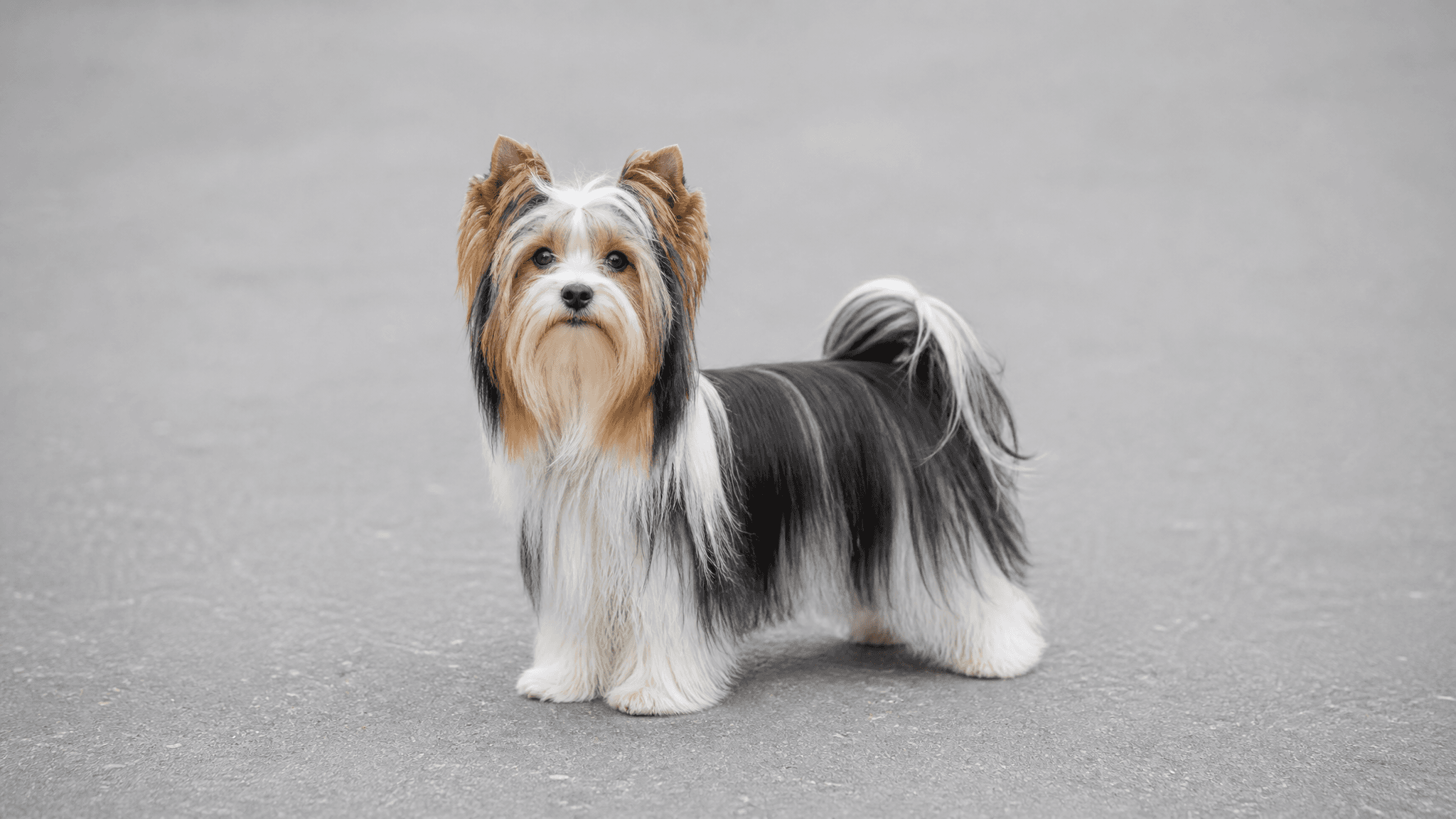
- Long, silky, straight single coat that parts along the back
- Common Colors
- Blue, black, gold, tan, and white in a tricolor pattern
Temperament & Personality
The Biewer Terrier is playful, devoted, charming, and people-oriented. It is small but sturdy, normally cheerful with family, and benefits from gentle handling and consistent socialization.
Activity & Exercise
- Energy Level
- Moderate
- Recommended Daily Exercise
- 30–45 minutes
- Suitable for Apartment
- Yes
Grooming & Care
- Grooming Needs
- High
- Shedding
- Minimal
- Bathing Frequency
- Every 2–4 weeks
Health
- Common Health Issues
- Dental disease
- Patellar luxation
- Portosystemic shunt
- Tracheal collapse
- Recommended Health Tests
- Dental examination
- Eye examination
- Liver evaluation
- Patella evaluation
Compatibility
- With Children
- Good
- With Other Dogs
- Good
- With Cats
- Good
- For First-Time Owners
- Recommended
Is a Biewer Terrier right for you?
A Biewer Terrier may suit you if:
- You are happy to provide 30 to 45 minutes of daily activity, including playtime and engaging walks.
- You enjoy a lifestyle that includes a devoted, cheerful companion eager to be part of family activities.
- You appreciate a charming, people-oriented companion with a playful spirit and a generally cheerful disposition.
- You are prepared to invest in consistent, gentle training and early socialization to nurture a well-adjusted dog.
- You are ready for a high grooming commitment, including regular brushing and bathing every 2 to 4 weeks.
- You welcome a playful companion who loves interactive games and being the center of your affectionate attention.
Think twice if:
- You expect immediate, unquestioning obedience from a breed known for its spirited terrier independence.
- You often leave your dog alone for long stretches, as this people-oriented breed thrives on companionship.
- You are not prepared to teach children or other pets how to interact gently with a small, sturdy dog.
- You are unwilling to commit to the daily 30 to 45 minutes of exercise or the significant grooming requirements.
- You do not have secure boundaries or a safe, supervised environment for a curious toy terrier.
- You are uncomfortable with the consistent, gentle guidance needed to manage a spirited and sometimes stubborn terrier.
The Biewer Terrier truly shines as a devoted, playful companion, bringing immense joy and charm to the right home. While their small size and affectionate nature make them wonderful family members, remember their spirited terrier roots. They thrive with consistent, gentle guidance and a commitment to their significant grooming needs, offering a lifetime of cheerful companionship in return.
Training a Biewer Terrier
Your Biewer Terrier is a delightful, people-oriented companion who thrives on positive reinforcement and gentle guidance. These charming little dogs learn best through short, fun training sessions filled with tasty treats and enthusiastic praise. Their playful nature means they'll enjoy turning learning into a game. Because they are devoted and sensitive, harsh corrections or impatience can quickly undermine their confidence and make them reluctant to engage, leading to a breakdown in communication rather than progress. Consistency and patience are your best friends on this journey.
Begin with:
- Attention and response to name around distractions
- Recall on a long line
- Loose-leash walking
- Leave it and drop it
- Calm greetings without jumping
- Settling on a mat or bed
- Cooperative handling for grooming
- Waiting at doors and gates
Terrier Instincts and Recall
Biewer Terriers, despite their toy size, are still terriers at heart, meaning they can possess a surprising amount of prey drive. This instinct might cause them to suddenly dart after a leaf, a squirrel, or even a blowing plastic bag, making a reliable recall absolutely critical for their safety.
Start recall training in a quiet, enclosed area, making it a super fun game with high-value rewards. Gradually introduce distractions, always ensuring success before increasing the challenge. A long line is invaluable for practicing recall safely in more open spaces. Remember, their devotion to you is a powerful motivator, so make coming back to you the most rewarding choice they can make. Our guide on teaching recall can help.
Leash Manners for Small Dogs
Even a small Biewer Terrier can pull persistently on the leash, making walks less enjoyable for both of you. Their moderate energy level means they need their daily 30-45 minutes of exercise, and a pulling habit can make fulfilling this need frustrating. Given their small size and delicate necks, using a harness is often preferable to a collar to prevent strain.
Focus on positive reinforcement for loose-leash walking from day one. Reward every step your Biewer takes with a slack leash. If they pull, stop immediately and wait for the leash to loosen before moving forward again. This teaches them that pulling gets them nowhere. For more detailed advice, check out our tips for stopping leash pulling.
Preventing Boredom Behaviors
Biewer Terriers are people-oriented and thrive on companionship. While they are suitable for apartments and only need 30-45 minutes of daily exercise, being left alone for extended periods or not receiving enough mental stimulation can lead to undesirable behaviors. A bored or lonely Biewer might resort to excessive barking, chewing, or even house-soiling to cope with their feelings.
Ensure your Biewer has a variety of appropriate chew toys and puzzle feeders to keep their minds engaged when you can't actively play with them. Incorporate short training sessions throughout the day to provide mental exercise. If you must leave them alone, consider a trusted pet sitter or dog walker, or explore options like our Behaviour AI feature to understand and address any separation-related stress. Consistent daily routine and plenty of positive interaction will keep your charming companion happy and well-behaved.
Biewer Terrier — Frequently Asked Questions
What is the Biewer Terrier?
The Biewer Terrier (pronounced 'Beaver') is a small, elegant toy terrier developed in Germany in 1984 by Werner and Gertrude Biewer, who bred a piebald (parti-coloured) Yorkshire Terrier puppy — a colour variation that arose from a recessive gene in their champion Yorkshire Terrier line. The Biewer Terrier is genetically distinct from the Yorkshire Terrier, confirmed by scientific DNA testing in 2007 — it is not simply a coloured Yorkie but a separate breed. It was recognised by the American Kennel Club (AKC) in 2021, making it one of the most recently recognised toy breeds in the world.
How does the Biewer Terrier differ from the Yorkshire Terrier?
While the Biewer Terrier descended from Yorkshire Terriers, they are now genetically distinct breeds. The most visible difference is colouration: traditional Yorkies have a tan and blue (steel grey) coat, while Biewer Terriers feature a striking tricolour pattern — blue/black, white, and gold — with white primarily on the chest, legs, and undercarriage. The Biewer Terrier also tends to have a slightly softer, more playful temperament and is generally considered a bit gentler and less feisty than the typical Yorkshire Terrier. Both are long-haired toy breeds requiring regular grooming, but their genetic heritage is now genuinely separate.
Is the Biewer Terrier a good family dog?
The Biewer Terrier is an affectionate, cheerful, and loving companion that thrives on human company. It bonds deeply with its family and is typically good with respectful, older children — its small size makes it vulnerable to accidental injury with very young children, so supervision is always recommended. It generally gets along with other dogs and can live alongside cats when introduced properly. It can be a little stubborn but is rarely aggressive. For families who want a lively, devoted small dog that enjoys cuddles as much as play, the Biewer Terrier is a delightful choice.
How much exercise does a Biewer Terrier need?
The Biewer Terrier is an energetic little dog but its exercise needs are modest relative to larger breeds. Two short walks of 15–20 minutes per day, combined with indoor play sessions, are typically sufficient. They love exploring, playing with toys, and interactive games with their owners. Despite their small size, they should not be confined to a sedentary lifestyle — mental stimulation through training games, puzzle toys, and socialisation outings is just as important as physical activity. They are perfectly suited to apartment living as long as their daily activity needs are met.
Is the Biewer Terrier easy to train?
Biewer Terriers are intelligent and enjoy learning, which makes them generally trainable and fun to work with. However, like many terriers, they have an independent streak and can be selective about following commands when something more interesting catches their attention. Positive reinforcement with treats and praise works extremely well — they respond poorly to harsh corrections. Housetraining can take patience as small breeds can take longer to become reliable. Short, varied training sessions keep them engaged. They excel in dog sports like agility and obedience when motivated correctly.
What health issues are common in the Biewer Terrier?
The Biewer Terrier is generally a healthy breed but shares some predispositions with other small toy dogs. Gastrointestinal issues are the most breed-specific concern — Biewer Terriers can be prone to sensitive stomachs and digestive upset, sometimes requiring careful dietary management. Patellar luxation (slipping kneecap) is common across small breeds. Dental disease requires particular attention since their small mouths become overcrowded easily — regular dental brushing and professional cleaning are essential. Hypoglycaemia (low blood sugar) can affect puppies and very small adults. Reputable breeders screen for genetic conditions and liver shunts.
How do you groom a Biewer Terrier?
The Biewer Terrier has a long, silky, straight coat that touches the floor when left in full show length — beautiful but demanding. For pet owners, keeping the coat in a shorter 'puppy trim' makes maintenance much more manageable. Full-length coats require daily brushing to prevent tangles and mats, paying particular attention to the armpits, behind the ears, and around the legs. Bathing every 2–3 weeks with a gentle shampoo keeps the coat clean and soft. The topknot (hair on the head) is typically tied up to keep it from obstructing the eyes. Regular nail trimming and ear cleaning complete the routine.
What is the typical lifespan of a Biewer Terrier?
The Biewer Terrier typically lives between 12 and 15 years, which is excellent for a toy breed. Their longevity depends on appropriate diet management (avoiding gastrointestinal problems), regular dental care (small breeds are very prone to dental disease), maintaining a healthy weight, and routine veterinary check-ups. Their small size means they can be fragile — protecting them from injury in everyday life (jumping from heights, rough handling) is an important part of keeping them safe. Well-cared-for Biewer Terriers are joyful, lively companions that bring energy and affection to their families for well over a decade.
Community
Talk to real Biewer Terrier owners
This guide covers the breed on paper. In the app, the Biewer Terrier community covers it in real life: photos from other owners, questions answered by people who live with the breed, and a directory of dogs you can browse.
- Photos & pollsSee what Biewer Terrier owners are sharing today.
- Questions & answersAsk anything and hear from people who own one.
- Dog directoryBrowse Biewer Terriers from around the world.
You join automatically when you add a Biewer Terrier to your profile.