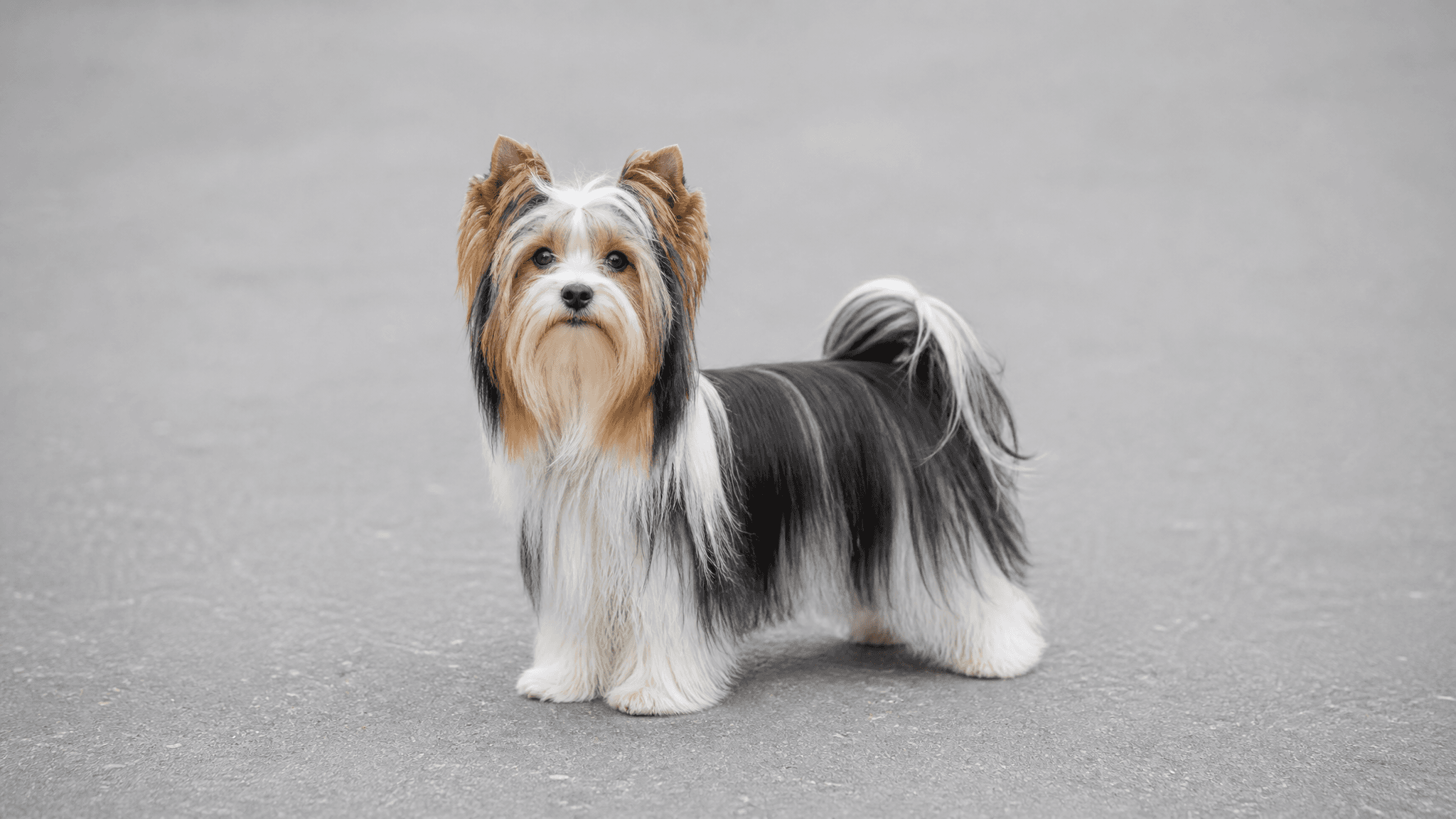
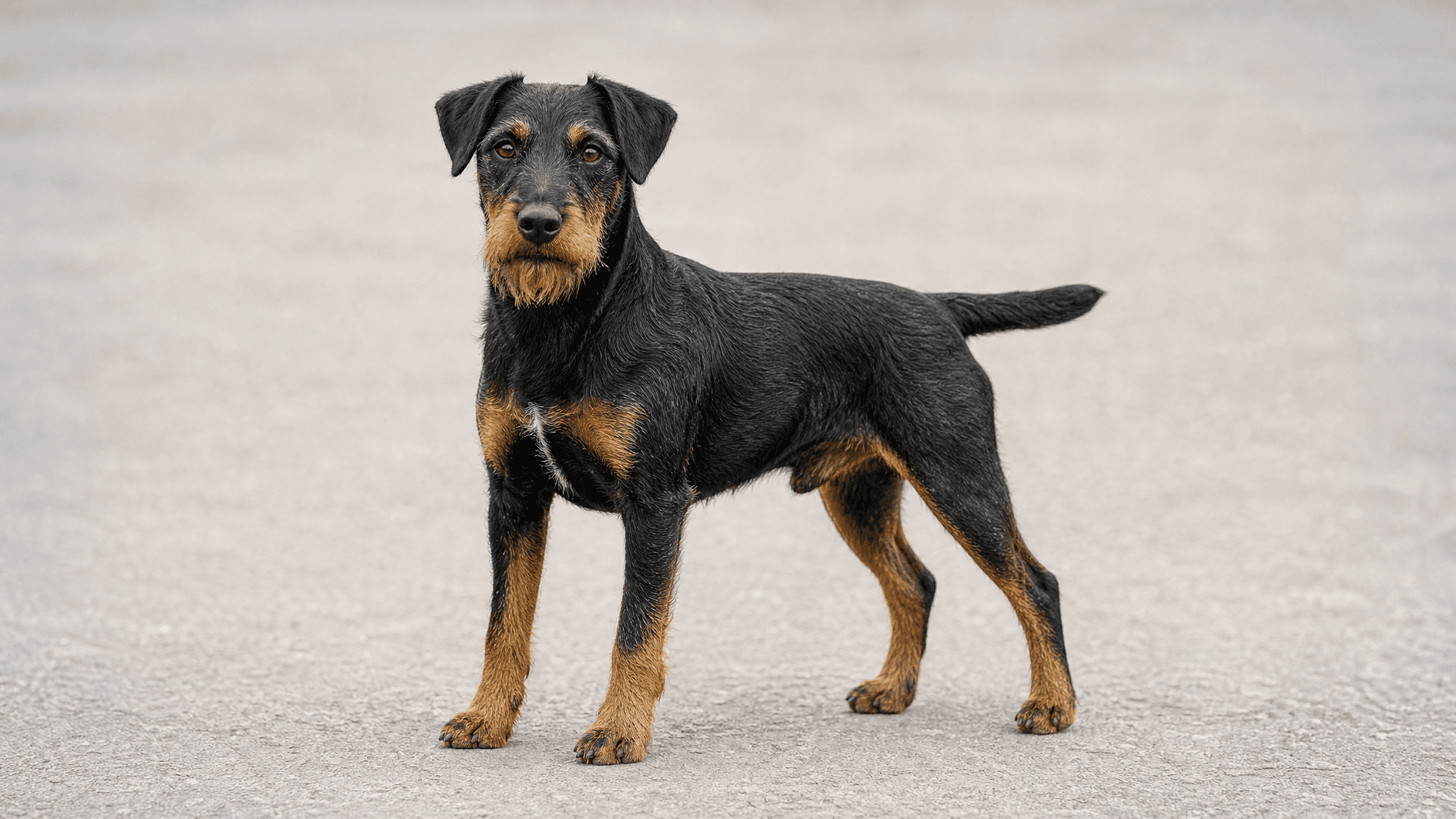
Dachshund

Summary
The Dachshund is one of the most recognizable and beloved breeds in the world — its elongated silhouette and short legs have made it a global cultural icon. Developed in Germany since the Middle Ages (documented records from the 16th century), it was systematically improved throughout the 18th and 19th centuries as a hunting dog for badger, fox, and rabbit, both above and below ground. Its breeders' organization — the Deutsche Teckel Klub e.V., founded in 1888 — is one of the oldest breed clubs in the world. The Dachshund exists in three sizes, each with three coat varieties, totaling nine varieties that coexist under the same standard.
Physical Characteristics
- Size
- Small to medium
- Height (male)
- 20–23 cm
- Height (female)
- 20–23 cm
- Weight (male)
- 7–15 kg
- Weight (female)
- 9–12 kg
- Life Expectancy
- 12–16 years
- Coat
- short, dense, shiny, and lying very close; firm skin
Temperament & Personality
The Dachshund is, in the FCI standard's own words, "intelligent, lively, courageous to the point of recklessness, obedient." It is a dog with an extraordinarily complex personality for its size: curious, determined, entertaining, and deeply loyal to its owner. It has a hunting and scenting instinct that never leaves it — it will follow a trail with absolute concentration that can make recall very difficult. It is vocal — it has a much deeper and more powerful voice than one would expect for its size. It is generally sociable with people but can be reserved with strangers. Its stubbornness, inherited from the independence needed to work alone in burrows, can make training challenging.
Activity & Exercise
- Energy Level
- Moderate to high
- Recommended Daily Exercise
- 30–60 minutes
- Suitable for Apartment
- Yes
Grooming & Care
- Grooming Needs
- Low
- Shedding
- Moderate
- Bathing Frequency
- Every 4–6 weeks
Health
- Common Health Issues
- 1. **Intervertebral Disc Disease (IVDD)** — The breed's most serious health problem
- Affects approx. 25% of Dachshunds over their lifetime
- The long spine predisposes to disc herniations that can cause paralysis
- Recommended Health Tests
- Cardiac evaluation in adults
- Eye examination
- Hip dysplasia screening (Standard)
- IVDD evaluation (in excellence breeders, there is screening by MRI)
Compatibility
- With Children
- Good
- With Other Dogs
- Good
- With Cats
- Moderate
- For First-Time Owners
- Acceptable
Is a Dachshund right for you?
A Dachshund may suit you if:
- You are prepared to offer 30 to 60 minutes of engaging daily exercise and mental challenges.
- You enjoy exploring the world with a curious companion who loves to follow interesting scents.
- You appreciate a dog with a complex, lively, and deeply loyal personality.
- You are patient and consistent, ready for training that harnesses their intelligence and strong will.
- You don't mind moderate shedding and are comfortable with low-maintenance grooming every 4 to 6 weeks.
- You are willing to manage a strong prey drive and a determined desire to dig and explore.
Think twice if:
- You expect unwavering, instant obedience in all situations, especially when an interesting scent is present.
- You plan to leave your dog alone for long periods each day without sufficient companionship.
- You are unwilling to supervise interactions with smaller pets or ensure respectful play with children.
- You are not prepared for daily walks of 30 to 60 minutes or moderate shedding.
- You do not have a securely fenced yard or are unprepared for their determined digging instincts.
- You are unable to consistently prevent jumping or manage a courageous, sometimes reckless, spirit.
Dachshunds are undeniably charming, offering immense loyalty and entertainment to the right family. While their intelligence and affection are boundless, they also possess a strong, independent spirit and a keen hunting drive. Living with a Dachshund means embracing their unique blend of courage and determination, understanding that their love is best earned through consistent guidance and a willingness to celebrate their quirky, complex personality.
Training a Dachshund
Dachshunds are bright and courageous, but their strong hunting instinct means they learn best with engaging, positive reinforcement. Keep training sessions short, fun, and varied to hold their attention. They thrive on praise and tasty treats. If training becomes repetitive or harsh, their inherent determination can quickly morph into stubbornness, making them resistant to commands. Consistency and patience are key to harnessing their intelligence without overwhelming their spirited nature.
Begin with:
- Attention and response to name around distractions
- Recall on a long line
- Loose-leash walking
- Leave it and drop it
- Calm greetings without jumping
- Settling on a mat or bed
- Cooperative handling for grooming, ears, feet and teeth
- Waiting at doors and gates
Scent and recall
Dachshunds were bred for hunting badgers and foxes, so their scenting instinct is incredibly powerful. Once they're on a trail, their focus is absolute, making recall very challenging. Start recall training in a quiet, enclosed area, using high-value treats and enthusiastic praise.
Gradually introduce distractions, always ensuring success before increasing difficulty. A long line is invaluable for safety and practice in open spaces, allowing them to explore scents while still being secured. Remember, patience is paramount; their nose is their world. You can find more tips on how to teach a dog to come when called here.
Leash pulling
Despite their small to medium size, Dachshunds are strong and determined, especially when a captivating scent pulls them. Their low-slung bodies can make them surprisingly effective at pulling, turning walks into a tug-of-war. Focus on teaching loose-leash walking from day one with positive reinforcement.
Use a comfortable harness that doesn't put pressure on their delicate necks. Reward heavily for walking beside you on a slack leash, even for a few steps. If they pull, stop walking immediately until the leash slackens, then continue. Consistency is vital to help them understand that pulling gets them nowhere. For more help, check out this guide on stopping leash pulling.
Boredom behaviors
Dachshunds are lively and intelligent, requiring their recommended 30-60 minutes of daily exercise and plenty of mental stimulation. If under-exercised, under-stimulated, or left alone for too long, they can become bored and express their frustration through unwanted behaviors like excessive barking, digging, or destructive chewing.
Provide puzzle toys, regular training sessions, and opportunities for safe sniffing walks to engage their keen minds and noses. A consistent routine and interactive play can help prevent these issues, ensuring your Dachshund remains a happy, well-adjusted companion. Consider using our training feature to help build a consistent routine.
Dachshund — Frequently Asked Questions
What is the biggest health risk for Dachshunds?
Intervertebral Disc Disease (IVDD) is the defining health challenge of the breed — Dachshunds' long spines and short legs put extreme pressure on their intervertebral discs. A disc herniation can cause sudden paralysis, and without emergency surgery, the damage can be permanent. Preventing this means no jumping on and off furniture (use ramps), no rough play that twists the back, maintaining a healthy weight, and carrying them under full body support rather than by the front legs.
Are Dachshunds stubborn, and how do you train them?
Dachshunds were bred to hunt independently underground, which means making their own decisions is hardwired — what looks like stubbornness is really self-sufficiency. They respond well to positive reinforcement with high-value treats (they're food-motivated) and short, engaging sessions. Boredom kills their focus fast, so keep training fun and varied. Patience and consistency are your best tools — punishment or repetitive commands don't work and often backfire.
Do Dachshunds bark a lot?
Dachshunds were bred to alert hunters when they'd cornered prey underground, and that loud, carry-everywhere bark is still very much present today. They bark at strangers, sounds, and often just for the sake of it. Early training to settle on command and adequate daily stimulation go a long way, but it's worth being realistic: Dachshunds are not a naturally quiet breed, and apartment neighbours will need managing expectations.
Are Dachshunds good apartment dogs?
Dachshunds can live well in apartments as long as you manage their barking (which can be an issue for neighbours), provide regular short walks, and use dog ramps or steps to prevent them jumping to and from furniture and beds. Their moderate exercise needs and compact size suit apartment life, but their vocal nature is the main hurdle. Ground-floor or soundproofed apartments are ideal, and investing in bark-training early makes a big difference.
What is the lifespan of a Dachshund?
Dachshunds are relatively long-lived, typically reaching 12–16 years. Their longevity depends heavily on back health management (preventing IVDD episodes through weight control and activity restrictions) and routine dental care, as small breeds accumulate tartar quickly. Dachshunds who reach their senior years without a serious IVDD episode and who maintain a healthy weight often live comfortably into their mid-teens.
Do Dachshunds come in different sizes, and does it matter?
Yes — Dachshunds come in two sizes (Standard and Miniature) and three coat types (Smooth, Long-haired, and Wire-haired). Standard Dachshunds weigh 7–14 kg; Miniatures weigh under 5 kg. Health concerns are similar across sizes, though Miniatures are slightly more prone to dental issues. The Wire-haired variety can have a slightly more feisty, terrier-like temperament compared to the calmer Long-haired type.
Are Dachshunds good with children?
Dachshunds can be wonderful family dogs with children who understand that their long back is a no-pick-up zone and that rough play can seriously injure them. They're playful, affectionate, and love being involved in family life. However, they can be snappy if startled or handled roughly, particularly around their back. Supervised, gentle interactions from early on — teaching children to play calmly — makes Dachshunds and children an excellent combination.
Do Dachshunds like digging, and how do I manage it?
Digging is in a Dachshund's DNA — they were literally bred to dig after prey underground. If you have a garden, expect digging to happen. The most effective management strategy is providing a designated digging spot (a sandpit or garden area they're allowed to excavate) rather than trying to stop the behaviour entirely. Burying toys or treats in their spot rewards the right place. Keeping them well-exercised and mentally stimulated reduces problem digging elsewhere.
Community
Talk to real Dachshund owners
This guide covers the breed on paper. In the app, the Dachshund community covers it in real life: photos from other owners, questions answered by people who live with the breed, and a directory of dogs you can browse.
- Photos & pollsSee what Dachshund owners are sharing today.
- Questions & answersAsk anything and hear from people who own one.
- Dog directoryBrowse Dachshunds from around the world.
You join automatically when you add a Dachshund to your profile.