Atlas Mountain Dog (Aidi)
Summary
The Aidi (or Aïdi) is a guard dog from the Atlas Mountains in North Africa, where it protects tents, flocks, and its nomadic families against jackals, mountain lions, and other predators. Despite its name once including "Atlas Shepherd Dog", it was never a shepherd dog — it is exclusively a guardian. It is the only native breed of Morocco recognised by the FCI.
Physical Characteristics
- Size
- Medium to large
- Height (male)
- 52–62 cm
- Height (female)
- 52–62 cm
- Weight (male)
- 20–30 kg
- Weight (female)
- 20–30 kg
- Life Expectancy
- 10–13 years
- Coat
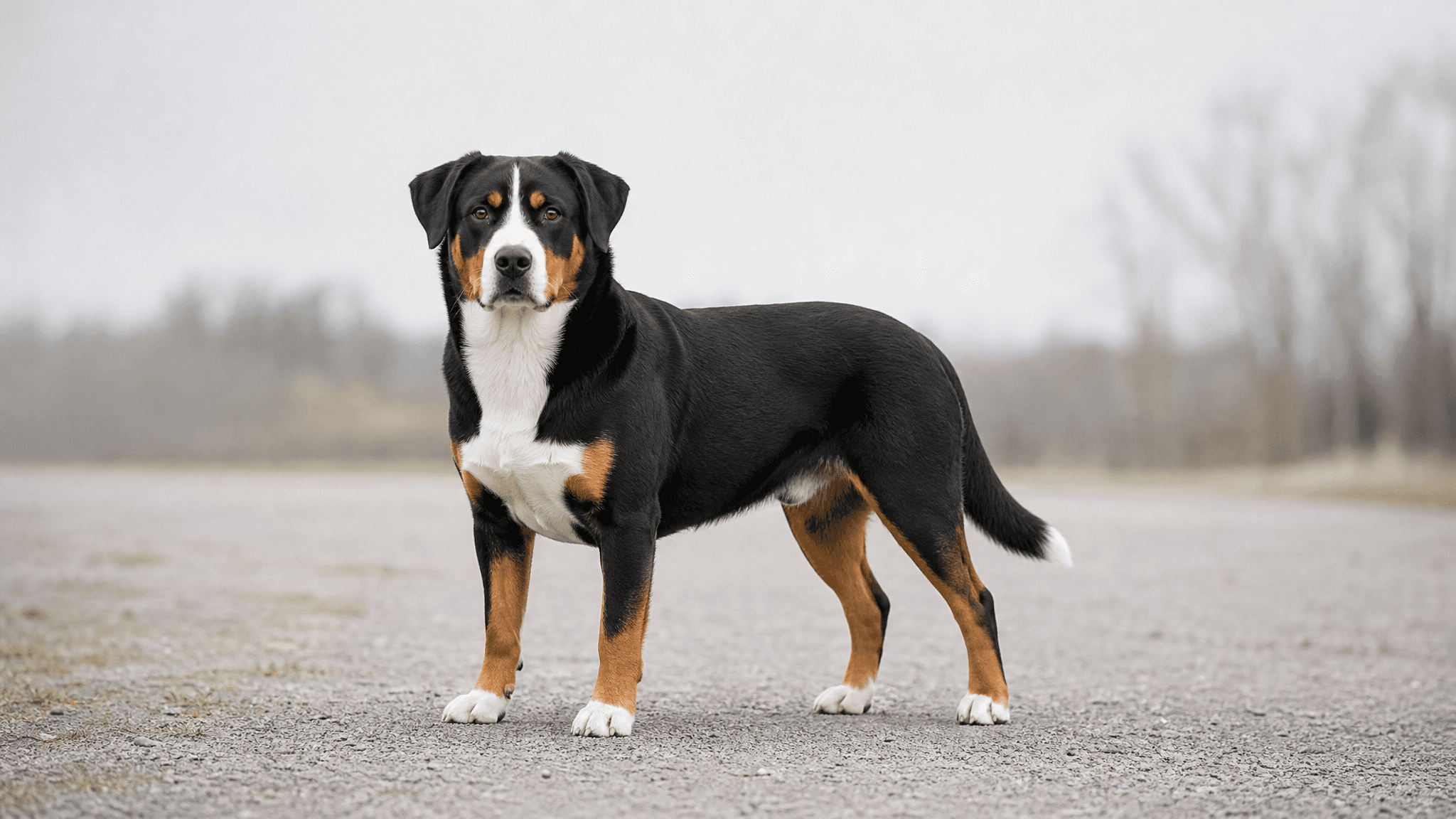
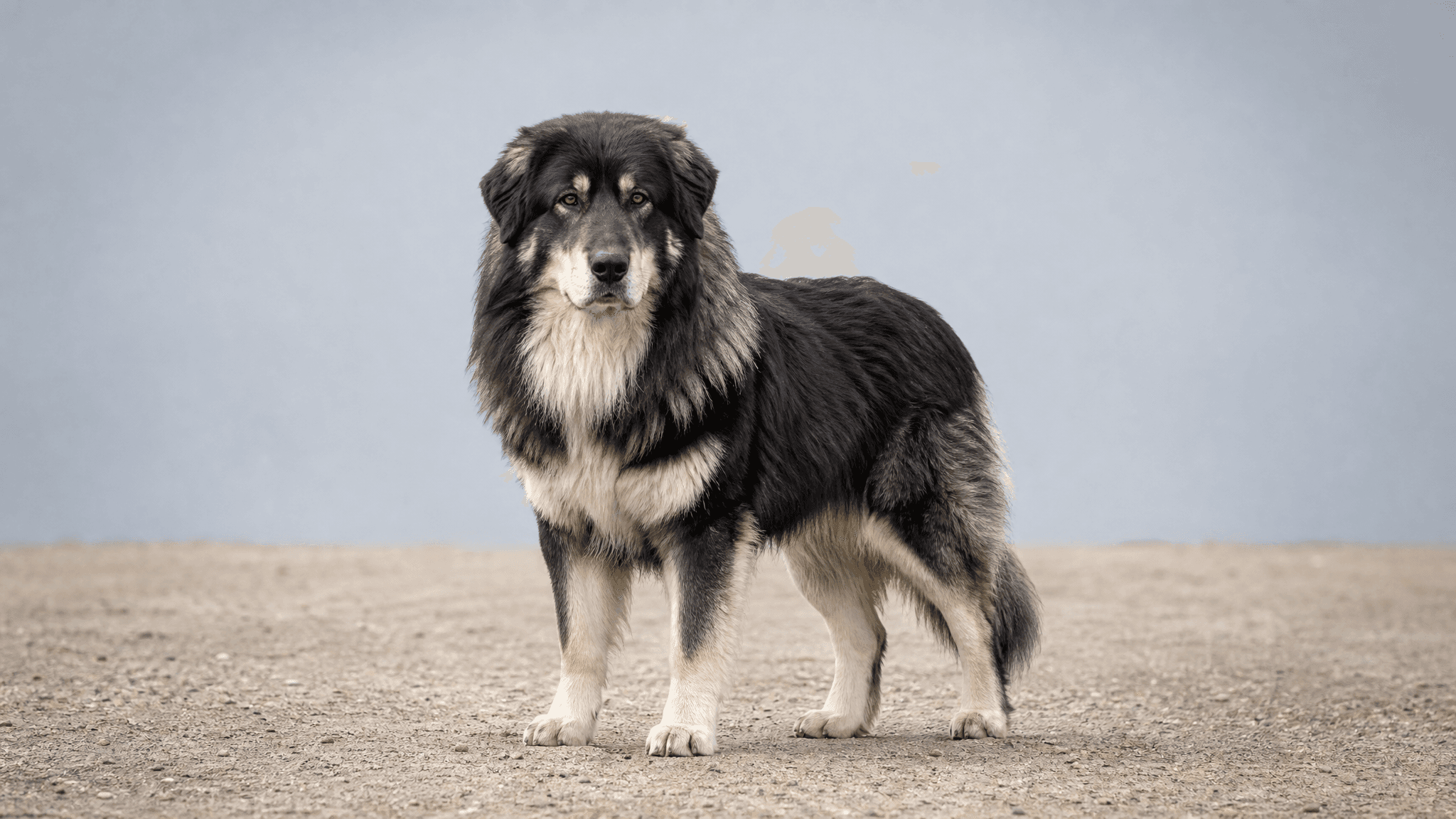
- Semi-long, dense, and coarse; forms a sort of mane around the neck
- Common Colors
- White, black and white, reddish-brown, brownish-fawn, black
Temperament & Personality
The Aidi is vigilant, active, and very determined in defending its territory. It is very loyal to its owner and family but naturally suspicious of strangers. It has very pronounced guarding instincts and a high energy level that needs to be managed with work or regular activity. In Morocco, it is frequently paired with the Sloughi in hunts: the Aidi finds the prey by scent and the Sloughi pursues it by speed.
Activity & Exercise
- Energy Level
- High
- Recommended Daily Exercise
- 90 minutes
- Suitable for Apartment
- Not recommended
Grooming & Care
- Grooming Needs
- Moderate
- Shedding
- Moderate to heavy
- Bathing Frequency
- Every 6–8 weeks
Health
- Common Health Issues
- Generally very healthy (working breed)
- Occasional hip dysplasia
- Recommended Health Tests
- Orthopedic evaluation
Compatibility
- With Children
- Moderate
- With Other Dogs
- Moderate
- With Cats
- Can be difficult
- For First-Time Owners
- Not recommended
Is an Atlas Mountain Dog (Aidi) right for you?
An Atlas Mountain Dog (Aidi) may suit you if:
- You can commit to at least 90 minutes of vigorous daily activity to satisfy their high energy and sharp mind.
- You enjoy an active, outdoor lifestyle, perhaps with scent work or territory patrols, where their guarding instincts can be channeled.
- You appreciate a vigilant, loyal companion who is deeply devoted to their family but naturally reserved with new faces.
- You are prepared to invest in consistent, firm, and positive training from a young age, understanding they are not for first-time owners.
- You are willing to manage moderate to heavy shedding and regularly brush their dense, semi-long coat, especially around their neck's mane.
- You are ready to manage a dog with strong territorial and guarding instincts, ensuring they are properly socialized and contained.
Think twice if:
- You expect immediate, unquestioning obedience from a dog, as their independent and determined nature requires patient guidance.
- You have a busy schedule that often leaves a dog home alone for long hours, which this active and vigilant breed cannot tolerate.
- You are seeking a dog that will effortlessly integrate with cats or very young children, as their guarding instincts need careful management.
- You are unwilling to provide daily rigorous exercise or commit to regular grooming for a dog with a dense coat and high energy.
- You live in an apartment or lack a securely fenced outdoor space, which is unsuitable for this medium to large, territorial guardian.
- You are not prepared for the consistent, experienced handling required to guide a strong-willed, high-energy adolescent dog.
Living with an Aidi is a deeply rewarding experience for the right person, offering unwavering loyalty and a vigilant presence. However, their strong guarding instincts and high energy demand a dedicated owner who understands their needs for consistent training, ample exercise, and secure boundaries. They thrive when given a purpose, but without it, their protective nature can become challenging.
Training an Atlas Mountain Dog (Aidi)
The Atlas Mountain Dog, or Aidi, is a highly intelligent and fiercely loyal companion, but their strong guarding instincts mean they learn best with a clear, consistent, and positive approach. They thrive on short, engaging training sessions that leverage their determination and deep bond with their family. Motivation comes from praise, play, and high-value treats, making training a rewarding experience for both of you. Inconsistency, harsh methods, or a lack of mental and physical stimulation will quickly lead to frustration and undesirable behaviours in this vigilant and active breed, making early and consistent training crucial for a well-adjusted companion.
Begin with:
- Attention and response to name around distractions
- Recall on a long line
- Loose-leash walking
- Leave it and drop it
- Calm greetings without jumping
- Settling on a mat or bed
- Cooperative handling for grooming, ears, feet and teeth
- Waiting at doors and gates
Managing Guarding Instincts
The Aidi's pronounced guarding instincts, developed over centuries protecting flocks and families, mean they are naturally suspicious of strangers. While this makes them excellent protectors, it can also lead to reactivity if not managed. Early and extensive positive socialization is key: introduce your Aidi to a wide variety of people, sounds, sights, and environments from a young age, always ensuring these experiences are positive and calm. Reward calm behaviour around new people and situations.
It's important to teach your Aidi that not every new person or sound is a threat. Work on a 'settle' command in the presence of mild distractions and practice polite greetings. If you're finding it challenging to manage their guarding tendencies, our Behaviour AI feature can offer insights and help you work through specific behaviours with expert guidance.
Leash Manners
Given the Aidi's medium to large size (20-30 kg) and high energy level, a strong puller can quickly make walks unpleasant and even unsafe. Loose-leash walking should be a priority from day one. Start in a low-distraction environment and gradually increase the challenge. Use positive reinforcement to reward your Aidi for walking politely by your side, stopping if they pull and only moving forward when the leash slackens.
Consistency is paramount. Everyone who walks your Aidi needs to use the same techniques. Consider a front-clip harness for better control during the learning phase. For a comprehensive approach, check out our guide on stopping leash pulling – the principles apply to adult dogs too, though it might take a bit more patience.
Energy Management
The Aidi has a high energy level and requires a minimum of 90 minutes of exercise daily. Without adequate physical and mental stimulation, this determined and active breed can become bored, destructive, or develop unwanted behaviours. They are not recommended for apartment living and thrive in homes with secure outdoor space where they can expend some of their energy.
Beyond physical exercise, engage your Aidi's keen mind with puzzle toys, scent work, and training sessions. Regular, structured activity is crucial for their well-being and helps prevent issues stemming from pent-up energy. Make sure you're consistently meeting their needs; you can even track your walks to ensure they're getting enough activity each day.
Atlas Mountain Dog (Aidi) — Frequently Asked Questions
What is the Aïdi (Atlas Mountain Dog)?
The Aïdi (also written Aidi, or known as the Chien de l'Atlas or Atlas Mountain Dog) is an ancient North African livestock guardian and hunting dog originating from the Atlas Mountain regions of Morocco, Algeria, and Tunisia. They have a history spanning centuries as protectors of flocks — defending sheep, goats, and their owners against predators including jackals, foxes, and wildcats in the rugged mountain terrain. They are medium-to-large, powerfully built, with a thick, dense double coat that protects them from the harsh mountain climate. Common colours include fawn, red-brown, black and white, and tricolour. In character they are alert, energetic, protective, loyal, independent, and instinctively suspicious of strangers — true working guardians.
Are Aïdi dogs good family pets?
Aïdi dogs can be deeply loyal and protective family companions in the right home, but they are definitively not a breed for inexperienced owners. They form strong bonds with their family — particularly adults — and are devoted protectors. They can be good with children they are raised with but their size and guarding instincts mean supervision is always important. They are highly suspicious of strangers and have strong territorial guarding instincts — making them excellent estate guardians but requiring careful, consistent management with visitors. They need large amounts of exercise and space. Early and ongoing socialisation is critical. For experienced, active owners who understand working guardian breeds and can provide firm, patient leadership, they are exceptional companions.
How much exercise does an Aïdi need?
Aïdi dogs need 1.5–2 hours of vigorous daily exercise. They are mountain working dogs with extraordinary stamina, bred to patrol and guard rugged terrain continuously. Long hikes, off-leash running in large secure areas, herding activities, and tracking all suit them. They need space — a large, securely fenced outdoor area is essential; they are not suited to apartment living or small homes without outdoor space. Their exercise needs are not just physical — they need to fulfil their instinctive patrolling and guarding drive through movement and territory. Without adequate daily exercise and territory to manage, they become restless, frustrated, and may develop excessive guarding behaviour. Rural and large suburban properties suit them best.
Are Aïdi dogs easy to train?
Aïdi dogs are intelligent but strongly independent. Like other livestock guardian breeds, they were developed to make autonomous decisions without human direction — this independence is not disobedience but deeply embedded working functionality. They respond to calm, consistent, patient handling from an owner they respect. They do not respond well to harsh, confrontational, or forceful methods — these provoke distrust. Training results in basic obedience and household manners are achievable with persistence. Their guarding behaviour is natural and instinctive and cannot be fully trained away — management and socialisation are the keys to living successfully with an Aïdi. Professional guidance from a trainer experienced with livestock guardian breeds is strongly recommended for first-time Aïdi owners.
What health issues affect Aïdi dogs?
Aïdi dogs are generally a robust, healthy primitive breed. Their relative rarity outside North Africa means comprehensive health data is limited, but documented concerns include hip dysplasia — OFA screening is recommended for breeding stock. Eye conditions have been noted. Ear infections can occur. Their thick coat needs regular grooming maintenance to prevent skin problems underneath — particularly in humid climates. Maintaining a healthy, lean weight is important to protect their joints and support longevity. Annual vet check-ups and attention to dental health are recommended. Their primitive constitution and working-dog heritage generally supports good health and robustness compared to many highly refined breeds.
How long do Aïdi dogs live?
Aïdi dogs have an average lifespan of 12–15 years — good for a medium-to-large working breed. Their primitive constitution and working-dog heritage supports good longevity. Key longevity factors include hip screening of breeding stock, daily vigorous exercise (maintaining good muscle mass and cardiovascular health), maintaining a lean, healthy weight throughout life, regular coat maintenance (to prevent skin issues under their dense coat), annual vet check-ups, dental care, and protecting them from extreme heat (their thick mountain-adapted coat makes them vulnerable to overheating in hot climates). Aïdis who remain active, engaged, and at healthy weight with consistent veterinary care commonly live well into their early-to-mid teens.
What is the Aïdi's traditional role in North Africa?
The Aïdi's traditional role is as a multi-purpose working dog in the Atlas Mountain communities of North Africa. Their primary function was livestock protection — guarding flocks of sheep and goats against predators including jackals, foxes, and wildcats in the rugged mountain terrain. Unlike the solitary vigil of many European LGDs, Aïdis often worked in partnership with the Sloughi (a North African sighthound) — the Aïdi would detect and confront threats, and the Sloughi would pursue and catch fleeing prey. They also served as camp guardians for nomadic Berber families, alerting to strangers and intruders. Their combination of scenting ability, physical power, courage, and alertness made them extraordinarily effective in this demanding environment.
What does an Aïdi look like?
The Aïdi is a medium-to-large, well-muscled, powerful dog with a bear-like head and alert expression. They typically stand 52–62 cm tall and weigh 25–30 kg. Their most notable feature is their thick, dense double coat — the outer coat is coarse and stands slightly off the body; the undercoat is dense and woolly, providing exceptional insulation in mountain conditions. Common colours include white, fawn, red, black, and tricolour combinations. The head is broad with a slightly tapered muzzle and medium-sized, almond-shaped eyes in amber or brown. The tail is feathered and carried either down or in a curve over the back. Their overall impression is one of power, alertness, and rugged working utility.
Community
Talk to real Atlas Mountain Dog (Aidi) owners
This guide covers the breed on paper. In the app, the Atlas Mountain Dog (Aidi) community covers it in real life: photos from other owners, questions answered by people who live with the breed, and a directory of dogs you can browse.
- Photos & pollsSee what Atlas Mountain Dog (Aidi) owners are sharing today.
- Questions & answersAsk anything and hear from people who own one.
- Dog directoryBrowse Atlas Mountain Dog (Aidi)s from around the world.
You join automatically when you add a Atlas Mountain Dog (Aidi) to your profile.