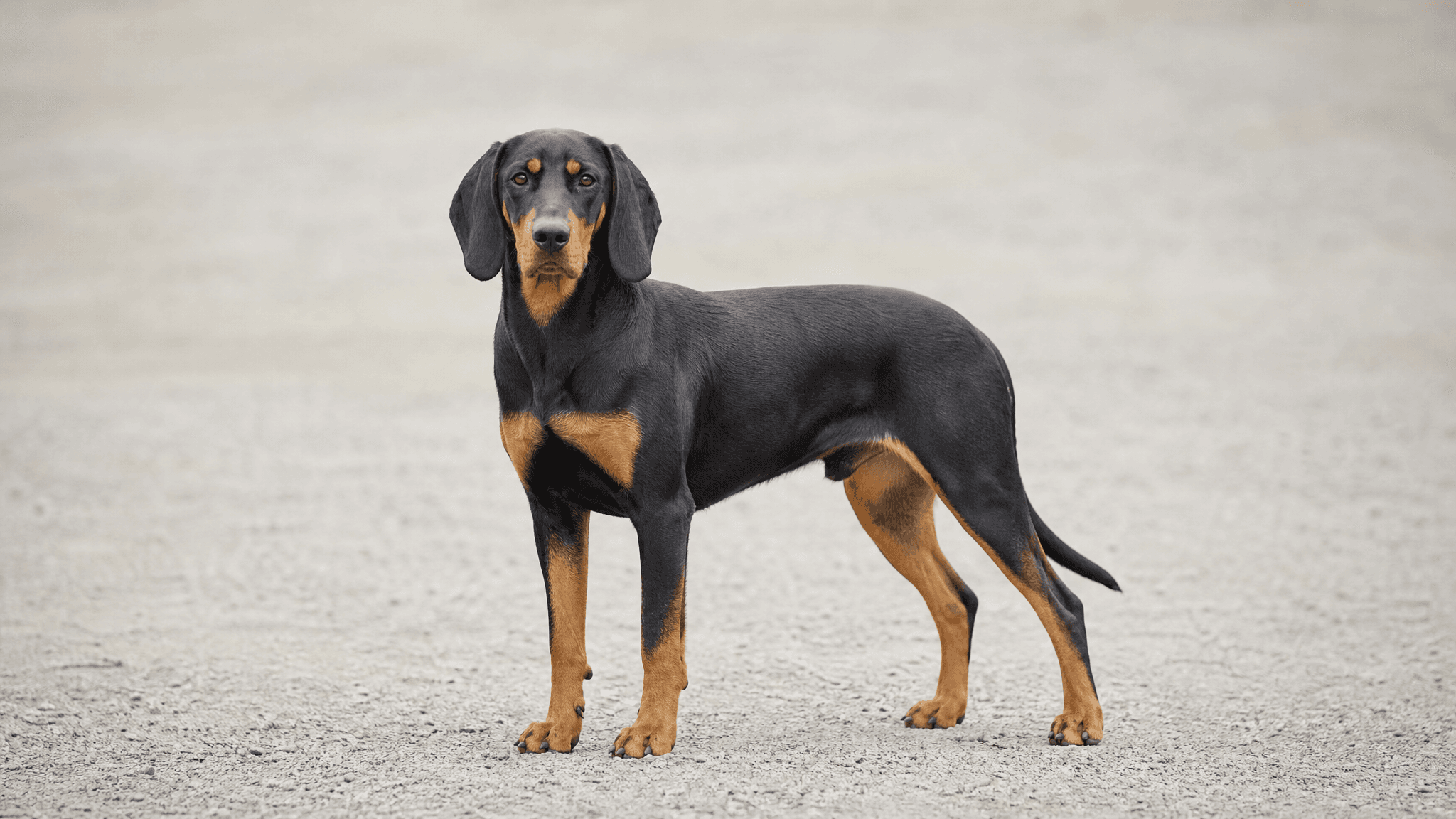
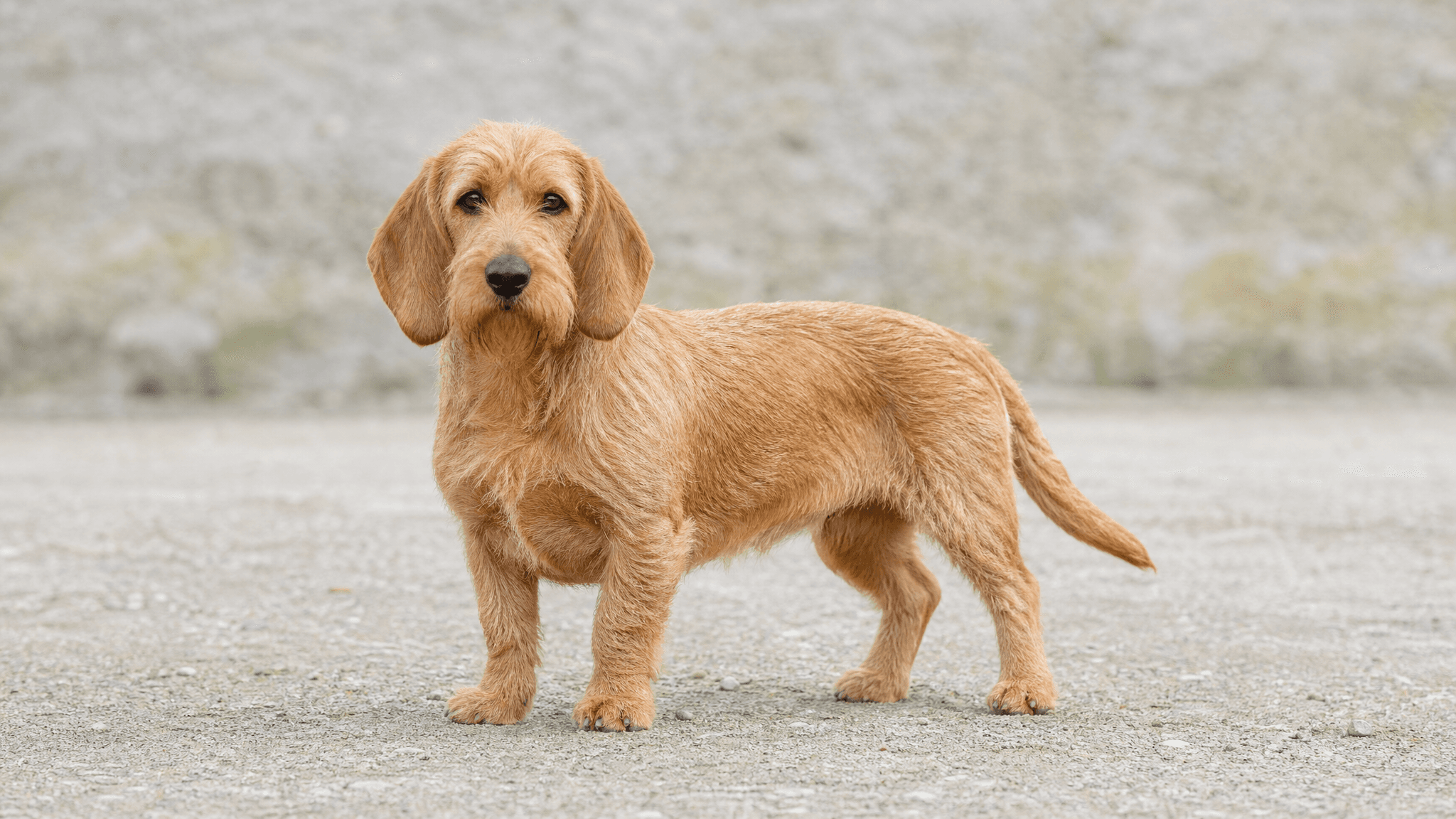
Alpine Dachsbracke
Summary
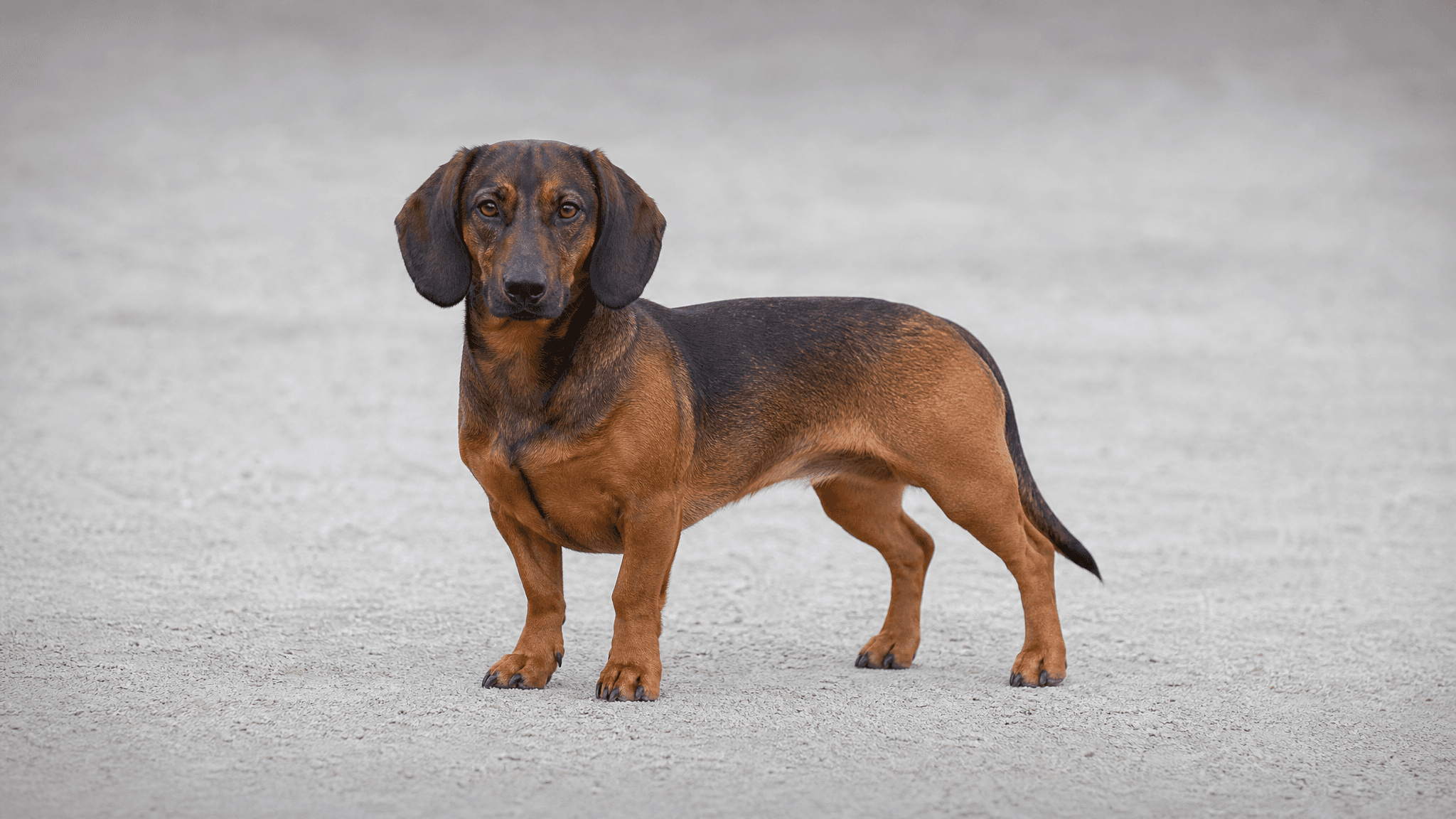
The Alpine Dachsbracke (Alpenländische Dachsbracke) is a short-legged scent hound from the Austrian Alps, developed for tracking wounded animals in mountainous terrain of difficult access. It combines the characteristics of a tracking scent hound with the short-legged physique that allows it to work in the most rugged alpine terrain. It was declared an Austrian national breed by Prince Rudolf of Austria in the late 19th century.
Physical Characteristics
- Size
- Small
- Height (male)
- 34–42 cm
- Height (female)
- 32–40 cm
- Weight (male)
- 15–18 kg
- Weight (female)
- 13–15 kg
- Life Expectancy
- 12 years
- Coat
- Double — soft and dense undercoat; short, very dense, and harsh outer coat
- Common Colors
- Dark fawn to red (Rehbraun) with black markings, or black with tan markings
Temperament & Personality
The Alpine Dachsbracke is a courageous, friendly, and well-balanced dog. It is compact enough to be a good companion dog at home, but needs adequate physical and mental stimulation. It is very loyal to its owner and works well both alone and in small groups.
Activity & Exercise
- Energy Level
- High
- Recommended Daily Exercise
- 60 minutes
- Suitable for Apartment
- Yes with exercise
Grooming & Care
- Grooming Needs
- Low
- Shedding
- Moderate
- Bathing Frequency
- Every 4 weeks
Health
- Common Health Issues
- Hip dysplasia
- Otitis
- Spinal problems
- Recommended Health Tests
- Orthopedic evaluation
Compatibility
- With Children
- Excellent
- With Other Dogs
- Good
- With Cats
- Good
- For First-Time Owners
- Acceptable
Is an Alpine Dachsbracke right for you?
An Alpine Dachsbracke may suit you if:
- You are prepared to provide at least sixty minutes of vigorous daily exercise and engaging mental stimulation.
- You enjoy outdoor adventures, especially tracking activities or exploring rugged, natural environments.
- You appreciate a loyal, courageous, and well-balanced companion dog who thrives on close interaction.
- You are committed to consistent, positive training that channels their intelligent scent hound instincts purposefully.
- You are comfortable with moderate shedding and occasional bathing every four weeks for their dense double coat.
- You are willing to manage their strong independent scent drive and provide outlets for their natural tracking abilities.
Think twice if:
- You expect unwavering obedience from a dog with a strong, independent scent hound drive.
- You have a routine that leaves a dog alone for long periods without adequate mental or physical engagement.
- You are not prepared to manage a scent hound's potential prey drive around smaller, non-canine pets.
- You are unwilling to commit to their daily sixty minutes of vigorous exercise or manage their moderate shedding.
- You do not have a securely fenced yard or are unprepared for diligent leash walking in open areas.
- You are not prepared for the consistent guidance needed during their energetic and curious adolescent phase.
The Alpine Dachsbracke is a truly special companion, offering immense loyalty and a friendly spirit. While compact and adaptable to apartment living with sufficient activity, their high energy and keen scent hound instincts mean they thrive with active engagement. Living with an Alpine Dachsbracke means embracing their adventurous spirit and providing consistent outlets for their intelligence, ensuring a deeply rewarding partnership for the right owner.
Training an Alpine Dachsbracke
Your Alpine Dachsbracke is a bright, loyal companion eager to please, especially when their keen nose is involved! These courageous scent hounds thrive on positive reinforcement, so short, engaging training sessions filled with tasty treats and exciting games will yield the best results. Keep things fun and varied to maintain their focus. If training becomes repetitive or harsh, their well-balanced nature might lead to disengagement or stubbornness, as they respond best to clear, consistent guidance and a strong, trusting bond with their beloved owner.
Begin with:
- Attention and response to name around distractions
- Recall on a long line
- Loose-leash walking
- Leave it and drop it
- Calm greetings without jumping
- Settling on a mat or bed
- Cooperative handling for grooming, ears, feet and teeth
- Waiting at doors and gates
Recall and prey drive
As a dedicated scent hound bred for tracking, your Alpine Dachsbracke possesses an incredibly strong prey drive and a nose that will lead them on adventures! This means that once they've caught a scent, their focus can be completely consumed, making recall a significant challenge. Start recall training in a quiet, enclosed area with high-value treats and gradually introduce distractions.
Always use a long line in unfenced areas until their recall is rock-solid, as their instinct to follow a trail can override even the best training. Consistent practice and making yourself more exciting than any scent will be key to building a reliable recall. For more detailed guidance, check out our guide on how to teach a reliable recall.
Leash pulling
Despite their small size (typically 13-18 kg), Alpine Dachsbrackes are strong and determined. Their powerful scenting ability means they'll want to pull you along to investigate every interesting smell, making loose-leash walking a common hurdle. Early and consistent training is crucial to teach them that walking politely by your side is more rewarding than tugging.
Use positive reinforcement, rewarding them generously when the leash is slack. Avoid pulling back or yanking, as this can make them pull harder. Focus on short, frequent walks in varied environments, and consider using a front-clip harness for better control. You can find more tips on how to stop leash pulling in our blog.
Destructive boredom
The Alpine Dachsbracke has a high energy level and needs adequate physical and mental stimulation. If they don't get their recommended 60 minutes of daily exercise and enough mental engagement, they can become bored and channel their energy into undesirable behaviours like chewing furniture, digging, or excessive barking. They are courageous and well-balanced, but boredom can lead to frustration.
Ensure their daily exercise needs are met with vigorous walks, playtime, and opportunities for scent work, which taps into their natural instincts. Incorporate puzzle toys, training sessions, and interactive games into their routine. A well-exercised and mentally stimulated Alpine Dachsbracke is a happy and well-behaved companion. Our training feature can help you build a consistent routine to keep them engaged.
Alpine Dachsbracke — Frequently Asked Questions
What is the Alpine Dachsbracke?
The Alpine Dachsbracke (Alpenländische Dachsbracke) is a robust, short-legged Austrian scent hound developed in the 19th century to track wounded game across the steep terrain of the Alpine mountains. Despite its Dachshund-like build, it is not a true Dachshund — it belongs to the scent hound group and was bred specifically for its ability to work tenaciously in high-altitude, cold, and rocky conditions. It is recognised by the FCI as an Austrian breed and is highly prized among Central European hunters.
What was the Alpine Dachsbracke originally bred for?
The Alpine Dachsbracke was originally developed as a tracking hound for wounded large game — particularly deer, wild boar, and chamois — in the challenging terrain of the Austrian Alps. Its short legs allowed it to work in dense undergrowth and narrow mountain passages where taller hounds struggled. Emperor Franz Joseph II of Austria favoured the breed on his hunting trips, which significantly boosted its reputation. Today, it is still primarily a working hunting dog, prized for its scenting ability, cold nose, and determination on long trails.
How much exercise does an Alpine Dachsbracke need?
The Alpine Dachsbracke is an active, working breed with real stamina and needs at least 60–90 minutes of exercise per day. Despite its short legs, it is not a lap dog — it was bred to work all day in mountain terrain. Long walks, hikes, and off-lead sniffing sessions in natural environments are ideal. Without sufficient daily activity, it can become restless and vocal. It thrives with purpose — scent games, tracking exercises, and varied outdoor adventures keep it mentally and physically satisfied.
Is the Alpine Dachsbracke a good family dog?
The Alpine Dachsbracke can make a good family companion, particularly in active, outdoor-oriented households. It is generally good-natured, affectionate with its family, and tolerant of children when raised with them. As a scent hound, it has a strong hunting instinct and excellent nose, so a securely fenced garden is essential. It typically gets along well with other dogs, especially if socialised early. It is best suited to families who can provide consistent outdoor exercise and genuinely enjoy spending time in nature.
Is the Alpine Dachsbracke easy to train?
The Alpine Dachsbracke is intelligent and willing, but it has the independent mindset typical of scent hounds — once it catches a scent, concentration on commands can vanish. Positive reinforcement with food rewards works well, and training should begin from an early age. Recall training requires special attention and patience, and off-lead freedom should always be in a secured area until reliable recall is established. It is not the easiest breed for first-time dog owners, but experienced handlers find it a rewarding and capable dog.
What health issues are common in the Alpine Dachsbracke?
The Alpine Dachsbracke is generally a hardy, healthy breed with no extreme hereditary conditions. Its long back relative to its leg length means intervertebral disc disease (IVDD) is a concern — similar to Dachshunds. Owners should avoid letting the dog jump from heights and provide ramps where needed. Hip dysplasia can occur at low rates. Ear infections may arise due to the floppy ears trapping moisture. Regular vet check-ups, a healthy weight, and careful management of spinal stress are the main care priorities.
What is the Alpine Dachsbracke's coat like and how do you groom it?
The Alpine Dachsbracke has a dense, short, hard topcoat with a thick undercoat, designed to withstand the cold and wet conditions of mountain hunting. Its coat is primarily dark deer red or black with tan markings. Grooming is straightforward — a weekly brushing with a stiff bristle brush keeps the coat in good condition and removes loose hair. They shed moderately year-round with heavier shedding during seasonal coat changes. Ears should be checked regularly for signs of moisture or infection. Bathing is needed only occasionally.
What is the typical lifespan of an Alpine Dachsbracke?
The Alpine Dachsbracke typically lives between 12 and 14 years, which is a good lifespan for a medium-small working breed. Their hardy constitution, developed through centuries of demanding working conditions, contributes to their relative health and longevity. The most important factors for a long, healthy life are maintaining a lean body weight (obesity greatly stresses their long spines), providing sufficient daily exercise, and managing spinal health through careful handling. Regular preventive vet care and dental hygiene round out good long-term care.
Community
Talk to real Alpine Dachsbracke owners
This guide covers the breed on paper. In the app, the Alpine Dachsbracke community covers it in real life: photos from other owners, questions answered by people who live with the breed, and a directory of dogs you can browse.
- Photos & pollsSee what Alpine Dachsbracke owners are sharing today.
- Questions & answersAsk anything and hear from people who own one.
- Dog directoryBrowse Alpine Dachsbrackes from around the world.
You join automatically when you add a Alpine Dachsbracke to your profile.