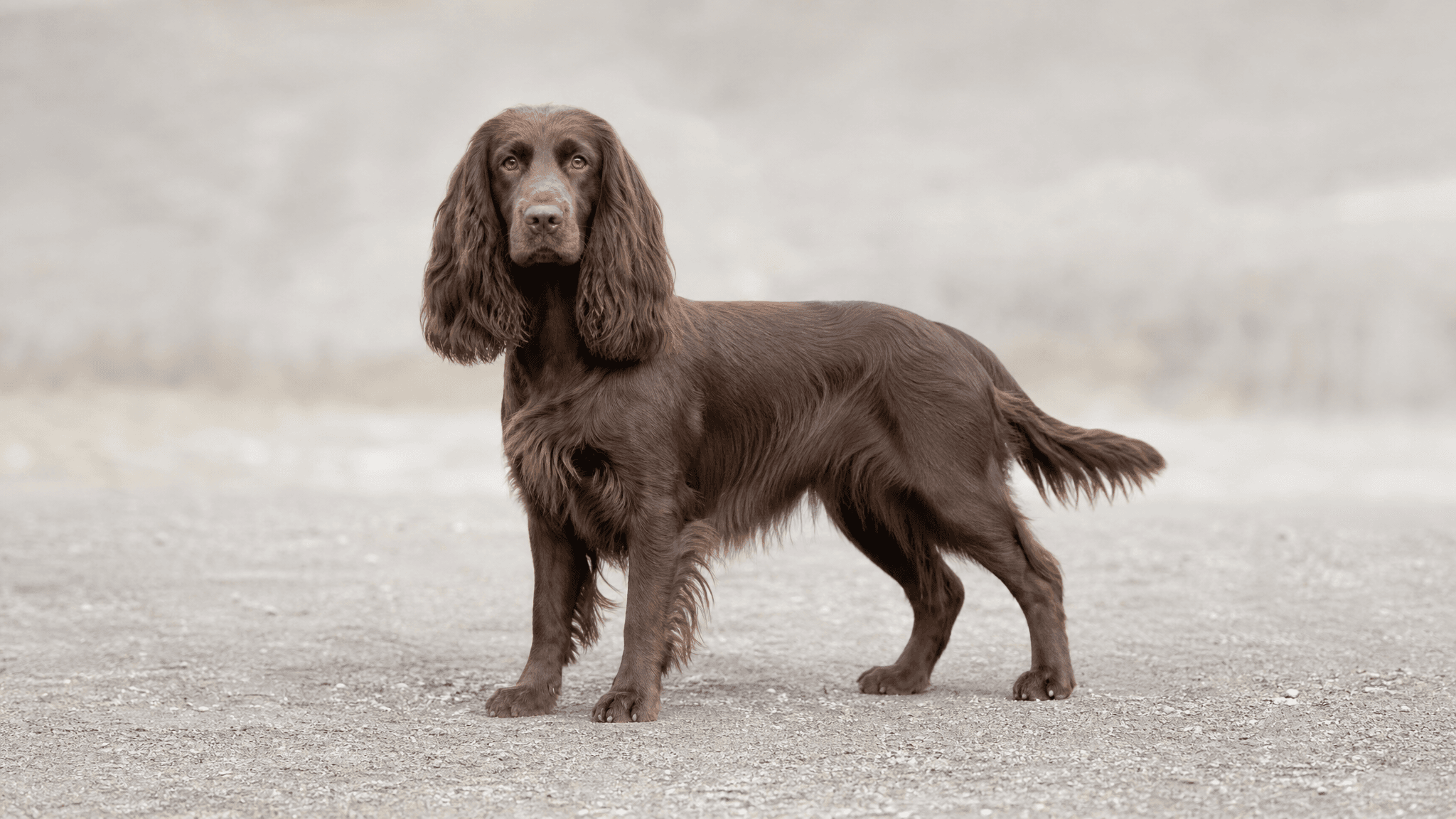
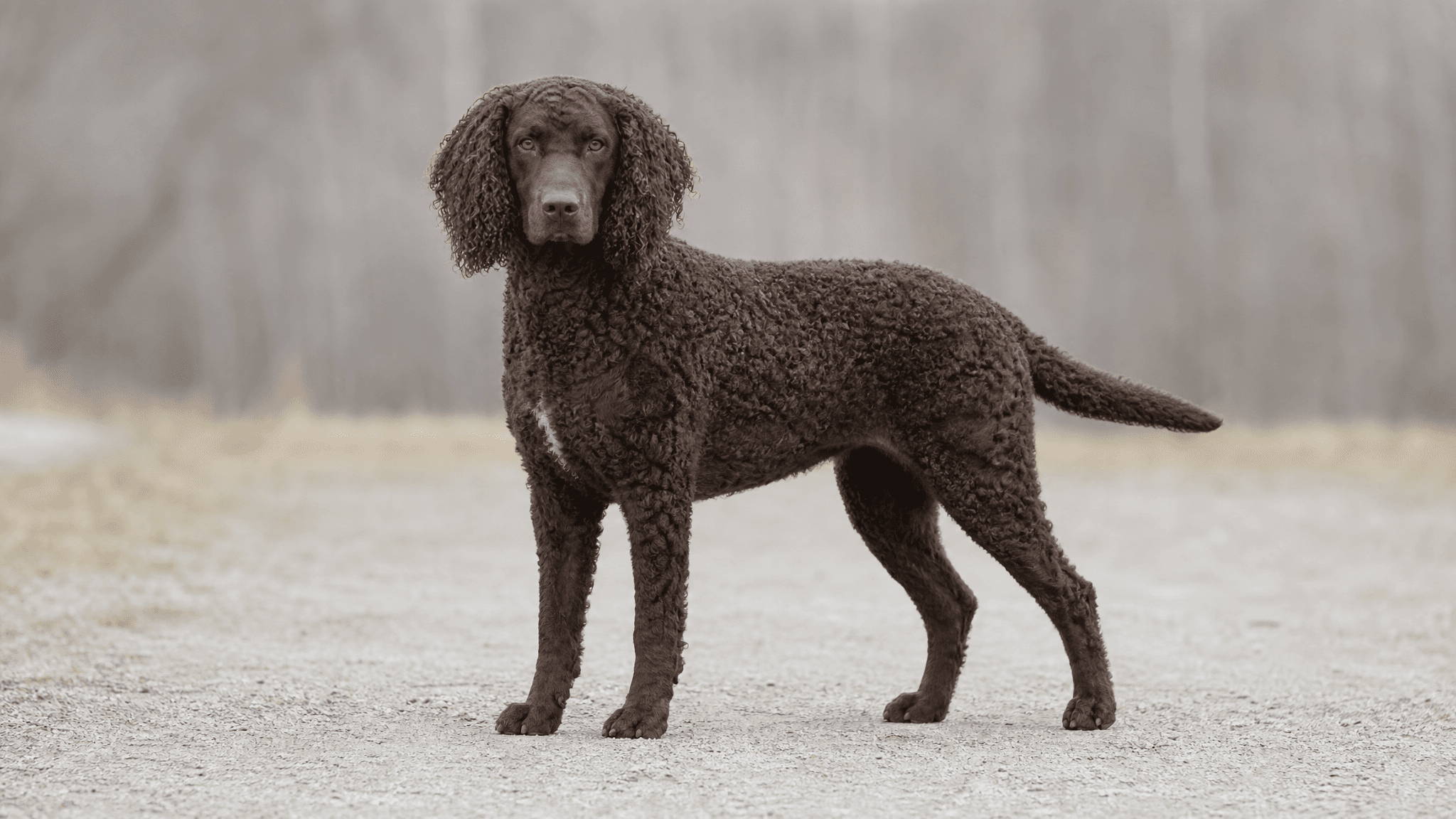
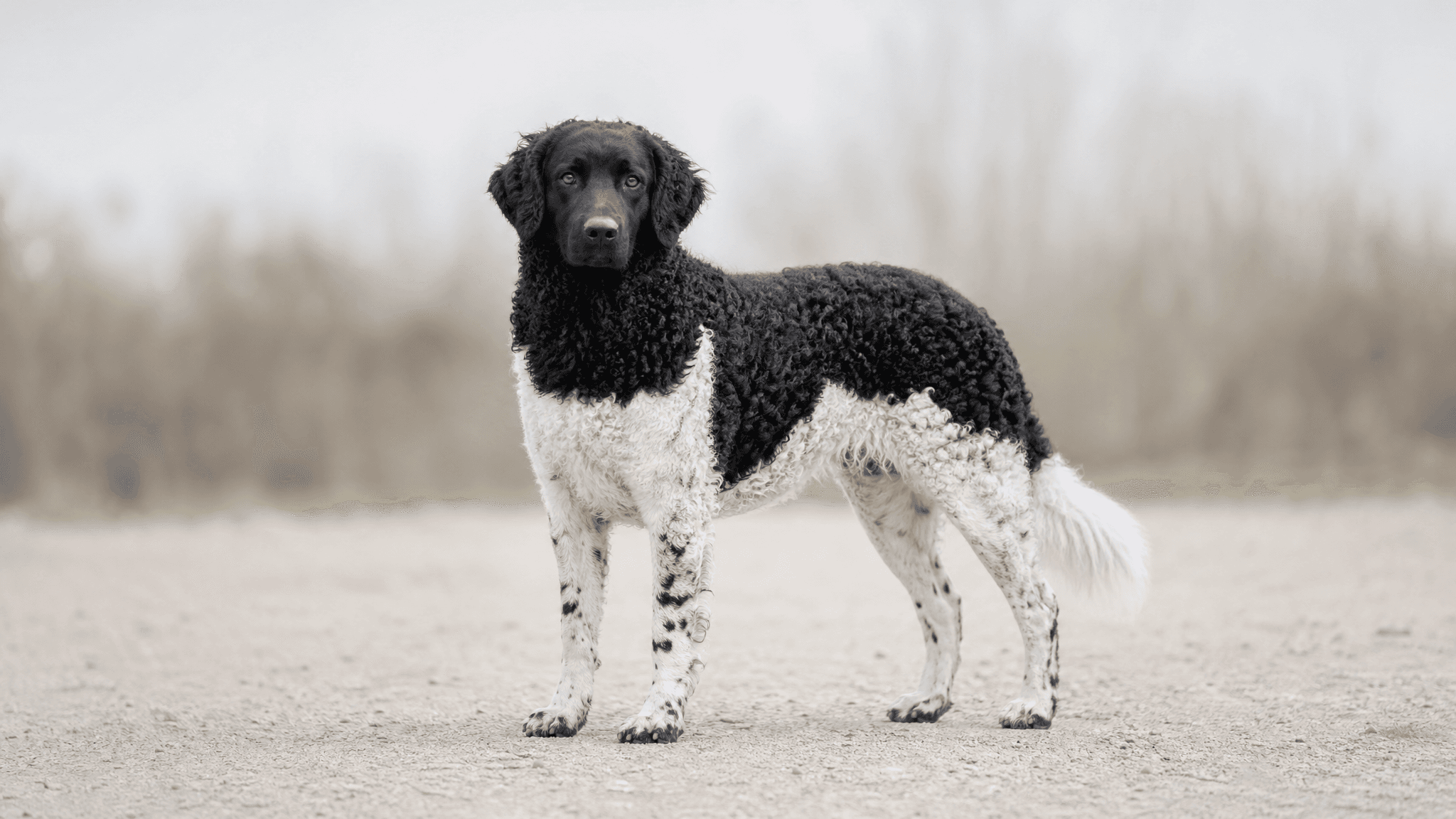
Wetterhoun
Summary
The Wetterhoun (in Frisian, "water dog") is an ancient breed from the province of Frisia in the Netherlands, developed several centuries ago to hunt otters in Frisian canals — a task that requires courage, determination, and great resistance to cold and water. After the otter became a protected species, the breed adapted to hunting small terrestrial mammals and guarding farms. It is one of the rarest and least known breeds outside the Netherlands.
Physical Characteristics
- Size
- Medium
- Height (male)
- 55–59 cm
- Height (female)
- 53–55 cm
- Weight (male)
- 25–35 kg
- Weight (female)
- 25–35 kg
- Life Expectancy
- 12–13 years
- Coat
- Curly, dense, with a slightly oily texture that provides waterproofing; firm, tight curls throughout the body except on the head and legs
- Common Colors
- Solid black, solid brown, bicolor (black and white, brown and white) or tricolor with tan markings
Temperament & Personality
The Wetterhoun is a courageous, determined dog with a pronounced guarding instinct and great loyalty to its family. It is suspicious of strangers — a characteristic deeply rooted in its original functions of guarding farms and boats. It can be stubborn and dominant, needing an experienced and firm owner who establishes clear leadership from an early age. With its family, it is affectionate and devoted, rarely straying from the owner's side.
Activity & Exercise
- Energy Level
- High
- Recommended Daily Exercise
- 60–90 minutes
- Suitable for Apartment
- Not recommended
Grooming & Care
- Grooming Needs
- Low to moderate
- Shedding
- Moderate
- Bathing Frequency
- Every 3–4 weeks
Health
- Common Health Issues
- Epilepsy
- Hip dysplasia
- The breed is considered generally robust and healthy thanks to the small number of specimens and controlled breeding
- Recommended Health Tests
- Hip radiography
- Neurological evaluation
Compatibility
- With Children
- Good
- With Other Dogs
- Moderate
- With Cats
- Can be difficult
- For First-Time Owners
- Not recommended
Is a Wetterhoun right for you?
A Wetterhoun may suit you if:
- You can provide at least 60 to 90 minutes of vigorous daily activity to satisfy their high energy and working drive.
- You enjoy outdoor adventures, especially near water, where your dog can indulge its natural swimming and retrieving instincts.
- You appreciate a loyal and courageous companion with a protective nature, especially for your home and loved ones.
- You are prepared to commit to consistent, firm, and positive training from puppyhood to establish clear leadership.
- You are willing to perform regular, straightforward grooming to maintain their unique dense, curly, and waterproof coat.
- You understand and are prepared to manage a dog with a natural guarding instinct and a reserved demeanor around new people.
Think twice if:
- You expect immediate and unquestioning obedience, as their independent and stubborn nature requires consistent effort.
- You frequently leave your dog alone for long periods, as these loyal and active dogs thrive on companionship and engagement.
- You have cats or small pets that are not accustomed to a dog with a strong prey drive and a history of hunting.
- You are unable or unwilling to provide the necessary daily exercise, which is essential to prevent boredom and destructive behaviors.
- You live in an apartment or do not have a securely fenced outdoor space for a medium-sized, active guardian breed.
- You are a first-time dog owner seeking an easily managed companion, as their strong will requires an experienced hand.
Living with a Wetterhoun offers the deep reward of a fiercely loyal and affectionate family member, but it's a commitment. Their courageous spirit and protective instincts are balanced by a stubborn streak and wariness of strangers. An experienced owner who embraces their unique temperament and provides consistent leadership will discover an incredible, devoted companion, truly a water dog at heart.
Training a Wetterhoun
Your Wetterhoun is a loyal and determined companion, eager to please the family they adore, but their independent spirit and guarding instincts mean consistent, firm, and positive training is essential from day one. They respond best to short, engaging sessions that leverage their intelligence and desire to work, always ending on a high note. Inconsistency or a lack of clear leadership will quickly lead to stubbornness and dominance taking root, making training much more challenging for this medium-sized, strong breed. Remember, an experienced owner is recommended for this unique dog.
Begin with:
- Attention and response to name around distractions
- Recall on a long line
- Loose-leash walking
- Leave it and drop it
- Calm greetings without jumping
- Settling on a mat or bed
- Cooperative handling for grooming, ears, feet and teeth
- Waiting at doors and gates
Prey Drive and Guarding
The Wetterhoun's heritage as an otter hunter and farm guardian means they possess a strong prey drive and a natural suspicion of strangers. This combination can make walks challenging, as they might bolt after perceived prey or react defensively to unfamiliar people. It's crucial to prioritize a rock-solid recall, practicing in varied environments and gradually increasing distractions. Always keep them on a leash in unfenced areas where wildlife might be present, and work on positive associations with new people from a young age to manage their guarding instincts.
Their inherent suspicion means early and ongoing socialization is key. Introduce them to a variety of sights, sounds, and friendly people in a controlled, positive manner. Reward calm behavior around new experiences, helping them understand that not every stranger is a threat. A consistent, confident owner who establishes clear leadership will help them feel secure and less inclined to take on the guarding role themselves.
Leash Manners and Strength
At 25-35 kg, a Wetterhoun is a powerful dog, and their inherent stubbornness can quickly turn a pleasant stroll into a tug-of-war if not addressed early. Their strength and determination mean that pulling on the leash isn't just annoying; it can be dangerous for both of you. Focus on consistent loose-leash walking training from puppyhood, using positive reinforcement to reward walking politely by your side. A front-clip harness can be a helpful tool while you're teaching good habits, giving you more control without causing discomfort.
Consistency is paramount. Every walk is a training opportunity. If you allow pulling sometimes, your Wetterhoun will learn that it's an option. Practice short bursts of polite walking, rewarding frequently, and change direction often to keep their attention on you rather than distractions. This also helps reinforce that you are the leader of the walk.
Boredom and Destructive Habits
With their high energy level and need for 60-90 minutes of exercise daily, a Wetterhoun that isn't sufficiently exercised or mentally stimulated can quickly become bored, leading to undesirable behaviors. They are not recommended for apartment living precisely because they need space and activity. Without proper outlets, you might find them resorting to excessive barking, digging, or chewing on household items. Ensure their physical needs are met with vigorous daily walks and playtime, and provide plenty of mental enrichment through puzzle toys, scent work, and ongoing training sessions to keep their intelligent minds engaged.
Leaving a Wetterhoun alone for extended periods without adequate mental and physical outlets can exacerbate these issues. Consider incorporating interactive feeders, chew toys, and short training sessions throughout the day, especially if you must be away. A tired Wetterhoun is a well-behaved Wetterhoun, so make sure their energy is channeled constructively.
Wetterhoun — Frequently Asked Questions
What is the Wetterhoun?
The Wetterhoun, affectionately known as the 'Frisian Water Dog,' is a truly unique and ancient breed originating from the beautiful province of Frisia in the Netherlands. This medium-sized, robust dog is classified under FCI Group 8, which encompasses Water Dogs, a testament to its strong aquatic heritage. Known for its courageous spirit, unwavering determination, and remarkable ability to withstand cold water, the Wetterhoun is a powerful and resilient companion, embodying centuries of Dutch working dog tradition.
What was the Wetterhoun originally bred for?
The Wetterhoun was originally developed several centuries ago in the Netherlands with a very specific and challenging purpose: hunting otters in the intricate Frisian canals. This demanding task required a dog of immense courage, determination, and exceptional resistance to both cold temperatures and water. After the otter became a protected species, this adaptable breed seamlessly transitioned to hunting small terrestrial mammals and became a valued guardian of farms and boats, showcasing its versatile and protective nature.
How much exercise does a Wetterhoun need?
Wetterhouns are high-energy dogs that thrive on activity, so they definitely need a good amount of exercise to stay happy and healthy! We recommend providing your Wetterhoun with at least 60 to 90 minutes of vigorous physical activity every single day. This isn't just about walks; they truly enjoy engaging in activities like swimming, retrieving, or even dog sports that challenge both their bodies and their intelligent minds. Regular, consistent exercise is key to managing their energy and ensuring their well-being.
Is the Wetterhoun a good family dog?
The Wetterhoun can be a wonderful family dog, displaying great loyalty and affection towards its immediate family members. However, it's important to remember their pronounced guarding instinct and natural suspicion of strangers, which is deeply rooted in their history of protecting farms. Early and consistent socialization is crucial to help them comfortably navigate new people and situations. While they can coexist with children and other pets, supervision and clear boundaries are always recommended, especially given their strong, determined personalities.
Is the Wetterhoun easy to train?
Training a Wetterhoun requires patience, consistency, and an experienced hand. While they are intelligent dogs, their courageous, determined, and sometimes stubborn or dominant temperament means they need an owner who can establish clear leadership from a very early age. Positive reinforcement methods work best, but it's essential to be firm and consistent in your expectations. With the right guidance and a strong bond built on trust and respect, a Wetterhoun can become a well-behaved and loyal companion.
What health issues are common in the Wetterhoun?
The Wetterhoun is generally considered a robust and healthy breed, thanks in part to the careful and controlled breeding practices within its relatively small population. However, like all breeds, there are a few health concerns to be aware of. Documented issues include epilepsy and hip dysplasia. Responsible breeders work diligently to minimize these risks. Regular veterinary check-ups and a healthy lifestyle are always the best ways to ensure your Wetterhoun enjoys a long, happy, and active life by your side.
What is the Wetterhoun's coat like and how much grooming does it need?
The Wetterhoun's coat is distinctive and perfectly suited for its water dog heritage, offering excellent protection against cold and wet conditions. While specific details about its curl pattern aren't always highlighted, its functional nature means it's designed for durability in various environments. Generally, their coat requires moderate grooming to keep it healthy and free of mats. Regular brushing, perhaps a couple of times a week, will help manage any shedding and maintain its natural water-resistant qualities, ensuring your Wetterhoun stays comfortable and looking its best.
What is the typical lifespan of a Wetterhoun?
Wetterhouns are known for being a generally healthy and hardy breed, which contributes to their respectable lifespan. You can typically expect your beloved Wetterhoun companion to live for approximately 12 to 13 years. Providing them with a balanced diet, plenty of exercise, regular veterinary care, and a loving home environment will help ensure they enjoy a full and vibrant life by your side, bringing joy and companionship for many wonderful years.
Community
Talk to real Wetterhoun owners
This guide covers the breed on paper. In the app, the Wetterhoun community covers it in real life: photos from other owners, questions answered by people who live with the breed, and a directory of dogs you can browse.
- Photos & pollsSee what Wetterhoun owners are sharing today.
- Questions & answersAsk anything and hear from people who own one.
- Dog directoryBrowse Wetterhouns from around the world.
You join automatically when you add a Wetterhoun to your profile.