Tibetan Terrier
Summary
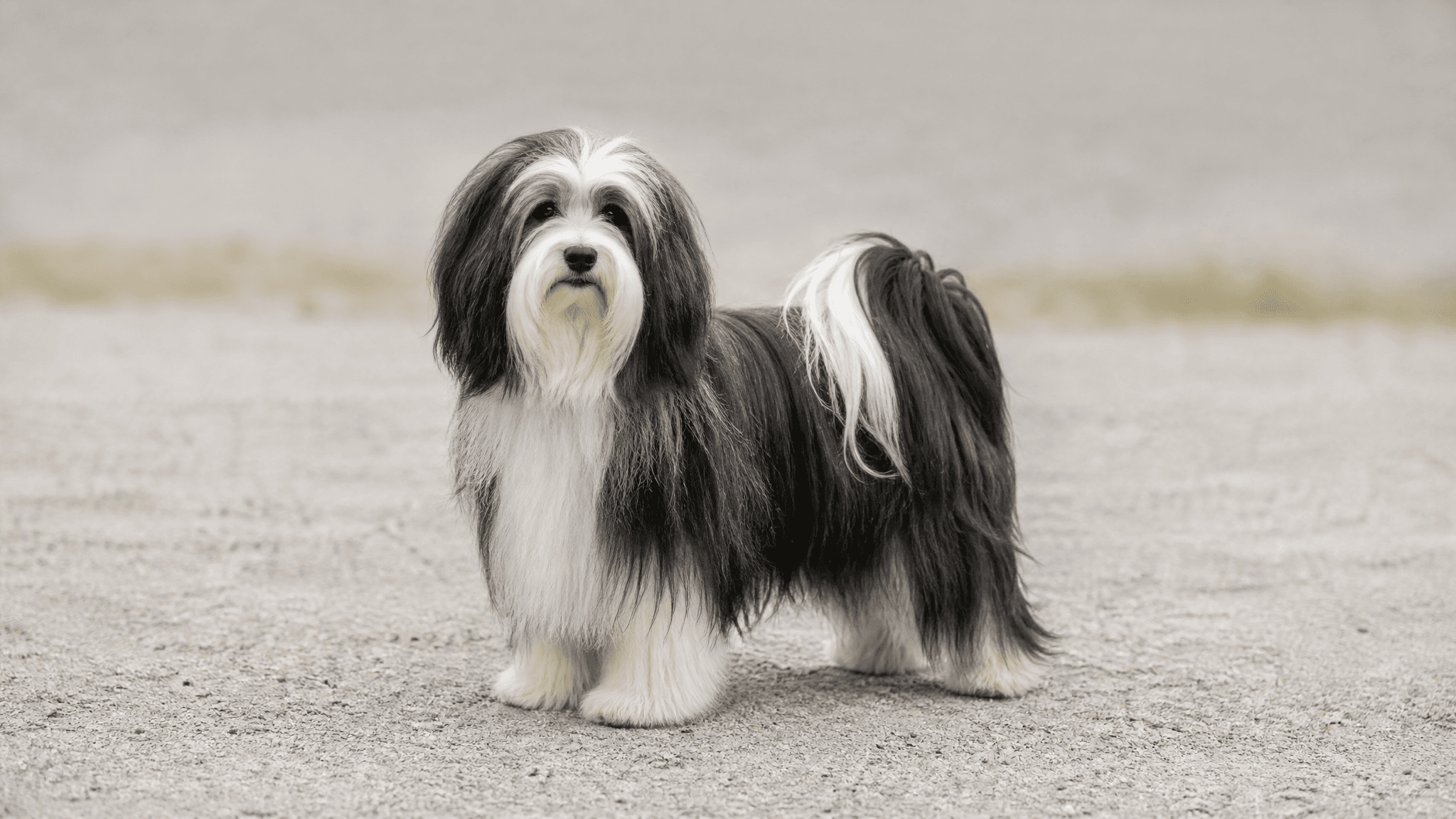
Despite its name, the Tibetan Terrier is not technically a terrier — it was never bred to hunt or go to ground. The name was given by Europeans who encountered it in the 20th century due to its physical resemblance to some terriers. It is actually a sacred dog of Tibet, bred by Tibetan monks for over two thousand years as a monastery mascot and caravan guard. It is distinguished by its unique feet, broad and flat like snowshoes, which allowed it to navigate the deep snow of the Tibetan plateau.
Physical Characteristics
- Size
- Small to medium
- Height (male)
- 36–41 cm
- Height (female)
- 33–38 cm
- Weight (male)
- 8–14 kg
- Weight (female)
- 7–12 kg
- Life Expectancy
- 15–16 years
- Coat
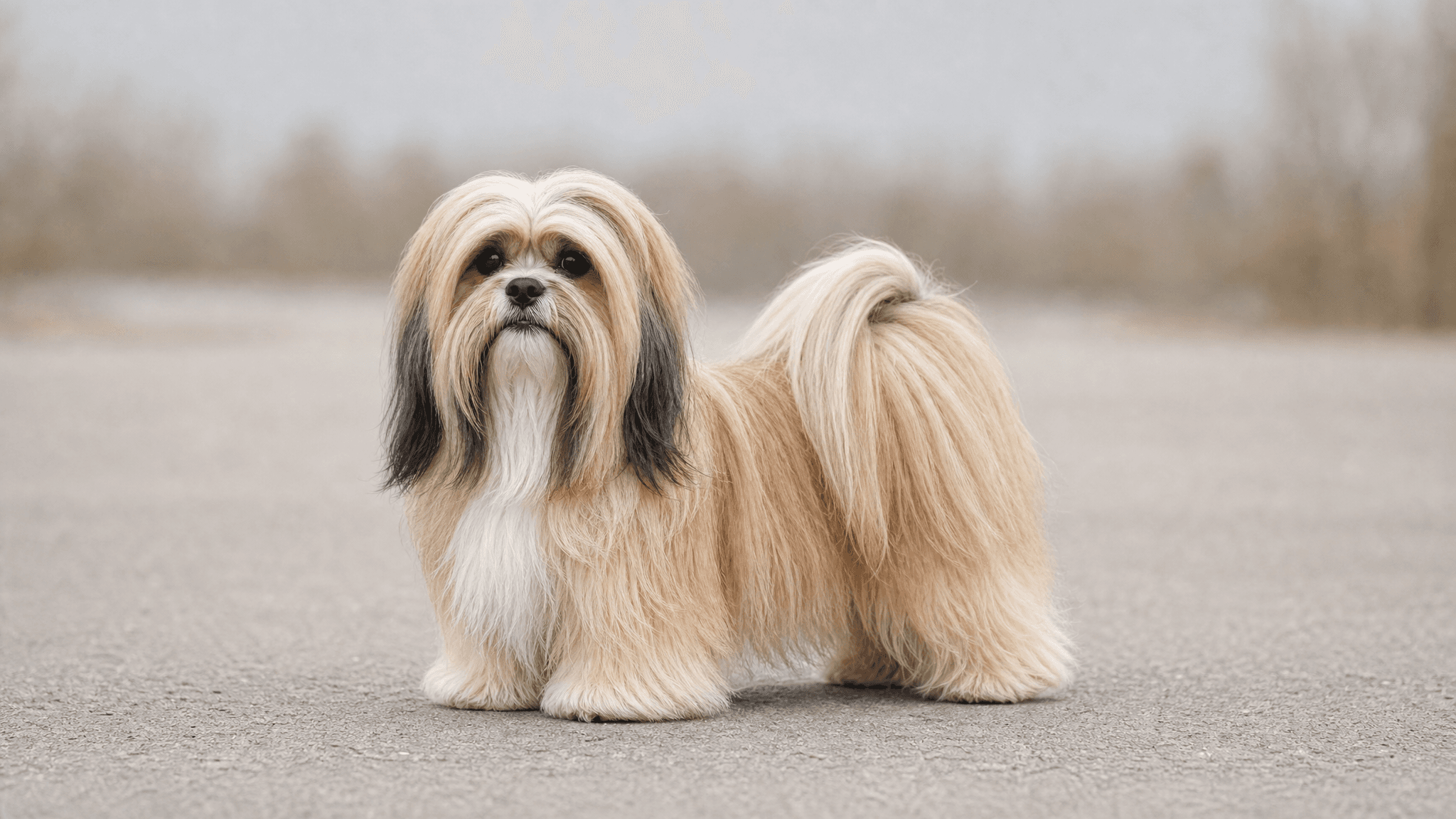
- Double — fine and soft undercoat, long, fine outer coat that is straight or wavy (never curled); abundant
- Common Colors
- All colors, excluding only chocolate/brown and the chocolate-and-white combination
Temperament & Personality
The Tibetan Terrier is a sensitive, intelligent, and very loyal dog to its family. It is reserved with strangers, a trait that reflects its heritage as a guard dog. Within the family, it is affectionate, playful, and adaptable. It is less dependent than many companion dogs, tolerating short periods of solitude better than most Bichons. Its intelligence and determination can make it slightly stubborn.
Activity & Exercise
- Energy Level
- Moderate to high
- Recommended Daily Exercise
- 45–60 minutes
- Suitable for Apartment
- Yes with exercise
Grooming & Care
- Grooming Needs
- High
- Shedding
- Seasonal
- Bathing Frequency
- Every 3–4 weeks
Health
- Common Health Issues
- Cataracts
- Diabetes mellitus
- Hip dysplasia
- Neuronal ceroid lipofuscinosis (NCL)
- Primary lens luxation
- Progressive retinal atrophy (PRA)
- Recommended Health Tests
- Cardiac examination
- Eye examination
- Genetic test for PRA and NCL
- Orthopedic evaluation
Compatibility
- With Children
- Good
- With Other Dogs
- Good
- With Cats
- Good
- For First-Time Owners
- Acceptable
Is a Tibetan Terrier right for you?
A Tibetan Terrier may suit you if:
- You enjoy daily walks and engaging your dog's intelligent mind with fun activities.
- You appreciate a playful, adaptable companion who can thrive in various home environments, including apartments.
- You are drawn to a sensitive, loyal, and intelligent companion who is affectionate with family but reserved with new faces.
- You are prepared to engage in consistent, positive reinforcement training to guide a smart and sometimes determined learner.
- You are ready for a significant grooming routine, including regular brushing to maintain their abundant double coat.
- You understand and can manage their natural tendency to be watchful and reserved when meeting new people.
Think twice if:
- You expect instant obedience from a dog, as their independent spirit means they often think for themselves.
- You plan to leave your dog alone for long stretches daily, as they thrive on family interaction and companionship.
- You are unwilling to provide consistent socialization, which is key for their reserved nature around new people and pets.
- You are not prepared for daily exercise sessions or the significant time commitment required for their high-maintenance coat.
- You live in an unfenced area and expect your dog to roam freely, as their curious nature and heritage require secure containment.
- You are not prepared for the consistent guidance and firm, gentle handling needed during their sometimes spirited adolescent phase.
Living with a Tibetan Terrier is a unique journey that balances deep loyalty and playful affection with an independent spirit and significant grooming needs. While they offer unwavering companionship and joy, their intelligence and determination require a committed owner ready for consistent engagement and care. For those prepared to embrace their charming complexities, a Tibetan Terrier offers a truly rewarding and long-lasting partnership.
Training a Tibetan Terrier
Tibetan Terriers are intelligent and sensitive learners who thrive on positive reinforcement and engaging, short training sessions. They are highly motivated by praise, play, and tasty treats, making training a joyful bonding experience. Consistency is paramount; these clever dogs can quickly pick up on any loopholes in your rules. If training becomes repetitive, harsh, or inconsistent, their determined nature might lead to a stubborn streak, or their sensitive side could cause them to withdraw and become less responsive. Keep it fun and rewarding!
Begin with:
- Attention and response to name around distractions
- Recall on a long line
- Loose-leash walking
- Leave it and drop it
- Calm greetings without jumping
- Settling on a mat or bed
- Cooperative handling for grooming, ears, feet and teeth
- Waiting at doors and gates
Alert Barking
Your Tibetan Terrier's heritage as a caravan guard means they are naturally alert and can be reserved with strangers. This can lead to barking at every new sight, sound, or visitor. To manage this, focus on rewarding quiet behaviour when a stimulus appears. Teach your dog that strangers bring good things by having guests offer treats when introduced calmly.
Work on desensitization by gradually exposing your Tibetan Terrier to common triggers from a distance they can tolerate, consistently rewarding their calm responses. This helps them learn that not every new thing requires an alarm.
Leash Pulling
Despite their moderate size, Tibetan Terriers are intelligent and can be quite determined, which can lead to pulling on the leash, especially when their curiosity takes over during their daily 45-60 minutes of recommended exercise. Focus on teaching loose-leash walking from day one using positive reinforcement. Reward your pup for walking nicely by your side, changing directions frequently to keep their attention on you.
Consistency is key! Make walks an engaging experience for your dog, but always reinforce good leash manners. For more detailed guidance, check out this guide on stopping leash pulling.
Preventing Boredom
Tibetan Terriers have moderate to high energy and an intelligent, determined mind. If they don't get enough physical and mental stimulation, their intelligence can lead to destructive or attention-seeking behaviours. While they tolerate short periods of solitude better than many companion dogs, they still need engagement.
Provide plenty of interactive toys, puzzle feeders, and regular training sessions to keep their minds active. Ensuring they are well-exercised before you leave them alone can make a big difference. Our training feature can help you build a consistent routine of engaging activities.
Tibetan Terrier — Frequently Asked Questions
What is the Tibetan Terrier?
Despite its name, the Tibetan Terrier isn't a true terrier! This wonderful small to medium-sized dog is actually a sacred companion from Tibet, bred by monks for over two millennia. They served as monastery mascots and caravan guards, with their unique broad, flat "snowshoe" feet perfectly adapted for navigating deep snow. These intelligent and loyal pups belong to FCI Group 9 (Tibetan breeds) and are known for their distinctive appearance and rich history. They're truly special companions with a fascinating heritage from China.
What was the Tibetan Terrier originally bred for?
The Tibetan Terrier has a truly ancient and noble history! For over two thousand years, these sacred dogs were cherished companions of Tibetan monks. They weren't bred for hunting, despite their "terrier" name, but rather served as beloved monastery mascots and vigilant caravan guards. Their intelligence and loyalty made them invaluable protectors and companions in the harsh Tibetan plateau, watching over their human friends and their belongings. It's a testament to their enduring spirit and deep bond with people.
How much exercise does a Tibetan Terrier need?
Your Tibetan Terrier will love to join you for daily adventures! These wonderful dogs have a moderate to high energy level, so they thrive on regular activity to keep them happy and healthy. We recommend around 45 to 60 minutes of exercise each day. This could be a couple of brisk walks, some playful romps in a secure yard, or even a fun game of fetch. Consistent exercise helps them stay physically fit and mentally stimulated, ensuring they're a well-behaved and joyful member of your family.
Is the Tibetan Terrier a good family dog?
Absolutely! The Tibetan Terrier can be a fantastic family dog, known for being very loyal and affectionate with its loved ones. They are playful and adaptable, fitting well into family life. While they might be a bit reserved with strangers due to their guarding heritage, they truly blossom once they feel secure with their family. With proper socialization, they can get along well with children and other pets, making them a wonderful, sensitive, and intelligent addition to a loving home.
Is the Tibetan Terrier easy to train?
Training a Tibetan Terrier can be a rewarding experience! These dogs are highly intelligent and sensitive, making them responsive to positive reinforcement methods. They are very loyal to their families, which aids in their trainability. However, their intelligence also comes with a touch of determination, which some might interpret as stubbornness. Consistency, patience, and fun, engaging training sessions will help you harness their smarts and build a strong bond. They love to learn when it's enjoyable!
What health issues are common in the Tibetan Terrier?
Like all breeds, Tibetan Terriers can be prone to certain health conditions, and being aware of them helps you provide the best care. Some documented health concerns for this lovely breed include eye conditions such as Cataracts, Primary Lens Luxation, and Progressive Retinal Atrophy (PRA). They can also be susceptible to Hip Dysplasia, Diabetes Mellitus, and Neuronal Ceroid Lipofuscinosis (NCL). Regular veterinary check-ups and responsible breeding practices are key to helping your furry friend live a long, healthy, and happy life.
What is the Tibetan Terrier's coat like and how much grooming does it need?
The Tibetan Terrier boasts a beautiful, flowing double coat that's truly a sight to behold! This protective coat, a hallmark of the breed, consists of a soft, woolly undercoat and a long, fine outer coat. To keep it free from mats and looking its best, regular grooming is essential. We recommend brushing your Tibetan Terrier several times a week, ideally daily, to prevent tangles and remove loose hair. Occasional baths and professional trims will also help maintain their magnificent appearance and keep them comfortable.
What is the typical lifespan of a Tibetan Terrier?
It's wonderful to know that Tibetan Terriers are generally long-lived companions! With proper care, nutrition, and regular veterinary attention, these delightful dogs typically enjoy a lifespan of 15 to 16 years. This means you can look forward to many, many years of joy, loyalty, and playful moments with your beloved furry family member. Providing a loving home and addressing their health needs throughout their life will help ensure they reach their full potential and stay by your side for a long time.
Community
Talk to real Tibetan Terrier owners
This guide covers the breed on paper. In the app, the Tibetan Terrier community covers it in real life: photos from other owners, questions answered by people who live with the breed, and a directory of dogs you can browse.
- Photos & pollsSee what Tibetan Terrier owners are sharing today.
- Questions & answersAsk anything and hear from people who own one.
- Dog directoryBrowse Tibetan Terriers from around the world.
You join automatically when you add a Tibetan Terrier to your profile.