Tibetan Spaniel
Summary
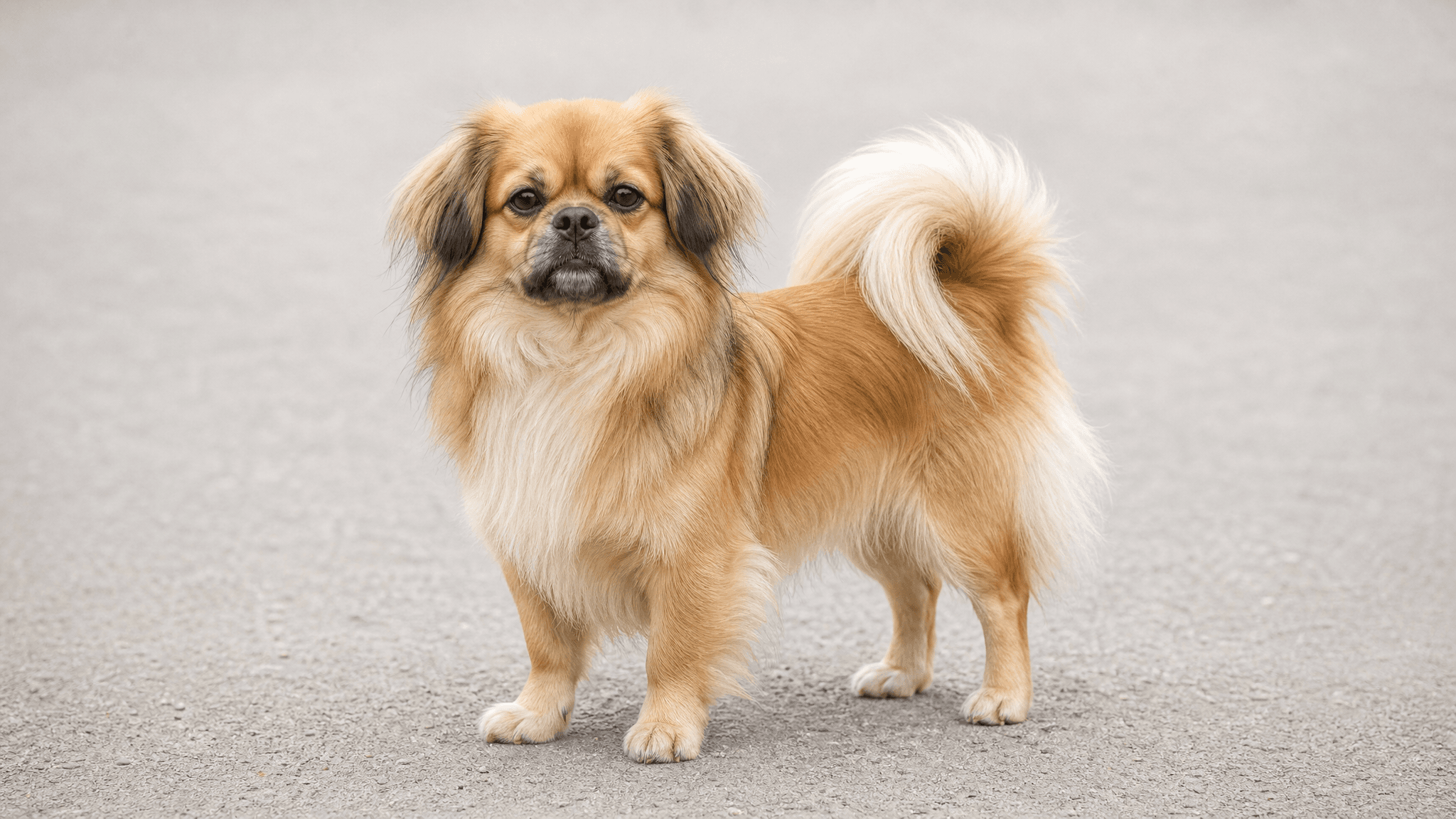
Like the Tibetan Terrier, the Tibetan Spaniel is also not technically a spaniel — the name only reflects its resemblance to European Spaniels. In Tibet, it was bred in Buddhist monasteries and palaces as a sentinel dog, watching the landscape from the walls. It is one of the oldest Asian companion dogs, with historical records dating back more than 2,500 years.
Physical Characteristics
- Size
- Small
- Height (male)
- 25 cm
- Height (female)
- 25 cm
- Weight (male)
- 4–7 kg
- Weight (female)
- 4–6.5 kg
- Life Expectancy
- 12–15 years
- Coat
- Double — silky undercoat; outer coat of moderate length, longer on the neck (mane) and tail; ears have silky fringes
- Common Colors
- All colors are accepted — gold, cream, white, fawn, red, black, black and tan, parti-color
Temperament & Personality
The Tibetan Spaniel is an intelligent, self-confident, and somewhat independent dog — traits inherited from its function as a sentinel. It is very loyal to its family but can be reserved with strangers. It is active but not extravagant, balancing play periods with long moments of calm observation. Its sentinel instinct remains active and it barks to alert its owners.
Activity & Exercise
- Energy Level
- Moderate
- Recommended Daily Exercise
- 30–60 minutes
- Suitable for Apartment
- Yes with exercise
Grooming & Care
- Grooming Needs
- Moderate
- Shedding
- Seasonal
- Bathing Frequency
- Every 3–4 weeks
Health
- Common Health Issues
- Brachycephalic obstructive airway syndrome (mild)
- Cherry eye
- Heart problems (murmurs)
- Patellar luxation
- Retinal dysplasia
- Recommended Health Tests
- Cardiac examination
- Eye examination
- Orthopedic evaluation
Compatibility
- With Children
- Good
- With Other Dogs
- Good
- With Cats
- Good
- For First-Time Owners
- Recommended
Is a Tibetan Spaniel right for you?
A Tibetan Spaniel may suit you if:
- You can provide 30 to 60 minutes of daily exercise and engaging mental stimulation.
- You enjoy a companion who balances playful bursts with quiet, observant moments by your side.
- You appreciate an intelligent, self-confident dog with a loyal heart and a charming independent streak.
- You are prepared to engage in consistent, positive training to guide their clever and sometimes independent nature.
- You are willing to commit to moderate grooming, with regular brushing of their beautiful double coat, especially during seasonal shedding.
- You can happily manage their natural sentinel instinct, which means they will bark to alert you to new arrivals or sounds.
Think twice if:
- You expect a dog that is consistently eager to please and highly obedient in all situations.
- You frequently leave your dog alone for many hours each day, as they thrive on family companionship.
- You are unwilling to patiently introduce your dog to new people or other pets, given their reserved nature with strangers.
- You are unable to provide 30 to 60 minutes of daily exercise or commit to their moderate grooming requirements.
- You do not have a securely fenced yard or are unwilling to provide safe, elevated spots for them to observe.
- You are not prepared to navigate their self-confident and sometimes independent nature during training and daily interactions.
The Tibetan Spaniel is a captivating blend of loyalty and independence. They offer devoted companionship and delightful antics, but their ancient sentinel instincts mean they'll keep a watchful eye and voice their alerts. While intelligent and affectionate with their family, their reserved nature with strangers and self-confident spirit require a patient, understanding owner who appreciates their unique character.
Training a Tibetan Spaniel
Training a Tibetan Spaniel is a delightful journey, as these intelligent and self-confident dogs thrive on positive reinforcement and a strong bond with their family. They are motivated by praise, tasty treats, and playful interaction, but their independent nature means they aren't always looking to please. Keep sessions short, fun, and varied to hold their attention, as repetition can quickly bore them. Patience is key; harsh corrections or frustration will cause them to become reserved or simply tune you out, making progress much harder. Consistency and a gentle approach will yield the best results with your charming companion.
Begin with:
- Attention and response to name around distractions
- Recall on a long line
- Loose-leash walking
- Leave it and drop it
- Calm greetings without jumping
- Settling on a mat or bed
- Cooperative handling for grooming, ears, feet and teeth
- Waiting at doors and gates
Sentinel Instinct and Focus
Your Tibetan Spaniel's strong sentinel instinct, inherited from its history of watching over monasteries, means they are naturally alert and observant. This can manifest as barking at perceived threats or distractions, especially when outside. To manage this, start by rewarding quiet observation. When your Tibbie notices something but doesn't bark, offer praise and a treat. If they do bark, gently redirect their attention with a sound or a treat, then reward them for being quiet. Practice their recall in increasingly distracting environments, starting with a long line in a safe area, so they learn to choose you over their surroundings. Our guide on recall can offer more tips.
Their independence means they might not always be instantly responsive, particularly if something interesting has caught their eye. Build a strong foundation of positive reinforcement and make coming to you the most rewarding option. Keep training sessions positive and engaging, ensuring you're more exciting than the environment. This helps them learn to check in with you, even when their sentinel instincts are active.
Leash Manners and Alert Barking
While small, a Tibetan Spaniel can still pull on the leash, especially if their sentinel nature makes them eager to investigate or alert to things ahead. Consistent loose-leash training from a young age is crucial. Use a comfortable harness and positive reinforcement: reward every step your dog takes with a loose leash. If they pull, stop walking until the leash loosens, then resume. This teaches them that pulling gets them nowhere. Our guide on stopping leash pulling offers a force-free plan.
Their tendency to bark as an alert can also be a challenge on walks. If your Tibbie barks at passersby or other dogs, try to identify their threshold – the point at which they react. Work below that threshold, using treats and praise to reward calm behavior. If they spot something and look at you instead of barking, that's a huge win! Gradually increase the level of distraction as they become more comfortable.
Boredom and Independence
Tibetan Spaniels are intelligent and active, despite their small size and moderate energy level (requiring 30-60 minutes of exercise daily). If under-exercised or under-stimulated, their independence can lead to boredom-driven behaviors like excessive barking, chewing, or digging. Ensure they receive adequate physical activity, but also plenty of mental enrichment through puzzle toys, training games, and interactive play. Consistent training sessions, even short ones, can help keep their minds engaged.
Because they are loyal to their family but can be reserved, they thrive on companionship. While they can be left alone for reasonable periods, prolonged isolation without mental or physical outlets can lead to stress. Establish a consistent routine and provide engaging activities to keep them happy and well-adjusted. Our training feature can help you build a consistent routine to keep your Tibbie stimulated and happy.
Tibetan Spaniel — Frequently Asked Questions
What is the Tibetan Spaniel?
The Tibetan Spaniel is a charming small dog, originating from China, where it was historically bred in Buddhist monasteries. Despite its name, it's not a true spaniel; the moniker reflects only a resemblance to European spaniels. This breed belongs to FCI Group 9, dedicated to Tibetan breeds. Known for its intelligence, self-confidence, and a touch of independence, the Tibetan Spaniel is a loyal companion. They are active yet balanced, enjoying play but also content with long periods of calm observation, often acting as a watchful sentinel for their family.
What was the Tibetan Spaniel originally bred for?
With a rich history spanning over 2,500 years, the Tibetan Spaniel was originally bred in the ancient Buddhist monasteries and palaces of Tibet. Its primary role was that of a sentinel dog, diligently watching the surrounding landscape from high walls and barking to alert monks to approaching visitors or potential dangers. This ancient purpose instilled in them a keen observational nature and a loyal, protective instinct towards their human companions. They are truly one of the oldest Asian companion dogs, cherished for their watchful eyes and devoted presence.
How much exercise does a Tibetan Spaniel need?
Tibetan Spaniels have a moderate energy level, making them adaptable companions for various lifestyles. They typically require about 30 to 60 minutes of daily exercise to stay happy and healthy. This can be easily met with a couple of brisk walks, some playtime in a secure yard, or engaging indoor activities. While they enjoy being active, they are not overly demanding and balance their play periods with moments of calm observation. Regular, consistent activity helps maintain their physical fitness and mental well-being, preventing boredom and promoting a balanced temperament.
Is the Tibetan Spaniel a good family dog?
Yes, the Tibetan Spaniel can be a wonderful family dog, known for being very loyal and affectionate with its family members. They are active but not extravagant, enjoying playtime with children who understand how to interact gently with a small dog. Their sentinel instinct means they will bark to alert you to strangers, so early socialization is key to helping them feel comfortable in new situations. With proper introductions and supervision, they can generally get along well with other pets, making them a delightful and watchful addition to many homes.
Is the Tibetan Spaniel easy to train?
The Tibetan Spaniel is an intelligent breed, which can make them quite capable learners. However, they also possess a self-confident and somewhat independent temperament, traits inherited from their sentinel past. This means that while they are smart, they might not always be the most eager to please and can sometimes have their own ideas! Consistent, positive reinforcement training methods work best, focusing on patience and making training fun. Early socialization and puppy classes are highly recommended to channel their intelligence and independence into good manners, fostering a well-adjusted companion.
What health issues are common in the Tibetan Spaniel?
Like all breeds, Tibetan Spaniels can be prone to certain health conditions, and it's good to be aware of them. Some documented concerns include mild Brachycephalic obstructive airway syndrome, which relates to their facial structure. They can also experience Cherry eye, a condition affecting the eyelid, and heart problems such as murmurs. Patellar luxation, a knee joint issue, and Retinal dysplasia, an eye condition, are also noted. Regular veterinary check-ups and a healthy lifestyle are crucial for monitoring and managing these potential issues, helping your beloved companion live a long, happy life.
What is the Tibetan Spaniel's coat like and how much grooming does it need?
While our curated database doesn't detail the specific characteristics of the Tibetan Spaniel's coat, all dogs benefit from regular grooming to maintain their health and comfort. This typically includes consistent brushing to keep their fur healthy and free of tangles, along with routine nail trims, ear cleaning, and dental care. Establishing a consistent grooming routine early helps your Tibetan Spaniel feel comfortable with handling and keeps them looking their best. Regular checks also allow you to spot any skin issues or parasites promptly, contributing significantly to their overall well-being.
What is the typical lifespan of a Tibetan Spaniel?
Tibetan Spaniels are generally a robust and healthy breed, often gracing their families with many years of companionship. You can typically expect a Tibetan Spaniel to live for 12 to 15 years. Providing them with a high-quality diet, regular veterinary care, appropriate exercise, and plenty of love and mental stimulation are all key factors in helping them achieve their full lifespan. A long and happy life with your Tibetan Spaniel is a wonderful journey filled with loyalty and joy!
Community
Talk to real Tibetan Spaniel owners
This guide covers the breed on paper. In the app, the Tibetan Spaniel community covers it in real life: photos from other owners, questions answered by people who live with the breed, and a directory of dogs you can browse.
- Photos & pollsSee what Tibetan Spaniel owners are sharing today.
- Questions & answersAsk anything and hear from people who own one.
- Dog directoryBrowse Tibetan Spaniels from around the world.
You join automatically when you add a Tibetan Spaniel to your profile.