Pekingese
Summary
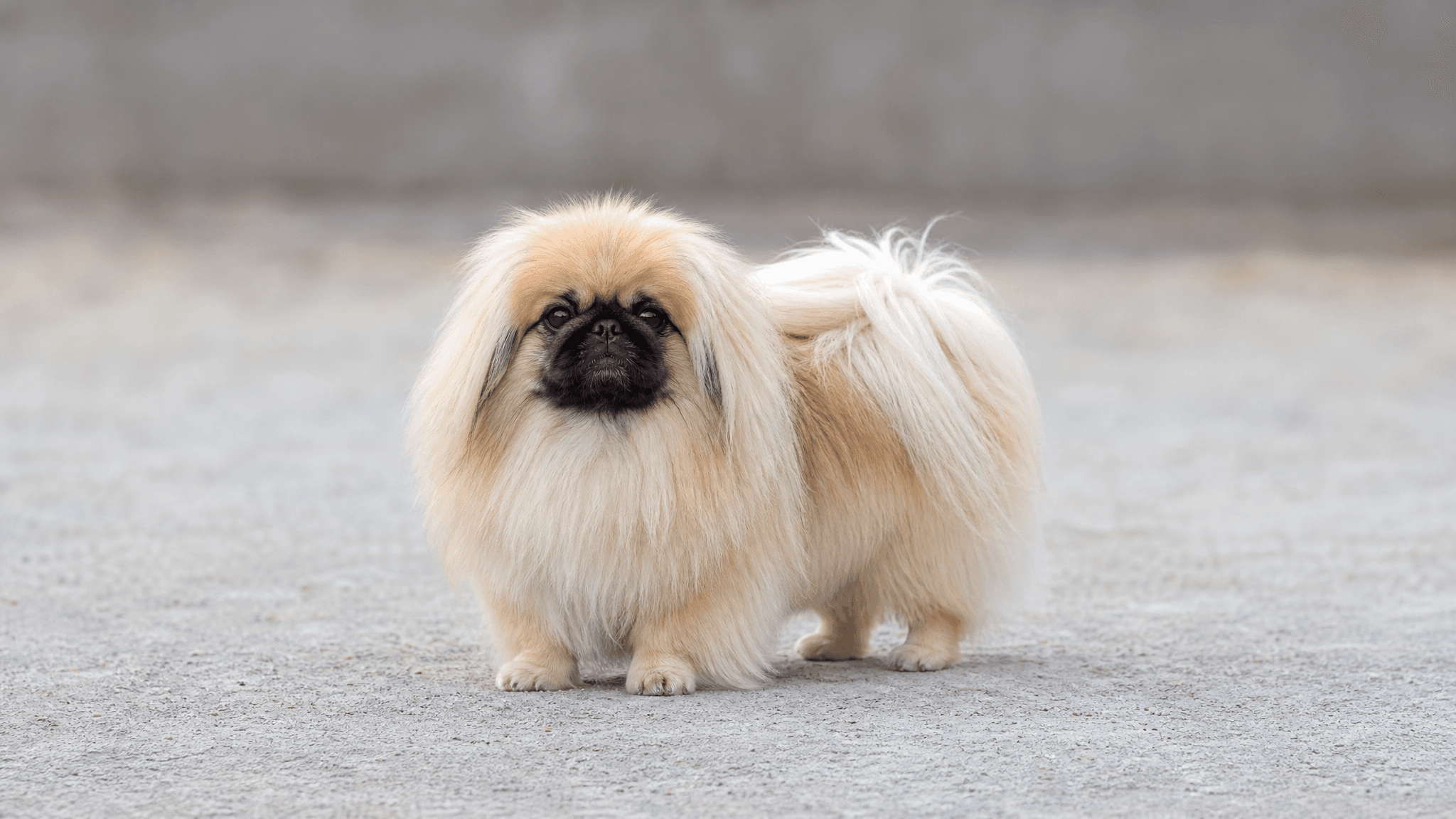
The Pekingese is one of the oldest and most revered dogs of imperial China, where it was considered sacred and exclusive to the imperial family of the Tang Dynasty. Legend says that the Pekingese descends from a lion that was reduced in size by a Buddha, preserving the lion's courage in a small dog's body. It was introduced to the West in 1860, when British and French troops sacked the Summer Palace in Beijing and brought specimens back to Europe as war trophies.
Physical Characteristics
- Size
- Small
- Height (male)
- 15–25 cm
- Height (female)
- 15–23 cm
- Weight (male)
- 6.4 kg
- Weight (female)
- 6.4 kg
- Life Expectancy
- 12–15 years
- Coat
- Double — thick undercoat and long, straight, hard outer coat; very pronounced "mane" around the neck and shoulders
- Common Colors
- All colors are accepted — fawn, red, cream, white, black, black and tan, sable, brindle, and parti-color
Temperament & Personality
The Pekingese is a dog with a very independent and dignified personality — never subservient, always proud. It is loyal and affectionate with those it knows well, but highly reserved with strangers. It has a remarkable determination and a self-confidence rarely seen in such small dogs. It is not a dog for those who want an obedient and malleable companion — the Pekingese has its own agenda. With consistent training and patience, it can be an extraordinarily loyal companion.
Activity & Exercise
- Energy Level
- Low
- Recommended Daily Exercise
- 20 minutes
- Suitable for Apartment
- Yes
Grooming & Care
- Grooming Needs
- High
- Shedding
- Moderate to heavy
- Bathing Frequency
- Every 4–6 weeks
Health
- Common Health Issues
- Brachycephalic obstructive airway syndrome (mild)
- Eye problems
- Heart problems (murmurs)
- Intervertebral disc disease (IVDD)
- Skin fold dermatitis
- Recommended Health Tests
- Airway evaluation
- Eye examination
- Orthopedic exam (spine)
Compatibility
- With Children
- Moderate
- With Other Dogs
- Moderate
- With Cats
- Moderate
- For First-Time Owners
- Not recommended
Is a Pekingese right for you?
A Pekingese may suit you if:
- You are content with short, leisurely strolls and gentle indoor play to meet their modest 20 minutes of daily exercise.
- You enjoy a calm, indoor lifestyle, as your Pekingese thrives as a cherished companion in a cozy home environment.
- You appreciate a dog with a truly independent, dignified personality, valuing their proud and self-assured nature over blind obedience.
- You are prepared to invest patience and positive reinforcement into training a dog with a strong will and independent spirit.
- You are dedicated to regular, thorough grooming sessions to maintain their magnificent double coat and prevent matting.
- You are willing to manage a natural reserve towards strangers, allowing your Peke to warm up on their own terms.
Think twice if:
- You expect a dog that is highly biddable and always eager to please, as a Pekingese often follows its own independent agenda.
- You have a busy schedule that often leaves your dog alone for long stretches, as Pekes thrive on companionship.
- You have very young children or boisterous pets who may not respect a Pekingese's need for personal space and quiet.
- You are unwilling to commit to consistent daily grooming and occasional professional care for their demanding coat.
- You prefer a dog that can roam freely without supervision, as a Pekingese's independent nature requires secure containment.
- You are unprepared for a dog that may resist rough handling or forced situations, due to their proud and dignified nature.
Living with a Pekingese is a unique journey that blends imperial dignity with profound affection. They may challenge your expectations of canine obedience, yet reward you with unwavering loyalty and a charming, self-assured presence. Embrace their independent spirit and commit to their care, and you'll discover a truly special companion.
Training a Pekingese
Your Pekingese is a wonderfully unique companion, full of ancient dignity and a strong sense of self. Unlike some breeds eager to please, a Peke learns best when training feels like a fun game they choose to participate in, rather than an obligation. High-value treats and enthusiastic praise will be your best motivators. Keep sessions short, positive, and engaging – a few minutes of focused work interspersed with play is ideal. If training becomes repetitive or confrontational, your Peke's independent spirit will likely lead to disengagement or a firm refusal to cooperate, making progress much harder.
Begin with:
- Attention and response to name around distractions
- Recall on a long line
- Loose-leash walking
- Leave it and drop it
- Calm greetings without jumping
- Settling on a mat or bed
- Cooperative handling for grooming, ears, feet and teeth
- Waiting at doors and gates
The Peke's Own Agenda
The Pekingese possesses a remarkable determination and a self-confidence that means they aren't easily swayed from their own plans. They are not subservient and will rarely perform a command just because you asked. To overcome this, focus on making training incredibly rewarding and fun. Use their favourite treats and toys, and keep sessions brief and positive. If your Peke isn't responding, try making the task easier or more enticing, rather than repeating yourself or getting frustrated. Consistency and patience, combined with high motivation, will build a strong foundation. For recall, which can be challenging with an independent spirit, practice in a safe, enclosed area and make coming back to you the most exciting thing ever. Learn more about teaching a reliable recall with our guide.
Building a strong, trusting relationship is paramount. Your Peke needs to feel that training is a collaborative effort, not a demand. Avoid any harsh corrections, as this breed will simply shut down or become more resistant. Instead, celebrate every small success and let them feel like they're making choices, even when you're guiding them.
Leash Manners
Despite their small size and low energy level (requiring only about 20 minutes of exercise daily), Pekingese can develop a habit of pulling on the leash. This isn't usually due to brute strength, but rather their determined nature and desire to explore on their own terms. To teach polite leash walking, start in a quiet area with minimal distractions. Reward your Peke generously with treats and praise every time the leash is slack, even for a single step. Stop walking immediately if they pull, and only resume when the leash loosens. This teaches them that pulling gets them nowhere.
Consistency is key, and every walk is a training opportunity. Consider using a comfortable harness that discourages pulling, but always pair it with positive reinforcement. For more detailed advice, check out our guide on stopping leash pulling. Remember, a comfortable Peke on a leash is a happy Peke, and a happy Peke is more likely to cooperate.
Grooming Cooperation
The Pekingese has a high grooming need due to their thick double coat and pronounced mane. This means they will require regular brushing, bathing every 4–6 weeks, and attention to their ears, feet, and teeth. Many Pekes can be sensitive to handling, and if not introduced positively, grooming can become a battle. Start early, even with a puppy, by making handling a positive experience. Touch their paws, ears, and mouth gently for short periods, always followed by a high-value treat and praise. Gradually increase the duration and intensity.
Introduce grooming tools slowly, letting them sniff and investigate before use. Use a soft brush and make brushing sessions short and pleasant. If your Peke shows signs of discomfort, take a break. The goal is cooperative care, where your dog associates handling with good things. This positive approach will make their lifelong grooming routine much less stressful for both of you. Our training feature can help you build consistent routines for cooperative care.
Pekingese — Frequently Asked Questions
What is the Pekingese?
The Pekingese is a truly enchanting small dog with a rich history, originating from imperial China where it was revered as sacred and exclusive to the Tang Dynasty's imperial family. This breed belongs to FCI Group 9 (Japan Chin and Pekingese), showcasing its unique heritage. Known for its independent and dignified personality, the Pekingese carries itself with remarkable pride and self-confidence. Despite its small stature, it possesses a courageous spirit, often described as having the heart of a lion, making it a truly distinctive and beloved companion.
What was the Pekingese originally bred for?
The Pekingese was originally bred as a cherished companion for the imperial family of China, holding a sacred status within the Tang Dynasty. Legend even says that this magnificent breed descends from a lion, reduced in size by a Buddha, yet retaining all of its majestic courage in a small dog's body. These precious dogs were considered exclusive to royalty, embodying luxury and spiritual significance. It wasn't until 1860 that they were introduced to the West, brought back to Europe as esteemed war trophies, marking their transition from imperial exclusivity to global admiration.
How much exercise does a Pekingese need?
Despite their lion-hearted spirit, Pekingese dogs have a low energy level and are quite content with a modest amount of activity. For your little companion, about 20 minutes of daily exercise is typically sufficient to keep them happy and healthy. This can include a gentle stroll around the block or some playful indoor games. Due to their small size and brachycephalic nature, it's important to avoid strenuous exercise, especially in warm weather, ensuring their comfort and well-being. They truly thrive on quality time with their humans, rather than extensive physical demands.
Is the Pekingese a good family dog?
The Pekingese can be a wonderful family dog, especially for those who appreciate their unique, dignified personality. They are incredibly loyal and affectionate with the people they know and trust deeply, forming strong bonds. However, they are also highly reserved with strangers and possess a very independent spirit, meaning they aren't always keen on being a malleable, obedient companion. For families with children, it's best if the children are older and respectful of a dog's boundaries. With proper socialization and a calm environment, a Pekingese can certainly thrive as a cherished member of the family, including with other pets.
Is the Pekingese easy to train?
Training a Pekingese requires patience and understanding, as they are known for their independent and dignified personality. They are not a breed for those seeking an overly obedient or malleable companion; the Pekingese truly has its own agenda! Their remarkable determination and self-confidence, rarely seen in such small dogs, mean they respond best to positive reinforcement and consistent, gentle guidance. While they are intelligent, their strong will means that training sessions should be fun, short, and engaging to capture their interest and encourage cooperation. It's all about building trust and mutual respect with your proud little friend.
What health issues are common in the Pekingese?
Like all breeds, the Pekingese can be prone to certain health considerations that responsible owners should be aware of. Due to their unique facial structure, they may experience mild Brachycephalic obstructive airway syndrome. Other documented concerns include various eye problems, heart problems such as murmurs, and Intervertebral disc disease (IVDD), which can affect their spine. Additionally, their adorable skin folds require regular cleaning to prevent skin fold dermatitis. Regular veterinary check-ups and attentive care can help manage these potential issues, ensuring your Pekingese lives a comfortable and happy life.
What is the Pekingese's coat like and how much grooming does it need?
The Pekingese is renowned for its magnificent, flowing coat, which contributes to its regal and lion-like appearance, a nod to the legend of its origins. This luxurious double coat is quite dense and requires regular grooming to keep it in pristine condition and prevent matting. While the curated facts don't specify daily grooming, it's safe to say that consistent brushing and attention are essential to maintain its beauty and health. Regular grooming not only keeps their coat looking splendid but also offers a wonderful opportunity for bonding with your distinguished companion.
What is the typical lifespan of a Pekingese?
Pekingese dogs are known for being relatively long-lived companions, often gracing our lives for a wonderful 12 to 15 years. With proper care, a balanced diet, regular veterinary check-ups, and a loving home environment, many Pekingese can enjoy a full and vibrant life within this range. Providing them with a comfortable, safe, and enriching environment, along with attention to their specific health needs, will help ensure your dignified little friend stays by your side for as many happy years as possible, bringing joy and a touch of imperial charm to your home.
Community
Talk to real Pekingese owners
This guide covers the breed on paper. In the app, the Pekingese community covers it in real life: photos from other owners, questions answered by people who live with the breed, and a directory of dogs you can browse.
- Photos & pollsSee what Pekingese owners are sharing today.
- Questions & answersAsk anything and hear from people who own one.
- Dog directoryBrowse Pekingeses from around the world.
You join automatically when you add a Pekingese to your profile.