Taiwan Dog
Summary
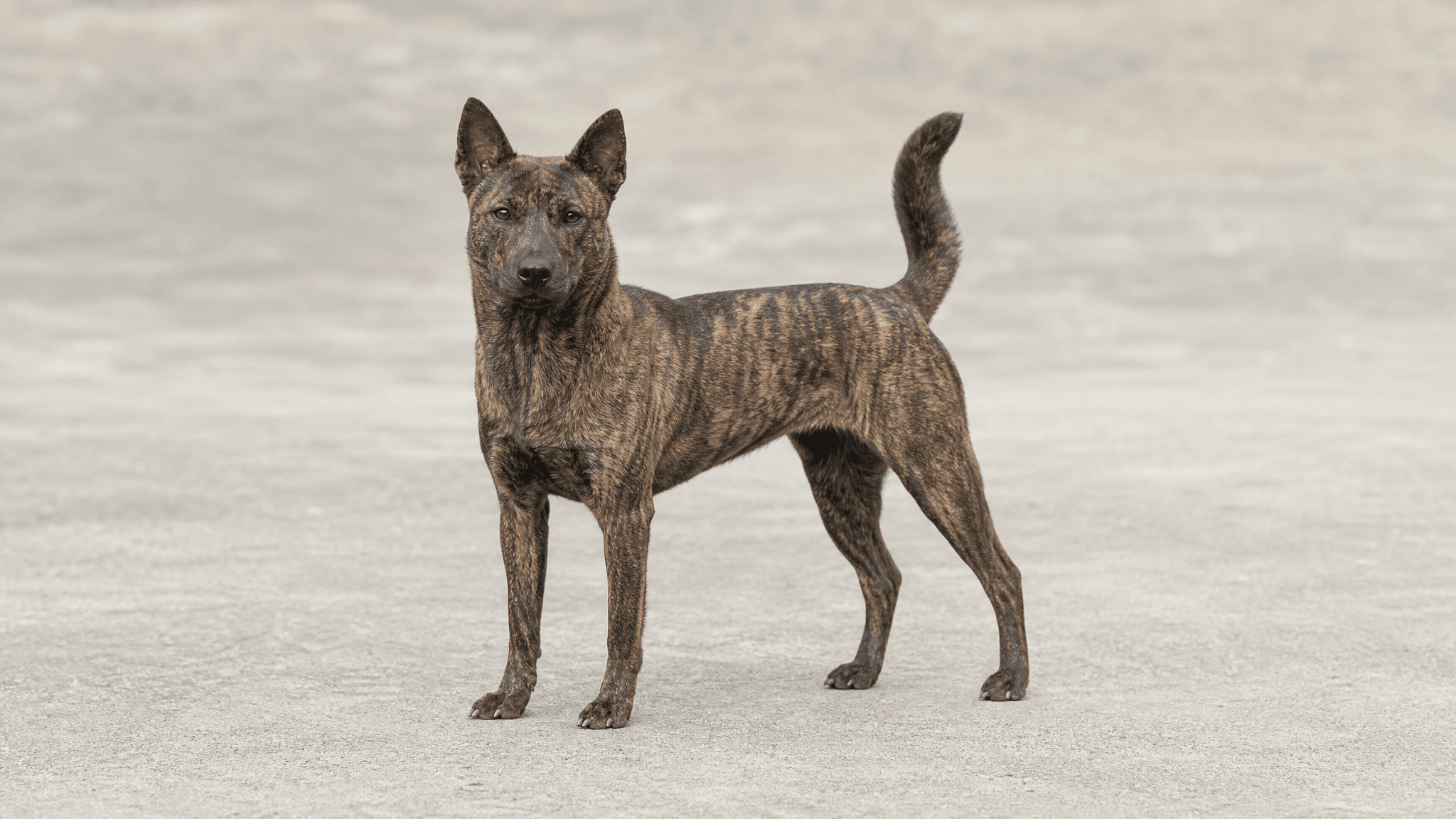
The Taiwan Dog (also known as the Formosan Mountain Dog) is a primitive breed native to Taiwan, descending from hunting dogs brought by Austronesian peoples who migrated to the island 10,000–20,000 years ago. It was used by the aboriginal tribes of Taiwan to hunt wild boar and deer. It is considered one of the oldest primitive dogs of East Asia. It was recognized by the FCI with a provisional standard in 1998 and definitive in 2015.
Physical Characteristics
- Size
- Medium
- Height (male)
- 48–52 cm
- Height (female)
- 43–47 cm
- Weight (male)
- 14–18 kg
- Weight (female)
- 12–16 kg
- Life Expectancy
- 12–14 years
- Coat
- Short and hard coat, very close-lying to the body; 1.5–3 cm in length; no pronounced undercoat
- Common Colors
- Black, brindle, fawn, white, white and black, white and fawn, white and brindle
Temperament & Personality
The Taiwan Dog is extremely loyal to its owner, with sharp senses, agile, and courageous. It is an excellent hunting and guard dog. It can be reserved with strangers and requires early and comprehensive socialization. Its loyalty to its owner can make it overprotective if not well socialized. It has remarkable intelligence and adaptability.
Activity & Exercise
- Energy Level
- High
- Recommended Daily Exercise
- 90 minutes
- Suitable for Apartment
- Not recommended
Grooming & Care
- Grooming Needs
- Minimal
- Shedding
- Low
- Bathing Frequency
- Every 6–8 weeks
Health
- Common Health Issues
- Generally healthy breed due to rigorous natural selection
- Hip dysplasia
- Recommended Health Tests
- Hip evaluation
Compatibility
- With Children
- Good
- With Other Dogs
- Moderate
- With Cats
- Can be difficult
- For First-Time Owners
- Not recommended
Is a Taiwan Dog right for you?
A Taiwan Dog may suit you if:
- You are prepared to provide at least 90 minutes of vigorous exercise daily to satisfy their high energy.
- You enjoy outdoor adventures like hiking or exploring, where their natural agility and sharp senses can shine.
- You appreciate a deeply loyal companion who forms a strong, protective bond with their family.
- You are committed to consistent, positive training and early, comprehensive socialization to guide their intelligent nature.
- You prefer a low-maintenance grooming routine, as their short, close-lying coat requires minimal care.
- You are willing to manage their natural guarding instincts and reserved nature around new people.
Think twice if:
- You expect immediate, unwavering obedience, as this primitive breed possesses an independent spirit.
- You have a routine that requires leaving your dog alone for long periods, as they thrive on companionship and activity.
- You have cats or small pocket pets, as their strong prey drive can make cohabitation challenging.
- You are unable to dedicate significant time daily to vigorous exercise and mental engagement.
- You live in an apartment or do not have a securely fenced yard for them to explore safely.
- You are unprepared for the challenges of managing a strong-willed, intelligent adolescent dog.
Bringing a Taiwan Dog into your life is a commitment to an intelligent, loyal, and active companion. While their devotion is unmatched, their primitive instincts and high energy demand a dedicated owner prepared for consistent training, extensive socialization, and ample outdoor activity. For the right family, their courage and adaptability make them a truly rewarding and protective member, but they are not a breed for the faint of heart or those seeking a low-maintenance pet.
Training a Taiwan Dog
Training a Taiwan Dog is a rewarding journey that thrives on consistency, positive reinforcement, and a deep bond with their owner. These intelligent and adaptable dogs, with their sharp senses and natural loyalty, learn best through short, engaging sessions that tap into their innate drives. They respond wonderfully to praise, play, and high-value treats. However, inconsistency, harsh corrections, or a lack of clear guidance can quickly lead to confusion, distrust, or even overprotective behaviors, especially given their reserved nature with strangers if not well-socialized. A patient and confident handler who understands their primitive instincts will unlock their full potential.
Begin with:
- Attention and response to name around distractions
- Recall on a long line
- Loose-leash walking
- Leave it and drop it
- Calm greetings without jumping
- Settling on a mat or bed
- Cooperative handling for grooming, ears, feet and teeth
- Waiting at doors and gates
Prey Drive and Recall
Your Taiwan Dog's heritage as a hunting dog means they possess a strong prey drive, which can be a significant challenge for off-leash reliability. That sudden squirrel or distant scent can trigger an instinctual chase, making recall difficult. Always prioritize safety by using a long line in unfenced areas until their recall is rock-solid, even with distractions. Practice recall games in varied environments, gradually increasing distractions, and always reward generously for returning to you.
Focus on building a strong bond and making yourself the most rewarding thing in their environment. Teach a solid 'watch me' command to redirect their attention before their prey drive takes over. Remember, this isn't disobedience; it's instinct, so patience and consistent, positive training are key.
Leash Pulling
Taiwan Dogs have a high energy level and a natural desire to explore, which can often translate into pulling on the leash. Their medium size and strength mean that even a persistent puller can be challenging to manage. Start loose-leash training early and be consistent. Reward generously for walking calmly by your side, using changes of direction or stopping when the leash tightens.
Consider a front-clip harness for better control and to discourage pulling without causing discomfort. Regular, varied walks, around 90 minutes daily, are crucial to help them expend energy and engage their minds, making them more receptive to walking politely. For more tips, check out our guide on leash pulling.
Boredom and Destructive Habits
A Taiwan Dog with their high energy and sharp intelligence needs a significant outlet for their physical and mental capabilities. If they don't receive their recommended 90 minutes of daily exercise and sufficient mental stimulation, they can quickly become bored, leading to undesirable behaviors. This might manifest as excessive barking, destructive chewing, or digging, as they find their own ways to entertain themselves.
Ensure they have plenty of opportunities for vigorous exercise, like hiking, running, or dog sports. Incorporate puzzle toys, scent work, and regular training sessions to engage their minds. A well-exercised and mentally stimulated Taiwan Dog is a happy and well-behaved companion. If you're concerned about separation anxiety, this article can help you spot the signs.
Taiwan Dog — Frequently Asked Questions
What is the Taiwan Dog?
The Taiwan Dog, also affectionately known as the Formosan Mountain Dog, is a fascinating and ancient primitive breed hailing from Taiwan. These medium-sized, high-energy dogs are believed to be descendants of hunting dogs brought to the island by Austronesian peoples many millennia ago, making them one of East Asia's oldest primitive breeds. Recognized by the FCI in Group 5 (Primitive Type - Hunting Dogs), they are known for their sharp senses, agility, and courageous spirit, embodying a remarkable connection to their historical roots as skilled hunters.
What was the Taiwan Dog originally bred for?
Historically, the Taiwan Dog played a vital role alongside the aboriginal tribes of Taiwan. These intelligent and adaptable dogs were primarily bred and utilized as exceptional hunting companions, skillfully tracking and bringing down wild boar and deer in the rugged terrain. Their keen senses and courageous nature also made them superb guard dogs, protecting their human families and homes. This deep-rooted history as a working dog has shaped their loyal and protective instincts, making them truly remarkable companions.
How much exercise does a Taiwan Dog need?
With their high energy levels, Taiwan Dogs thrive on plenty of activity to keep them happy and healthy! We recommend at least 90 minutes of vigorous exercise every day. This isn't just about physical exertion; it's also a wonderful opportunity for mental stimulation and bonding. Think long walks, engaging hikes, active playtime in a secure yard, or even dog sports. Providing ample opportunities to burn off that energy will help prevent boredom and ensure your Taiwan Dog is a well-behaved and contented member of your family.
Is the Taiwan Dog a good family dog?
The Taiwan Dog can be a wonderful family companion, especially when properly socialized from a young age. They are incredibly loyal to their owners, forming deep bonds that make them devoted protectors. However, their natural reservation with strangers and potential for overprotectiveness means early and comprehensive socialization is absolutely crucial, particularly around children and other pets. With consistent positive introductions and training, they can learn to coexist harmoniously, becoming a loving and watchful member of your household.
Is the Taiwan Dog easy to train?
Taiwan Dogs possess remarkable intelligence and adaptability, which can make them very trainable in the right hands! Their loyalty to their owners, combined with sharp senses and a courageous spirit, means they are eager to please and quick to learn. However, their reserved nature with strangers and potential for overprotectiveness highlight the importance of early and consistent socialization and positive reinforcement training. With patience, clear communication, and a firm yet gentle approach, you'll find them to be highly responsive and rewarding students.
What health issues are common in the Taiwan Dog?
Thanks to their history of rigorous natural selection, Taiwan Dogs are generally a very healthy and robust breed, which is wonderful news for prospective owners! While they are known for their hardiness, like many active breeds, they can occasionally be prone to hip dysplasia. Responsible breeders will screen for this condition to ensure the health of their lines. Regular veterinary check-ups, a balanced diet, and appropriate exercise are key to maintaining your Taiwan Dog's excellent health throughout their life.
What is the Taiwan Dog's coat like and how much grooming does it need?
The Taiwan Dog typically sports a short, dense coat that is quite low-maintenance, which is a bonus for busy families! Their practical coat is well-suited to their active lifestyle and the varied environments they historically navigated. Regular brushing, perhaps once or twice a week, is usually sufficient to keep their coat healthy, minimize shedding, and remove any loose hair or dirt. This simple grooming routine also provides a lovely opportunity for bonding with your loyal companion.
What is the typical lifespan of a Taiwan Dog?
You'll be happy to know that Taiwan Dogs generally enjoy a long and healthy life! The typical lifespan for this wonderful breed is between 12 and 14 years. Providing them with a high-quality diet, consistent veterinary care, plenty of exercise, and a loving home environment are all crucial factors in helping your Taiwan Dog live a full and vibrant life by your side. They truly become cherished members of the family for many years.
Community
Talk to real Taiwan Dog owners
This guide covers the breed on paper. In the app, the Taiwan Dog community covers it in real life: photos from other owners, questions answered by people who live with the breed, and a directory of dogs you can browse.
- Photos & pollsSee what Taiwan Dog owners are sharing today.
- Questions & answersAsk anything and hear from people who own one.
- Dog directoryBrowse Taiwan Dogs from around the world.
You join automatically when you add a Taiwan Dog to your profile.