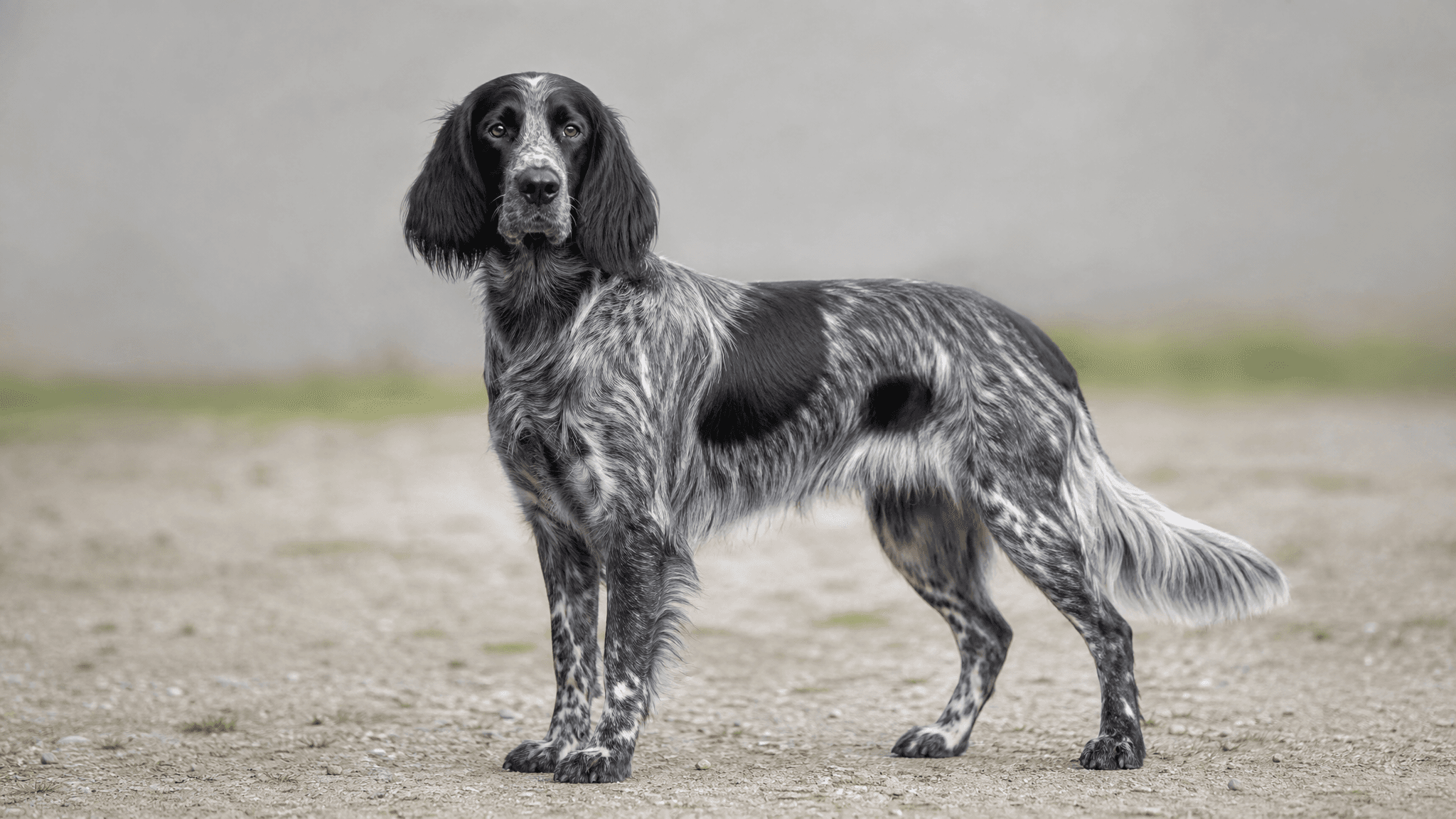
Stabijhoun

Summary
The Stabijhoun is one of the rarest dog breeds in the world, originating from the Frisian province of the Netherlands. The name derives from the Frisian "wees mij trouw" ("be faithful to me") — reflecting its ancestral loyalty as a farm dog. Besides hunting birds and small mammals, it was used for mole catching and as a guard dog on Frisian farms. There are currently about 6,000 specimens in the world, the vast majority in the Netherlands. Its breeding is controlled by a rigorous system that limits the number of litters per female.
Physical Characteristics
- Size
- Medium
- Height (male)
- 53 cm
- Height (female)
- 50 cm
- Weight (male)
- 23–25 kg
- Weight (female)
- 20 kg
- Life Expectancy
- 13–15 years
- Coat
- Medium length, straight, with a tendency to slight waviness; dense; feathering on the ears, back of the legs, and tail ("flag")
- Common Colors
- Black and white, brown and white, orange and white (with or without tan markings); ticking or roan in white areas is accepted
Temperament & Personality
The Stabijhoun is a gentle, patient, intelligent, and very tolerant dog with children and other animals — considered one of the most balanced breeds in the group. Although it can be occasionally stubborn, it is generally obedient and devoted to the owner. In the field, it is a versatile all-rounder that points, flushes, retrieves, and works in water naturally. At home it is calm and not overly demanding.
Activity & Exercise
- Energy Level
- Moderate to high
- Recommended Daily Exercise
- 60–90 minutes
- Suitable for Apartment
- Not recommended
Grooming & Care
- Grooming Needs
- Moderate
- Shedding
- Moderate
- Bathing Frequency
- Every 4–6 weeks
Health
- Common Health Issues
- Elbow dysplasia
- Epilepsy
- Hereditary cataracts
- Hip dysplasia
- Patent ductus arteriosus (PDA)
- Von Willebrand disease type 1
- Recommended Health Tests
- Cardiac examination
- Eye examination
- Orthopedic evaluation
- Von Willebrand genetic test
Compatibility
- With Children
- Excellent
- With Other Dogs
- Excellent
- With Cats
- Excellent
- For First-Time Owners
- Recommended
Is a Stabijhoun right for you?
A Stabijhoun may suit you if:
- You are prepared to provide 60 to 90 minutes of engaging exercise daily, including opportunities for mental stimulation.
- You enjoy outdoor activities like hiking, field sports, or water games where your dog can use its natural retrieving instincts.
- You appreciate a gentle, intelligent, and patient companion who is devoted to their family and tolerant of others.
- You are committed to consistent, positive reinforcement training to nurture its natural obedience and intelligence.
- You are prepared for moderate grooming, including regular brushing to maintain its beautiful medium-length coat and feathering.
- You are willing to manage its natural instincts for pointing, flushing, and retrieving, perhaps even channeling them into dog sports.
Think twice if:
- You expect unwavering obedience without occasional moments of independent thought or stubbornness.
- You have a routine that requires your dog to be left alone for long periods each day.
- You are unprepared to gently guide a dog with a historical guarding instinct, which might lead to protective alerts.
- You are unwilling to commit to daily vigorous exercise or regular brushing to keep its coat healthy and tangle-free.
- You live in an apartment or do not have a securely fenced yard for safe outdoor exploration.
- You are not prepared for the energetic and sometimes boisterous nature of an adolescent dog that needs consistent guidance.
The Stabijhoun offers deep devotion and a gentle nature, making them wonderful family companions. However, their intelligent minds and moderate to high energy require consistent engagement and purpose beyond just being a pet. Living with a Stabijhoun means embracing their active spirit and occasional independent streak, ensuring a truly balanced and happy life together for their 13-15 years.
Training a Stabijhoun
The intelligent and devoted Stabijhoun is a joy to train, responding best to positive reinforcement and consistent, engaging sessions. Their natural desire to please their owner, combined with their working dog heritage, makes them eager learners. Keep training sessions short, fun, and varied to maintain their focus. While generally obedient, their occasional stubborn streak means that harsh corrections or inconsistent handling will be counterproductive, leading to a shut-down dog rather than a cooperative partner. Patience and clear communication are key to unlocking their full potential as a balanced and well-behaved companion.
Begin with:
- Attention to name around distractions
- Recall on a long line
- Loose-leash walking
- Leave it and drop it
- Calm greetings without jumping
- Settling on a mat or bed
- Cooperative handling for grooming
- Waiting at doors and gates
Prey drive and recall
As a pointing dog bred for hunting birds and small mammals, the Stabijhoun possesses a strong natural prey drive. This instinct can make recall challenging, especially when they catch a scent or spot something interesting in the distance. To overcome this, start recall training in a low-distraction environment and gradually introduce more stimulating settings.
Always use high-value rewards for successful recalls, making coming back to you the most rewarding choice. Practice regularly on a long line in safe, open areas to give them freedom while maintaining control. Consistent, positive recall training is vital for their safety and your peace of mind. For more guidance, check out our guide on teaching recall.
Leash manners
With their moderate to high energy level and medium size (up to 25 kg for males), a Stabijhoun can become quite a strong puller on the leash if not taught proper manners early on. Their occasional stubbornness can also contribute to this behavior. Start loose-leash training as a puppy, using positive reinforcement to reward walking calmly by your side. Avoid pulling back or yanking the leash, as this can often make the problem worse.
Focus on rewarding desirable behavior and making walks enjoyable for both of you. Consistent practice, even for short periods, will build good habits. If you're struggling, explore different harness types that discourage pulling. For practical tips, read our force-free plan to stop puppy pulling.
Boredom behaviors
The Stabijhoun is an intelligent and active breed, requiring 60-90 minutes of daily exercise and plenty of mental stimulation. If their physical and mental needs aren't met, they can easily become bored, leading to undesirable behaviors like excessive barking, chewing, or digging. Remember, they are not recommended for apartment living precisely because they thrive with space and activity.
Ensure your Stabijhoun receives adequate exercise through varied activities like walks, runs, and playtime. Incorporate regular training sessions, puzzle toys, and scent work to keep their minds engaged. Establishing a consistent routine with plenty of enrichment will help prevent boredom and ensure your devoted companion remains calm and happy at home. Our training feature can help you build a consistent routine.
Stabijhoun — Frequently Asked Questions
What is the Stabijhoun?
The Stabijhoun is a truly special and rather rare medium-sized dog breed, originating from the beautiful Frisian province of the Netherlands. It belongs to FCI group 7, known as the Spaniel Type, reflecting its versatile hunting abilities. The name 'Stabijhoun' itself is derived from the Frisian 'wees mij trouw,' meaning 'be faithful to me,' which perfectly captures its loyal and devoted nature. These wonderful dogs are known for their gentle, patient, and intelligent temperament, making them incredibly balanced companions.
What was the Stabijhoun originally bred for?
The Stabijhoun has a rich history as a versatile farm dog from the Netherlands, originally bred for a variety of tasks on Frisian farms. They were highly valued for their skills in hunting birds and small mammals, showcasing their natural abilities to point, flush, and retrieve, even working confidently in water. Beyond hunting, these adaptable dogs also served as efficient mole catchers and reliable guard dogs, protecting the farm with their watchful presence. Their ancestral loyalty as a faithful farm dog is truly a defining characteristic of the breed.
How much exercise does a Stabijhoun need?
Stabijhouns are dogs with a moderate to high energy level, so they definitely appreciate regular activity to keep them happy and healthy! We recommend providing your Stabijhoun with about 60 to 90 minutes of exercise each day. This could include engaging walks, playful romps in a secure yard, or even participating in dog sports. Keeping them mentally and physically stimulated will prevent boredom and ensure they remain the calm and balanced companion you adore when they're relaxing at home.
Is the Stabijhoun a good family dog?
Absolutely! The Stabijhoun is renowned for being an exceptional family dog. They are wonderfully gentle, patient, and incredibly tolerant, especially with children and other animals. Their balanced temperament makes them one of the most harmonious breeds, fitting seamlessly into family life. While they are versatile and active outdoors, inside the home, they are typically calm and not overly demanding, making them a delightful and devoted companion for everyone in the household.
Is the Stabijhoun easy to train?
The Stabijhoun is an intelligent and generally obedient breed, making them quite receptive to training. They are devoted to their owners and eager to please, which certainly aids in their trainability. While they can occasionally display a touch of stubbornness, consistent, positive reinforcement methods work wonders. Their versatile nature means they excel in various activities, and with patience and understanding, you'll find them to be a highly trainable and rewarding companion who loves to learn and work alongside you.
What health issues are common in the Stabijhoun?
Like all breeds, Stabijhouns can be predisposed to certain health conditions, and responsible breeding practices are crucial for their well-being. Some documented health concerns in the breed include elbow dysplasia, epilepsy, hereditary cataracts, hip dysplasia, patent ductus arteriosus (PDA), and Von Willebrand disease type 1. Being aware of these potential issues and working with reputable breeders who screen their dogs can help ensure you bring home the healthiest possible companion. Regular veterinary check-ups are also key to their long-term health.
What is the Stabijhoun's coat like and how much grooming does it need?
While specific details about the Stabijhoun's coat texture and grooming frequency weren't provided in our curated database, dogs of this type generally possess a beautiful, natural coat that contributes to their charming appearance. Regular grooming, including brushing, is typically beneficial for most dogs to keep their coat healthy, free of tangles, and to minimize shedding. This routine care also provides a wonderful opportunity for bonding with your faithful companion and helps ensure their skin and coat remain in excellent condition, reflecting their inherent beauty.
What is the typical lifespan of a Stabijhoun?
Stabijhouns are known for being robust and healthy dogs, and with proper care, they typically enjoy a good, long life. You can generally expect your beloved Stabijhoun companion to be with you for a wonderful 13 to 15 years. Providing them with a balanced diet, regular exercise, routine veterinary check-ups, and plenty of love will help ensure they live a full and happy life by your side, bringing joy and loyalty to your home for many years.
Community
Talk to real Stabijhoun owners
This guide covers the breed on paper. In the app, the Stabijhoun community covers it in real life: photos from other owners, questions answered by people who live with the breed, and a directory of dogs you can browse.
- Photos & pollsSee what Stabijhoun owners are sharing today.
- Questions & answersAsk anything and hear from people who own one.
- Dog directoryBrowse Stabijhouns from around the world.
You join automatically when you add a Stabijhoun to your profile.