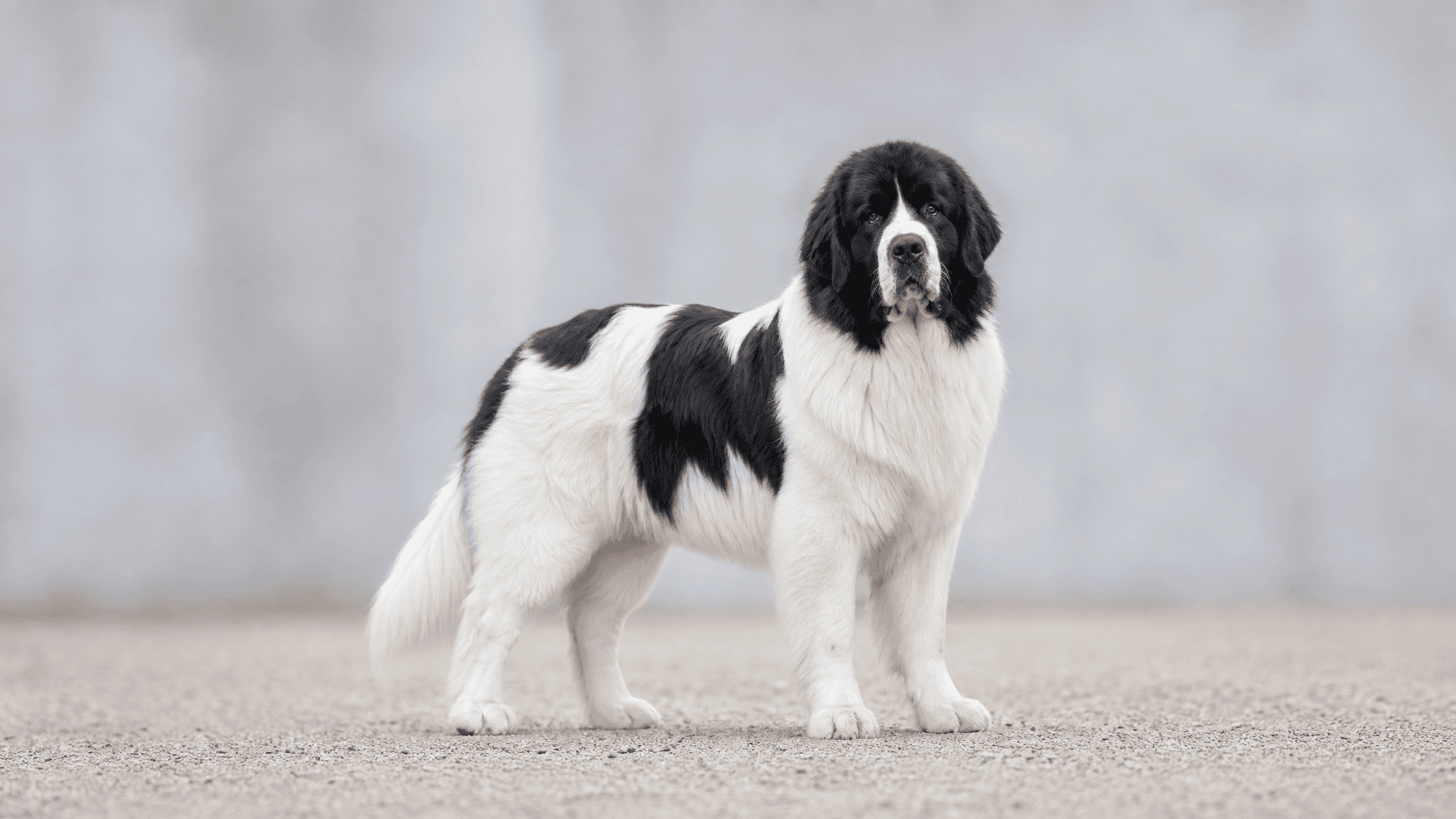
St. Bernard

Summary
The Saint Bernard is perhaps the most famous dog in the world, eternally associated with the snowy mountains of the Alps and the Hospice of the Great St. Bernard, where monks bred it for centuries to rescue travellers lost in the mountain passes. With its impressive mass and natural instinct for finding people buried in snow, it is estimated to have saved more than 2,000 people over the centuries.
Physical Characteristics
- Size
- Giant
- Height (male)
- 80–90 cm
- Height (female)
- 65 cm
- Weight (male)
- 65–120 kg
- Weight (female)
- 50–90 kg
- Life Expectancy
- 8–10 years
- Coat
- Two varieties — short-haired (smooth and dense) and long-haired (wavy)
- Common Colors
- White with reddish or reddish-brown patches, or reddish base with white
Temperament & Personality
The Saint Bernard is the personification of the "gentle giant": calm, patient, tolerant, and extraordinarily affectionate. It is considered one of the best family dogs, especially with children, with whom it has almost infinite patience. It rarely barks without reason and does not have pronounced aggressive instincts. It needs space and is not suitable for small apartments. Generous drooling is a given.
Activity & Exercise
- Energy Level
- Moderate
- Recommended Daily Exercise
- 60–90 minutes
- Suitable for Apartment
- Not recommended
Grooming & Care
- Grooming Needs
- Moderate to high
- Shedding
- Heavy
- Bathing Frequency
- Every 6–8 weeks
Health
- Common Health Issues
- Epilepsy
- Eye problems
- Gastric dilatation/torsion
- Hip and elbow dysplasia
- Osteosarcoma
- Recommended Health Tests
- Cardiac examination
- Eye examination
- Hip and elbow X-rays
Compatibility
- With Children
- Excellent
- With Other Dogs
- Excellent
- With Cats
- Good
- For First-Time Owners
- Acceptable
Is a St. Bernard right for you?
A St. Bernard may suit you if:
- You can provide 60-90 minutes of daily exercise, enjoying leisurely walks and gentle outdoor activities together.
- You enjoy a calm, patient companion who thrives on being an affectionate and tolerant part of your family.
- You appreciate a truly gentle giant, known for their extraordinarily affectionate nature and patience with children.
- You are prepared to commit to consistent, positive training for a large, intelligent dog, which is acceptable for first-time owners.
- You are ready for moderate to high grooming needs, including regular brushing to manage heavy shedding from their coat.
- You are willing to manage generous drooling and appreciate a dog known for rarely barking without reason.
Think twice if:
- You expect instant obedience from a giant breed, as their biddability requires consistent patience and understanding.
- You have a busy household routine that often leaves a dog alone for long periods, as St. Bernards thrive on companionship.
- You are unprepared for the sheer physical presence and strength of a dog that can weigh up to 120 kg, especially with small children.
- You are unwilling to dedicate 60-90 minutes daily to exercise or commit to regular, thorough grooming for heavy shedding.
- You live in a small apartment or lack ample outdoor space, as this giant breed is not recommended for such environments.
- You anticipate a completely dry home, as generous drooling is a charming, if sometimes messy, breed characteristic.
Bringing a St. Bernard into your life is a profound commitment to a gentle giant. While their calm, affectionate nature enriches a family immensely, their size, grooming, and space needs are significant. Be honest about your capacity to provide for this magnificent breed, and you'll be rewarded with an incredibly devoted companion for their 8-10 year lifespan.
Training a St. Bernard
St. Bernards are truly gentle giants, learning best through positive reinforcement, patience, and consistency. Their extraordinarily affectionate and calm nature means they thrive on praise, gentle encouragement, and tasty rewards. Keep training sessions short, fun, and engaging to match their moderate energy level and prevent them from becoming bored. Harsh corrections or impatience will be counterproductive, potentially causing your sensitive St. Bernard to become withdrawn or stubborn, making future training much harder. Build trust and make learning a joyful experience for your loving companion.
Begin with:
- Responding to name around distractions
- Recall on a long line
- Loose-leash walking
- Leave it and drop it
- Calm greetings without jumping
- Settling on a mat or bed
- Cooperative handling for grooming and vet checks
- Waiting at doors and gates
Enthusiastic Greetings
Your St. Bernard's extraordinarily affectionate nature means they love to greet their family and visitors with gusto! However, a dog weighing up to 120 kg jumping up can be overwhelming, even dangerous. Start teaching "four on the floor" from puppyhood.
When someone approaches, ask for a sit. Reward calm behavior with a treat and gentle praise. If they jump, turn away and ignore them until all four paws are on the ground. Consistency is key to managing these joyful but powerful greetings.
Managing Leash Strength
With their giant size and impressive weight, a St. Bernard pulling on the leash can quickly become unmanageable, especially for a first-time owner. Early and consistent training in loose-leash walking is crucial. Use a front-clip harness or head halter for better control, as these tools can help redirect their momentum without causing discomfort.
Practice in quiet areas first, then gradually introduce distractions. Remember, a consistent 60-90 minutes of daily exercise is recommended, and good leash manners make these walks enjoyable for both of you. For more tips, see Top Dog Walking Tips.
Preventing Boredom Behaviors
While St. Bernards have a moderate energy level, they still require consistent mental and physical stimulation to prevent boredom. If under-exercised or left alone for too long without enrichment, they might resort to destructive chewing, excessive drooling, or general lethargy. Remember, they are not suited for small apartments and need space.
Ensure your St. Bernard gets their recommended 60-90 minutes of daily exercise, split into a few walks or play sessions. Incorporate puzzle toys, scent games, and short training bursts throughout the day to keep their minds engaged. If you notice signs of stress when left alone, this guide can help.
St. Bernard — Frequently Asked Questions
How big does a Saint Bernard get?
Saint Bernards are giant dogs. Males typically weigh between 64–82 kg (140–180 lbs) and stand 70–90 cm (28–35 in) at the shoulder. Females are somewhat smaller. Their broad, powerful frame and iconic expression make them unmistakable. Full growth usually takes 2–3 years, during which careful nutrition management is important to support healthy bone and joint development without excessive weight gain.
Are Saint Bernards good family dogs?
Saint Bernards are renowned for being gentle, patient, and devoted family dogs — their Alpine rescue heritage has given them a calm, nurturing instinct. They are wonderfully patient with children and tend to be calm and easygoing indoors. They do best in homes with space where they can stretch out, and they need human company. Their gentle nature makes them excellent companions for families of all shapes and sizes.
Do Saint Bernards drool a lot?
Yes — Saint Bernards are among the drooliest dogs in the world. Their loose, pendulous lips and large jowls produce significant drool — especially after eating, drinking, exercise, or excitement. Saint Bernard owners typically keep dedicated drool cloths in every room. It's simply part of owning one of these magnificent giants, and most owners wouldn't trade it for anything. Just budget for extra cleaning of walls and furniture!
How much exercise does a Saint Bernard need?
Saint Bernards need moderate daily exercise — around 30 to 60 minutes of gentle activity suits most adults. They enjoy leisurely walks but are not suited to intense sport or running in hot weather, as they overheat easily. Puppies should have limited, controlled exercise to protect their developing bones and joints. They thrive on companionship and calm outdoor time rather than high-intensity activity.
Do Saint Bernards shed a lot?
Yes — Saint Bernards are heavy shedders. Both the short-haired and long-haired varieties shed significantly, particularly during the twice-yearly coat blowout in spring and autumn. Regular brushing several times per week, and daily during shedding season, is essential. Their coat should be kept clean and free of mats. Professional grooming every couple of months is a worthwhile investment for long-haired individuals.
Are Saint Bernards good in hot weather?
No — Saint Bernards are poorly suited to hot climates. Their thick double coat and large body mass make them prone to overheating and heatstroke. In warm weather, exercise should be limited to the coolest parts of the day (early morning or evening), and they must always have access to fresh water and shade. Air-conditioned indoor environments are essential for their comfort and safety in summer months.
Are Saint Bernards good with children?
Saint Bernards have a legendary reputation for being gentle, patient, and protective with children. Their calm, nurturing nature makes them naturally attuned to youngsters, and many families describe them as the perfect babysitter. Supervision is still needed — their immense size means they can accidentally knock over a small child without even realising it. Raised with children from puppyhood, a Saint Bernard becomes an irreplaceable, lifelong family companion.
How long do Saint Bernards live?
Saint Bernards have a typical lifespan of 8 to 10 years, common for giant breeds. They are prone to hip and elbow dysplasia, heart conditions, eye problems, and bloat. Maintaining a healthy weight is especially important, as obesity significantly shortens their lifespan and impacts quality of life. Regular veterinary care, a well-balanced diet, appropriate exercise, and choosing a reputable health-tested breeder all play a role in maximising their time with you.
Community
Talk to real St. Bernard owners
This guide covers the breed on paper. In the app, the St. Bernard community covers it in real life: photos from other owners, questions answered by people who live with the breed, and a directory of dogs you can browse.
- Photos & pollsSee what St. Bernard owners are sharing today.
- Questions & answersAsk anything and hear from people who own one.
- Dog directoryBrowse St. Bernards from around the world.
You join automatically when you add a St. Bernard to your profile.