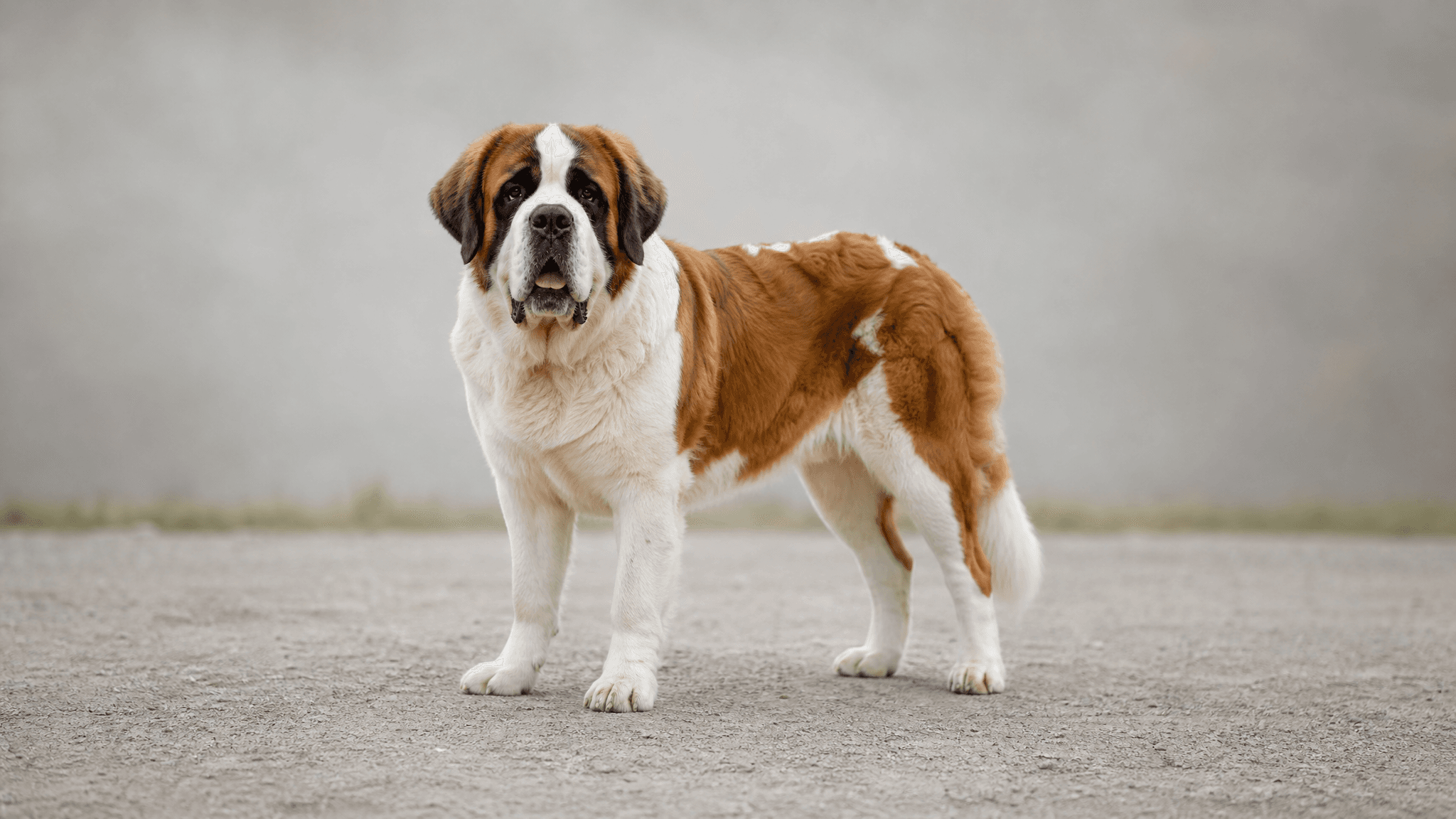
Landseer (European Continental Type)
Summary
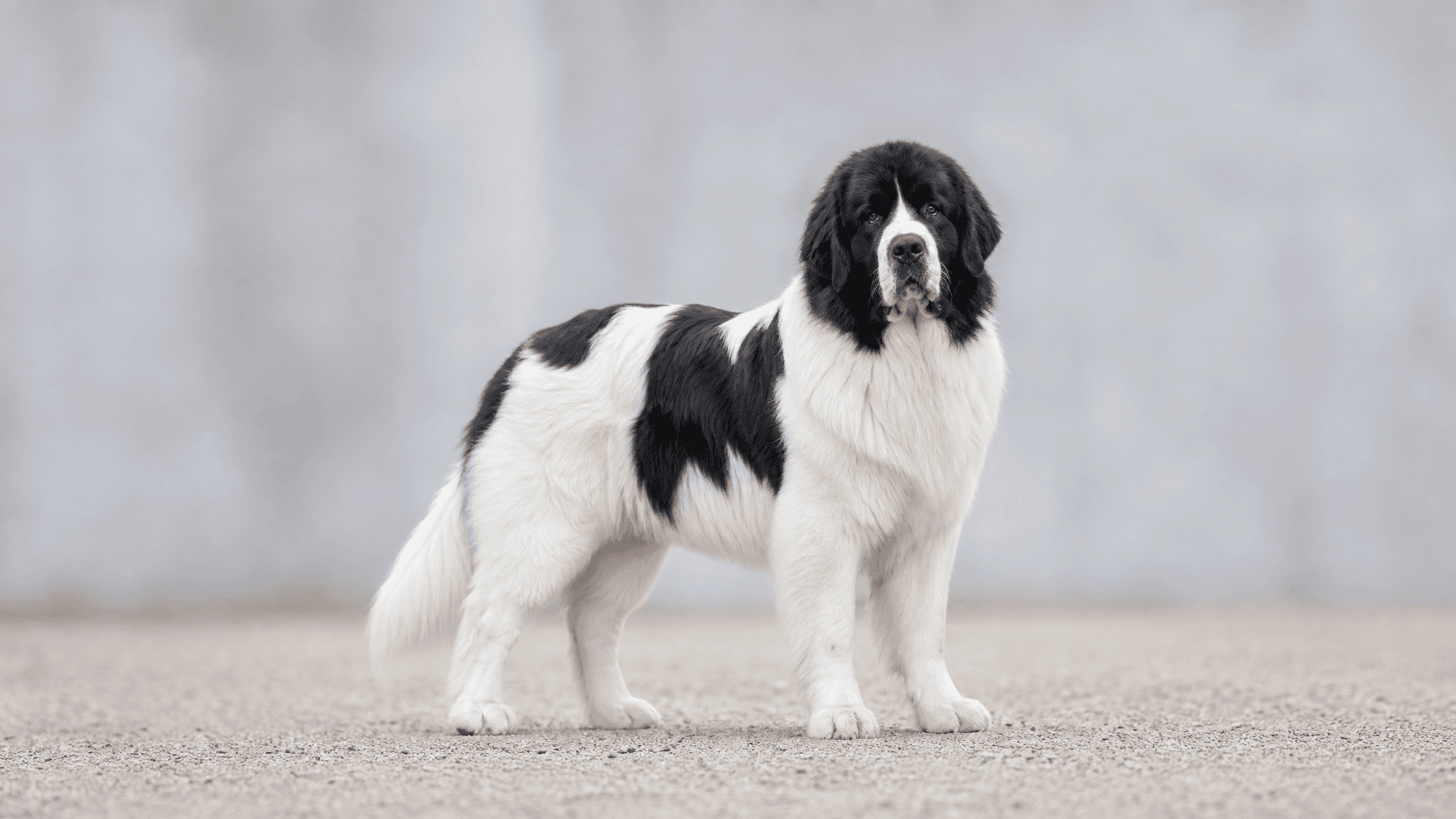
The Landseer European Continental type is often confused with the bicolour Newfoundland, but is considered by the FCI as a distinct breed, with slightly different physical characteristics — it is taller and longer-limbed than the Newfoundland. The name honours the British painter Edwin Landseer (1802–1873), who was famous for his dog portraits, including scenes with black and white dogs in the mountains.
Physical Characteristics
- Size
- Giant
- Height (male)
- 72–80 cm
- Height (female)
- 67–72 cm
- Weight (male)
- 60–80 kg
- Weight (female)
- 45–65 kg
- Life Expectancy
- 8–10 years
- Coat
- Long, dense, slightly wavy
- Common Colors
- White with well-defined black patches; black head with white blaze on the nose
Temperament & Personality
The Landseer shares the Newfoundland's extraordinarily gentle and patient temperament. It is a sociable dog, friendly with everyone — children, adults, other animals — and rarely shows aggression. It loves water and outdoor activities. Like the Newfoundland, it can be an excellent water rescue dog.
Activity & Exercise
- Energy Level
- Moderate
- Recommended Daily Exercise
- 60–90 minutes
- Suitable for Apartment
- Not recommended
Grooming & Care
- Grooming Needs
- High
- Shedding
- Heavy
- Bathing Frequency
- Every 6–8 weeks
Health
- Common Health Issues
- Gastric dilatation
- Heart disease
- Hip dysplasia
- Recommended Health Tests
- Cardiac examination
- Hip radiography
Compatibility
- With Children
- Excellent
- With Other Dogs
- Excellent
- With Cats
- Good
- For First-Time Owners
- Acceptable
Is a Landseer (European Continental Type) right for you?
A Landseer (European Continental Type) may suit you if:
- You are prepared to provide 60 to 90 minutes of engaging outdoor activity daily, including joyful water play.
- You enjoy an active lifestyle that includes swimming, hiking, and sharing adventures with a large, gentle companion.
- You appreciate a profoundly gentle, patient, and sociable giant who thrives on being part of all family interactions.
- You are committed to consistent, positive training methods to nurture a well-mannered and responsive giant.
- You are ready for a significant grooming routine, including regular brushing of a long, dense coat to manage heavy shedding.
- You are happy to embrace a dog who will enthusiastically seek out and enjoy every puddle or body of water.
Think twice if:
- You expect instant, robot-like obedience from your companion, as this gentle giant has an independent spirit.
- You frequently leave your dog alone for long hours, as this sociable breed truly thrives on companionship.
- You are not prepared for the significant responsibility of supervising a giant, even a gentle one, around very young children or fragile smaller pets.
- You are unwilling to commit to daily vigorous exercise and a substantial, regular grooming schedule for a long-coated dog.
- You live in an apartment or a home without ample indoor and secure outdoor space for a giant breed to stretch out.
- You are unable or unwilling to physically manage a powerful, playful giant during its energetic adolescent phase.
The Landseer is a truly magnificent and gentle companion, offering boundless affection and a calm presence. However, their giant size and significant needs for exercise, grooming, and companionship demand a devoted family. While incredibly loving, they are not a 'set it and forget it' dog, requiring consistent effort to thrive as a cherished member of your home.
Training a Landseer (European Continental Type)
Training a Landseer is a delightful experience, thanks to their exceptionally gentle and patient nature. These sociable giants thrive on positive reinforcement, responding beautifully to praise, tasty treats, and engaging play, especially anything involving water. Keep training sessions short, fun, and consistent to maintain their focus and enthusiasm. Because they are so eager to please and form strong bonds, harsh corrections or inconsistent handling can easily confuse and upset them, potentially leading to a withdrawn or anxious learner rather than the confident companion you desire. Remember, patience and kindness are your best tools with this magnificent breed.
Begin with:
- Attention and response to name around distractions
- Recall on a long line
- Loose-leash walking
- Leave it and drop it
- Calm greetings without jumping
- Settling on a mat or bed
- Cooperative handling for grooming, ears, feet and teeth
- Waiting at doors and gates
Outdoor distractions
Landseers adore the outdoors and especially water, which can make focusing on you a challenge when exciting scents, other animals, or a tempting body of water appear. Their natural curiosity and love for activity mean they'll be keen to explore. To keep them engaged, make yourself the most exciting thing around! Practice recall and attention exercises in progressively distracting environments, always rewarding generously when they choose you over the environment. A long line is invaluable for safe practice near water or in open spaces until their recall is rock-solid. Remember, their gentle nature means they respond best to positive encouragement, not frustration.
Managing their strength
Given their giant size and impressive weight (males 60-80 kg, females 45-65 kg), a Landseer pulling on the leash can quickly become unmanageable. It's crucial to start loose-leash walking training from puppyhood, establishing good habits before they reach their full powerful size. Use a comfortable, well-fitting front-clip harness to help manage their pulling without causing discomfort or injury. Consistency is key; every time they pull, stop walking until the leash slackens, then reward them for walking calmly by your side. For more detailed guidance, check out our guide on stopping leash pulling.
Boredom and loneliness
Despite their moderate energy level, Landseers require 60-90 minutes of daily exercise and significant mental stimulation to stay happy and well-behaved. As sociable dogs, they thrive on companionship and can become anxious or destructive if left alone for too long or if their needs aren't met. Ensure they get their recommended exercise, incorporating varied activities like swimming or exploring new walking routes. Provide puzzle toys or training sessions to keep their minds active. If you must leave them, gradually increase alone time and consider a dog walker or sitter for longer absences to prevent stress. You can learn more about recognizing stress signs in our article on canine separation stress.
Landseer (European Continental Type) — Frequently Asked Questions
What is the Landseer (Europäisch-Kontinentaler Typ) (Landseer (European Continental Type))?
The Landseer (European Continental Type) is a magnificent giant breed, often mistaken for a bicolour Newfoundland, but recognized as a distinct breed by the FCI, belonging to Group 2 (Mountain type). Originating from Germany and Switzerland, these dogs are notably taller and longer-limbed than their Newfoundland cousins. The breed's name beautifully honors the British painter Edwin Landseer, famous for his captivating dog portraits, which often featured striking black and white dogs in mountainous settings. They are truly impressive companions with a gentle spirit.
What was the Landseer (Europäisch-Kontinentaler Typ) (Landseer (European Continental Type)) originally bred for?
While the specific historical "bred for" purpose isn't explicitly detailed, the Landseer (European Continental Type) has a rich heritage as a robust and capable working dog, especially in mountainous regions, given its FCI Mountain type classification. Like the Newfoundland, it possesses an innate love for water and exceptional water rescue instincts, making it a natural hero in aquatic environments. Their strength, endurance, and gentle nature would have made them invaluable companions and protectors, ready to assist in various outdoor activities and potentially even rescue missions, embodying a spirit of helpfulness and loyalty.
How much exercise does a Landseer (Europäisch-Kontinentaler Typ) (Landseer (European Continental Type)) need?
Despite their giant size, Landseers have a moderate energy level, meaning they don't require an extreme amount of exercise, but consistent activity is key to their happiness and health! We recommend providing your Landseer with 60 to 90 minutes of exercise daily. They absolutely adore outdoor activities and have a special fondness for water, so incorporating swimming or walks near a lake or beach can be a wonderful way to meet their exercise needs. Regular, engaging activity will keep their bodies strong and their gentle minds stimulated.
Is the Landseer (Europäisch-Kontinentaler Typ) (Landseer (European Continental Type)) a good family dog?
Absolutely, the Landseer (European Continental Type) is renowned for being an extraordinarily gentle and patient family dog! They share the wonderful temperament of the Newfoundland, making them incredibly sociable and friendly with everyone they meet – children, adults, and other animals alike. Aggression is rarely seen in this breed, making them a safe and loving addition to almost any household. Their calm demeanor and protective instincts, combined with their love for companionship, ensure they integrate beautifully into family life, becoming cherished members of the home.
Is the Landseer (Europäisch-Kontinentaler Typ) (Landseer (European Continental Type)) easy to train?
Yes, the Landseer (European Continental Type) is generally considered quite trainable! Their gentle, patient, and sociable temperament makes them eager to please and responsive to positive reinforcement. They are intelligent dogs, and their natural inclination towards companionship means they thrive on interaction and learning new things with their human family. Given their potential as excellent water rescue dogs, it's clear they possess a strong capacity for understanding and executing commands. Consistent, kind training methods will bring out the best in your Landseer, fostering a strong bond and a well-behaved companion.
What health issues are common in the Landseer (Europäisch-Kontinentaler Typ) (Landseer (European Continental Type))?
Like all breeds, Landseers can be prone to certain health conditions, and being aware of these can help you provide the best care for your beloved companion. Some documented health concerns for the Landseer (European Continental Type) include Gastric Dilatation, which is a serious condition often referred to as bloat, Heart Disease, and Hip Dysplasia. Regular veterinary check-ups, a balanced diet, and appropriate exercise are crucial for monitoring and managing these potential issues, ensuring your Landseer lives a long and healthy life by your side.
What is the Landseer (Europäisch-Kontinentaler Typ) (Landseer (European Continental Type))'s coat like and how much grooming does it need?
The Landseer (European Continental Type) is known for its striking black and white coat, as famously depicted by Edwin Landseer. While the specific texture isn't detailed, as a large, often long-coated breed, they will certainly benefit from regular grooming to keep their fur healthy and free of mats. Expect to dedicate time to brushing several times a week to manage shedding and maintain the beauty of their coat. This routine not only keeps them looking their best but also provides a wonderful opportunity for bonding with your gentle giant.
What is the typical lifespan of a Landseer (Europäisch-Kontinentaler Typ) (Landseer (European Continental Type))?
It's wonderful to think about the many years of companionship you can share with a Landseer (European Continental Type)! Typically, these magnificent dogs enjoy a lifespan of 8 to 10 years. Providing them with excellent nutrition, regular veterinary care, consistent exercise within their moderate energy needs, and plenty of love and mental stimulation will contribute significantly to their overall well-being and help them live a full and happy life. Cherish every moment with your gentle giant!
Community
Talk to real Landseer (European Continental Type) owners
This guide covers the breed on paper. In the app, the Landseer (European Continental Type) community covers it in real life: photos from other owners, questions answered by people who live with the breed, and a directory of dogs you can browse.
- Photos & pollsSee what Landseer (European Continental Type) owners are sharing today.
- Questions & answersAsk anything and hear from people who own one.
- Dog directoryBrowse Landseer (European Continental Type)s from around the world.
You join automatically when you add a Landseer (European Continental Type) to your profile.