Skye Terrier

Summary
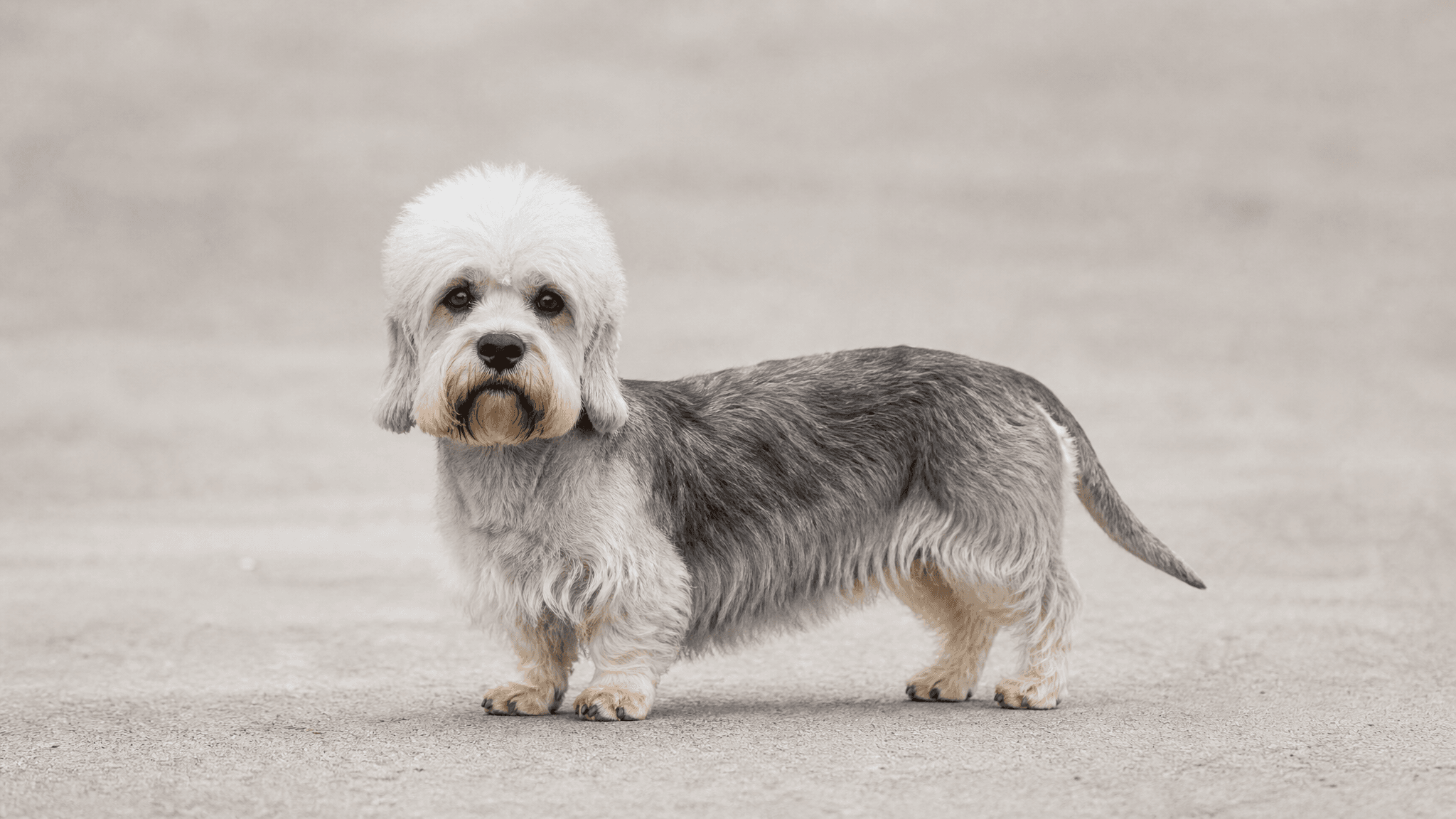
The Skye Terrier originates from the Isle of Skye, in the Inner Hebrides of Scotland, and is one of the oldest Scottish terriers, being referenced in literature since the 16th century. Its silhouette is immediately recognizable: a low, long dog (twice its height), completely covered by a long, straight coat that falls over the eyes and the sides of the body. It was very popular at Queen Victoria's court. Today it is one of the rarest breeds in the world.
Physical Characteristics
- Size
- Small
- Height (male)
- 25–26 cm
- Height (female)
- 20–24 cm
- Weight (male)
- 16–20 kg
- Weight (female)
- 12–14 kg
- Life Expectancy
- 12–15 years
- Coat
- long, hard, and straight outer coat; soft and woolly undercoat; completely covers the body, head, and eyes
- Common Colors
- dark grey, light grey, blue, brown, fawn, cream; ears and muzzle darker
Temperament & Personality
The Skye Terrier is elegant, dignified, and deeply loyal to its owner — it is the prototype of the "one-man dog." Completely dedicated to the person it chooses, it can be cold or even aggressive with strangers. It is not aggressive by nature, but firmly defends its territory and its owner if provoked. Very courageous for its size, it has a very distinct character that does not suit all owners.
Activity & Exercise
- Energy Level
- Moderate
- Recommended Daily Exercise
- 30–45 minutes
- Suitable for Apartment
- Yes
Grooming & Care
- Grooming Needs
- High
- Shedding
- Moderate
- Bathing Frequency
- Every 4–6 weeks
Health
- Common Health Issues
- Cancer (mast cell tumors, hemangiosarcoma, lymphoma)
- Elbow dysplasia
- Kidney disease
- Recommended Health Tests
- Joint evaluation
- Kidney evaluation
Compatibility
- With Children
- Moderate
- With Other Dogs
- Moderate
- With Cats
- Moderate
- For First-Time Owners
- Not recommended
Is a Skye Terrier right for you?
A Skye Terrier may suit you if:
- You are happy to provide 30 to 45 minutes of daily exercise to keep your companion content.
- You enjoy a deep, exclusive bond with a loyal companion who chooses you as their person.
- You appreciate a dignified and courageous companion with a strong, distinct personality.
- You are prepared to commit to consistent, experienced training for a terrier with a distinct will.
- You are ready for the significant commitment of regular grooming to maintain a long, flowing coat.
- You understand and can manage a protective nature that courageously defends its home and loved ones.
Think twice if:
- You expect immediate and easy obedience from a breed known for its independent terrier spirit.
- You have a busy schedule that frequently leaves a deeply loyal companion alone for extended periods.
- You desire a dog that will instantly welcome all strangers, children, or other pets into your home.
- You are unwilling to dedicate time daily for moderate exercise or commit to high-level grooming needs.
- You are unable to provide a securely contained space where a territorial dog can feel safe and guard its home.
- You are not prepared for the consistent, firm, yet gentle handling required to guide a strong-willed terrier.
The Skye Terrier offers unparalleled loyalty and a truly unique companionship, forming an incredibly deep bond with its chosen person. However, this elegant breed also comes with a strong will and a protective instinct, demanding an owner prepared for consistent guidance and significant grooming. They are not a dog for everyone, but for the right person, a Skye Terrier is an extraordinary and devoted friend for 12 to 15 years.
Training a Skye Terrier
Skye Terriers are wonderfully devoted companions, but their strong will and independent spirit mean training requires patience and consistency. They thrive on positive reinforcement, especially when it comes from their chosen person. Keep training sessions short, fun, and engaging to hold their attention, as repetition without reward can quickly lead to boredom for this intelligent breed. If training is inconsistent or harsh, this courageous dog may become stubborn or even aloof, making progress much harder and potentially damaging your bond.
Begin with:
- Attention and response to name around distractions
- Recall on a long line
- Loose-leash walking
- Leave it and drop it
- Calm greetings without jumping
- Settling on a mat or bed
- Cooperative handling for grooming, ears, feet and teeth
- Waiting at doors and gates
Prey Drive and Recall
Skye Terriers, true to their terrier heritage, possess a strong prey drive. This instinct can make recall a significant challenge, especially when they spot something interesting like a squirrel or a leaf blowing in the wind. Their courage means they won't back down easily once focused. To build a reliable recall, start in a quiet, fenced area with minimal distractions. Use high-value treats and enthusiastic praise every time your Skye comes to you. Gradually introduce more distractions, always using a long line for safety until their recall is rock-solid. Remember, consistency is key, and making coming to you the most rewarding option will help overcome their natural instincts. For more detailed steps, check out our guide on teaching recall.
Leash Manners
Despite their small size, Skye Terriers are determined little dogs, and if they decide they want to get somewhere, they can certainly pull on the leash. This isn't just uncomfortable for you; it can also be detrimental to their neck and throat. Start training loose-leash walking early, making sure to reward every step they take with a slack leash. If they pull, simply stop walking until the leash loosens, then resume. A front-clip harness can be a helpful tool to gently redirect their momentum without causing discomfort. For more tips on making walks enjoyable, explore our top dog walking tips.
Boredom and Solitude
While Skye Terriers have a moderate energy level, requiring 30-45 minutes of exercise daily, they also need mental stimulation to prevent boredom. As 'one-man dogs' deeply loyal to their chosen person, they can struggle when left alone for extended periods without adequate engagement. This can manifest as destructive chewing, excessive barking, or other undesirable behaviors. Provide puzzle toys, rotate their toys regularly, and ensure they have a comfortable, safe space. If you must leave them, consider a dog walker or a friend to break up their day. Understanding the signs of stress when you leave can help you address any separation-related issues proactively.
Skye Terrier — Frequently Asked Questions
What is the Skye Terrier?
The Skye Terrier, hailing from the beautiful Isle of Skye in Scotland, is a truly unique and ancient breed, recognized by the FCI in Group 3 as a Small-Sized Terrier. These elegant dogs are instantly recognizable by their striking silhouette: a low, long body, about twice its height, completely enveloped in a luxurious, straight coat that gracefully falls over their eyes and along their sides. They carry themselves with an air of dignity and are known for their distinctive appearance and deeply loyal nature, making them a truly special companion.
What was the Skye Terrier originally bred for?
The Skye Terrier boasts a rich history, with references in literature dating back to the 16th century, making it one of the oldest Scottish terriers. Originating from the rugged landscapes of the Isle of Skye, these courageous dogs were historically bred for their tenacity and bravery in hunting vermin, a common role for terriers. Their distinctive long coat offered protection from the harsh elements and dense undergrowth. They even found favor in royal circles, becoming very popular at Queen Victoria's court, a testament to their dignified presence and enduring appeal throughout history.
How much exercise does a Skye Terrier need?
Despite their moderate energy level, Skye Terriers definitely appreciate their daily outings! To keep your Skye happy and healthy, we recommend about 30–45 minutes of exercise each day. This doesn't necessarily mean intense, high-impact activities; a couple of brisk walks, some playtime in a secure yard, or even a good game of fetch will suffice. They enjoy exploring and sniffing around, so varying your walking routes can keep things interesting for them. Consistent, moderate activity helps maintain their physical condition and keeps their minds engaged.
Is the Skye Terrier a good family dog?
While deeply loyal and loving to their chosen person, Skye Terriers are often described as 'one-man dogs,' forming an incredibly strong bond with their primary owner. This intense devotion can mean they are reserved, or even cold, with strangers, and they will bravely defend their territory and loved ones if provoked. Because of their distinct character and protective instincts, they may not be the ideal choice for families with very young children or multiple other pets unless introduced and socialized very carefully from a young age. Early socialization is truly key to helping them thrive in a multi-member household, ensuring they feel secure and understood.
Is the Skye Terrier easy to train?
Skye Terriers are intelligent dogs with a very distinct character, which means training them requires patience, consistency, and a positive approach. They are not inherently aggressive but possess a courageous and dignified spirit that can sometimes translate into a strong will. While deeply loyal to their owner, they need clear, firm, and fair guidance to understand boundaries. Early socialization and consistent, reward-based training are essential to harness their intelligence and ensure they grow into well-behaved companions, as their unique personality doesn't suit all owners and requires an owner who understands their independent nature.
What health issues are common in the Skye Terrier?
Like all breeds, Skye Terriers can be predisposed to certain health conditions, and being aware of these can help you provide the best care for your beloved companion. Some documented health concerns in the breed include certain types of cancer, such as mast cell tumors, hemangiosarcoma, and lymphoma. Additionally, elbow dysplasia, a condition affecting the elbow joints, and kidney disease have been observed. Regular veterinary check-ups, a balanced diet, and a healthy lifestyle are crucial for early detection and management, helping your Skye live a long and happy life.
What is the Skye Terrier's coat like and how much grooming does it need?
The Skye Terrier boasts a magnificent, long, straight coat that beautifully drapes over its eyes and along its sides, giving them their iconic look. This stunning coat does require regular attention to keep it in tip-top condition and prevent matting. While it's not overly demanding, you'll want to commit to regular brushing, perhaps a few times a week, to remove loose hair and keep tangles at bay. Occasional professional grooming or a thorough home bath and trim will help maintain their elegant appearance and ensure their comfort, allowing their natural beauty to shine through.
What is the typical lifespan of a Skye Terrier?
Skye Terriers are known for being robust and generally healthy dogs, and with proper care, they can be wonderful companions for many years. The typical lifespan for a Skye Terrier is generally between 12 and 15 years. Providing them with a high-quality diet, regular veterinary check-ups, appropriate exercise, and plenty of love and mental stimulation will contribute significantly to their longevity and overall well-being. They truly become cherished members of the family for a long time.
Community
Talk to real Skye Terrier owners
This guide covers the breed on paper. In the app, the Skye Terrier community covers it in real life: photos from other owners, questions answered by people who live with the breed, and a directory of dogs you can browse.
- Photos & pollsSee what Skye Terrier owners are sharing today.
- Questions & answersAsk anything and hear from people who own one.
- Dog directoryBrowse Skye Terriers from around the world.
You join automatically when you add a Skye Terrier to your profile.