Shih Tzu
Summary
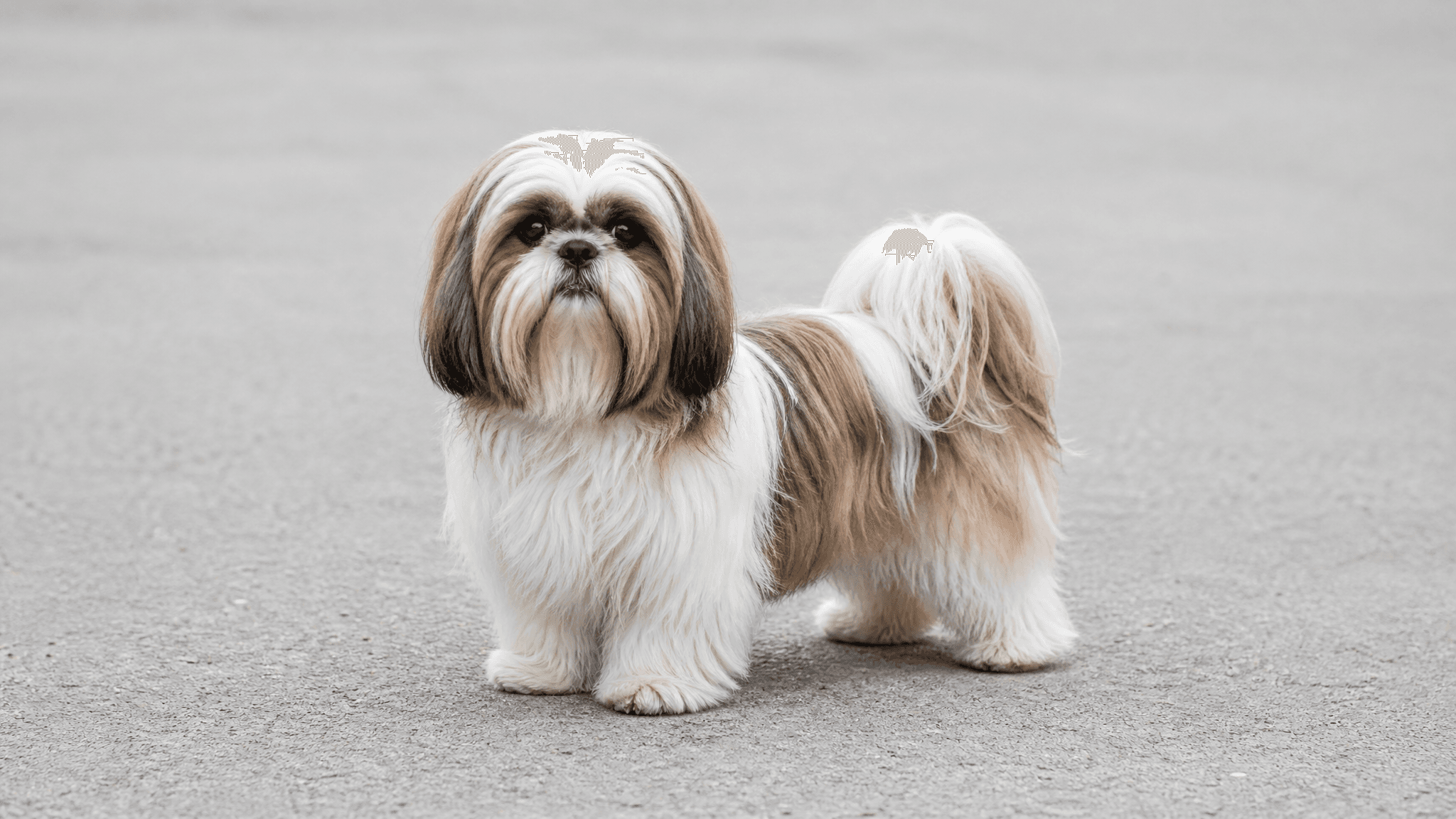
The Shih Tzu, whose name means "lion dog" in Mandarin, was bred in Chinese imperial palaces as an exclusive companion animal for the imperial family. It is believed to descend from crosses between Tibetan breeds and the Pug. It is a breed that has maintained its appearance practically unchanged over centuries, with its luxuriant coat, flat face, and characteristic topknot tied on top of the head.
Physical Characteristics
- Size
- Small
- Height (male)
- 24–27 cm
- Height (female)
- 22–25 cm
- Weight (male)
- 4–7.5 kg
- Weight (female)
- 4–7 kg
- Life Expectancy
- 10–18 years
- Coat
- Long, dense, can be straight or slightly wavy; double coat (long outer coat and moderate undercoat)
- Common Colors
- All colors are accepted — white, gold, black, grey, brindle, parti-color (bicolor/tricolor)
Temperament & Personality
The Shih Tzu is a cheerful, affectionate, and remarkably good-natured dog. It is adaptable and gets along well with children, other dogs, and cats when properly socialized. Despite being a companion breed, it is not overly dependent and can be relatively independent. Its heritage as a palace dog gives it a natural dignity, although tempered by a great deal of playfulness and humor.
Activity & Exercise
- Energy Level
- Moderate
- Recommended Daily Exercise
- 20–30 minutes
- Suitable for Apartment
- Yes
Grooming & Care
- Grooming Needs
- High
- Shedding
- Moderate
- Bathing Frequency
- Every 2–4 weeks
Health
- Common Health Issues
- Brachycephalic obstructive airway syndrome (mild)
- Ear infections
- Eye problems
- Hip dysplasia
- Kidney problems (glomerular nephropathy)
- Patellar luxation
- Umbilical hernia
- Recommended Health Tests
- Airway evaluation
- Eye examination
- Kidney exam
- Orthopedic evaluation
Compatibility
- With Children
- Good
- With Other Dogs
- Good
- With Cats
- Good
- For First-Time Owners
- Recommended
Is a Shih Tzu right for you?
A Shih Tzu may suit you if:
- You can commit to 20 to 30 minutes of daily exercise, enjoying leisurely walks and indoor play with your companion.
- You enjoy a relaxed lifestyle where your dog is a central part of the family, thriving in an apartment setting.
- You appreciate a cheerful, affectionate, and remarkably good-natured dog that gets along well with everyone.
- You are prepared to embrace consistent, positive training methods to guide a smart and sometimes independent spirit.
- You are ready for the commitment of high grooming needs, including daily brushing and regular professional care for their luxurious coat.
- You are charmed by a dog that balances a regal demeanor with a playful and humorous personality.
Think twice if:
- You expect unwavering obedience, as Shih Tzus possess a charmingly independent spirit and are not always eager to please.
- You have a lifestyle requiring your dog to be left alone for extended periods, as these companion dogs thrive on human interaction.
- You are unwilling to teach young children gentle interaction with a small, delicate dog, despite their generally good nature.
- You are not prepared for the significant commitment of daily grooming and regular bathing to maintain their luxurious coat.
- You are looking for a dog that can tolerate extreme outdoor conditions, as their flat face makes them more suited to indoor comfort.
- You are unwilling to manage potential house-training challenges with patience and consistency, which can sometimes be a trait of smaller breeds.
The Shih Tzu is a delightful companion, full of cheer and affection, making them wonderful family members. However, their regal appearance comes with a commitment to high grooming needs and an independent streak that requires patient training. Embrace their unique personality and care requirements, and you'll be rewarded with a devoted, humorous friend for many years.
Training a Shih Tzu
Shih Tzus are delightful learners, motivated by positive reinforcement like tasty treats, enthusiastic praise, and playful interaction. Their cheerful and affectionate nature means they thrive on engaging, short training sessions that feel like a fun game rather than a chore. Aim for 5-10 minute bursts, several times a day, to keep their focus. If training becomes repetitive, harsh, or boring, these dignified little companions can quickly become stubborn or disengaged. Consistency and patience, coupled with a lighthearted approach, are key to unlocking their full learning potential and building a strong bond.
Begin with:
- Responding to name and attention around distractions
- Recall on a long line
- Loose-leash walking
- Leave it and drop it
- Calm greetings without jumping
- Settling on a mat or bed
- Cooperative handling for grooming, ears, feet, and teeth
- Waiting at doors and gates
Motivating the Dignified Learner
Shih Tzus possess a charming blend of playfulness and dignity. While they love to please and enjoy interaction, their independent streak means they won't just obey for obedience's sake. If a training exercise isn't fun or rewarding, they can quickly decide it's not worth their effort. Focus on making every session a positive experience with high-value treats and enthusiastic praise.
Keep training sessions short and varied to prevent boredom. If your Shih Tzu seems to lose interest, try a different game or take a short break. Remember, a happy, engaged Shih Tzu is a willing learner, so always end on a positive note, even if it's just for a small success. For a crucial skill like recall, make it a joyful game; you can find excellent tips in our guide on teaching recall.
Leash Manners for Small Dogs
Despite their small size (typically 4-7.5 kg), a Shih Tzu can still pull surprisingly hard on the leash, making walks less enjoyable for both of you. Due to their delicate neck and trachea, and also their flat-faced structure, a well-fitted harness is often a much safer and more comfortable option than a collar for walks. This distributes pressure across their chest rather than their throat, preventing potential injury or discomfort.
Start practicing loose-leash walking in a quiet area before gradually introducing more distractions. Reward every step taken calmly by your side. For practical, force-free guidance, check out this guide on stopping leash pulling.
Preventing Boredom and Loneliness
As companion dogs, Shih Tzus thrive on interaction and can become distressed if left alone for extended periods or if they don't receive enough mental and physical stimulation. While they only need 20-30 minutes of daily exercise, quality playtime, puzzle toys, and consistent training sessions are vital for their mental well-being.
If your Shih Tzu is under-stimulated or frequently left alone, they might resort to unwanted behaviors like excessive barking, chewing, or house-soiling. Establish a consistent routine, provide engaging toys, and consider short, frequent training bursts throughout the day. If you notice signs of stress when you leave, understanding these signs can help you address the root cause.
Shih Tzu — Frequently Asked Questions
What is the history and personality of the Shih Tzu?
The Shih Tzu is one of the world's oldest companion breeds, developed in Chinese imperial courts as a prized lap dog for royalty. Their name means 'lion dog' in Mandarin, reflecting their leonine appearance. Their personality matches their regal heritage: they're affectionate, playful, outgoing, and surprisingly confident for such a small dog. They bond warmly with everyone in the household and are generally friendly rather than suspicious — a true companion in every sense.
How much grooming does a Shih Tzu need?
Shih Tzus have a long, flowing double coat that grows continuously and requires significant grooming. In the traditional long coat, daily brushing is essential to prevent matting and tangles. Many owners opt for a shorter 'puppy clip' that needs professional trimming every 6–8 weeks and only a few brushes per week at home. Their face requires daily attention — the long hair around their eyes must be kept clean and clear of their large, vulnerable eyes. Regular ear cleaning and nail trimming complete the routine.
Are Shih Tzus good apartment dogs?
Shih Tzus are superb apartment dogs — they were bred for exactly this kind of indoor companion life. They're small, calm indoors, relatively quiet, and perfectly content with moderate exercise. They don't need a garden and thrive in urban environments. Their main apartment consideration is managing the heat, as their flat-nosed faces limit their ability to cool down. Air-conditioning in summer is important, and avoiding walks in the hottest parts of the day keeps them comfortable year-round.
Are Shih Tzus good with children?
Shih Tzus are friendly, playful, and generally great with older children who know how to handle small dogs gently. Their flat faces and large, prominent eyes make them vulnerable to injury from rough play, and they may nip if startled or handled too roughly. For families with very young toddlers, supervision is always important. With children who are taught to interact calmly and gently, the Shih Tzu's warm, playful nature makes them wonderful little companions.
What health issues are common in Shih Tzus?
Shih Tzus are brachycephalic, which can cause breathing difficulties in heat or stress. Their large, prominent eyes are prone to ulcers and injury — regular cleaning with a damp cloth and keeping hair away from the eyes is essential. Dental disease is common (small jaw, crowded teeth), hip dysplasia is seen in some lines, and renal dysplasia (kidney disease) is a known hereditary condition in the breed. Using a harness rather than a collar protects their trachea, which can be prone to collapse in toy breeds.
How long do Shih Tzus typically live?
Shih Tzus are a long-lived breed, typically reaching 10–16 years. Proactive dental care, protecting their eyes from injury and infection, using a harness to prevent tracheal stress, and keeping them at a healthy weight all contribute to their longevity. Their coat should be kept well-groomed to prevent skin issues under mats. Shih Tzus who receive consistent, attentive care regularly live into their mid-teens, which is one of the great rewards of choosing this breed.
Are Shih Tzus easy to train?
Shih Tzus are intelligent but have an independent, pleasingly stubborn streak — they were bred to please Chinese emperors, not herd sheep, and they show it in training. They respond to positive reinforcement and food rewards, but won't tolerate repetitive or harsh methods. Housetraining can be slow (their small bladder size compounds this), and consistent crate training from day one helps significantly. Keep sessions short, fun, and reward-based, and a Shih Tzu will surprise you with their capacity for learning.
Do Shih Tzus get along with other pets?
Shih Tzus are naturally sociable and generally get along well with other dogs and cats — they're friendly rather than territorial, which makes multi-pet introductions relatively straightforward. Their confidence means they don't back down from larger dogs, which can occasionally get them into trouble, so supervision during initial dog-to-dog interactions is sensible. Their playful, outgoing nature makes them pleasant housemates for a variety of pets when introductions are managed patiently and gradually.
Community
Talk to real Shih Tzu owners
This guide covers the breed on paper. In the app, the Shih Tzu community covers it in real life: photos from other owners, questions answered by people who live with the breed, and a directory of dogs you can browse.
- Photos & pollsSee what Shih Tzu owners are sharing today.
- Questions & answersAsk anything and hear from people who own one.
- Dog directoryBrowse Shih Tzus from around the world.
You join automatically when you add a Shih Tzu to your profile.