Shar Pei
Summary
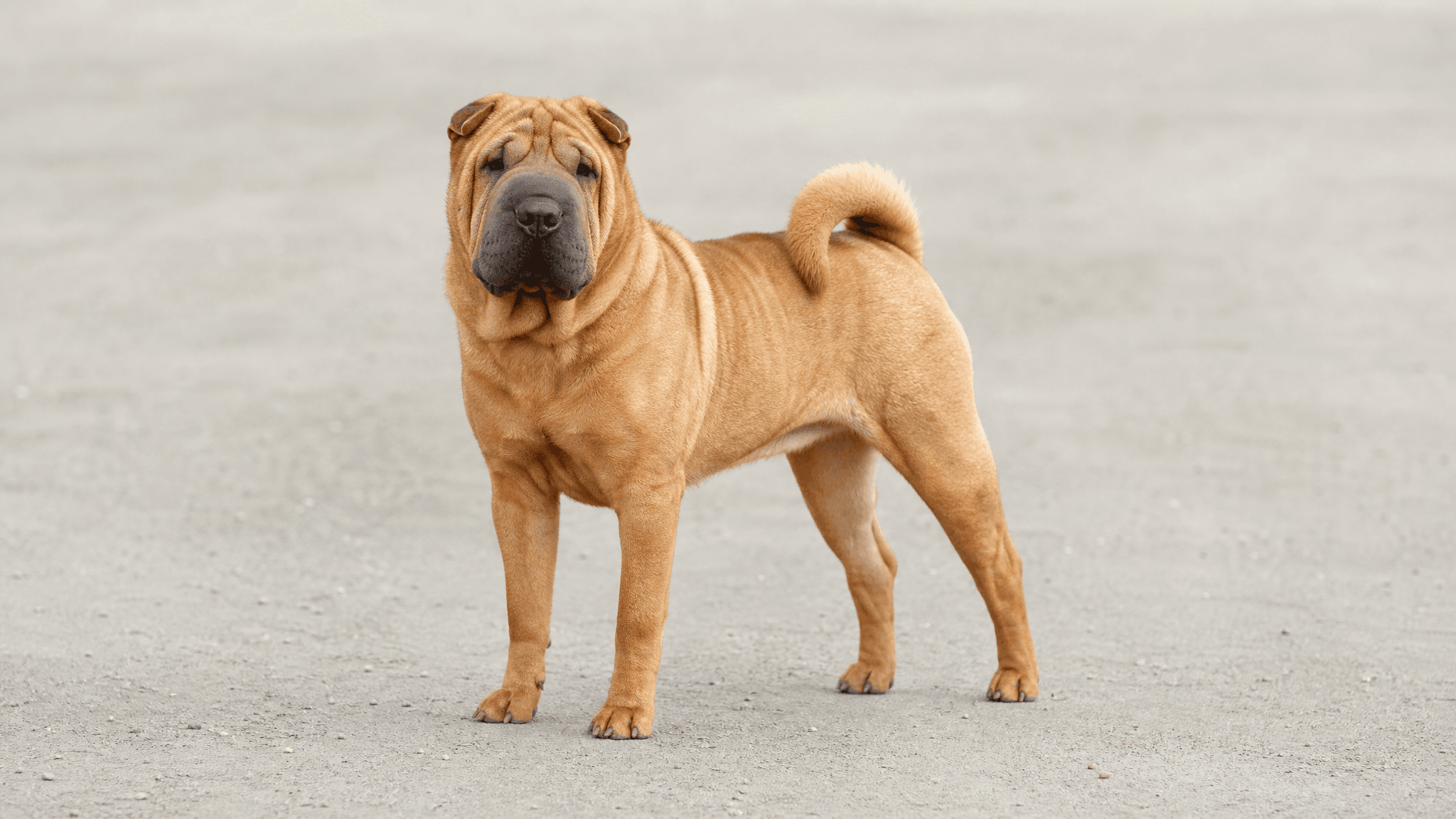
The Shar Pei is one of the oldest and most unmistakable breeds in the world, with a history of more than 2,000 years in China, where it was used as a guard dog, hunting dog, and fighting dog. Its name means "sand skin" in Cantonese, a reference to the unique texture of its rough coat. The breed nearly disappeared during the Chinese Cultural Revolution but was saved by breeders from Hong Kong and the West in the 1970s.
Physical Characteristics
- Size
- Medium
- Height (male)
- 44–51 cm
- Height (female)
- 44–51 cm
- Weight (male)
- 18–30 kg
- Weight (female)
- 16–25 kg
- Life Expectancy
- 9–11 years
- Coat
- Extremely short, rough, and prickly to the touch; feels like sand — unique among all canine breeds; two varieties: "horse coat" (very short) and "brush coat" (slightly longer)
- Common Colors
- Any solid colour — black, chocolate, cream, red, brown, blue (grey); brindle accepted in some organisations
Temperament & Personality
The Shar Pei is an independent, calm, and reserved dog — with its family it is affectionate but not effusive. With strangers, it can be very cautious and even hostile if not well socialised. It has a dignified personality that some describe as "feline". It is intelligent but can be stubborn, making training a challenge that requires patience and consistency.
Activity & Exercise
- Energy Level
- Moderate
- Recommended Daily Exercise
- 45–60 minutes
- Suitable for Apartment
- Yes with exercise
Grooming & Care
- Grooming Needs
- Low to moderate
- Shedding
- Minimal
- Bathing Frequency
- Every 4–6 weeks
Health
- Common Health Issues
- Eye problems
- Hip dysplasia
- Hypothyroidism
- Kidney problems (glomerular nephropathy)
- Shar Pei Fever (a breed-unique autoimmune disease)
- Skin fold dermatitis
- Recommended Health Tests
- Amyloidosis screening
- Eye examination
- Hip radiography
- Thyroid evaluation
Compatibility
- With Children
- Moderate
- With Other Dogs
- Can be difficult
- With Cats
- Can be difficult
- For First-Time Owners
- Not recommended
Is a Shar Pei right for you?
A Shar Pei may suit you if:
- You can commit to providing 45 to 60 minutes of moderate daily exercise to keep their body and mind engaged.
- You enjoy a calm, independent companion who appreciates a quiet home but still needs regular outdoor adventures.
- You appreciate a dignified, reserved, and intelligent companion with a unique, somewhat "feline" personality.
- You are prepared to invest significant patience and consistent training to guide an intelligent, sometimes stubborn, learner.
- You are comfortable with their unique, rough "sand skin" coat, requiring low to moderate grooming and bathing every 4 to 6 weeks.
- You are willing to actively socialize your dog to manage their natural wariness towards strangers and other animals.
Think twice if:
- You expect immediate, eager obedience from a dog, as their independent nature requires consistent motivation.
- You have a busy schedule that leaves little time for consistent interaction with a family-oriented yet independent dog.
- You have young children or other pets and are unwilling to commit to careful introductions and supervision.
- You are not prepared for the daily 45 to 60 minutes of exercise or the specific care their unique skin folds may require.
- You live in an environment without secure containment, as their guarding instincts require a well-fenced area.
- You are a first-time dog owner seeking an easy-to-manage puppy or adolescent, as they demand experienced guidance.
The Shar Pei is a truly unique companion, offering a blend of dignified independence and deep affection for their chosen family. While their striking appearance and calm demeanor are appealing, their strong will and specific socialisation needs mean they thrive with experienced owners. They promise a loyal bond to those prepared to understand and respect their ancient, distinctive spirit.
Training a Shar Pei
Training a Shar Pei is a rewarding journey that requires patience, consistency, and a deep understanding of their unique personality. These intelligent yet independent dogs respond best to positive reinforcement, especially when high-value treats or favourite toys are involved. Keep training sessions short, engaging, and fun to maintain their focus, as their dignified nature can make them seem stubborn. If training lacks consistency or becomes harsh, a Shar Pei may become withdrawn or resistant, making progress much slower. Building a strong, trusting bond is key to unlocking their full potential.
Begin with:
- Attention to name around distractions
- Recall on a long line
- Loose-leash walking
- Leave it and drop it
- Calm greetings without jumping
- Settling on a mat or bed
- Cooperative handling for grooming and vet checks
- Waiting at doors and gates
Guarding instincts
Your Shar Pei’s history as a guard dog means they possess strong protective instincts, which can manifest as caution or even hostility towards strangers and other dogs if not managed. Early, positive socialisation is absolutely vital, exposing them to a wide variety of sights, sounds, people, and well-behaved dogs from a young age. When out and about, be proactive in managing their environment, keeping a safe distance from potential triggers and rewarding calm, neutral behaviour. For specific guidance on managing reactivity, our reactive dog training plan can be a valuable resource.
Leash pulling
Despite their moderate energy, a Shar Pei’s independent nature and strength (up to 30kg) can make loose-leash walking a significant challenge. They often have their own agenda and can pull with surprising power. Start teaching loose-leash walking from day one, rewarding every step taken with a slack leash. Avoid letting them pull to get what they want; instead, stop walking until the leash loosens. Consistency is key here, and using a front-clip harness can provide better control without discomfort. For more detailed strategies, check out our guide to stopping leash pulling.
Boredom and destruction
While Shar Peis are calm and reserved, they still require their recommended 45-60 minutes of daily exercise and mental stimulation. An under-exercised or under-stimulated Shar Pei, especially if left alone for long periods, may channel their intelligence and independence into undesirable behaviours like excessive barking, chewing furniture, or digging. Ensure they have engaging puzzle toys and chew items, and consider incorporating short training sessions throughout the day to keep their minds active. If you suspect your Shar Pei is struggling with being alone, look for signs of stress; our article on how to tell if your dog is stressed when you leave can help you identify them.
Shar Pei — Frequently Asked Questions
Are Shar Peis good for first-time owners?
Shar Peis are generally not recommended for first-time dog owners. They are independent, stubborn, and can be quite aloof — traits that require an owner who understands canine body language and knows how to set firm, consistent boundaries without harshness. They also have specific health needs related to their wrinkled skin and can be prone to autoimmune conditions. Experienced owners who appreciate a loyal, no-nonsense companion will find the Shar Pei deeply rewarding.
Why does the Shar Pei have so many wrinkles?
The Shar Pei's iconic wrinkles were originally functional — the loose, folded skin made it harder for opponents to get a grip during the dog fights and boar hunts they were bred for in ancient China. In puppies, the wrinkles are extremely pronounced and often cover most of the body; as the dog grows, the skin tightens and wrinkles become less dramatic, typically concentrating around the head and neck in adults. The wrinkles require regular cleaning to prevent moisture-related skin infections.
Are Shar Peis aggressive?
Shar Peis are naturally reserved and aloof with strangers, which can sometimes be mistaken for aggression. They are devoted to their family but rarely demonstrate affection openly. They can be dog-aggressive, particularly with same-sex dogs, a trait rooted in their fighting dog heritage. Early and extensive socialization is essential to help a Shar Pei become a well-adjusted adult. In the hands of an experienced, patient owner, a properly socialized Shar Pei is calm, controlled, and loyal.
How much grooming does a Shar Pei need?
The Shar Pei has a short, bristly coat that is relatively low-maintenance in terms of brushing. However, their signature wrinkles require regular attention — the folds of skin must be gently cleaned and dried at least weekly (more often in humid conditions) to prevent bacteria and yeast from accumulating. Pay particular attention to the facial folds, ears, and paw wrinkles. Bathing once or twice a month is usually sufficient, followed by thorough drying of all skin folds.
Are Shar Peis good with other dogs?
Shar Peis can be challenging with other dogs, particularly with same-sex dogs, due to their history as fighting dogs. They are not naturally dog-social and may be dominant or reactive. Early socialization with other dogs from a young age can significantly improve their tolerance, but they will rarely be enthusiastic playmates at dog parks. Many Shar Peis do well as the only dog in the household, or with a carefully chosen companion of compatible temperament.
How much exercise does a Shar Pei need?
Shar Peis have moderate energy levels and need about 30 to 45 minutes of daily exercise. They enjoy a couple of walks and some play time each day but are not high-energy working dogs. Exercise should be avoided during the hottest parts of the day, as their short muzzle and stocky build make them prone to overheating. Mental stimulation through training and puzzle games is just as important for this intelligent, independent breed.
How long do Shar Peis live?
Shar Peis typically live for 8 to 12 years. They are prone to several health issues — most notably Shar Pei Fever (a hereditary inflammatory condition), skin problems related to their wrinkles, eye conditions (particularly entropion), and kidney disease. Choosing a reputable breeder who screens for hereditary conditions is vital. Regular veterinary monitoring, meticulous skin care, and a healthy diet all contribute to a longer, more comfortable life.
Do Shar Peis shed much?
Shar Peis are low to moderate shedders. Their short, harsh coat doesn't shed as heavily as many other breeds, making them a reasonable choice for those who dislike excessive dog hair. However, their rough coat can cause skin irritation when they're handled, so it's always a good idea to wash your hands after petting one. A weekly brush and occasional bath (with thorough drying of skin folds) is all their coat typically needs.
Community
Talk to real Shar Pei owners
This guide covers the breed on paper. In the app, the Shar Pei community covers it in real life: photos from other owners, questions answered by people who live with the breed, and a directory of dogs you can browse.
- Photos & pollsSee what Shar Pei owners are sharing today.
- Questions & answersAsk anything and hear from people who own one.
- Dog directoryBrowse Shar Peis from around the world.
You join automatically when you add a Shar Pei to your profile.