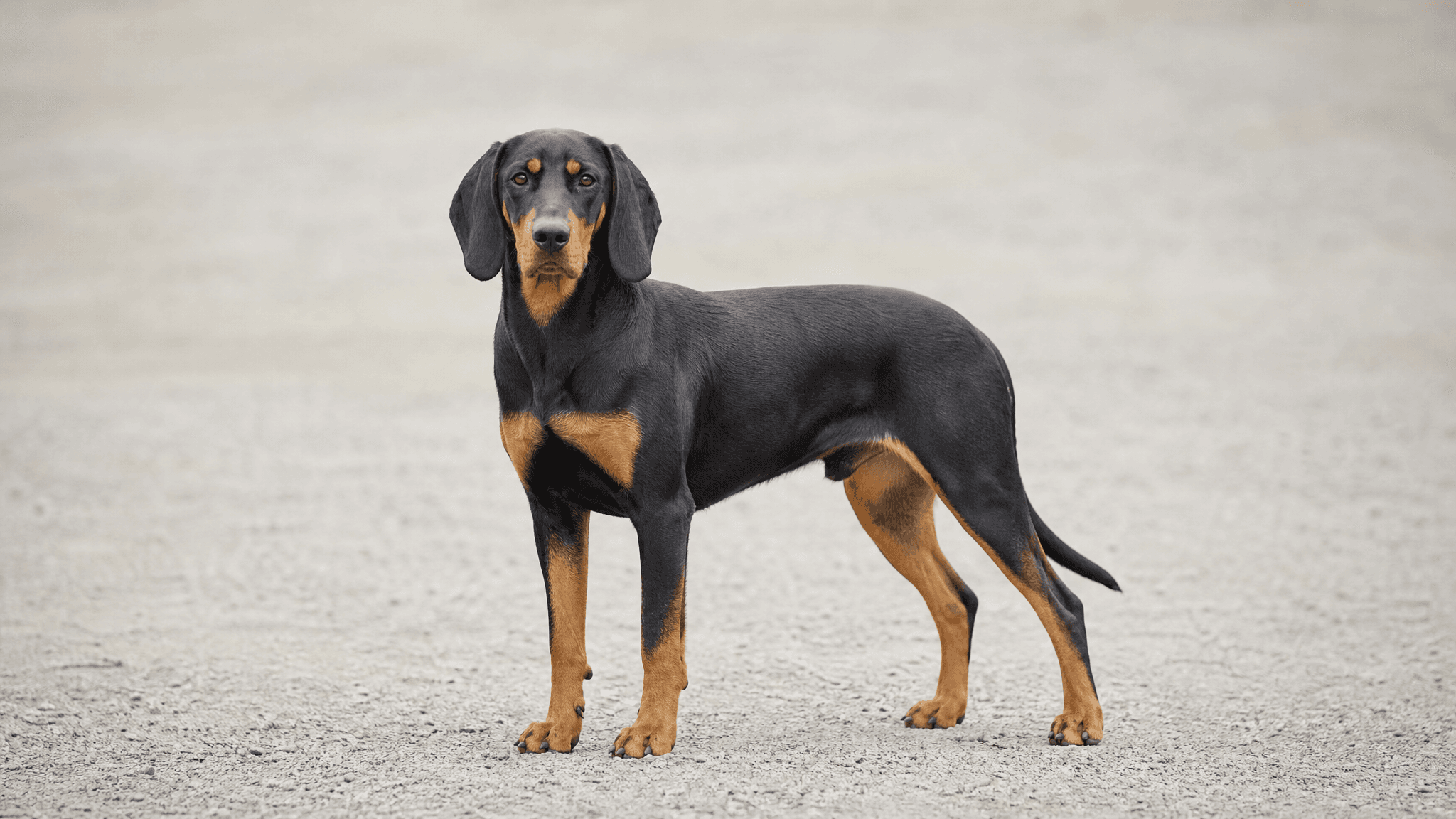
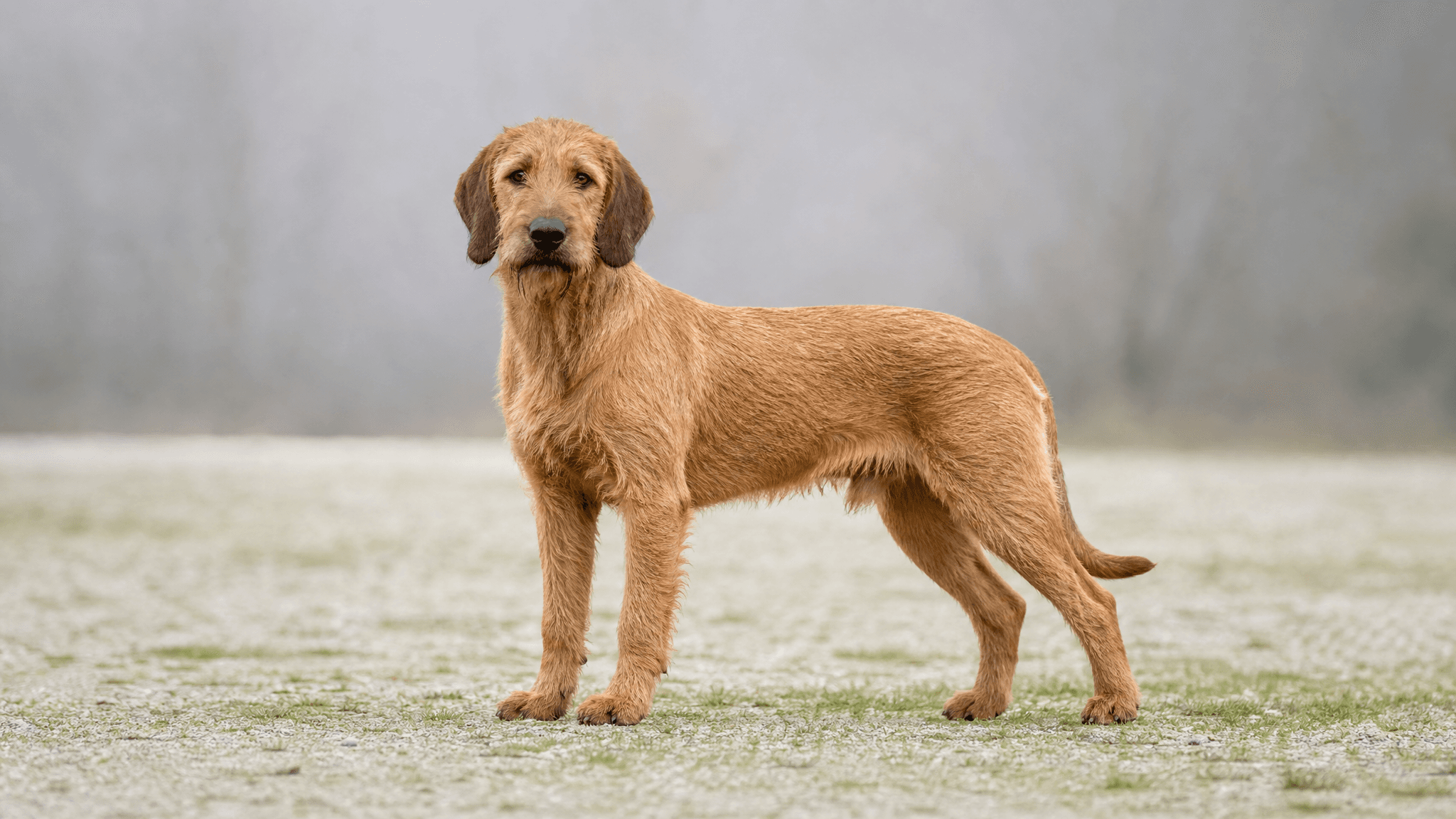
Austrian Pinscher
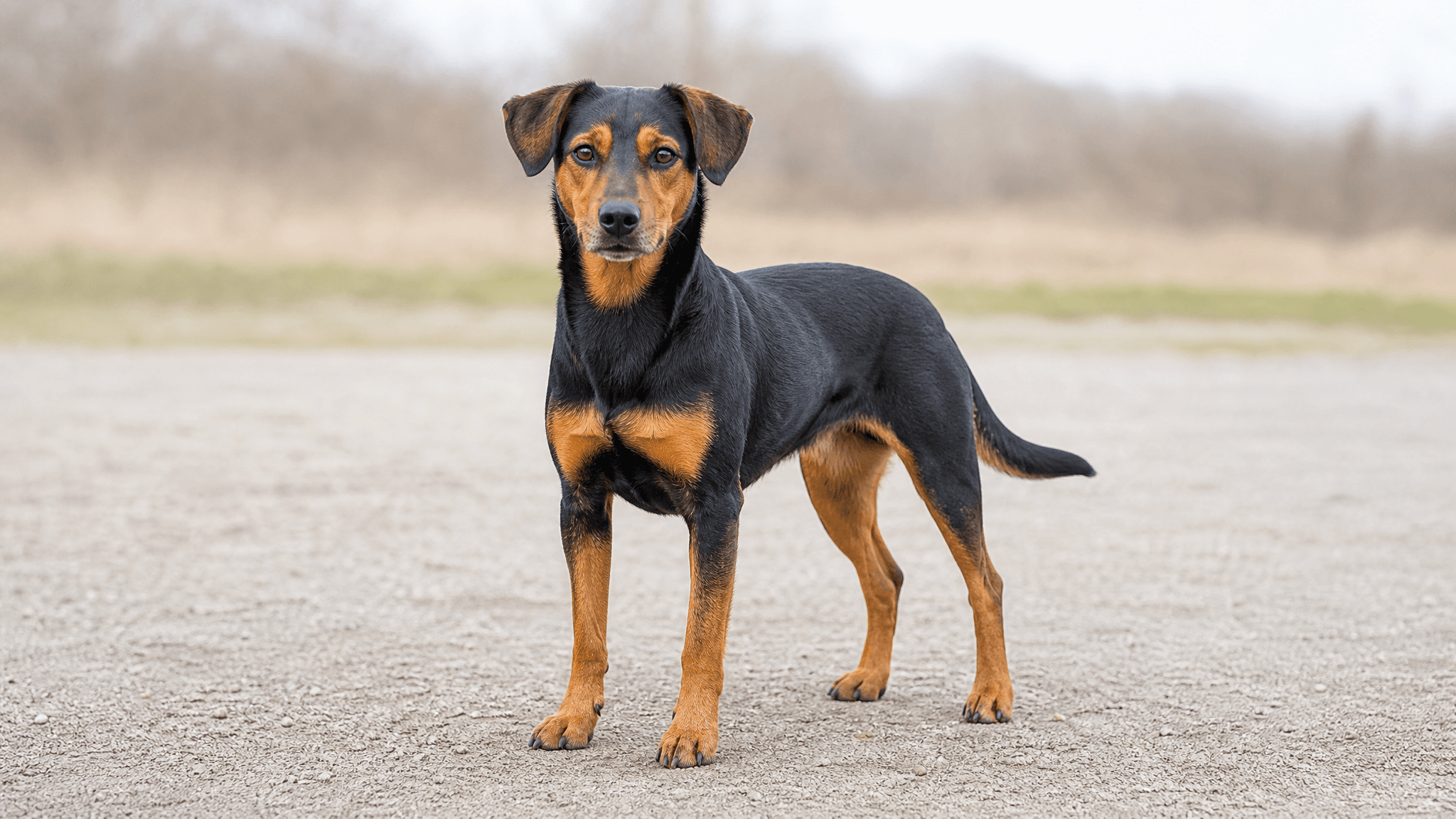
Summary
The Austrian Pinscher is an ancient Austrian farm breed, recognised by the FCI but still very rare outside its country of origin. Descended from the old rural dogs of the alpine and pre-alpine zones of Austria, it was used as a guard dog and rodent controller on farms. The breed nearly disappeared in the 20th century but was revitalised from the 1920s onward.
Physical Characteristics
- Size
- Medium
- Height (male)
- 42–50 cm
- Height (female)
- 38–48 cm
- Weight (male)
- 12–18 kg
- Weight (female)
- 12–18 kg
- Life Expectancy
- 12–14 years
- Coat
- Medium, dense, slightly harsh
- Common Colors
- Yellowish-brown, reddish-brown, black with markings, bicolour (yellow/brown base with dark patches)
Temperament & Personality
The Austrian Pinscher is a robust, lively dog that is very attached to its family. It has strong guarding instincts and barks when it perceives something unusual, but is rarely aggressive. It is active, enjoys work and outdoor activity, and adapts well to a rural or semi-rural lifestyle. It can be somewhat independent but responds well to consistent training.
Activity & Exercise
- Energy Level
- High
- Recommended Daily Exercise
- 60–90 minutes
- Suitable for Apartment
- Not recommended
Grooming & Care
- Grooming Needs
- Low to moderate
- Shedding
- Moderate
- Bathing Frequency
- Every 6–8 weeks
Health
- Common Health Issues
- Hereditary heart problems
- Hip dysplasia
- Recommended Health Tests
- Cardiac examination
- Hip radiography
Compatibility
- With Children
- Good
- With Other Dogs
- Good
- With Cats
- Moderate
- For First-Time Owners
- Acceptable
Is an Austrian Pinscher right for you?
An Austrian Pinscher may suit you if:
- You enjoy providing 60 to 90 minutes of daily exercise and engaging your dog's keen mind with varied activities.
- You thrive in an active, outdoor-oriented lifestyle, perfect for a dog that loves to work and explore.
- You appreciate a lively, family-devoted companion with a watchful nature and a confident bark.
- You are prepared to commit to consistent, patient training to guide an intelligent, independent spirit.
- You are comfortable with moderate shedding and occasional grooming for a dog with a dense, medium-length coat.
- You are willing to manage strong guarding instincts and a tendency to bark at perceived novelties.
Think twice if:
- You expect unwavering obedience from a dog, as their independent streak requires consistent guidance.
- You often leave your dog alone for long periods, as these family-oriented dogs thrive on companionship.
- You have small, fast-moving pets, as their strong prey drive from their rodent-controlling past can be a challenge.
- You are unable to provide 60 to 90 minutes of vigorous activity daily for this high-energy breed.
- You live in an apartment or have limited outdoor space, as they need room to roam and explore.
- You are unprepared for a robust, lively dog that requires patient, firm handling through its energetic phases.
The Austrian Pinscher is a devoted, watchful companion who thrives on an active, family-centered life, often for 12 to 14 years. While deeply attached, their independent spirit and high energy demand consistent engagement and training. They offer lively companionship and protection, but truly shine in homes prepared for their robust nature and need for outdoor activity in a rural or semi-rural setting.
Training an Austrian Pinscher
Austrian Pinschers are bright, lively dogs who thrive on engaging, positive reinforcement training. They are deeply attached to their families, making praise and shared activity powerful motivators. Keep training sessions short, fun, and frequent, ideally 5-10 minutes several times a day, to match their active minds and bodies. Consistency is key with this somewhat independent breed; a lack of clear boundaries or inconsistent expectations can lead to them making their own rules, especially given their strong guarding instincts. Remember, patience and a positive approach will build a strong bond and a well-behaved companion.
Begin with:
- Attention and response to name around distractions
- Recall on a long line
- Loose-leash walking
- Leave it and drop it
- Calm greetings without jumping
- Settling on a mat or bed
- Cooperative handling for grooming, ears, feet and teeth
- Waiting at doors and gates
Prey Drive and Guarding
Your Austrian Pinscher's history as a rodent controller means they have a natural inclination to chase small, fast-moving objects. This strong prey drive, combined with their guarding instincts, can make recall challenging, especially in stimulating environments. Start recall training in a quiet area, gradually introducing distractions, and always use high-value treats to make coming back to you the most rewarding option. A long line is invaluable for safety during this process, allowing them to explore while ensuring you maintain control. For more guidance, explore our article on how to teach a dog to come when called.
Their guarding instincts also mean they might bark at perceived intruders or unusual sounds. Instead of punishing barking, which can increase anxiety, teach an 'alert' bark followed by a 'quiet' command. Reward them for quiet moments, showing them that you appreciate their vigilance but are in charge of assessing the situation. This helps channel their natural tendencies constructively.
Leash Pulling
Given their high energy and desire for outdoor activity, Austrian Pinschers can be prone to pulling on the leash, especially if they aren't getting their recommended 60-90 minutes of daily exercise. Consistent loose-leash training from an early age is crucial. Use a front-clip harness or head halter for better control, and reward every moment they walk beside you without tension on the leash. If they pull, stop walking immediately until the leash slackens, then continue.
Remember that walks are for exploration and mental stimulation too. Allow time for sniffing and investigating, but always on a loose leash. For more tips on managing this, check out our guide on how to stop a puppy pulling on the leash.
Boredom Behaviors
An Austrian Pinscher who isn't receiving their daily dose of 60-90 minutes of exercise and mental stimulation can quickly become bored, leading to undesirable behaviors. These intelligent dogs need more than just physical activity; they thrive on puzzles, training games, and opportunities to 'work'. Destructive chewing, excessive barking, or digging can all be signs that your dog needs more engagement.
Ensure you're providing plenty of enrichment throughout the day. Rotate toys, use puzzle feeders, and continue with short training sessions to keep their minds active. For those times you must leave them alone, ensure they have safe, appropriate outlets for their energy and mental needs. Consider using our Behaviour AI feature to understand and work on any emerging issues.
Austrian Pinscher — Frequently Asked Questions
What is the Austrian Pinscher?
The Austrian Pinscher (Österreichischer Pinscher) is a rare, medium-sized Austrian breed with origins in the farm dogs of rural Austria, where it served as an all-purpose working dog — guarding homesteads, hunting small vermin, and alerting to intruders. It nearly became extinct in the 20th century but was revived from surviving farm dog populations by dedicated breeders. It is recognised by the FCI and the Austrian Kennel Club, and is considered a national heritage breed. It has a striking, varied coat (yellow, red-brown, black and tan, or combinations), an alert and lively expression, and a robust, medium-built body. It is quite different in character from the German Pinscher — more rustic, independent, and territorial.
What is the Austrian Pinscher's temperament like?
The Austrian Pinscher is a lively, alert, confident, and spirited breed with a loyal and devoted attachment to its family. It is affectionate and warm with its own people but characteristically suspicious and wary of strangers — a trait from its centuries of farm guard duty. It is vocal and will bark to alert its family to any unusual activity. It has strong territorial instincts. It is playful and energetic, with a feisty, independent streak. Early and thorough socialisation is essential to prevent excessive wariness or territorial aggression developing. It tends to be better with older children who understand dog boundaries than with very young children.
How much exercise does an Austrian Pinscher need?
The Austrian Pinscher is an energetic, working breed that needs at least 1–1.5 hours of active exercise per day. Despite its medium size, it has real stamina and a working dog's energy levels. Long walks, hiking, and active play sessions in a securely fenced garden or yard are ideal. It is agile and enjoys interactive activities that engage both its body and mind. It is well suited to active rural or suburban owners with access to outdoor space. Without adequate daily exercise, it can become restless, vocal, and may direct its energy into nuisance behaviours like excessive barking and destructive chewing. Mental stimulation through training, interactive games, and new experiences is equally important.
What health issues are common in the Austrian Pinscher?
The Austrian Pinscher is generally a hardy and healthy breed. As a breed revived from farm dog populations, it benefited from natural selection for robustness. Hip dysplasia is possible and responsible breeders screen for it. Heart conditions — including inherited cardiac conditions — should be monitored and health testing encouraged in breeding dogs. Given its small population, genetic diversity is an ongoing concern that conscientious breeders actively manage. Regular veterinary check-ups, a balanced diet, appropriate daily exercise, and dental care (Pinscher-type breeds can be prone to dental issues) support a long and healthy life. There are no well-documented severe breed-specific conditions, but routine health screening is important.
Is the Austrian Pinscher easy to train?
The Austrian Pinscher is an intelligent breed that learns quickly, but its independent, strong-willed nature means it needs a confident, consistent handler. It has a streak of stubbornness — it will test limits and look for inconsistencies to exploit if training is not clear and firm. Positive reinforcement using food rewards and praise works well. Early socialisation and basic obedience training from puppyhood are essential. It can be territorial and barky without good training foundations. It is not the best choice for first-time dog owners without access to professional guidance. An experienced, confident trainer who provides clear boundaries and positive incentives will find the Austrian Pinscher a responsive and capable working partner.
What is the Austrian Pinscher's coat like?
The Austrian Pinscher has a short to medium-length, dense, smooth or slightly rough-textured outer coat with a dense undercoat. The coat comes in several striking colour combinations: yellow-gold (leonine), red-brown, stag-red, or black and tan — often with symmetric white markings on the face, chest, and feet. The colouring is one of the most distinctive and varied of the rare European Pinscher breeds. Coat maintenance is straightforward: weekly brushing with a rubber grooming mitt or bristle brush removes dead hair and keeps the coat looking healthy. The breed sheds moderately year-round. Bathing every 6–8 weeks is usually sufficient. Regular nail trimming, dental care, and ear checks complete the grooming routine.
Is the Austrian Pinscher good with other dogs and animals?
The Austrian Pinscher can be good with other dogs when socialised from an early age, but it has a territorial and independent character that means it will assert itself with other dogs and may not tolerate dominant or pushy dogs well. Same-sex dog conflicts can occur, and careful management in multi-dog households is important. Its strong prey drive — a legacy of centuries as a farm vermin hunter — means it may chase and harm cats, chickens, and small animals. Living with cats is possible if the Pinscher has been raised alongside them from puppyhood, but it cannot be guaranteed safe with small pets introduced later. Early, controlled socialisation with other animals is the most effective way to develop appropriate social behaviour.
What is the typical lifespan of an Austrian Pinscher?
The Austrian Pinscher typically lives between 12 and 14 years — respectable longevity for a medium-sized working breed. Its robust farm dog heritage contributes to general hardiness and resilience. The key longevity factors are maintaining a healthy body weight, providing adequate daily exercise, routine dental care (important for Pinscher-type breeds), monitoring cardiac health throughout the dog's life, and regular veterinary check-ups. Early disease detection through consistent veterinary care makes a meaningful difference in longevity outcomes. Given the breed's rarity and small population, supporting responsible breeders who health-test their breeding animals contributes to the long-term health of the breed as a whole.
Community
Talk to real Austrian Pinscher owners
This guide covers the breed on paper. In the app, the Austrian Pinscher community covers it in real life: photos from other owners, questions answered by people who live with the breed, and a directory of dogs you can browse.
- Photos & pollsSee what Austrian Pinscher owners are sharing today.
- Questions & answersAsk anything and hear from people who own one.
- Dog directoryBrowse Austrian Pinschers from around the world.
You join automatically when you add a Austrian Pinscher to your profile.