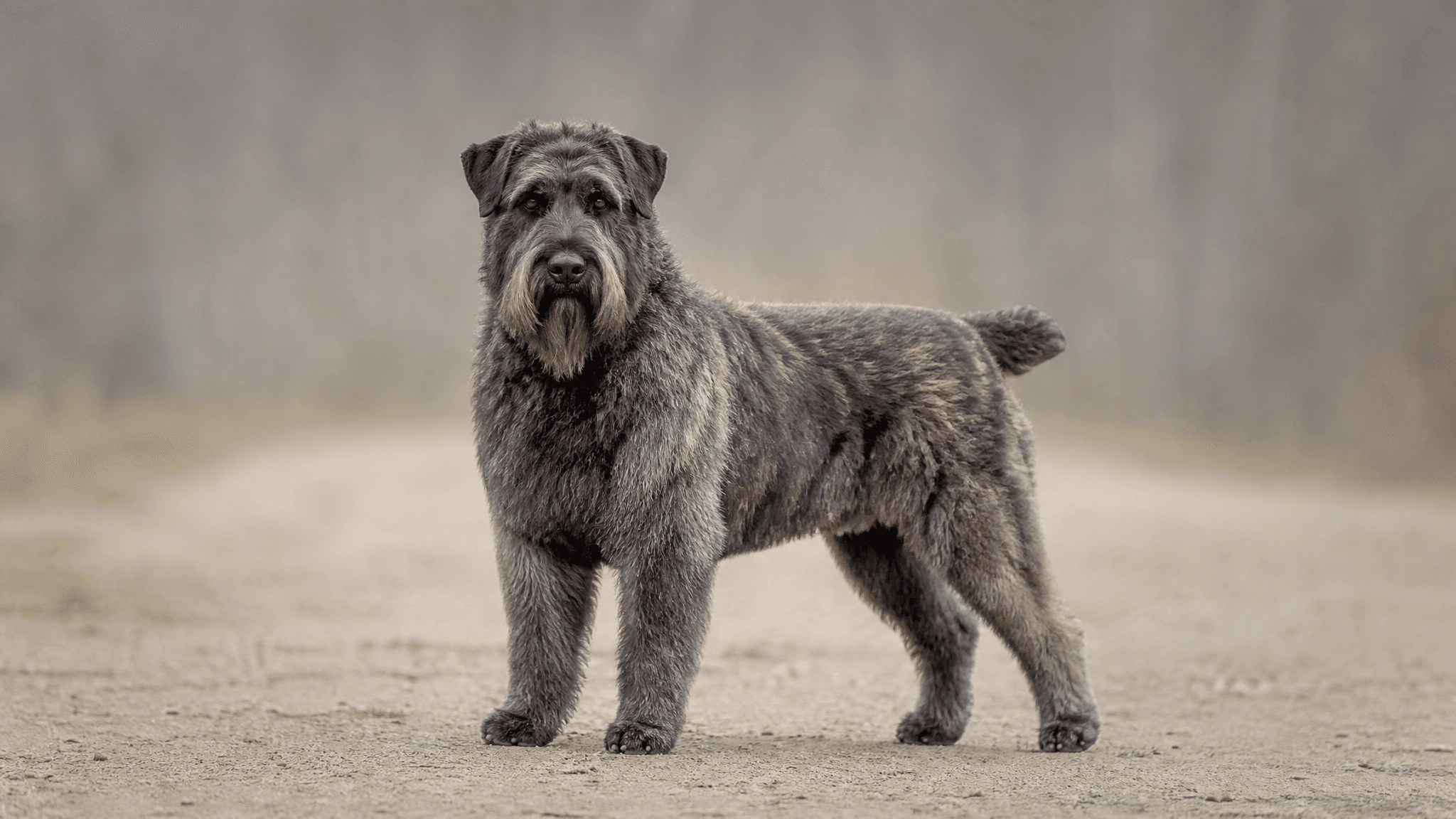
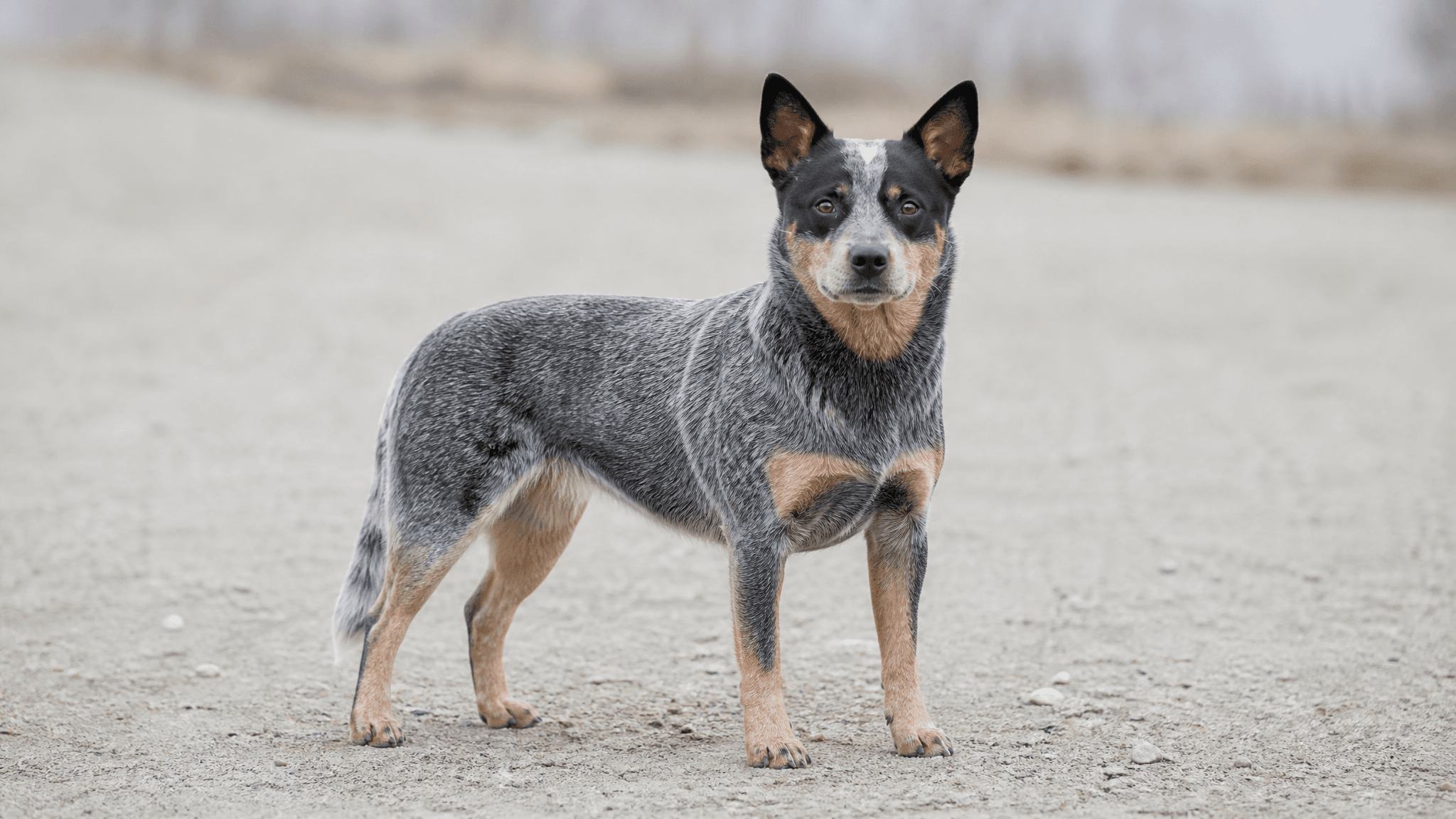
Schipperke
Summary
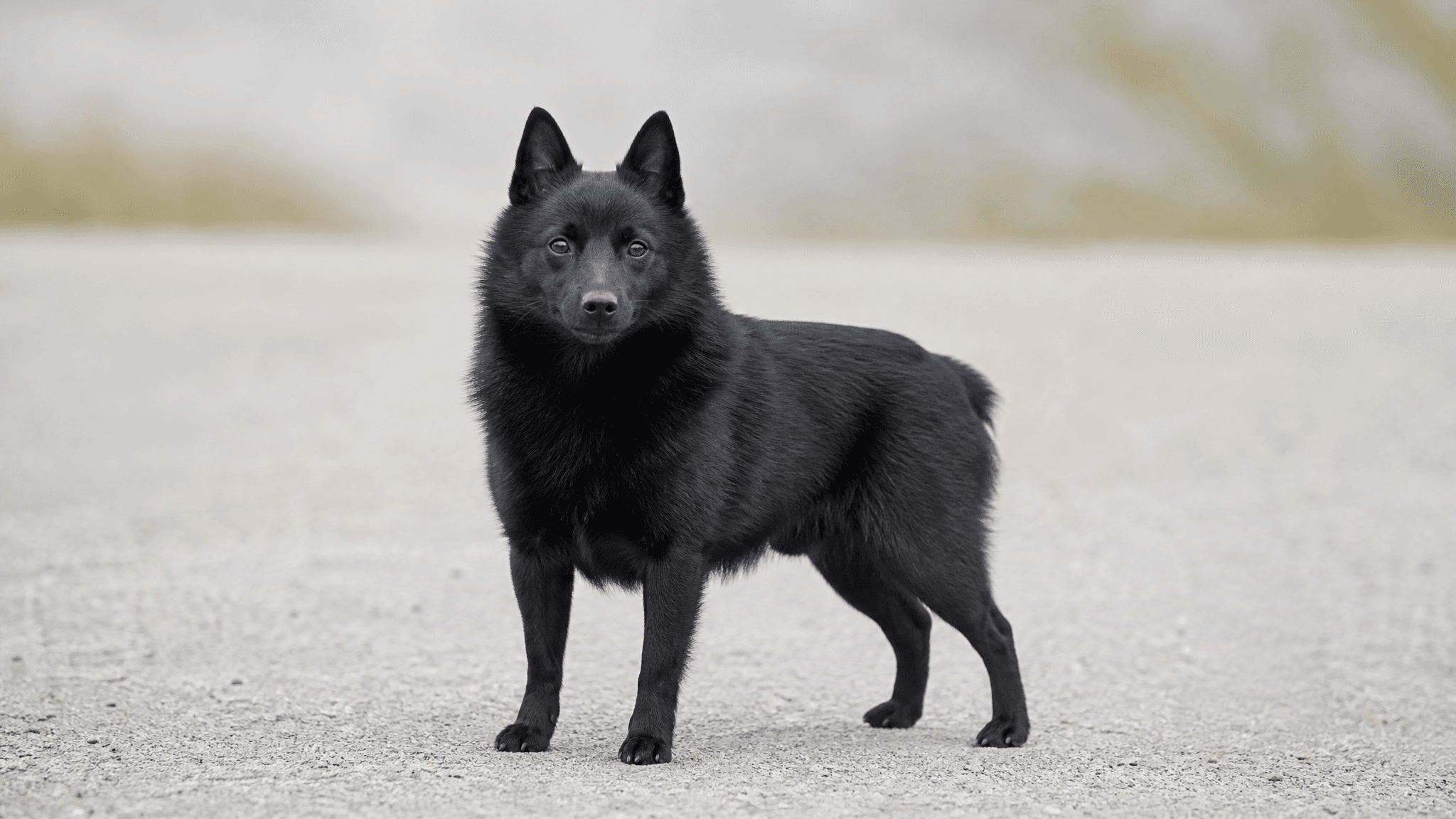
The Schipperke (approximate pronunciation: "skipperki") is a small Belgian dog with an enormous personality. Despite being technically classified as a sheepdog, its historical function was primarily that of a boat dog and ratter on the canals of Belgium — its name means "little captain" in Flemish. It is easily recognizable by its compact body, well-developed neck ruff, pointed muzzle and, frequently, the absence of a tail (or very short tail).
Physical Characteristics
- Size
- Small
- Height (male)
- 28–33 cm
- Height (female)
- 25–30 cm
- Weight (male)
- 5–7.5 kg
- Weight (female)
- 3.5–6 kg
- Life Expectancy
- 12–16 years
- Coat
- Short, dense, harsh; well-developed collar and culottes
- Common Colors
- Solid black (most common); also cream, golden, red (recognized by some federations)
Temperament & Personality
The Schipperke is a dog of vibrant personality — curious, lively, bold and tirelessly energetic for its size. It is extremely faithful to its owner, but can be reserved with strangers, making it a good alert dog. It has a strong hunting instinct and may chase cats and small animals. Despite its small size, it has no awareness of its stature and may confront much larger dogs.
Activity & Exercise
- Energy Level
- High
- Recommended Daily Exercise
- 45–60 minutes
- Suitable for Apartment
- Yes with exercise
Grooming & Care
- Grooming Needs
- Low to moderate
- Shedding
- Moderate
- Bathing Frequency
- Every 4–6 weeks
Health
- Common Health Issues
- Epilepsy
- Hypothyroidism
- Mucopolysaccharidosis type IIIB (genetic storage disease — rare but serious)
- Patellar luxation
- Recommended Health Tests
- Genetic test for MPS IIIB
- Orthopedic evaluation
- Thyroid analysis
Compatibility
- With Children
- Good
- With Other Dogs
- Good
- With Cats
- Moderate
- For First-Time Owners
- Recommended
Is a Schipperke right for you?
A Schipperke may suit you if:
- You can commit to providing 45-60 minutes of engaging daily exercise and plenty of mental challenges for a curious, energetic companion.
- You enjoy an active lifestyle that includes regular adventures, perhaps even activities like agility or exploring new places.
- You appreciate a small dog with an enormous, bold personality that is fiercely loyal and makes an excellent, vocal alert dog.
- You are prepared to consistently engage in positive reinforcement training to channel their intelligence and independent spirit.
- You are comfortable with moderate shedding and providing routine grooming to maintain their distinctive, dense coat and ruff.
- You are willing to manage a strong hunting instinct and their tendency to be a vigilant, vocal protector of their home.
Think twice if:
- You expect a dog that will always follow commands without question, as their independent spirit can be quite strong.
- You have a routine that requires leaving a dog alone for long stretches, which might lead to boredom and mischief for this social breed.
- You are unwilling to supervise interactions with small, non-canine pets due to their historical role as ratters and strong prey drive.
- You are not prepared for a dog that requires consistent daily exercise and regular attention to their shedding coat.
- You are unable to provide a securely fenced yard or diligent leash walks, as their curiosity and prey drive can lead them to wander.
- You are not prepared to guide a confident, sometimes feisty small dog who believes they are much larger than they actually are.
Living with a Schipperke means embracing a vibrant, intelligent companion who offers immense loyalty and entertainment. While their small size and devoted nature are charming, their bold spirit and tireless energy demand consistent engagement and a confident owner. They're a big dog in a small package, ready for adventure.
Training a Schipperke
Training a Schipperke is a delightful journey, as these little captains are incredibly intelligent, curious, and eager to engage with their beloved owners. Their vibrant personality and tireless energy mean they thrive on short, fun, and frequent training sessions, especially when motivated by tasty treats and enthusiastic praise. Consistency is key, as their bold and independent spirit can quickly lead to stubbornness if expectations aren't clear. If training becomes dull or inconsistent, or if methods are harsh, a Schipperke may become disengaged or even develop unwanted behaviors, turning their cleverness towards mischief rather than learning.
Begin with:
- Attention and name response with distractions
- Recall on a long line
- Loose-leash walking manners
- Leave it and drop it cues
- Calm greetings without jumping
- Settling on a mat or bed
- Cooperative handling for grooming
- Waiting at doors and gates
Recall and prey drive
Schipperkes possess a formidable prey drive, a legacy from their days as ratters on Belgian canals. This strong instinct means that a squirrel, a bird, or even a rustling leaf can instantly capture their attention, making recall a significant challenge, especially off-leash. To keep your little captain safe and responsive, prioritize recall training from day one, making it the most rewarding game ever. Always use high-value treats and enthusiastic praise when they return.
Practice recall in a variety of environments, starting with a secure, distraction-free area and gradually introducing more stimuli. A long training line is an invaluable tool for practicing recall safely, allowing your Schipperke to explore while still giving you control. Remember, consistency and making yourself more exciting than the distractions are key to mastering this vital skill. For more tips, check out our guide on teaching recall.
Leash pulling and reactivity
Despite their small stature, Schipperkes are bursting with energy and confidence, often believing they are much larger than they are. This can manifest as enthusiastic leash pulling, especially when they're eager to explore or greet another dog. Their bold nature, combined with high energy, can also lead to reactivity towards other dogs, as they may confront much larger canines without hesitation. Early and consistent training for loose-leash walking is essential to prevent these habits from becoming ingrained.
Focus on positive reinforcement techniques, rewarding your Schipperke for walking calmly by your side. If they start to pull, stop walking until the leash loosens, then continue. For managing reactivity, practice 'look at me' commands and create distance from triggers. You can find excellent strategies in our guide to stopping leash pulling and training a reactive dog.
Boredom and mischief
A Schipperke's high energy level and keen intelligence mean they require consistent physical and mental stimulation. If they don't receive their recommended 45-60 minutes of daily exercise, or if they are left alone for extended periods without engaging activities, their curious and bold nature can quickly turn to mischief. This might include excessive barking, destructive chewing, or inventing their own 'games' that aren't quite to your liking.
To prevent boredom-induced behaviors, ensure your Schipperke gets plenty of interactive play, walks, and training sessions. Puzzle toys and enrichment activities are fantastic for keeping their clever minds busy when you can't actively engage with them. A well-exercised and mentally stimulated Schipperke is a happy, well-behaved companion, less prone to developing stress-related issues when left alone.
Schipperke — Frequently Asked Questions
What is the Schipperke?
The Schipperke, pronounced "skipperki," is a captivating small dog from Belgium, often described as having an enormous personality! Despite being technically classified within FCI Group 1 (Sheepdogs), this breed is truly unique. You'll recognize them by their compact, sturdy bodies, a distinctive well-developed neck ruff that gives them a lion-like appearance, and a keen, pointed muzzle. Many Schipperkes are born without a tail or with a very short one, adding to their charming, foxy look. They are truly little captains, full of life and curiosity!
What was the Schipperke originally bred for?
While the Schipperke is technically categorized as a sheepdog, their historical role tells a fascinating story! These clever little dogs were primarily bred for a very practical purpose: to be vigilant boat dogs and ratters along the bustling canals of Belgium. Their name, meaning "little captain" in Flemish, perfectly reflects their original calling. They were invaluable companions to barge owners, keeping their vessels free of rodents and acting as alert watchdogs, showcasing their keen senses and unwavering loyalty. It's a testament to their versatility and intelligence!
How much exercise does a Schipperke need?
Don't let their small size fool you; Schipperkes are bundles of high energy! To keep your little captain happy and well-behaved, they need a good amount of daily activity. We recommend providing them with 45–60 minutes of exercise each day. This can include brisk walks, enthusiastic playtime in a secure yard, or engaging in dog sports. Their lively and bold nature means they thrive on mental and physical stimulation, so consistent exercise is key to channeling their boundless enthusiasm positively and preventing boredom.
Is the Schipperke a good family dog?
The Schipperke can be a wonderful family dog for the right household! They possess a vibrant personality, being curious, lively, and incredibly faithful to their owners. However, their tireless energy and strong hunting instinct mean they might chase cats and other small animals, so introductions to other pets need to be carefully managed and supervised. With children, their playful nature can be a joy, but their boldness means they have no awareness of their small stature and may try to confront much larger dogs. Early socialization is crucial for a harmonious home life.
Is the Schipperke easy to train?
Schipperkes are intelligent and eager to please their beloved owners, making them quite trainable, but they do have a bold and independent streak! Their curious and lively temperament means they respond best to consistent, positive reinforcement training methods. Early socialization and puppy classes are highly recommended to help them grow into well-adjusted adults. While they are smart, their energetic nature means you'll need to keep training sessions engaging and fun to hold their attention. With patience and consistency, your Schipperke will learn quickly and thrive!
What health issues are common in the Schipperke?
Like all breeds, Schipperkes can be prone to certain health conditions, and being aware of them helps you provide the best care. Some documented concerns include Epilepsy, Hypothyroidism, and Patellar Luxation. There's also a rare but serious genetic storage disease called Mucopolysaccharidosis type IIIB. Responsible breeding practices and regular veterinary check-ups are essential for monitoring your Schipperke's health and catching any potential issues early. A healthy diet, plenty of exercise, and loving care will also contribute greatly to their overall well-being.
What is the Schipperke's coat like and how much grooming does it need?
The Schipperke boasts a beautiful, distinctive double coat that contributes to their charming appearance, especially their well-developed neck ruff! This coat consists of a dense, soft undercoat and a harsher, straight outer coat. While they don't require extensive grooming, regular brushing is important, particularly to manage shedding and prevent mats, especially in the ruff and breeches. A good brushing session a couple of times a week will keep their coat healthy, shiny, and free of loose hair, helping them look their best.
What is the typical lifespan of a Schipperke?
Schipperkes are known for their robust health and can be wonderful companions for many years! With proper care, a balanced diet, regular exercise, and routine veterinary check-ups, you can expect your Schipperke to live a long and happy life. The typical lifespan for this delightful breed is generally between 12 and 16 years. Providing them with a loving environment and attentive health management will help ensure you enjoy as many joyful years as possible with your energetic little captain!
Community
Talk to real Schipperke owners
This guide covers the breed on paper. In the app, the Schipperke community covers it in real life: photos from other owners, questions answered by people who live with the breed, and a directory of dogs you can browse.
- Photos & pollsSee what Schipperke owners are sharing today.
- Questions & answersAsk anything and hear from people who own one.
- Dog directoryBrowse Schipperkes from around the world.
You join automatically when you add a Schipperke to your profile.