Saarloos Wolfhond
Summary
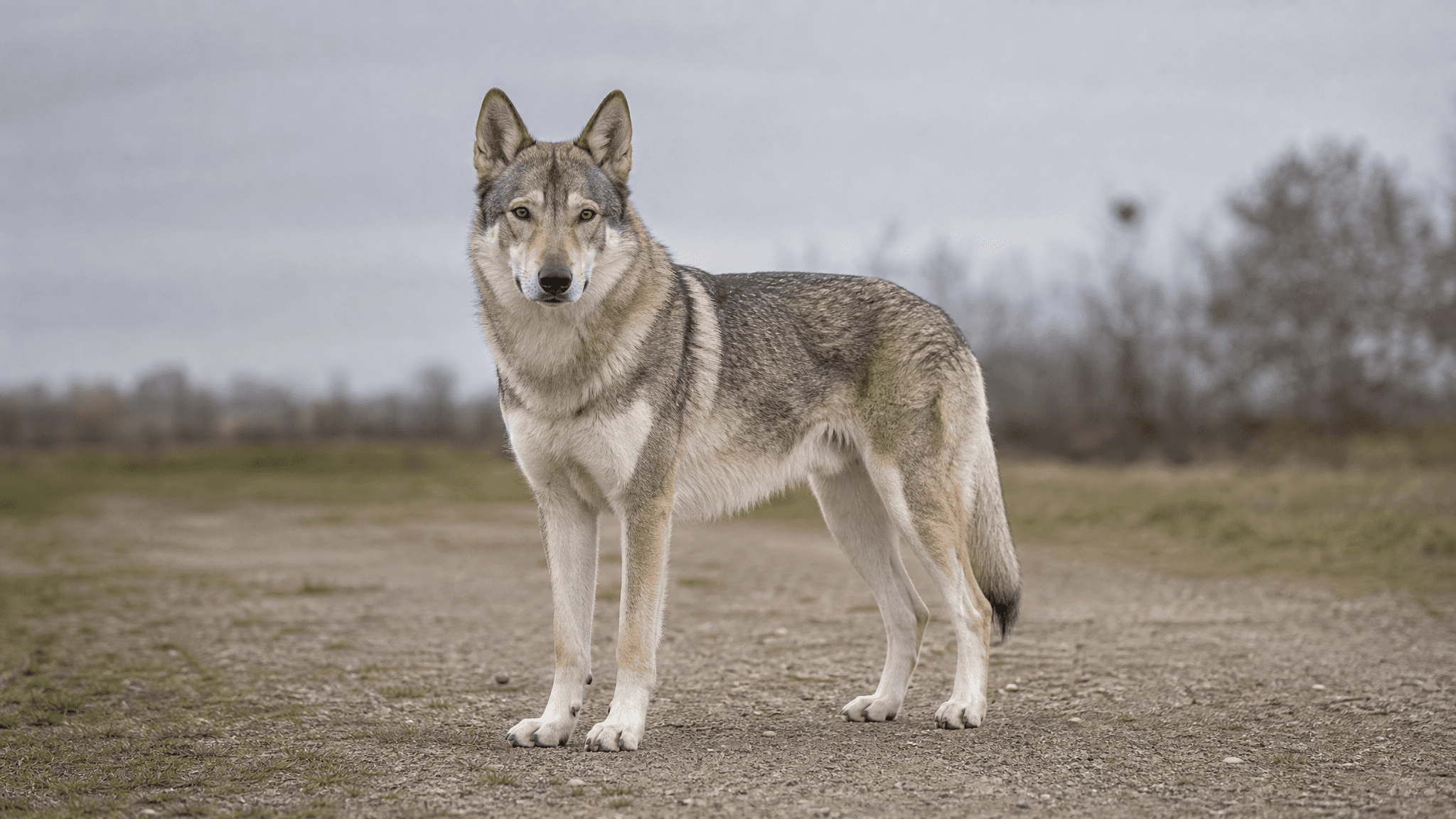
The Saarloos Wolfdog is a breed deliberately created by the Dutchman Leendert Saarloos in the 1930s, by crossing a German Shepherd with a Siberian grey wolf. The goal was to create a more resilient and "natural" working dog, but the result was an animal that retained much of the wolf's behavior — distrustful, reserved and poorly suited for the functions Saarloos had imagined. The breed was recognized by the FCI in 1981, after the death of its creator.
Physical Characteristics
- Size
- Large
- Height (male)
- 65–75 cm
- Height (female)
- 60–70 cm
- Weight (male)
- 36–45 kg
- Weight (female)
- 30–38 kg
- Life Expectancy
- 10–12 years
- Coat
- Short to medium, dense, with thick undercoat in winter; "wolf coat" texture
- Common Colors
- Wolf grey (most common), forest brown, white
Temperament & Personality
The Saarloos Wolfdog has a markedly different behavior from most domestic breeds — it is cautious, distrustful of strangers, and reacts to stress with flight rather than confrontation (typical wolf behavior). With its chosen family it is extremely loyal and can be affectionate, but it is never submissive in the way expected of a typical domestic dog. It is not recommended for families with small children or for owners without experience with primitive behavior breeds.
Activity & Exercise
- Energy Level
- High
- Recommended Daily Exercise
- 120 minutes
- Suitable for Apartment
- Not recommended
Grooming & Care
- Grooming Needs
- Moderate
- Shedding
- Heavy
- Bathing Frequency
- Every 6–8 weeks
Health
- Common Health Issues
- Hip dysplasia
- Pigmentary degeneration (hereditary progressive blindness)
- Pituitary problems (breed-specific)
- Recommended Health Tests
- Eye examination
- OFA orthopedic evaluation
Compatibility
- With Children
- Not recommended
- With Other Dogs
- Moderate
- With Cats
- Can be difficult
- For First-Time Owners
- Not recommended
Is a Saarloos Wolfhond right for you?
A Saarloos Wolfhond may suit you if:
- You can commit to at least two hours of vigorous exercise and engaging mental challenges daily.
- You enjoy an active, outdoor lifestyle, embracing long hikes and exploring nature with your canine companion.
- You appreciate a loyal, independent companion who forms deep bonds with their family but remains reserved with outsiders.
- You are prepared to invest in consistent, positive reinforcement training, understanding their unique, independent nature.
- You are prepared for moderate grooming needs, including regular brushing to manage their heavy seasonal shedding.
- You are willing to manage their natural instinct to be wary of new situations and strangers with patience and understanding.
Think twice if:
- You expect immediate, unquestioning obedience from your dog in all situations.
- You frequently leave your dog alone for extended periods during the day.
- You have young children or other small, vulnerable pets in your household.
- You are unable to provide at least two hours of vigorous daily exercise or manage heavy shedding.
- You live in an apartment or do not have a securely fenced outdoor space for a large, active dog.
- You are not prepared for the challenges of managing a large, powerful, and independent adolescent dog.
Living with a Saarloos Wolfhond is a profound commitment, offering immense loyalty to those who understand their unique, wolf-like nature. They are not a typical domestic dog, requiring dedicated effort to meet their needs for exercise, mental stimulation, and patient socialization. While deeply affectionate with their chosen family, their reserved demeanor and independence demand an experienced, understanding owner.
Training a Saarloos Wolfhond
Training a Saarloos Wolfhond is a unique journey that requires immense patience, understanding, and a deep bond. These intelligent dogs are not inherently eager to please in the traditional sense; instead, they are motivated by trust, positive reinforcement, and high-value rewards. Short, consistent, and positive training sessions are crucial to prevent them from becoming overwhelmed. If a handler uses harsh methods, is inconsistent, or fails to build a strong foundation of trust, a Saarloos will likely retreat, become more reserved, or even resort to their natural flight response, making future training significantly more challenging.
Begin with:
- Attention and response to name around distractions
- Recall on a long line
- Loose-leash walking
- Leave it and drop it
- Calm greetings without jumping
- Settling on a mat or bed
- Cooperative handling for grooming, ears, feet and teeth
- Waiting at doors and gates
Prey Drive and Recall
The Saarloos Wolfhond retains a strong prey drive from its wolf ancestry, making recall one of the most significant training challenges. Their instinct to chase small, fast-moving animals can override any command, especially in stimulating environments. It's crucial to begin recall training early and consistently, always using a long line in open spaces to ensure safety.
Focus on making yourself more exciting than any potential distraction. Use high-value treats and enthusiastic praise when they return. Practice in increasingly distracting environments, but only after your recall is solid in quieter areas. For detailed guidance, check out our article on how to teach a reliable recall. Never punish a slow or failed recall; instead, make returning to you a consistently positive experience.
Leash Manners and Reactivity
Given their large size, strength, and high energy level, a Saarloos Wolfhond can make loose-leash walking a significant challenge. Their natural wariness of strangers and new situations, combined with a strong flight instinct, means they may react by pulling hard to get away from perceived threats or simply to explore. Start loose-leash training from day one, making walks a calm and positive experience.
Invest in a comfortable, well-fitting harness that discourages pulling, rather than relying solely on a collar. Reward generously for walking calmly by your side, especially when encountering new sights or sounds. Gradual, positive exposure to different environments and people can help build their confidence, but always respect their need for space. Our guide on stopping leash pulling offers great tips.
Boredom and Solitude
A Saarloos Wolfhond requires a significant amount of physical and mental stimulation, needing at least 120 minutes of exercise daily. If under-exercised, under-stimulated, or left alone for extended periods, they can develop destructive behaviors, excessive vocalization, or increased anxiety. Their intelligence means they need engaging activities beyond just physical exertion.
Incorporate puzzle toys, scent work, and training games into their routine to keep their minds active. These dogs are deeply bonded to their family and are not suited to being left alone for long stretches; this can exacerbate their natural wariness and lead to stress. Understanding how to tell if your dog is stressed when you leave can help you identify and address separation-related issues early.
Saarloos Wolfhond — Frequently Asked Questions
What is the Saarlooswolfhond (Saarloos Wolfhond)?
The Saarlooswolfhond, often called the Saarloos Wolfhond, is a truly unique large breed originating from The Netherlands. Developed in the 1930s by Leendert Saarloos, it's a fascinating cross between a German Shepherd and a Siberian grey wolf. Recognized by the FCI in Group 1 (Sheepdogs), this breed stands out due to its striking wolf-like appearance and behavior. They are known for being cautious and distrustful of strangers, often reacting to stress with flight, much like their wild ancestors. However, with their chosen family, they are incredibly loyal and can be affectionate companions, though never submissive in the typical dog sense.
What was the Saarlooswolfhond (Saarloos Wolfhond) originally bred for?
The Saarlooswolfhond was originally bred with a specific vision in mind! Leendert Saarloos aimed to create a more resilient and "natural" working dog by introducing wolf blood. He hoped to develop a breed with enhanced natural instincts and robustness. However, the outcome was a dog that retained a significant amount of its wolf ancestry's behavior, including a reserved and distrustful nature. This meant they weren't as suited for the conventional working roles Saarloos had envisioned, often preferring flight over confrontation. Despite this, their unique qualities led to their recognition as a distinct breed.
How much exercise does a Saarlooswolfhond (Saarloos Wolfhond) need?
Saarlooswolfhonds are high-energy dogs that thrive on plenty of activity to keep them happy and healthy! They truly need a significant amount of exercise to satisfy their physical and mental needs. We recommend at least 120 minutes of vigorous activity every day. This isn't just about physical exertion; it's also about engaging their intelligent minds. Think long walks, hikes, secure off-leash running in safe areas, or engaging in dog sports. Providing consistent, enriching exercise is key to managing their energy and ensuring they are well-adjusted companions.
Is the Saarlooswolfhond (Saarloos Wolfhond) a good family dog?
Bringing a Saarlooswolfhond into a family requires careful consideration due to their distinct temperament. While they form incredibly deep bonds and are extremely loyal and affectionate with their chosen family members, they are naturally cautious and distrustful of strangers. They react to stress with a flight instinct, which is a typical wolf behavior. It's important to note that they are not recommended for families with small children, as their unique behavioral traits require an understanding and experienced household. They are never submissive in the way most domestic dogs are, requiring respectful and consistent interaction.
Is the Saarlooswolfhond (Saarloos Wolfhond) easy to train?
Training a Saarlooswolfhond is a rewarding journey, but it's important to understand their unique intelligence and temperament. They are highly intelligent, but their wolf heritage means they are not inherently submissive or eager to please in the way many domestic breeds are. Their natural caution and independence mean training requires immense patience, consistency, and positive reinforcement. Traditional obedience methods might not be as effective. Building a strong, trusting relationship is paramount, and understanding their natural instincts will help you guide them effectively, making training a partnership rather than a command-and-obey dynamic.
What health issues are common in the Saarlooswolfhond (Saarloos Wolfhond)?
Like all breeds, Saarlooswolfhonds can be prone to certain health conditions, and being aware of these can help you provide the best care. Some documented health concerns include hip dysplasia, which affects their joints, and pigmentary degeneration, a hereditary progressive blindness that can impact their vision over time. They can also be susceptible to specific pituitary problems. Responsible breeders will screen their dogs for these conditions to help ensure healthy offspring. Regular veterinary check-ups and a healthy lifestyle are crucial for early detection and management, helping your Saarlooswolfhond live a full and happy life.
What is the Saarlooswolfhond (Saarloos Wolfhond)'s coat like and how much grooming does it need?
The Saarlooswolfhond sports a beautiful, natural coat that reflects their wolf-like heritage. Generally, their coat is relatively low-maintenance, but it does benefit from regular attention to keep it in top condition. You'll find that a good brushing a few times a week is usually sufficient to remove loose hair, prevent matting, and distribute natural oils, keeping their skin and coat healthy. During seasonal shedding periods, which can be quite significant, you'll want to increase your brushing frequency to help manage the extra fur. It's a simple routine that helps them look and feel their best!
What is the typical lifespan of a Saarlooswolfhond (Saarloos Wolfhond)?
With proper care, a healthy diet, and regular veterinary attention, a Saarlooswolfhond typically enjoys a lifespan of 10 to 12 years. Providing them with a loving home, plenty of appropriate exercise, mental stimulation, and a balanced diet tailored to their needs are all key factors in helping them reach their full potential. Regular check-ups with your vet are also essential for monitoring their health and addressing any concerns early on. These magnificent dogs can be wonderful companions for many years, bringing joy and a unique presence to their devoted families.
Community
Talk to real Saarloos Wolfhond owners
This guide covers the breed on paper. In the app, the Saarloos Wolfhond community covers it in real life: photos from other owners, questions answered by people who live with the breed, and a directory of dogs you can browse.
- Photos & pollsSee what Saarloos Wolfhond owners are sharing today.
- Questions & answersAsk anything and hear from people who own one.
- Dog directoryBrowse Saarloos Wolfhonds from around the world.
You join automatically when you add a Saarloos Wolfhond to your profile.