Polish Lowland Sheepdog
Summary
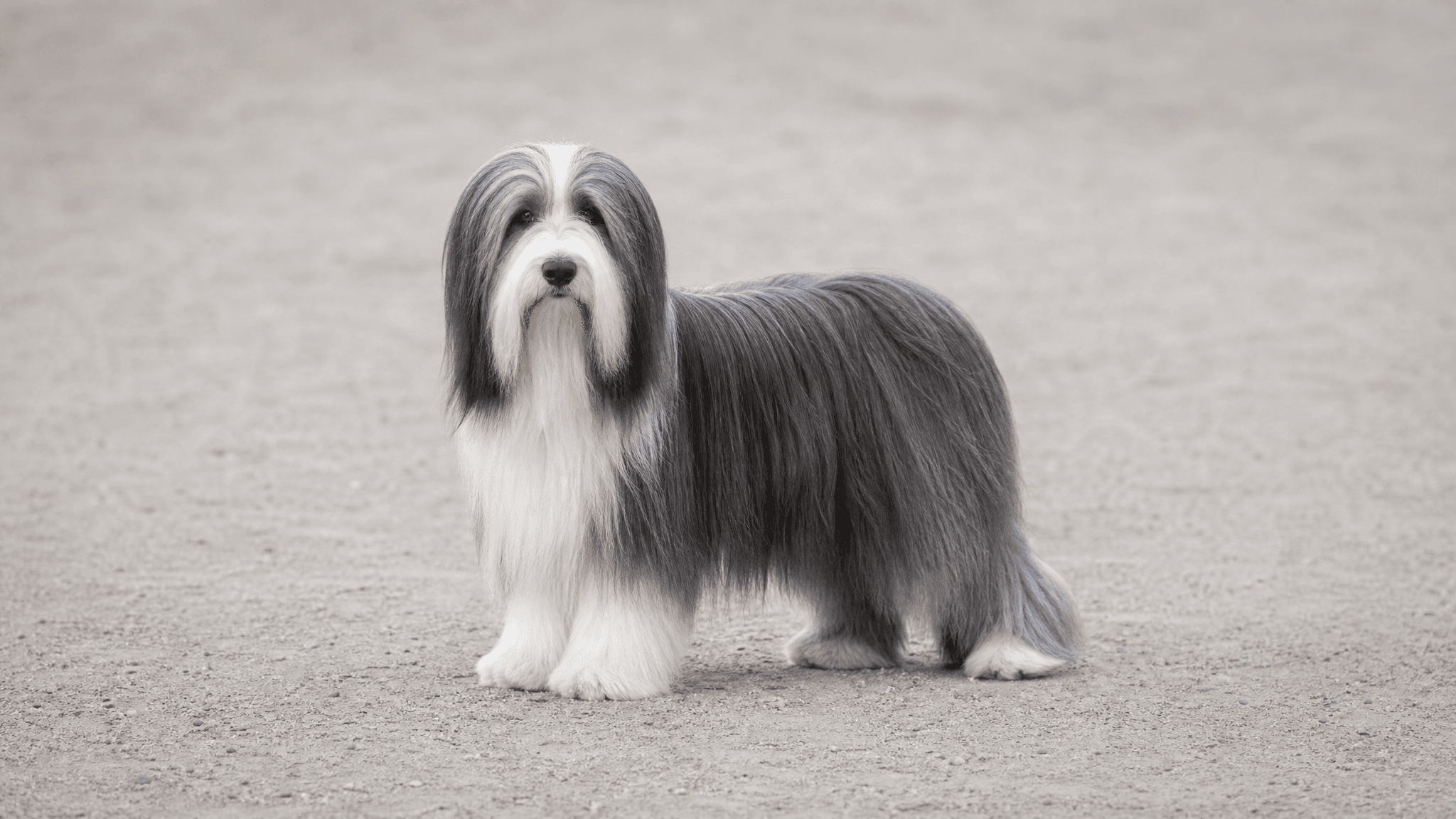
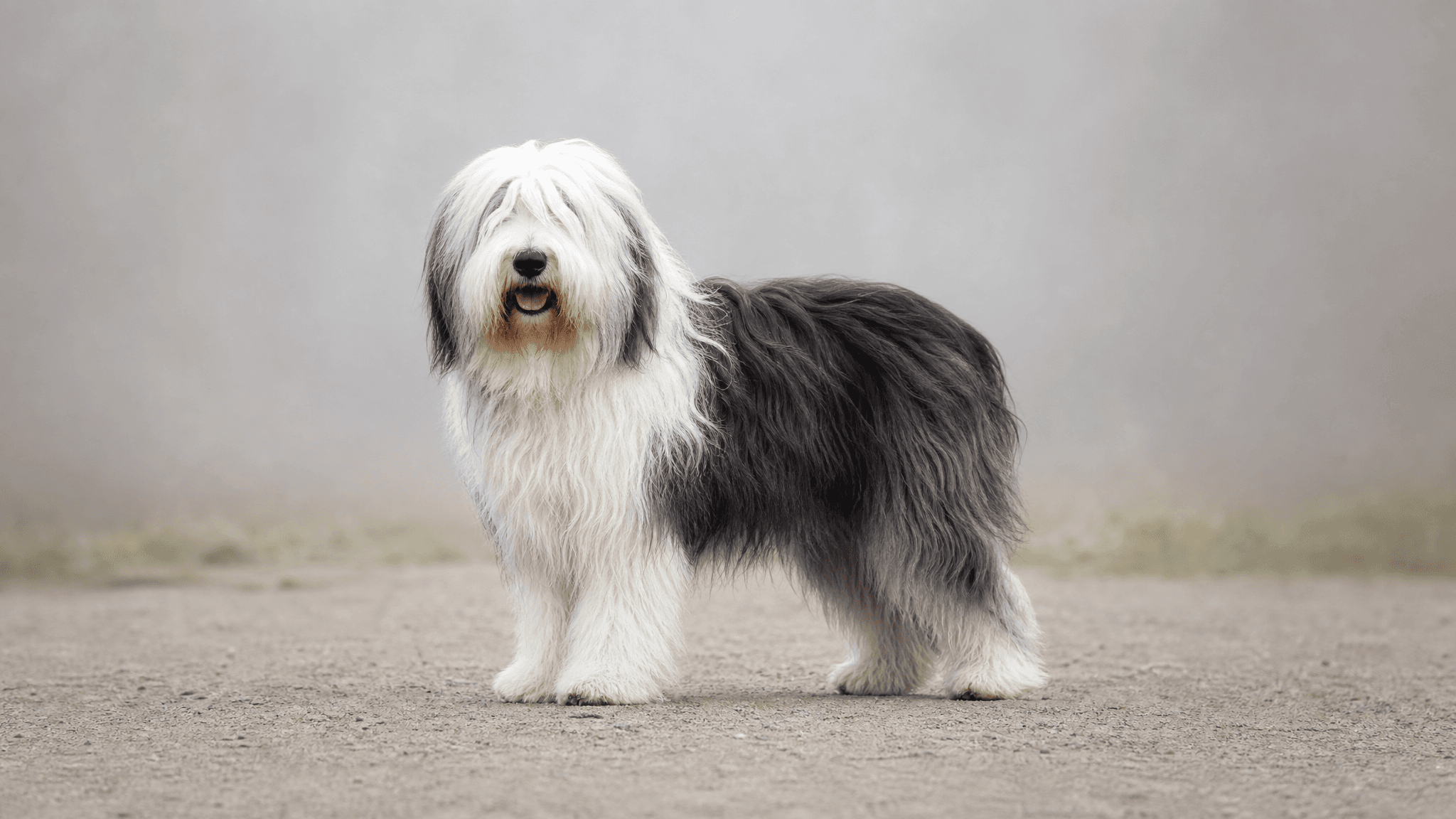
The Polish Lowland Sheepdog, known by the acronym PON (from the Polish Polski Owczarek Nizinny), is an ancestral Polish breed that served for centuries as a herding dog on the fertile plains of Poland. It is believed to be one of the ancestors of the English Bobtail and the Scottish Bearded Collie, brought to the British Isles by Polish wool merchants in the 16th century. It nearly disappeared after World War II, but was systematically rebuilt by dedicated breeders.
Physical Characteristics
- Size
- Medium
- Height (male)
- 45–50 cm
- Height (female)
- 42–47 cm
- Weight (male)
- 14–16 kg
- Weight (female)
- 14–16 kg
- Life Expectancy
- 12–14 years
- Coat
- Long, dense and slightly wavy; soft, dense undercoat; hair on the forehead partially covering the eyes
- Common Colors
- Any color or combination of colors accepted
Temperament & Personality
The PON is a balanced, intelligent and adaptable dog, with a character that combines the energy of a working dog with the gentleness of an excellent family companion. It is curious and attentive, with an extraordinary memory — they say a PON never forgets anything. It can be somewhat independent and stubborn, but responds well to positive and consistent training. It is loyal to the family and moderately reserved with strangers.
Activity & Exercise
- Energy Level
- Moderate to high
- Recommended Daily Exercise
- 60–90 minutes
- Suitable for Apartment
- Yes with exercise
Grooming & Care
- Grooming Needs
- High
- Shedding
- Moderate
- Bathing Frequency
- Every 4–6 weeks
Health
- Common Health Issues
- Elbow dysplasia
- Hip dysplasia
- Hypothyroidism
- Progressive cataracts
- Recommended Health Tests
- Eye examination
- OFA orthopedic evaluation
- Thyroid analysis
Compatibility
- With Children
- Excellent
- With Other Dogs
- Excellent
- With Cats
- Good
- For First-Time Owners
- Acceptable
Is a Polish Lowland Sheepdog right for you?
A Polish Lowland Sheepdog may suit you if:
- You can provide 60 to 90 minutes of daily exercise and engaging mental challenges.
- You enjoy an active lifestyle that includes training, games, and outdoor adventures.
- You appreciate an intelligent, curious, and loyal companion with a gentle family temperament.
- You are prepared to commit to consistent, positive training methods to guide a clever and sometimes independent mind.
- You are prepared for regular grooming, including brushing their long, dense coat several times weekly and bathing every 4-6 weeks.
- You are willing to manage their natural herding instincts and channel their attentiveness into productive activities.
Think twice if:
- You expect unwavering obedience from a dog, as this breed can be quite independent and stubborn.
- You have a routine that requires your dog to be left alone for long periods each day.
- You prefer a dog that is aloof rather than an active participant in family interactions with children and other pets.
- You are unwilling to commit to daily vigorous exercise or the significant grooming needs of their dense coat.
- You live in a small space and are unable to provide sufficient outdoor activity or mental stimulation.
- You are not prepared to consistently manage a medium-sized dog with moderate to high energy through its adolescent phases.
Living with a Polish Lowland Sheepdog is a wonderful journey for the right family. These intelligent, loyal companions offer immense joy and adapt well to family life, but their independent spirit and substantial grooming and exercise needs require a dedicated owner. They thrive on engagement and consistent guidance, rewarding your efforts with an unforgettable bond and endless affection.
Training a Polish Lowland Sheepdog
Training a Polish Lowland Sheepdog, or PON, is a truly rewarding experience, thanks to their intelligence and extraordinary memory. These bright dogs thrive on positive reinforcement, responding beautifully to treats, praise, and engaging play. Keep training sessions short, fun, and consistent to hold their attention and build a strong bond. Because they are so intelligent and remember everything, any inconsistency or harsh methods will quickly lead to frustration for both of you, making them appear stubborn. A gentle, patient, and clear approach is key to unlocking their full potential and ensuring they become the well-behaved companion you dream of.
Begin with:
- Attention and response to name around distractions
- Recall on a long line
- Loose-leash walking
- Leave it and drop it
- Calm greetings without jumping
- Settling on a mat or bed
- Cooperative handling for grooming, ears, feet and teeth
- Waiting at doors and gates
Herding Instinct and Independence
As an ancestral herding dog, your PON possesses a natural drive to gather and control. This can manifest as nipping at heels, circling, or trying to 'herd' family members or other pets. It's crucial to channel this energy positively through structured play and consistent training from an early age. Engage their minds with puzzle toys and obedience games to satisfy their working dog nature. Remember, their independence means they need clear, firm, but gentle guidance.
Their extraordinary memory means they will remember what you teach them, good or bad, so consistency is paramount. Use positive reinforcement to reward desired behaviors and make training a fun, engaging experience. Our training feature can help you build a consistent routine to manage their herding instincts and independence effectively.
Leash Manners and Grooming
With their moderate to high energy level, PONs can be enthusiastic walkers, which sometimes translates into pulling on the leash. Start loose-leash training early and consistently, rewarding them for walking calmly by your side. A front-clip harness can be a helpful tool in teaching them not to pull. For practical tips, check out our guide on stopping leash pulling.
Their beautiful long, dense coat requires high grooming, which can be a challenge if not introduced positively from a young age. Desensitize your PON to brushing, nail trims, and ear checks by making these sessions short, positive, and full of treats. Cooperative handling is essential to ensure these necessary routines are stress-free for both of you throughout their 12-14 year lifespan.
Boredom and Destructive Habits
A PON that isn't receiving their recommended 60-90 minutes of daily exercise and sufficient mental stimulation can quickly become bored and resort to destructive behaviors. Their intelligence means they need their minds engaged as much as their bodies. Provide puzzle toys, rotate their toys, and incorporate training games into their daily routine to keep them happy and well-adjusted.
While adaptable to apartment living with proper exercise, leaving a PON alone for extended periods without adequate preparation can lead to separation anxiety or nuisance barking. Teach them to be comfortable alone gradually and provide plenty of enrichment before you leave. If you suspect your dog is stressed when you're away, learn to recognize the signs.
Polish Lowland Sheepdog — Frequently Asked Questions
What is the Polski Owczarek Nizinny?
The Polski Owczarek Nizinny (PON) is an ancient Polish herding and livestock-guarding breed, whose origins trace back to shaggy-coated herding dogs brought to Poland from Central Asia centuries ago. It is a medium-sized, strongly built dog with a profuse, shaggy, long double coat that covers its eyes. In Poland it has been used for centuries to herd and guard sheep on the lowland plains (niziny), and it remains a beloved national breed. It was formally recognised by the FCI and has gained followers internationally, prized for its intelligence, loyalty, and independent herding ability.
Is the Polski Owczarek Nizinny a good family dog?
The Polski Owczarek Nizinny (PON) is a loyal, loving, and intelligent breed that can make an excellent family dog for experienced dog owners. It forms deep bonds with its family and is typically gentle and patient with children. However, it has a strong herding instinct — it may try to herd children, other pets, or even adults, using nipping to guide movement. Early socialisation and training are essential to channel this instinct appropriately. The PON is also naturally protective and can be wary of strangers, which makes early, positive socialisation particularly important for a well-adjusted adult dog.
How much exercise does a Polski Owczarek Nizinny need?
The Polski Owczarek Nizinny is an active, working herding breed that needs at least 1–1.5 hours of exercise per day. It is not a dog that will be satisfied with short garden strolls — it needs purposeful exercise that engages its body and active mind. Long walks, hiking, fetch games, agility, and herding activities are all ideal. Mental stimulation is just as important as physical exercise for the PON — puzzle toys, training sessions, and scent work help prevent boredom. A bored PON can become destructive or develop obsessive behaviours. With adequate exercise, it is a calm, composed companion indoors.
Is the Polski Owczarek Nizinny easy to train?
The Polski Owczarek Nizinny is highly intelligent and learns quickly, but it is not a push-button obedience dog. It has an independent herding mind — it was bred to make decisions without handler direction, and this independence carries into training. It responds exceptionally well to positive reinforcement and clicker training; harsh methods will cause it to shut down or become stubborn. Consistency and clear communication are key. The PON is easily bored by repetitive drills, so varied, creative training keeps it engaged. It excels in agility, obedience competitions, and herding trials when properly motivated and trained.
How do you groom a Polski Owczarek Nizinny?
Grooming a Polski Owczarek Nizinny is a significant commitment — its thick, shaggy, long double coat requires thorough brushing 3–4 times per week to prevent matting, with daily brushing during periods of heavy shedding. Start at the skin and work through each section of coat methodically. Areas behind the ears, the armpits, and the legs are most prone to tangles. The coat should never be clipped short — it should remain in its natural, long, shaggy form. Professional grooming every 6–8 weeks helps maintain the coat's condition. Regular ear cleaning, nail trimming, and dental care complete the grooming routine.
What health issues are common in the Polski Owczarek Nizinny?
The Polski Owczarek Nizinny is generally a hardy breed, but it has some known hereditary health conditions. Progressive retinal atrophy (PRA) — a degenerative eye disease that can lead to blindness — has been identified in the breed and should be screened for in breeding stock. Hip dysplasia can occur at moderate rates. Skin issues can develop under the dense coat if it is not properly maintained and allowed to trap moisture or become matted. Regular grooming is therefore an important health practice, not just an aesthetic one. Reputable breeders health-screen for PRA and hip dysplasia.
Does the Polski Owczarek Nizinny get along with other dogs and pets?
The Polski Owczarek Nizinny is generally sociable and can coexist well with other dogs, particularly when properly socialised from puppyhood. Its herding instinct means it may try to control or organise other household pets, which can be annoying to dogs that don't appreciate being herded. With cats and smaller animals, early introduction and careful supervision is recommended — its herding instinct could be misdirected toward chasing. As a breed with a protective nature, it can be dominant with unfamiliar dogs; ongoing positive socialisation with dogs of various sizes and temperaments from an early age helps develop a well-rounded social dog.
What is the typical lifespan of a Polski Owczarek Nizinny?
The Polski Owczarek Nizinny typically lives between 12 and 14 years, which is a good lifespan for a medium-sized working breed. They are a generally robust breed, and those who receive appropriate daily exercise, a balanced diet, and regular veterinary care tend to age well. The most important health practices for longevity are PRA screening (to detect any developing vision issues early), maintaining a healthy weight, ensuring regular, thorough grooming to prevent coat-related skin problems, and attending routine vet check-ups. Its loyalty and deep family bonds make it a rewarding lifelong companion.