Poitevin
Summary
The Poitevin, also known as the Chien de Haut-Poitou, is a large scent hound originating from the Poitou region in France, bred in the 17th century specifically for wolf hunting. It is the fastest of the French scent hounds — its packs can reach 56 km/h and can hunt for seven consecutive hours — earning it the nickname "greyhound among the French scent hounds." After nearly disappearing along with France's wolves, it was reconstituted to hunt deer and wild boar.
Physical Characteristics
- Size
- Large
- Height (male)
- 62–72 cm
- Height (female)
- 60–68 cm
- Weight (male)
- 25–35 kg
- Weight (female)
- 22–30 kg
- Life Expectancy
- 11–13 years
- Coat
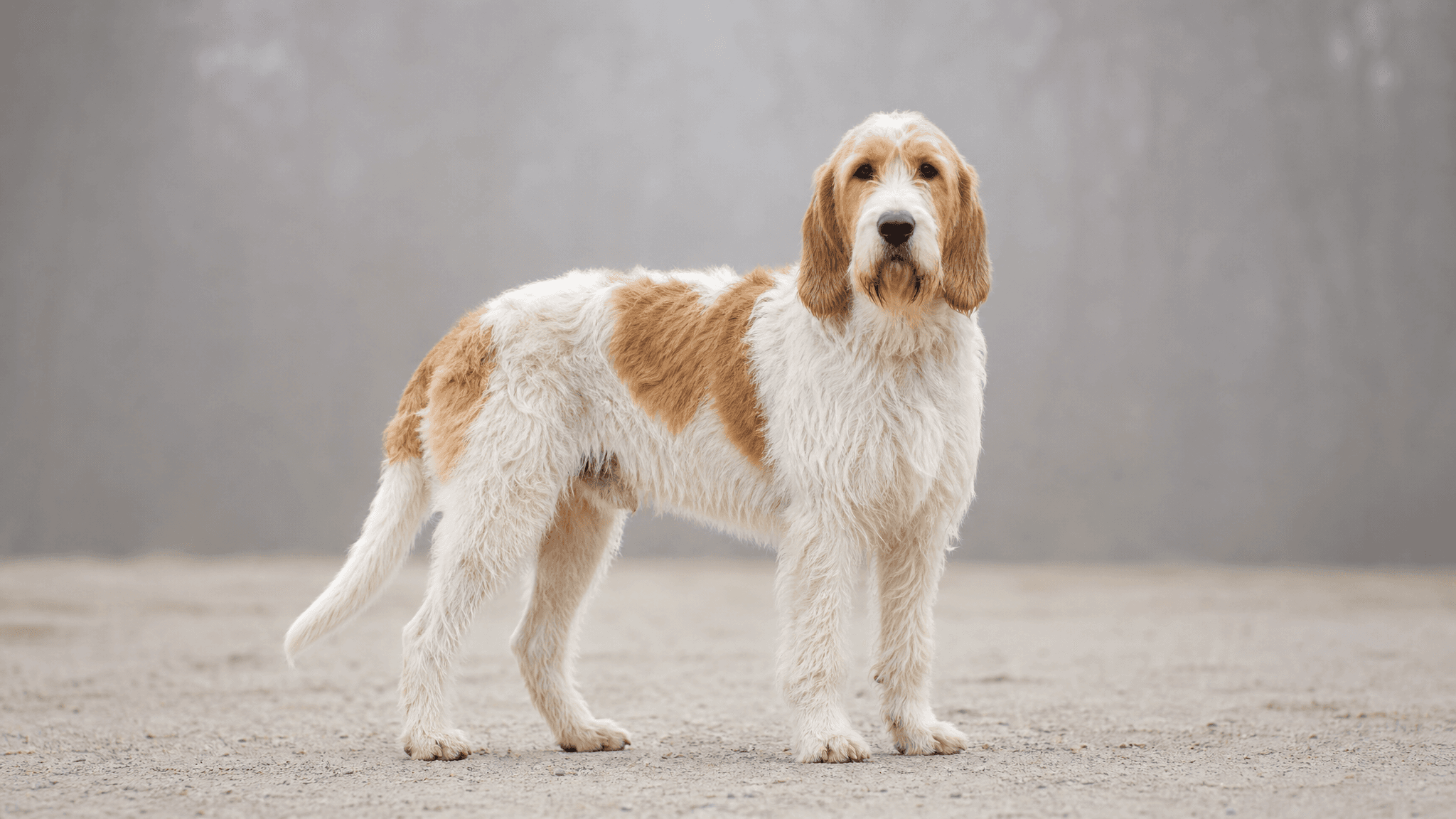
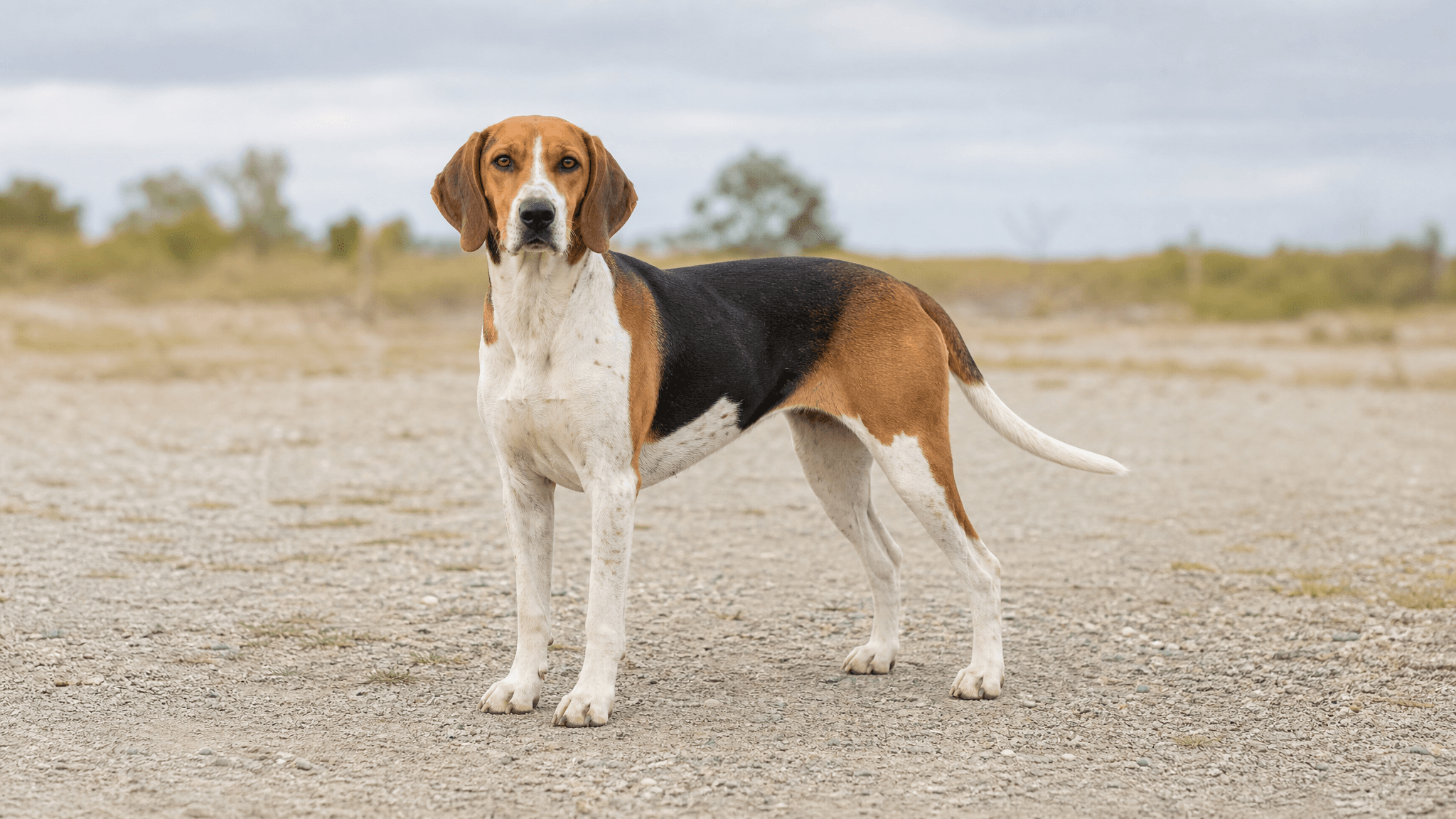
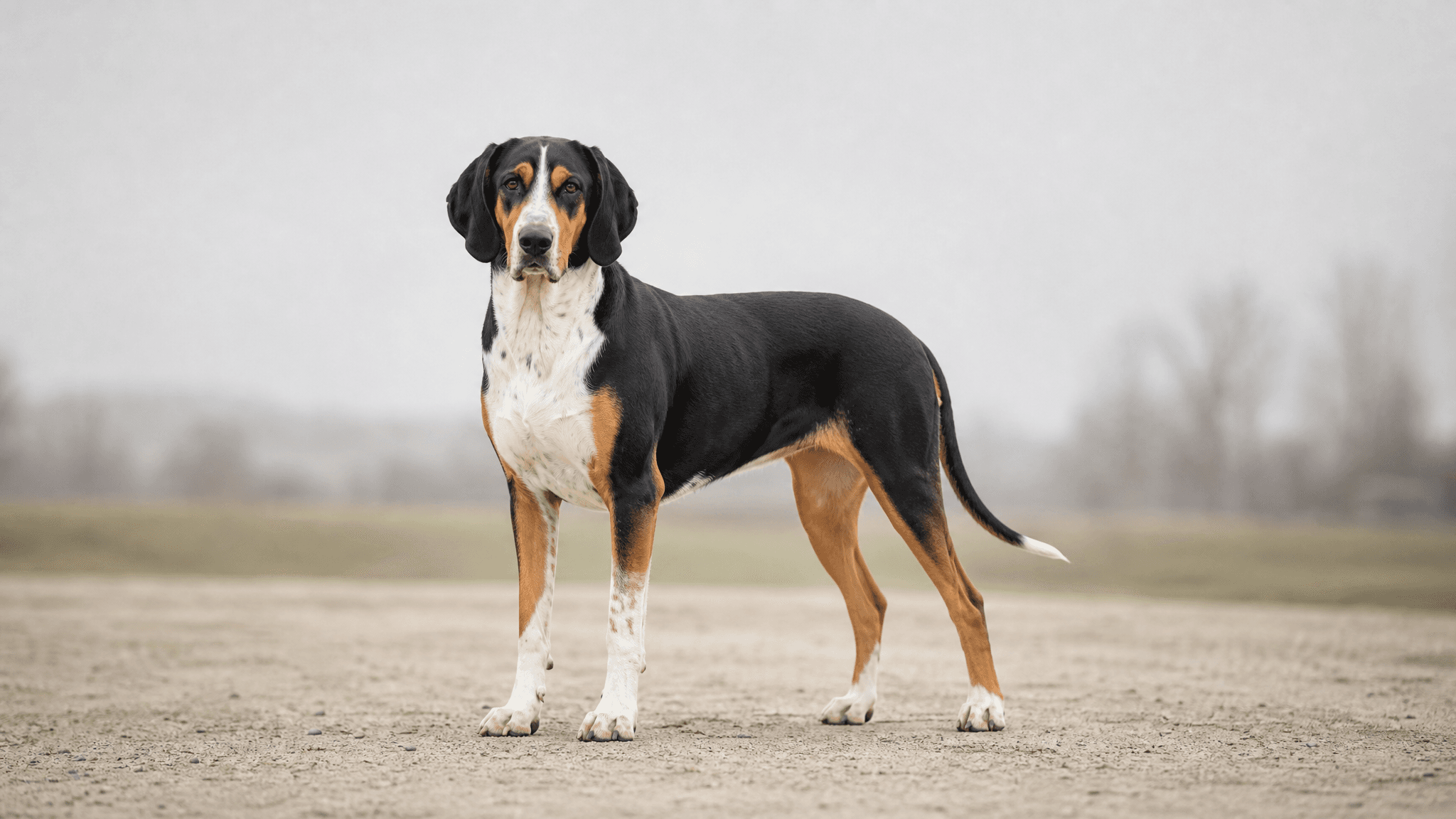
- Short, smooth, and glossy
- Common Colors
- Tricolor (black, white, and tan) or bicolor; usually with a black mantle or saddle
Temperament & Personality
The Poitevin is a courageous, hardy, and high-energy dog. Although affectionate with its owners, it is more reserved and independent than many other scent hounds, adapting poorly to urban life or isolation. It is a truly athletic breed that needs space and canine companionship to be happy.
Activity & Exercise
- Energy Level
- Very high
- Recommended Daily Exercise
- 120 minutes
- Suitable for Apartment
- Not recommended
Grooming & Care
- Grooming Needs
- Low
- Shedding
- Moderate
- Bathing Frequency
- Every 4 weeks
Health
- Common Health Issues
- Gastric torsion
- Hip dysplasia
- Otitis
- Recommended Health Tests
- Orthopedic evaluation
Compatibility
- With Children
- Moderate
- With Other Dogs
- Excellent
- With Cats
- Can be difficult
- For First-Time Owners
- Not recommended
Is a Poitevin right for you?
A Poitevin may suit you if:
- You can provide at least 120 minutes of vigorous daily exercise, embracing their need for speed and endurance.
- You enjoy outdoor adventures like long-distance running or hiking with a canine companion.
- You appreciate a courageous and independent companion who is still affectionate with their family.
- You are prepared to commit to consistent, positive reinforcement training from a young age.
- You are happy with minimal grooming, as their short, smooth coat requires little fuss.
- You are willing to manage their strong prey drive and provide secure, expansive outdoor areas.
Think twice if:
- You expect unwavering obedience and a dog that always prioritizes your commands over an interesting scent.
- You often leave your dog alone for long periods or cannot provide consistent companionship.
- You have cats or very small pets that could trigger their strong natural prey drive.
- You are unable to commit to at least two hours of vigorous exercise every single day.
- You live in an apartment or do not have a securely fenced, spacious yard for them to run.
- You are not prepared for a large, powerful, and independent dog during its energetic adolescent phase.
The Poitevin is a magnificent, athletic companion for the right home. While their independent spirit and boundless energy demand a dedicated owner who embraces an active outdoor life, their affectionate nature and need for companionship will reward you with an incredibly loyal and hardy friend. They thrive when given purpose and space, offering a unique blend of athleticism and devotion.
Training a Poitevin
Training a Poitevin is a rewarding journey that thrives on positive reinforcement and engaging activities. These intelligent, high-energy scent hounds learn best through short, fun, and consistent sessions that tap into their natural drives. They are highly motivated by praise, play, and especially by opportunities to use their incredible noses. Given their independent nature, long, repetitive drills will quickly lead to disengagement. If training lacks consistency, becomes overly harsh, or doesn't meet their substantial exercise needs, a Poitevin can become frustrated or simply tune out, making progress difficult. Patience and understanding are key to unlocking their potential.
Begin with:
- Attention and response to name around distractions
- Recall on a long line
- Loose-leash walking
- Leave it and drop it
- Calm greetings without jumping
- Settling on a mat or bed
- Cooperative handling for grooming, ears, feet and teeth
- Waiting at doors and gates
Prey drive and recall
The Poitevin's heritage as a wolf hunter means they possess an incredibly powerful prey drive and an exceptional nose. Once they catch a scent, their focus can become singular, making it incredibly challenging to regain their attention. This instinct is deeply ingrained and can easily derail recall, especially in open or stimulating environments.
To manage this, consistent and highly rewarding recall training is essential from day one. Always start in a low-distraction environment, gradually increasing the challenge. Use a long line for safety during early outdoor training, ensuring they can't bolt. High-value treats and enthusiastic praise are crucial motivators. For more in-depth guidance, check out our article on how to teach a dog to come when called.
Leash pulling
With their large size, impressive strength, and very high energy levels, Poitevins can become formidable pullers on the leash. Their desire to explore scents and cover ground quickly, combined with their athletic build, means they can easily drag an unprepared handler. This isn't naughtiness; it's simply their natural drive in action.
Early and consistent training for loose-leash walking is paramount. Use a front-clip harness or head collar for better control, and practice frequently in quiet areas before moving to more stimulating environments. Reward every step taken on a loose leash, and be prepared to stop and wait whenever the leash tightens. For more help, explore our guide to stopping leash pulling.
Boredom and destruction
A Poitevin that isn't receiving its recommended 120 minutes of daily exercise and sufficient mental stimulation will quickly become a frustrated and potentially destructive companion. Their very high energy and independent nature mean they adapt poorly to isolation or urban life without ample outlets. This can manifest as excessive barking, chewing, digging, or general mischief around the home, as they seek to entertain themselves.
Ensure your Poitevin gets plenty of vigorous exercise, ideally in a secure, spacious area where they can run freely. Incorporate scent games and puzzle toys to engage their keen intelligence and powerful nose. If left alone, even for short periods, ensure they have had their physical and mental needs met beforehand. Consider a dog walker or doggy daycare if you cannot provide consistent companionship, as they thrive with canine friends. If you notice signs of stress when left alone, our article on canine separation stress can offer insights.
Poitevin — Frequently Asked Questions
What is the Poitevin?
The Poitevin, also known as the Chien de Haut-Poitou, is a magnificent large scent hound hailing from the Poitou region of France. Recognized by the FCI in Group 6 (Large-sized Hounds), this breed is truly a sight to behold. Known for its incredible athleticism and very high energy, it's often called the "greyhound among the French scent hounds" due to its remarkable speed and endurance. These defining characteristics make the Poitevin a powerful and dedicated working dog, embodying centuries of selective breeding for performance in the field.
What was the Poitevin originally bred for?
Originally, the Poitevin was meticulously bred in 17th-century France for the formidable task of wolf hunting. These courageous hounds were essential partners to hunters, renowned for their ability to track and pursue large game over vast distances. After wolves became scarce in France, leading to the breed's near disappearance, dedicated enthusiasts reconstituted the Poitevin. Today, while still embodying its rich history, it continues to excel in hunting deer and wild boar, showcasing its enduring prowess and dedication as a scent hound.
How much exercise does a Poitevin need?
The Poitevin is a breed with a very high energy level, so they absolutely thrive on extensive exercise! To keep your Poitevin happy and healthy, you should plan for at least 120 minutes of vigorous activity every single day. These dogs are true athletes, capable of running at speeds up to 56 km/h and hunting for seven consecutive hours. They need ample space to run and explore, and they truly flourish when they have canine companionship to share their adventures with. Regular, intense exercise is non-negotiable for this active breed.
Is the Poitevin a good family dog?
While the Poitevin is affectionate with its owners, it's important to understand their unique temperament when considering them as a family dog. They are quite reserved and independent compared to many other scent hounds. Due to their very high energy and need for space, they adapt poorly to urban life or prolonged isolation. They truly thrive in environments where they have plenty of room to roam and, ideally, the companionship of other dogs. With an active, understanding family who can meet their substantial exercise and social needs, they can certainly be a loving companion, but they aren't suited for every household.
Is the Poitevin easy to train?
Training a Poitevin requires consistency, patience, and an understanding of their intelligent, yet independent, scent hound nature. They are courageous and hardy dogs, but their reserved temperament means they might not be as eager to please as some other breeds. While highly intelligent, especially when it comes to tracking, their independence can sometimes make training a bit more challenging. Positive reinforcement and engaging, varied training sessions work best. Early socialization and consistent guidance will help channel their high energy and natural instincts into a well-behaved and responsive companion.
What health issues are common in the Poitevin?
Like all breeds, Poitevins can be prone to certain health concerns, and being aware of these can help you provide the best care. Documented health issues for the Poitevin include Gastric torsion, also known as bloat, which is a serious and life-threatening condition. They can also be susceptible to Hip dysplasia, a genetic condition affecting the hip joints, and Otitis, which refers to ear infections. Regular veterinary check-ups, a balanced diet, and attentive care can help manage these risks and ensure your Poitevin lives a long, healthy life.
What is the Poitevin's coat like and how much grooming does it need?
The Poitevin typically sports a short, dense coat that is quite practical for a working scent hound. This type of coat is generally low-maintenance, making grooming relatively straightforward. A weekly brush with a rubber curry comb or a bristle brush is usually sufficient to remove loose hair, dirt, and keep their coat looking sleek and healthy. Regular ear cleaning is also important, especially given their predisposition to otitis, and routine nail trims will keep their paws in good condition. Overall, their grooming needs are quite manageable for active owners.
What is the typical lifespan of a Poitevin?
You'll be happy to know that Poitevins generally enjoy a good, long life! The typical lifespan for this wonderful breed ranges from 11 to 13 years. Providing your Poitevin with excellent nutrition, plenty of exercise, consistent veterinary care, and a loving, stimulating environment are all key factors in helping them reach the upper end of this range and enjoy many happy, healthy years by your side. They are truly robust dogs built for endurance and vitality.
Community
Talk to real Poitevin owners
This guide covers the breed on paper. In the app, the Poitevin community covers it in real life: photos from other owners, questions answered by people who live with the breed, and a directory of dogs you can browse.
- Photos & pollsSee what Poitevin owners are sharing today.
- Questions & answersAsk anything and hear from people who own one.
- Dog directoryBrowse Poitevins from around the world.
You join automatically when you add a Poitevin to your profile.