Miniature Schnauzer
Summary
The Miniature Schnauzer was developed in the late 19th century from the Standard Schnauzer, with crosses with Poodles and Affenpinschers to reduce the size while maintaining the breed's essential characteristics. Today it is one of the most popular small breeds in the world, loved for its robustness, intelligence, and characteristic coat that barely sheds.
Physical Characteristics
- Size
- Small
- Height (male)
- 30–35 cm
- Height (female)
- 30–35 cm
- Weight (male)
- 4–8 kg
- Weight (female)
- 4–8 kg
- Life Expectancy
- 12–15 years
- Coat
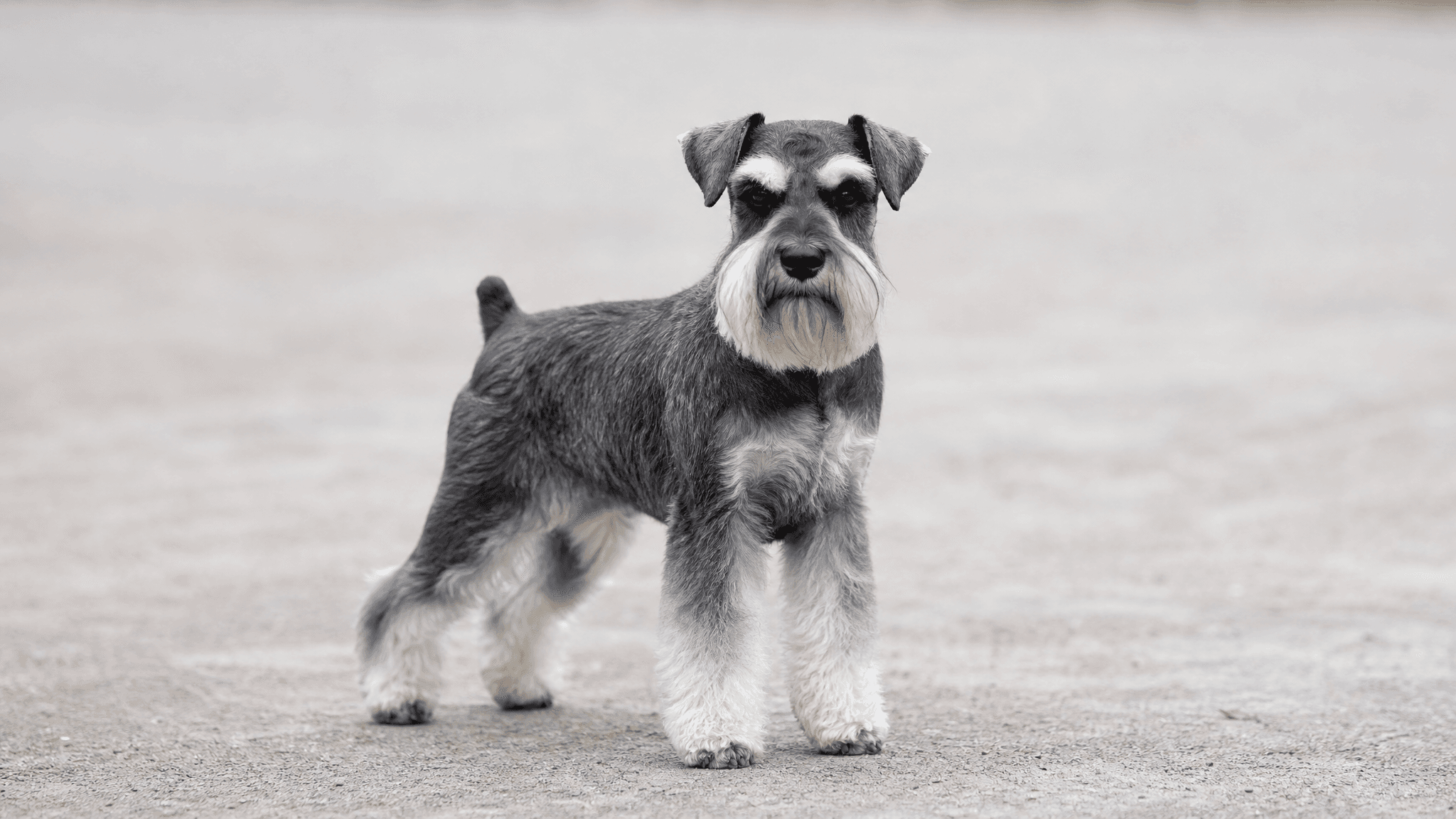
- Rough, hard, and dense, with characteristic whiskers and eyebrows
- Common Colors
- Pepper-and-salt, solid black, black with silver, white
Temperament & Personality
The Miniature Schnauzer has the indomitable spirit of a much larger dog. It is lively, affectionate, curious, and extraordinarily sociable — it loves being the centre of attention. It tends to bark when it senses something unusual, making it an excellent natural alarm. It is very good with children and adapts very well to apartment living, as long as it receives sufficient daily exercise.
Activity & Exercise
- Energy Level
- High
- Recommended Daily Exercise
- 45–60 minutes
- Suitable for Apartment
- Yes
Grooming & Care
- Grooming Needs
- High
- Shedding
- Minimal
- Bathing Frequency
- Every 4–6 weeks
Health
- Common Health Issues
- Eye problems
- Hyperlipidemia (elevated blood fat levels)
- Pancreatitis
- Patellar luxation
- Urolithiasis (urinary stones)
- Recommended Health Tests
- Blood tests (lipid profile)
- Eye examination
- Patella evaluation
Compatibility
- With Children
- Excellent
- With Other Dogs
- Good
- With Cats
- Good
- For First-Time Owners
- Recommended
Is a Miniature Schnauzer right for you?
A Miniature Schnauzer may suit you if:
- You are excited to provide 45 to 60 minutes of daily exercise and engaging mental challenges.
- You enjoy an active lifestyle and want a sociable companion who thrives on being involved in your daily activities.
- You appreciate a dog with an indomitable, spirited personality who is affectionate and loves being the center of attention.
- You are prepared to commit to consistent, positive training to channel their intelligence and lively spirit.
- You are willing to maintain their distinctive rough coat with regular grooming, including professional trims and daily brushing.
- You appreciate a natural alarm dog and are prepared to manage their tendency to bark at unusual sights.
Think twice if:
- You expect unwavering obedience from a dog, as their spirited nature can sometimes lead to charming stubbornness.
- You have a busy schedule that frequently leaves a dog alone for long hours without much interaction.
- You prefer a dog that quietly blends into the background, not one who loves being the center of attention.
- You are unwilling to commit to daily vigorous walks or the consistent grooming their unique coat requires.
- You live in a poorly secured home or are unprepared for their alert barking, which serves as a natural alarm.
- You are not prepared to provide firm, consistent guidance during their spirited adolescent phase to establish good manners.
Miniature Schnauzers are bundles of spirited joy, offering unwavering affection and endless entertainment. Their lively intelligence and desire to be involved make them wonderful companions, but this vibrant personality comes with a need for consistent training, ample exercise, and dedicated grooming. Embrace their zest for life and commitment to their care, and you’ll be rewarded with a loyal, charming, and robust friend for 12 to 15 years.
Training a Miniature Schnauzer
Your Miniature Schnauzer is a bright, curious companion with an "indomitable spirit" and a strong desire to please, making them a joy to train. They thrive on positive reinforcement, especially when treats, praise, and engaging play are involved, as they adore being the center of attention. Keep training sessions short, frequent, and fun, perhaps 5-10 minutes a few times a day, to maintain their focus and enthusiasm. If training becomes dull, repetitive, or too harsh, your clever Schnauzer may become bored, stubborn, or even anxious, making progress much harder. Consistency and patience are key to unlocking their full potential.
Begin with:
- Attention and name response
- Recall on a long line
- Loose-leash walking
- Leave it and drop it
- Calm greetings without jumping
- Settling on a mat or bed
- Cooperative handling for grooming
- Waiting at doors and gates
Prey Drive and Barking
Miniature Schnauzers possess a strong prey drive, a remnant of their heritage as farm dogs, which can make off-leash recall challenging when squirrels or birds are present. Always use a long line in unfenced areas until their recall is rock-solid, and practice "leave it" diligently. You can find more tips on how to teach a reliable recall.
Their natural alarm instinct also means they tend to bark at anything unusual, which can become excessive if not managed. Teach them to "speak" on command, then immediately "quiet" and reward the silence, helping them understand when barking is appropriate.
Leash Pulling
Despite their small size, Miniature Schnauzers have a high energy level and an enthusiastic spirit that can translate into significant leash pulling. This isn't about being disobedient, but often about their excitement to explore the world! Start loose-leash training early with positive reinforcement, rewarding every step they take with a slack leash.
If they pull, simply stop walking until the leash loosens, then resume. Consistency is vital, and using a front-clip harness can provide better control without discomfort. You can find more tips in our guide on stopping leash pulling.
Boredom and Anxiety
A Miniature Schnauzer needs its recommended 45-60 minutes of daily exercise to stay happy and well-behaved. Without enough physical activity and mental stimulation, their lively and curious nature can lead to boredom, manifesting as excessive barking, destructive chewing, or digging.
They are also incredibly sociable and thrive on being the center of attention, so extended periods of being left alone can lead to separation anxiety. Ensure they have plenty of interactive toys, short training sessions throughout the day, and consider a dog walker or pet sitter if you're away for long periods. Recognizing the signs of stress is important; this article can help.
Miniature Schnauzer — Frequently Asked Questions
Do Miniature Schnauzers shed much?
Miniature Schnauzers are a low-shedding breed — their wiry double coat sheds minimally, making them popular with people who want a dog that won't leave hair all over the house. However, their coat requires regular grooming: hand-stripping (which preserves the wiry texture) or clipping every 6–8 weeks. Clipping changes the coat texture over time to a softer feel and slightly different colour but is perfectly fine from a pet-care perspective. Weekly brushing between grooms prevents matting.
Are Miniature Schnauzers prone to barking?
Yes — Miniature Schnauzers are alert, watchful dogs with a strong tendency to bark at strangers, sounds, and anything out of the ordinary. This makes them excellent watchdogs but can be challenging in apartments or close-knit neighbourhoods. Early training to settle on command and adequate daily exercise (a tired Schnauzer is a quieter Schnauzer) both help significantly. Their terrier heritage means some vocal expression is simply part of who they are, but excessive barking is manageable with consistent training.
What health issues are Miniature Schnauzers prone to?
Miniature Schnauzers are prone to pancreatitis — their digestive system is sensitive to fat, and a high-fat diet or dietary indiscretion can trigger a painful, sometimes life-threatening episode. Feed a low-fat diet and avoid table scraps religiously. Bladder stones (both struvite and calcium oxalate types) are also common; ample fresh water helps reduce risk. Hyperlipidaemia (elevated blood fats), hereditary eye conditions, and myotonia congenita (a muscle condition) are also seen. Regular vet check-ups and low-fat feeding are the foundation of Schnauzer health.
Are Miniature Schnauzers good family dogs?
Miniature Schnauzers are spirited, loyal, and generally great with families — they love being part of family activities and are sturdy enough to handle play with children. They're energetic and playful, which suits active families well. Their alert nature makes them watchful around strangers, which some families appreciate as a safety feature. They get along well with other dogs when socialised early, though some can be feisty with dogs they don't know.
How long do Miniature Schnauzers live?
Miniature Schnauzers are a robust, long-lived breed, typically reaching 12–15 years. Their longevity is best supported by strict low-fat feeding (preventing pancreatitis episodes that can permanently damage the pancreas), maintaining a healthy weight, regular dental care, and annual vet check-ups including bloodwork to monitor blood fat levels. Well-managed Miniature Schnauzers regularly live into their mid-to-late teens.
Are Miniature Schnauzers easy to train?
Miniature Schnauzers are bright, keen dogs that respond well to training — they pick up commands quickly and enjoy the mental engagement of working with their owner. Their terrier streak means they can be independently minded and test limits, but their intelligence and desire to please generally win out with consistent positive reinforcement. They respond particularly well to trick training and nose work, which tap into their sharp, inquisitive nature.
Can a Miniature Schnauzer live in an apartment?
Miniature Schnauzers are excellent apartment dogs — they're compact, adaptable, and don't need huge amounts of space to be happy. Their main apartment challenge is their tendency to bark at sounds and passersby; early training on a 'quiet' cue and ensuring they get adequate daily exercise are the keys to managing this. They thrive on human company and do well in urban environments as long as they get daily walks and mental stimulation through training and play.
What are the different sizes of Schnauzer?
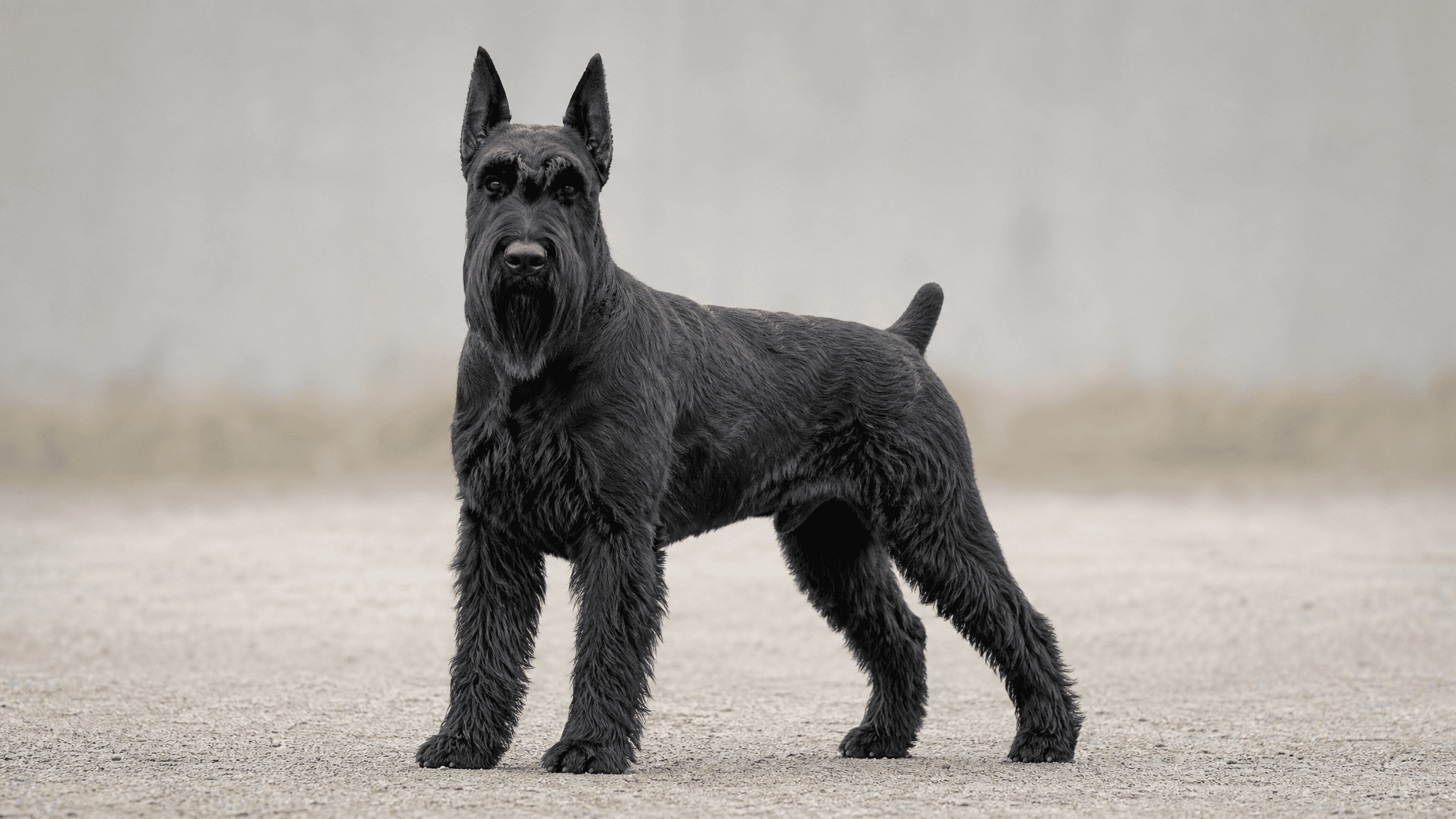
The Schnauzer family comes in three sizes: Miniature (under 35 cm, 4–8 kg), Standard (45–50 cm, 14–20 kg), and Giant (60–70 cm, 25–40 kg). All three share the characteristic wiry coat, bushy beard and eyebrows, and alert Schnauzer temperament — but they're officially three distinct breeds. The Miniature is the most popular and is classified as a terrier in many kennel clubs, while the Standard and Giant are working/utility dogs. Health concerns vary by size, with pancreatitis most common in Miniatures.
Community
Talk to real Miniature Schnauzer owners
This guide covers the breed on paper. In the app, the Miniature Schnauzer community covers it in real life: photos from other owners, questions answered by people who live with the breed, and a directory of dogs you can browse.
- Photos & pollsSee what Miniature Schnauzer owners are sharing today.
- Questions & answersAsk anything and hear from people who own one.
- Dog directoryBrowse Miniature Schnauzers from around the world.
You join automatically when you add a Miniature Schnauzer to your profile.