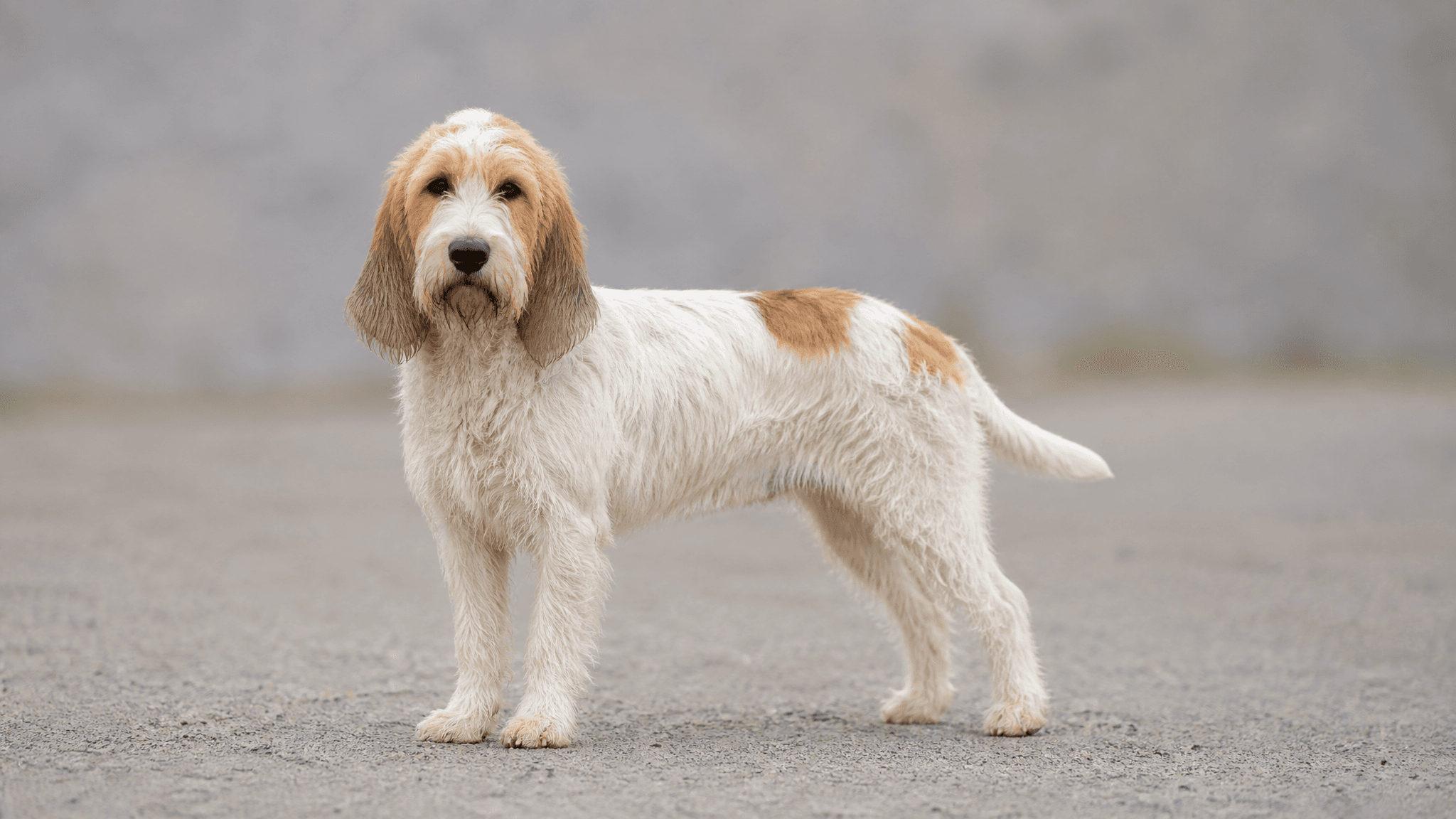
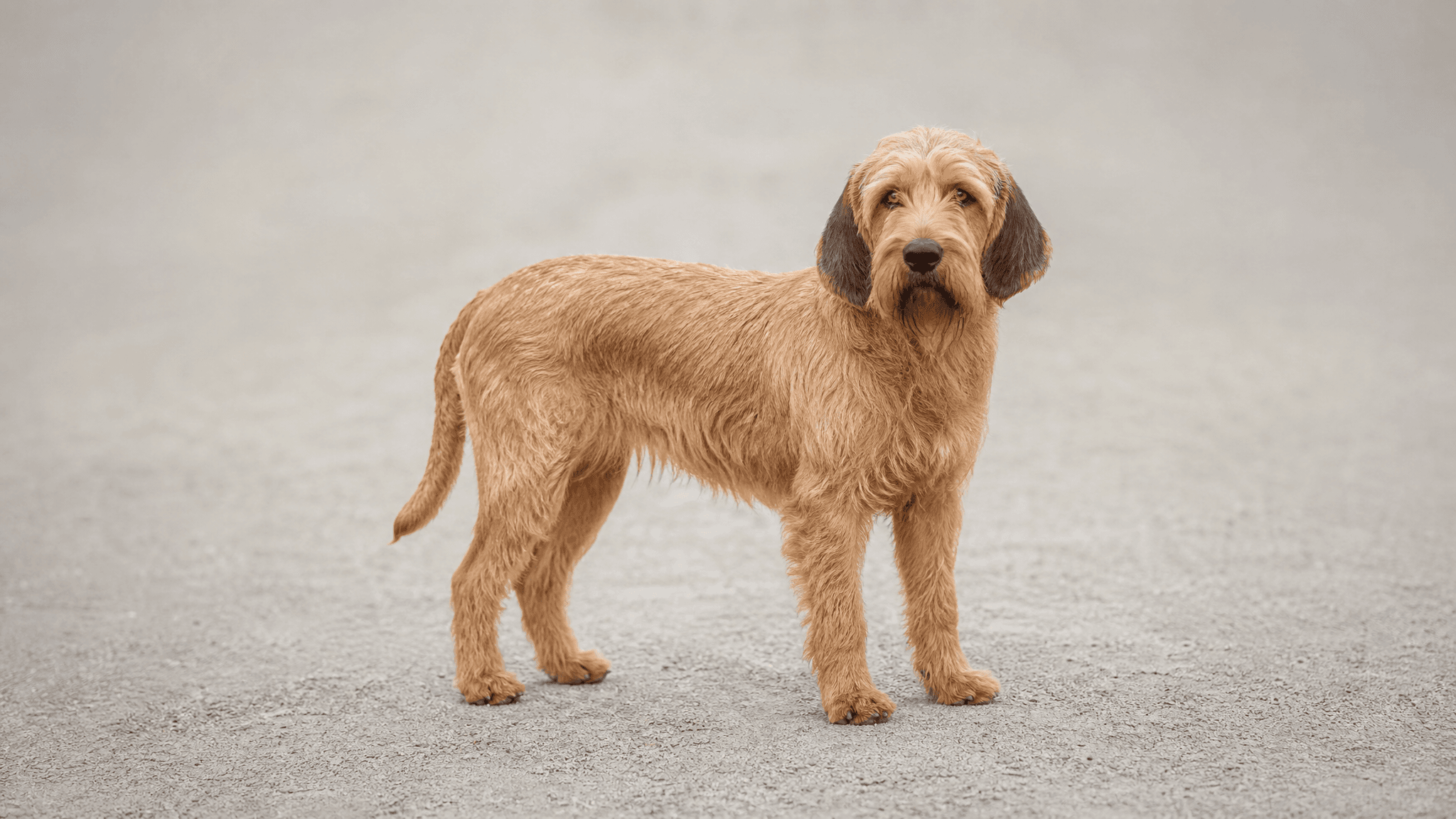
Medium-Sized Anglo-French Hound
Summary
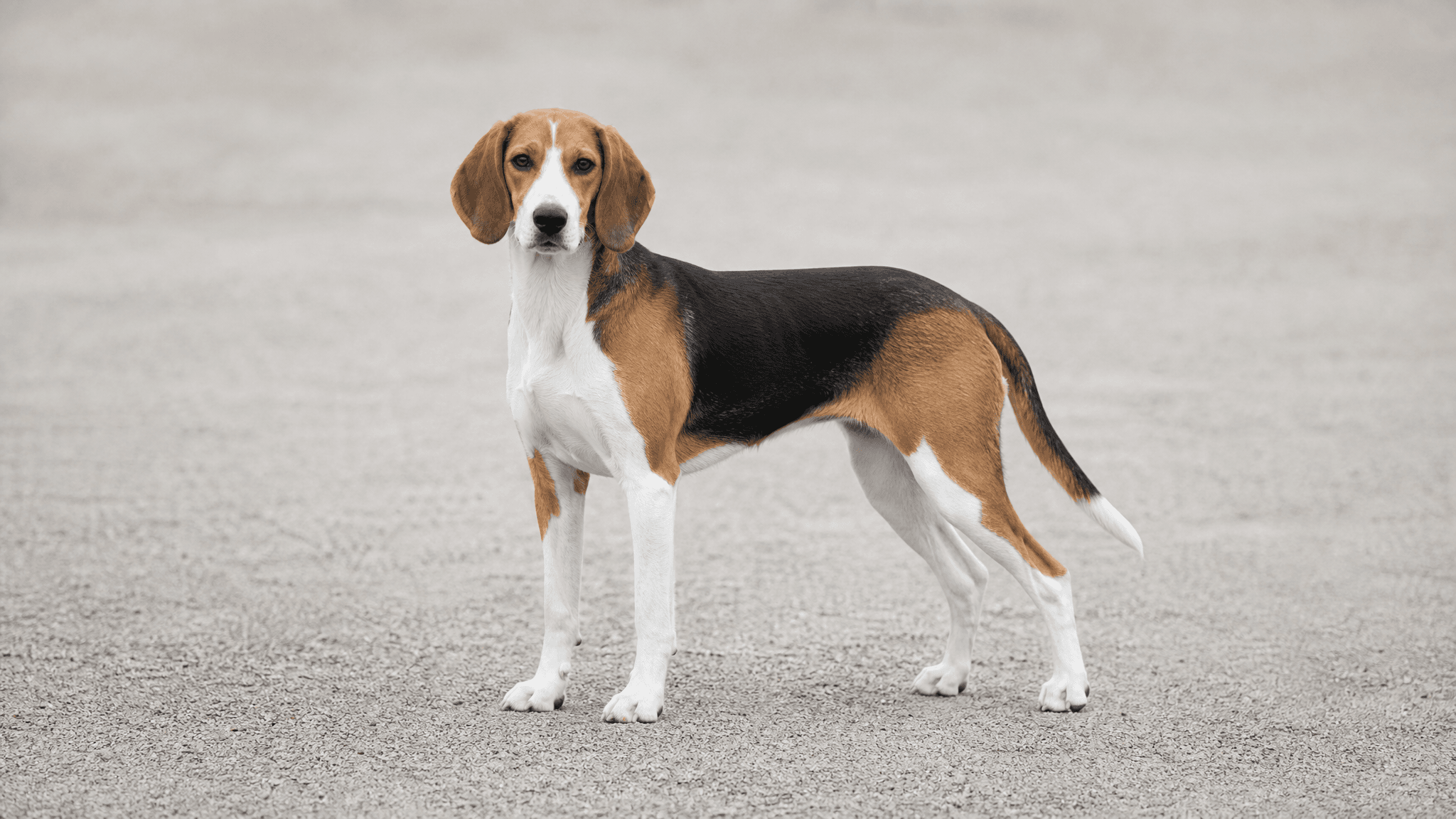
The Anglo-Français de Petite Vénerie is the medium-sized version of the Anglo-Français family, bred for small game hunting — primarily hare and fox — in varied terrain. It combines the scenting abilities of French scent hounds with the speed and agility of the Beagle and Harrier. It is more compact and manageable than its large-sized counterparts.
Physical Characteristics
- Size
- Medium
- Height (male)
- 48–56 cm
- Height (female)
- 46–54 cm
- Weight (male)
- 16–20 kg
- Weight (female)
- 14–18 kg
- Life Expectancy
- 12–14 years
- Coat
- Short and dense
- Common Colors
- Tricolor, white and black, or white and orange
Temperament & Personality
The Anglo-Français de Petite Vénerie is active, energetic, with an excellent hunting instinct. It is more sociable and manageable than the large Anglo-Français, adapting better to family life with adequate exercise.
Activity & Exercise
- Energy Level
- High
- Recommended Daily Exercise
- 60–90 minutes
- Suitable for Apartment
- Not recommended
Grooming & Care
- Grooming Needs
- Low
- Shedding
- Moderate
- Bathing Frequency
- Every 4 weeks
Health
- Common Health Issues
- Hip dysplasia
- Otitis
- Recommended Health Tests
- Orthopedic evaluation
Compatibility
- With Children
- Good
- With Other Dogs
- Excellent
- With Cats
- Moderate
- For First-Time Owners
- Not recommended
Is a Medium-Sized Anglo-French Hound right for you?
A Medium-Sized Anglo-French Hound may suit you if:
- You are prepared to provide 60 to 90 minutes of vigorous exercise daily, including engaging scent work to satisfy their excellent hunting instinct.
- You enjoy an active outdoor lifestyle and are happy to explore varied terrains with a keen companion.
- You appreciate an active, energetic, and sociable companion who loves to be involved in family life.
- You are committed to consistent, positive reinforcement training to channel their intelligence and natural instincts effectively.
- You are comfortable with moderate shedding and providing basic grooming, including bathing every four weeks.
- You are willing to manage their strong scenting drive and supervise them carefully when off-leash in open areas.
Think twice if:
- You expect instant obedience or a dog without a strong independent scenting drive.
- You have a busy schedule that leaves your dog alone for long periods each day.
- You have small, vulnerable pets like cats that are not accustomed to an active hound's presence.
- You are unwilling to commit to at least an hour of vigorous exercise daily, regardless of the weather.
- You live in an apartment or do not have a securely fenced yard for safe outdoor activity.
- You are not prepared for a strong, energetic hound that requires consistent guidance through its adolescent phase.
Living with a Medium-Sized Anglo-French Hound is a rewarding adventure, blending the joy of a devoted family member with the demands of a true working hound. While their sociable nature and manageable size make them wonderful companions, their innate drive and high energy require a committed, active owner. Embrace their zest for life, and you'll find an unparalleled partner for years of outdoor exploration and loving companionship.
Training a Medium-Sized Anglo-French Hound
Your Anglo-French Hound is a bright, energetic learner, eager to please but also driven by their incredible nose. Positive reinforcement, like tasty treats and praise, will be your best friend in training. Keep sessions short, fun, and engaging, ideally 5-10 minutes a few times a day, to match their active nature and prevent boredom. This breed thrives on consistency and clear communication. If training becomes repetitive or harsh, or if you don't engage their natural instincts, they can become distracted, independent, or simply tune you out, making progress much harder.
Begin with:
- Attention and response to name around distractions
- Recall on a long line
- Loose-leash walking
- Leave it and drop it
- Calm greetings without jumping
- Settling on a mat or bed
- Cooperative handling for grooming, ears, feet and teeth
- Waiting at doors and gates
Recall and prey drive
The Anglo-French Hound's excellent hunting instinct means they are hardwired to follow a scent, which can make recall a significant challenge, especially off-leash. Their nose can easily lead them astray when a tempting trail crosses their path. Start recall training in a quiet, enclosed area, gradually adding distractions. Always use high-value rewards and make coming back to you the most exciting thing ever. Practice consistently, and consider using a long line in open spaces until their recall is rock-solid. This guide on recall training can help.
Leash pulling
With their medium size and strong drive to explore with their nose, an Anglo-French Hound can be quite a puller on the leash. They are energetic and want to follow every interesting scent, making walks a tug-of-war if not addressed. Focus on teaching loose-leash walking from day one. Use a front-clip harness for better control and reward them frequently for walking calmly by your side. Change direction often to keep their attention on you, and make sure their daily 60-90 minutes of exercise includes structured walks where they learn good leash manners. Our guide on stopping leash pulling offers great tips.
Boredom and destructive behaviour
These active and energetic hounds require significant physical and mental stimulation. If they don't get their recommended 60-90 minutes of daily exercise, or if they are left alone for long periods without engagement, they can become bored and resort to destructive chewing, excessive barking, or general restlessness.
Ensure a consistent routine of walks, playtime, and mental enrichment like puzzle toys or scent games. Consider enrolling in dog sports like tracking or agility to channel their natural abilities. For times when you must leave them, ensure they have appropriate outlets and a comfortable, safe space. Consistent training using our training feature can help establish good habits and manage their energy.
Medium-Sized Anglo-French Hound — Frequently Asked Questions
What is the Anglo-Français de Petite Vénerie?
The Anglo-Français de Petite Vénerie (Medium-Sized Anglo-French Hound) is a French pack hunting hound developed from crosses between English and French scent hound breeds — primarily English Foxhound or Beagle with French breeds such as the Poitevin or Porcelaine. 'Petite Vénerie' refers to small-game hunting (primarily hare and rabbit) rather than the large-game hunts ('Grande Vénerie') conducted with larger hounds. It is a moderately sized, athletic hound recognised by the FCI and popular in France for hunting in smaller, more agile packs. Outside France, it remains largely unknown.
How much exercise does an Anglo-Français de Petite Vénerie need?
As a working pack hound bred for sustained hunting activity, the Anglo-Français de Petite Vénerie needs significant daily exercise — ideally 1.5–2 hours of vigorous activity. Long walks, hikes, and safe off-lead running sessions where it can use its nose are ideal. Like all scent hounds, its prey drive means recall training is critical and off-lead exercise should only occur in securely fenced areas. Without adequate exercise, it can become restless and develop nuisance behaviours including excessive baying. It is happiest when given a job and regular, sustained physical activity as part of its daily routine.
Is the Anglo-Français de Petite Vénerie a good family dog?
The Anglo-Français de Petite Vénerie has a sociable, cheerful, and affectionate nature and can make a good family dog for active, outdoor-oriented households. It is typically good-natured with children and very dog-friendly due to its pack breeding. However, its strong hunting instincts mean it may not be reliable around cats or small pets, and it needs a securely fenced property. It also has a powerful voice and may not suit close-proximity urban living. For families who enjoy outdoor life, hiking, and have space for an energetic hound, it can be a joyful and loyal companion.
Is the Anglo-Français de Petite Vénerie easy to train?
Like most scent hounds, the Anglo-Français de Petite Vénerie is intelligent but can be selectively attentive — responsive in familiar, low-distraction environments but prone to ignoring commands when a scent trail is more compelling. Positive reinforcement with treats works well; the breed is food-motivated and willing to learn when training is made rewarding. Recall training and leash manners should be prioritised from puppyhood. The breed is sensitive and does not respond well to harsh training methods — patient, consistent, and positive training yields the best results. Its cheerful nature makes it an enjoyable dog to work with when the approach is right.
What is the Anglo-Français de Petite Vénerie used for today?
Today, the Anglo-Français de Petite Vénerie is still primarily used as a hunting dog in France, participating in traditional pack hunts for hare and rabbit. In France, hunting with packs of hounds remains a cultural tradition, and the breed maintains a working population supported by hunting estates and clubs. Outside of hunting, a small number are kept as companion dogs by owners who appreciate their sociable, cheerful temperament. The breed is rarely seen in international dog shows and is not common in non-hunting households due to its high exercise requirements and strong hunting instincts.
Does the Anglo-Français de Petite Vénerie get along with other dogs?
Exceptionally well — like all pack-bred scent hounds, the Anglo-Français de Petite Vénerie is naturally very dog-sociable. It was bred to live and work in close quarters with large numbers of other hounds, and it retains that cooperative, non-aggressive nature. Multi-dog households suit it perfectly, and it is noticeably happier when it has canine company. Early socialisation with dogs of varying sizes and breeds helps it develop appropriate social skills. With cats and small animals, its hunting instincts mean introductions should be careful and supervised, particularly if the breed has not been raised alongside smaller animals.
What health issues are common in this breed?
The Anglo-Français de Petite Vénerie is generally a healthy, hardy breed with few breed-specific hereditary conditions, benefiting from the diverse genetics of its English and French parent breeds. Hip dysplasia occurs at moderate rates, as it does across most medium and large hound breeds. Ear infections are a recurring risk due to their drop ears trapping moisture — regular ear cleaning after exercise and baths is important. Like all active scent hounds, maintaining a healthy weight and appropriate exercise level are the main pillars of long-term health. Regular veterinary check-ups allow early detection of any developing issues.
What is the typical lifespan of an Anglo-Français de Petite Vénerie?
The Anglo-Français de Petite Vénerie typically lives between 11 and 13 years, which is a good lifespan for a medium-sized working hound. Its robust, working-bred constitution contributes to reliable health across its lifespan. The main factors supporting a long, healthy life are daily vigorous exercise to maintain musculoskeletal and cardiovascular health, maintaining a healthy body weight, regular ear care to prevent infections, and attending routine veterinary check-ups. Dogs in traditional working environments that hunt regularly tend to maintain excellent physical condition well into their senior years.
Community
Talk to real Medium-Sized Anglo-French Hound owners
This guide covers the breed on paper. In the app, the Medium-Sized Anglo-French Hound community covers it in real life: photos from other owners, questions answered by people who live with the breed, and a directory of dogs you can browse.
- Photos & pollsSee what Medium-Sized Anglo-French Hound owners are sharing today.
- Questions & answersAsk anything and hear from people who own one.
- Dog directoryBrowse Medium-Sized Anglo-French Hounds from around the world.
You join automatically when you add a Medium-Sized Anglo-French Hound to your profile.