Lapponian Herder
Summary
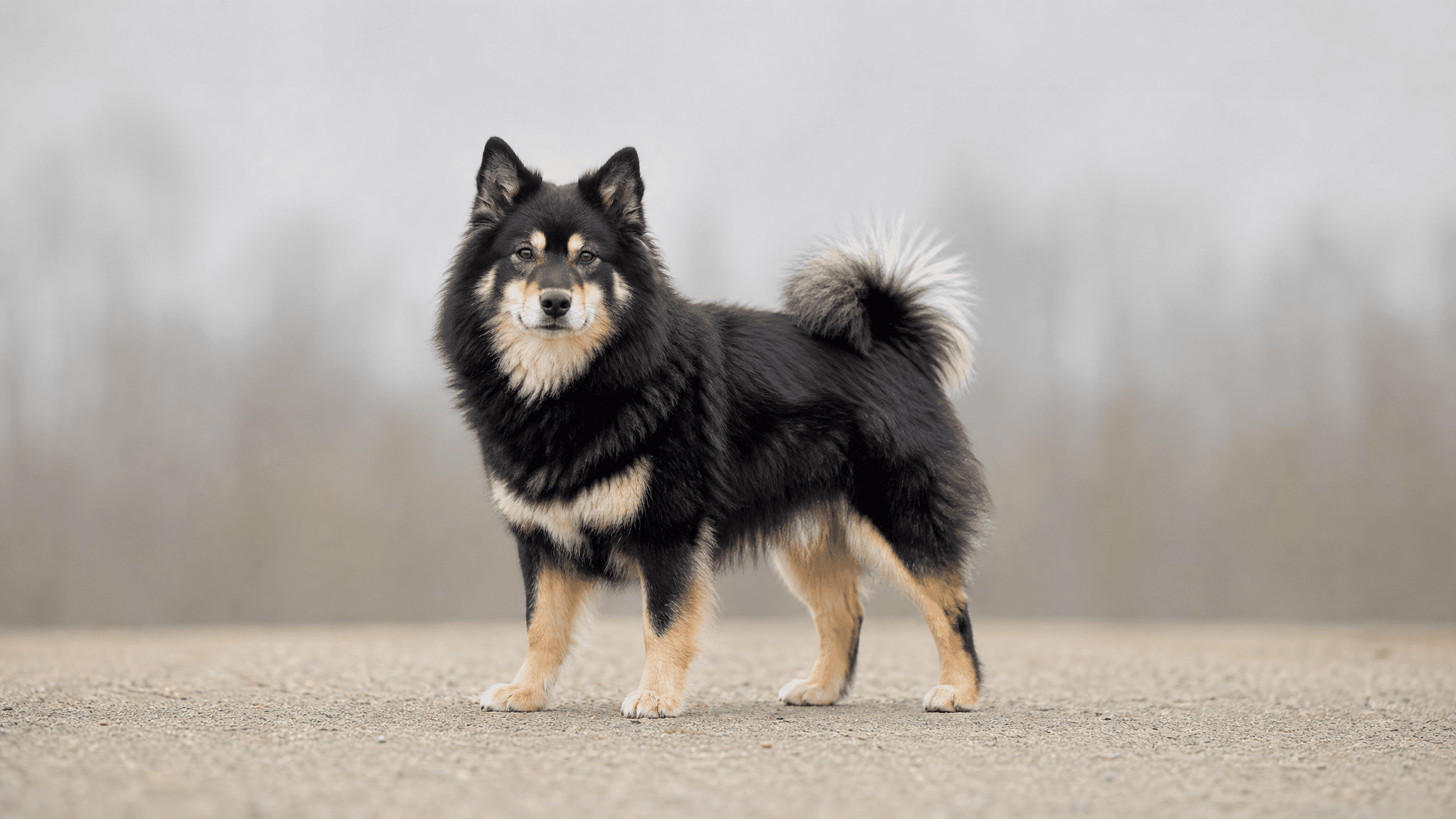
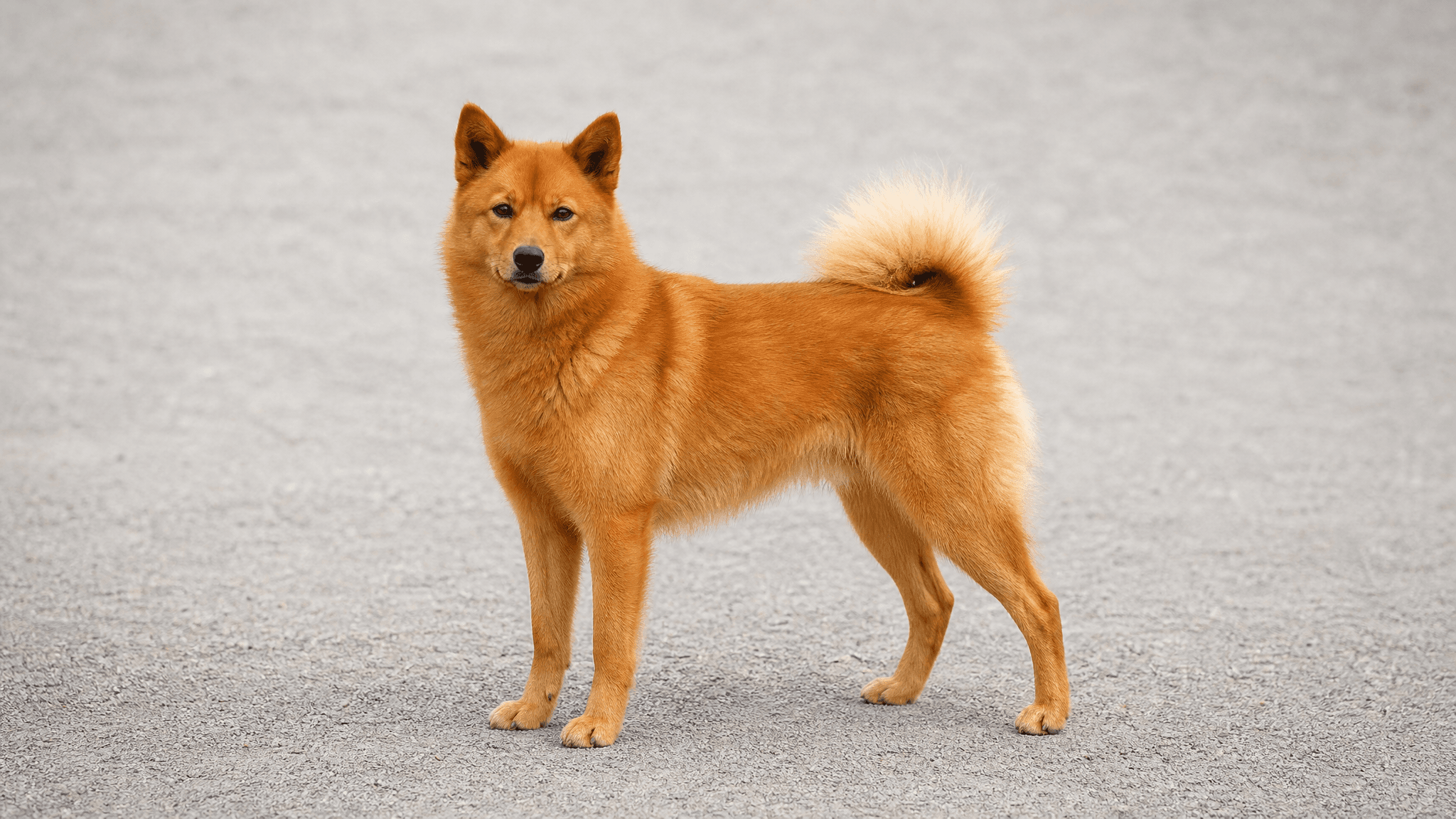
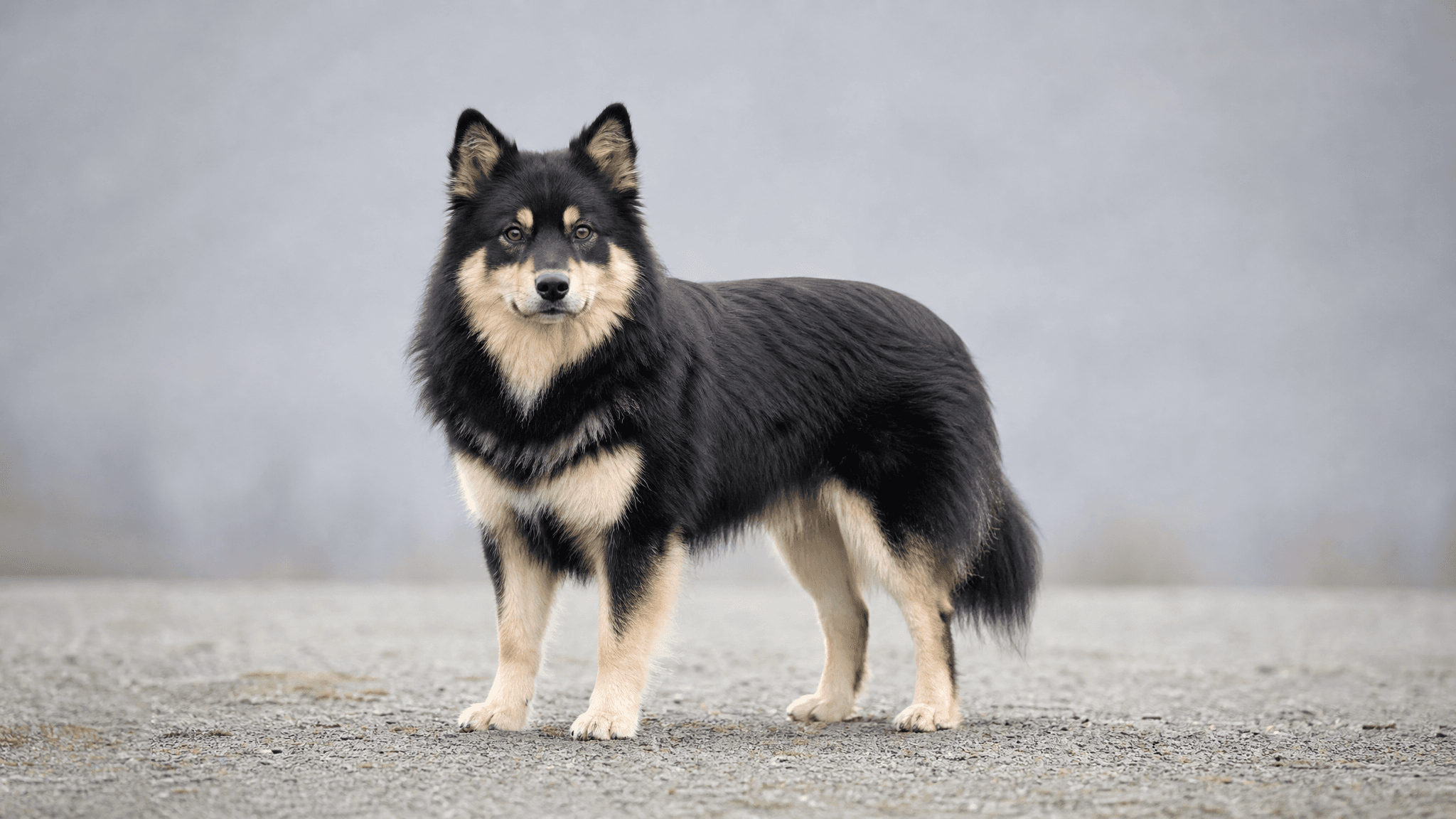
The Lapponian Herder (Lapinporokoira in Finnish) is distinct from the Finnish Lapponian Dog — while the latter is a typical Spitz, the Lapponian Herder has a type more similar to Nordic herding dogs, with a more rectangular silhouette and predominantly dark coat. It was bred specifically to herd reindeer for the Sami people in Finnish and Swedish Lapland.
Physical Characteristics
- Size
- Medium
- Height (male)
- 49–55 cm
- Height (female)
- 43–49 cm
- Weight (male)
- 25–30 kg
- Weight (female)
- 19–24 kg
- Life Expectancy
- 11–14 years
- Coat
- Double; medium to long, dense outer coat; dense undercoat
- Common Colors
- Black, brown, grey; frequently with lighter markings on the chest and paws
Temperament & Personality
The Lapponian Herder is intelligent, versatile, and very work-oriented. It is calm and balanced at home, but energetic and dedicated when it has a task. It adapts to various environments and activities, being used in herding, obedience, agility, and tracking. It has a very close relationship with its owner and family, although it can be more reserved with strangers.
Activity & Exercise
- Energy Level
- Moderate to high
- Recommended Daily Exercise
- 60–90 minutes
- Suitable for Apartment
- Yes with exercise
Grooming & Care
- Grooming Needs
- Moderate
- Shedding
- Moderate
- Bathing Frequency
- Every 6–8 weeks
Health
- Common Health Issues
- Generally healthy breed
- Hip dysplasia
- Recommended Health Tests
- Hip evaluation
Compatibility
- With Children
- Excellent
- With Other Dogs
- Excellent
- With Cats
- Good
- For First-Time Owners
- Acceptable
Is a Lapponian Herder right for you?
A Lapponian Herder may suit you if:
- You are prepared to provide 60 to 90 minutes of daily exercise and engaging mental challenges.
- You enjoy an active lifestyle that includes activities like herding, agility, or tracking to keep them fulfilled.
- You appreciate a loyal, intelligent companion who forms a very close bond with their family.
- You are committed to consistent, positive training to channel their work-oriented intelligence effectively.
- You are willing to commit to moderate grooming for their dense double coat, including regular brushing.
- You understand and can manage their natural herding instincts, which may involve gentle 'gathering' of family members.
Think twice if:
- You expect instant, robotic obedience from a dog, as their independent herding spirit requires patience.
- You have a routine that leaves a dog alone for long stretches, as they thrive on family companionship.
- You are unwilling to supervise their herding instincts around very small children or other pets, despite their generally good nature.
- You prefer a low-maintenance dog regarding exercise or grooming, as they need daily activity and coat care.
- You are unable to provide a secure, stimulating environment beyond a small apartment without consistent outdoor access.
- You are not prepared for the energetic, sometimes boisterous nature of a medium-sized herding dog during adolescence.
Living with a Lapponian Herder is a deeply rewarding experience for the right family. They offer unwavering loyalty and a calm presence at home, yet burst with purpose and energy when given a task. While their intelligence and work ethic are admirable, they require an owner dedicated to channeling these traits through consistent engagement and activity, ensuring a happy, well-adjusted companion for 11 to 14 years.
Training a Lapponian Herder
Lapponian Herders are wonderfully intelligent and eager to please, thriving on a close bond with their owner. They learn best through positive reinforcement and engaging, varied training sessions that tap into their work-oriented nature. Keep sessions short, fun, and consistent to maintain their focus. If training becomes repetitive or harsh, these sensitive dogs can quickly become bored or shut down, making progress much harder and potentially damaging your special connection. Remember, patience and positive reinforcement are your best tools for success with this adaptable and dedicated breed.
Begin with:
- Attention and response to name around distractions
- Reliable recall on a long line
- Loose-leash walking
- Leave it and drop it
- Calm greetings without jumping
- Settling on a mat or bed
- Cooperative handling for grooming, ears, feet and teeth
- Waiting at doors and gates
Herding Instinct and Focus
Lapponian Herders were bred specifically to herd reindeer, so they possess a strong natural drive to chase and gather. This instinct can manifest as a tendency to "herd" children, other pets, or even fast-moving objects like bicycles during walks. To manage this, channel their energy into appropriate activities like herding games, agility, or even advanced obedience. Practicing impulse control exercises, such as "stay" and "leave it" in distracting environments, is crucial.
Providing ample mental stimulation alongside their 60-90 minutes of daily exercise will help satisfy their working minds. You can also use a long line in safe, open areas to practice recall and allow them to explore while maintaining control, preventing them from acting on their herding urges inappropriately. For more on recall, check out this guide.
Leash Manners and Strength
While medium-sized, a Lapponian Herder can be quite strong, with males weighing 25-30 kg and females 19-24 kg. Their energetic nature means they can easily pull on the leash if not taught proper manners, making walks less enjoyable for both of you. Early and consistent training using positive reinforcement is key to teaching them to walk politely by your side.
Focus on rewarding calm, loose-leash walking from puppyhood. Consider using a front-clip harness or head halter if pulling becomes a significant issue, as these tools can help redirect their strength without causing discomfort. Regular practice in various environments will reinforce good habits, ensuring your walks are a joy. This guide can help you stop puppy pulling.
Boredom and Destructive Habits
Lapponian Herders are intelligent and work-oriented dogs with moderate to high energy levels, requiring 60-90 minutes of exercise daily. If they don't receive enough physical activity or mental stimulation, they can quickly become bored, leading to undesirable behaviors like excessive barking, chewing furniture, or digging. They thrive on having a "job" to do.
Ensure your Herder gets their recommended daily exercise, which can include brisk walks, jogging, or dog sports. Incorporate puzzle toys, scent work, and regular training sessions into their routine to keep their minds engaged. A bored Lapponian Herder is a creative Lapponian Herder, and often not in a way you'll appreciate! Consistent mental and physical outlets are essential for a happy, well-behaved companion. Our Training feature can help you build a consistent routine.
Lapponian Herder — Frequently Asked Questions
What is the Lapinporokoira (Lapponian Herder)?
The Lapinporokoira, also known as the Lapponian Herder, is a wonderful medium-sized breed originating from Finland. They belong to FCI Group 5, which includes Nordic Watchdogs and Herders, reflecting their heritage. Distinct from the Finnish Lapponian Dog, the Lapponian Herder has a more rectangular silhouette and typically sports a predominantly dark coat. These defining characteristics give them a unique and robust appearance, perfectly suited for their historical role in the vast northern landscapes. They are truly a testament to their working origins, embodying strength and agility.
What was the Lapinporokoira (Lapponian Herder) originally bred for?
The Lapinporokoira was originally bred for a very specific and vital purpose: to herd reindeer for the indigenous Sami people in the challenging environments of Finnish and Swedish Lapland. Their history is deeply intertwined with the semi-nomadic lifestyle of the Sami, where these dogs were indispensable partners in managing large herds across vast, often snowy, terrains. This demanding work required exceptional intelligence, endurance, and a strong herding instinct, qualities that are still very much present in the breed today. They are truly living history, carrying on the legacy of their ancestors.
How much exercise does a Lapinporokoira (Lapponian Herder) need?
Given their background as active herding dogs, the Lapinporokoira has a moderate to high energy level and thrives on regular activity. To keep your Lapponian Herder happy and healthy, they typically need about 60 to 90 minutes of exercise each day. This isn't just about physical exertion; it's also about mental stimulation! Think about combining brisk walks, engaging play sessions, and perhaps even some dog sports like agility or obedience. Providing them with ample opportunities to burn off energy will ensure they are calm and content companions at home.
Is the Lapinporokoira (Lapponian Herder) a good family dog?
The Lapinporokoira can indeed make a wonderful family dog, especially for active families who understand their needs. They form a very close relationship with their owners and family, being calm and balanced at home. While they are loving and dedicated to their inner circle, they can be a bit reserved with strangers, so early socialization is key. With proper introductions and supervision, their gentle nature often extends to children. Regarding other pets, their herding instincts mean careful introductions and training are important, but many coexist peacefully with feline or canine companions.
Is the Lapinporokoira (Lapponian Herder) easy to train?
Absolutely! The Lapinporokoira is a highly intelligent, versatile, and very work-oriented breed, which makes them quite trainable. They are eager to please and thrive when given a task, showing great dedication and energy. Their adaptability allows them to excel in various activities, from herding to obedience, agility, and tracking. Positive reinforcement methods work best with these smart cookies, and consistent, engaging training sessions will help them channel their intelligence and energy productively. They truly enjoy learning and spending quality time working alongside their beloved owners.
What health issues are common in the Lapinporokoira (Lapponian Herder)?
The Lapinporokoira is generally considered a healthy and robust breed, a testament to their natural origins and active lifestyle. However, like many breeds, there are a few health concerns that prospective owners should be aware of. The most commonly documented issue in the Lapinporokoira is hip dysplasia. Responsible breeders will screen their dogs for this condition to help ensure healthy offspring. Regular veterinary check-ups, a balanced diet, and appropriate exercise are always important to help your Lapponian Herder live a long, happy, and healthy life by your side.
What is the Lapinporokoira (Lapponian Herder)'s coat like and how much grooming does it need?
The Lapinporokoira typically boasts a beautiful, predominantly dark double coat, perfectly suited for the colder climates they originated from. This protective coat consists of a softer, dense undercoat and a coarser, straight outer coat. While it's designed to be weather-resistant, it doesn't require overly intensive grooming. Regular brushing, perhaps two to three times a week, will help keep their coat healthy, prevent matting, and manage shedding, especially during seasonal changes. This routine also provides a wonderful opportunity for bonding with your loyal companion.
What is the typical lifespan of a Lapinporokoira (Lapponian Herder)?
It's always wonderful to know how long you can expect to share your life with your furry friend! The Lapinporokoira is a generally healthy and hardy breed, and you can typically expect them to live a good, long life. Their average lifespan ranges from 11 to 14 years. Providing them with excellent nutrition, regular veterinary care, plenty of exercise, and a loving home environment will help ensure your Lapponian Herder enjoys many happy and healthy years as a cherished member of your family. They truly are companions for the long haul!
Community
Talk to real Lapponian Herder owners
This guide covers the breed on paper. In the app, the Lapponian Herder community covers it in real life: photos from other owners, questions answered by people who live with the breed, and a directory of dogs you can browse.
- Photos & pollsSee what Lapponian Herder owners are sharing today.
- Questions & answersAsk anything and hear from people who own one.
- Dog directoryBrowse Lapponian Herders from around the world.
You join automatically when you add a Lapponian Herder to your profile.