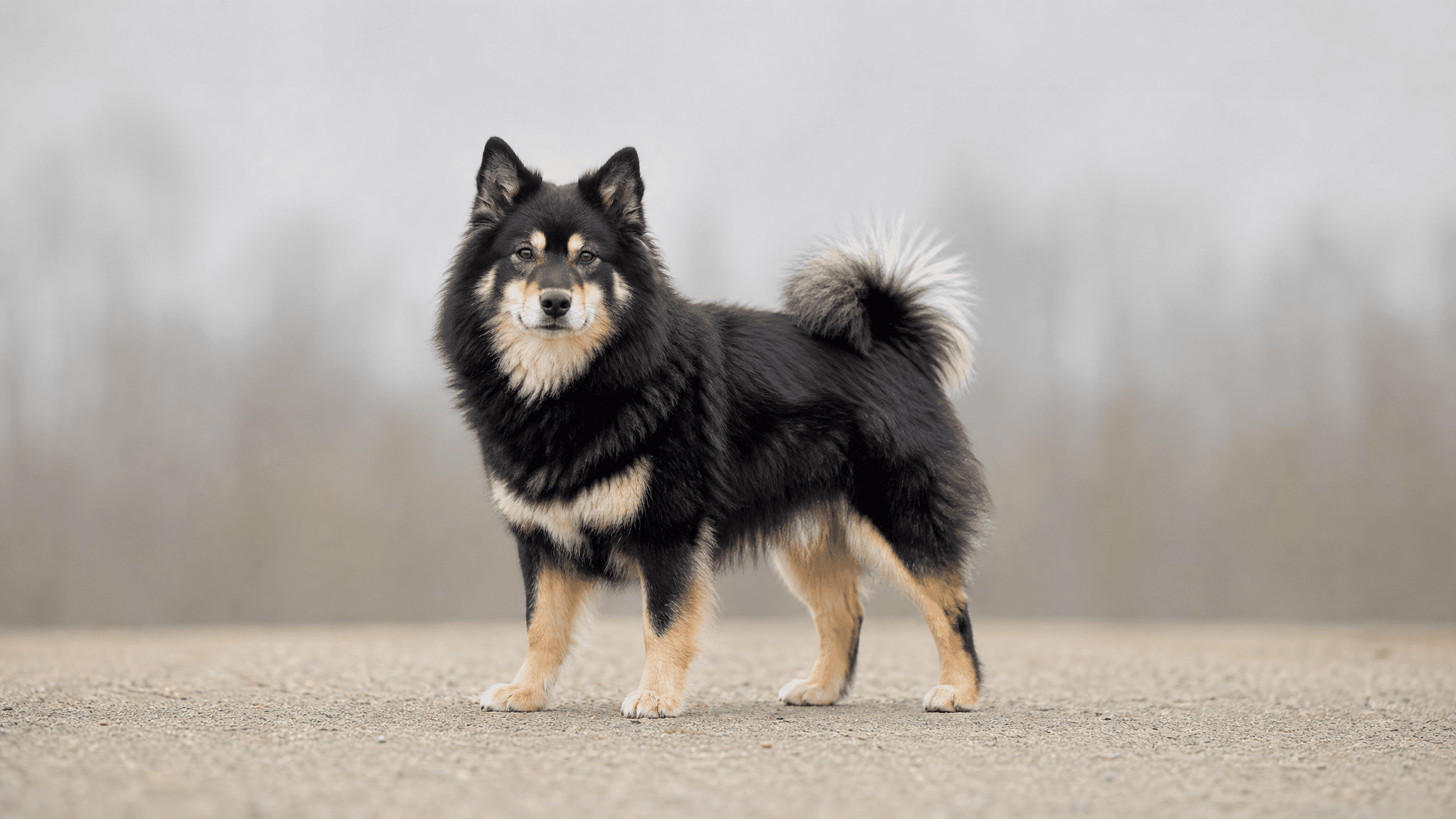
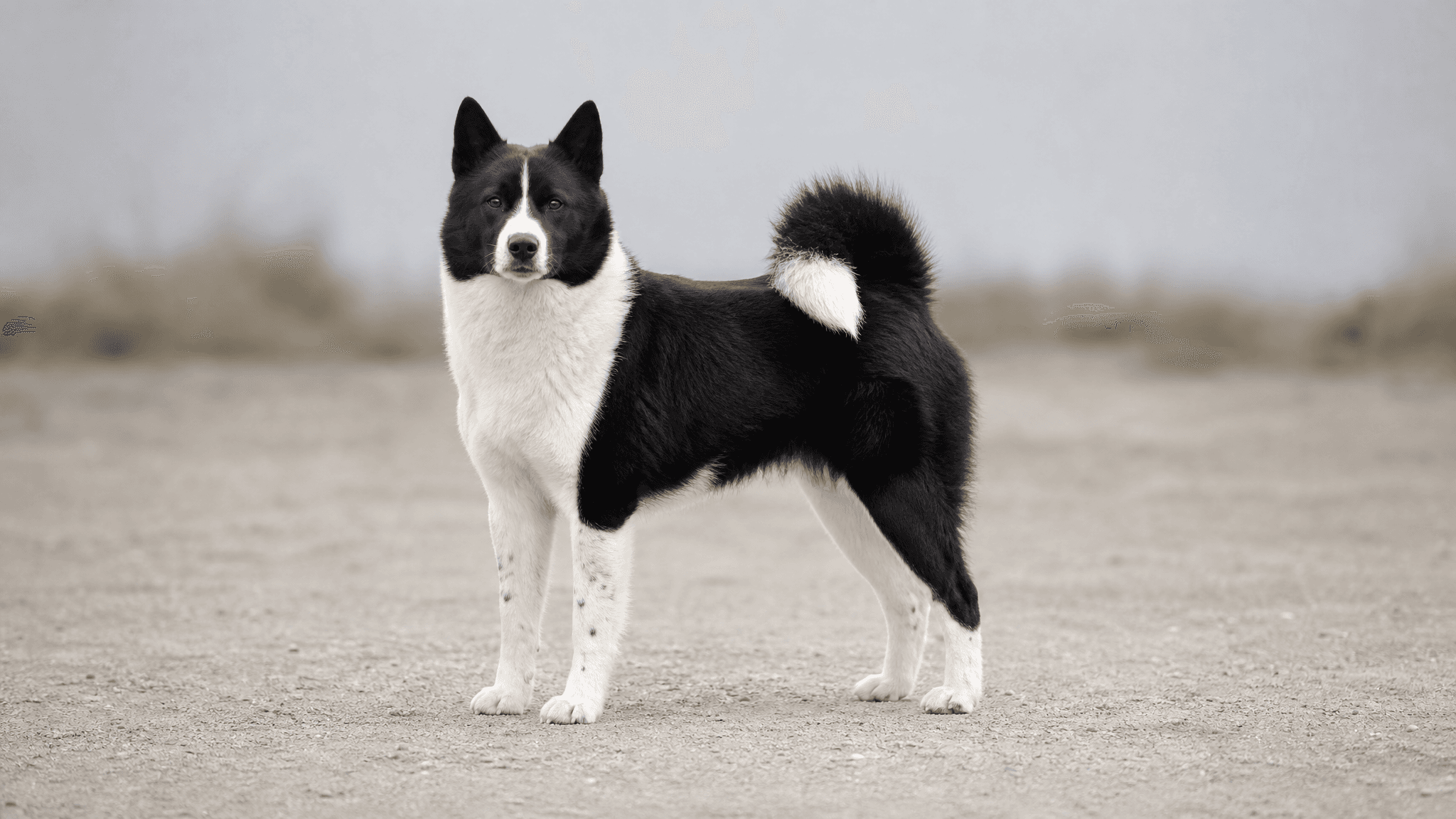
Finnish Spitz
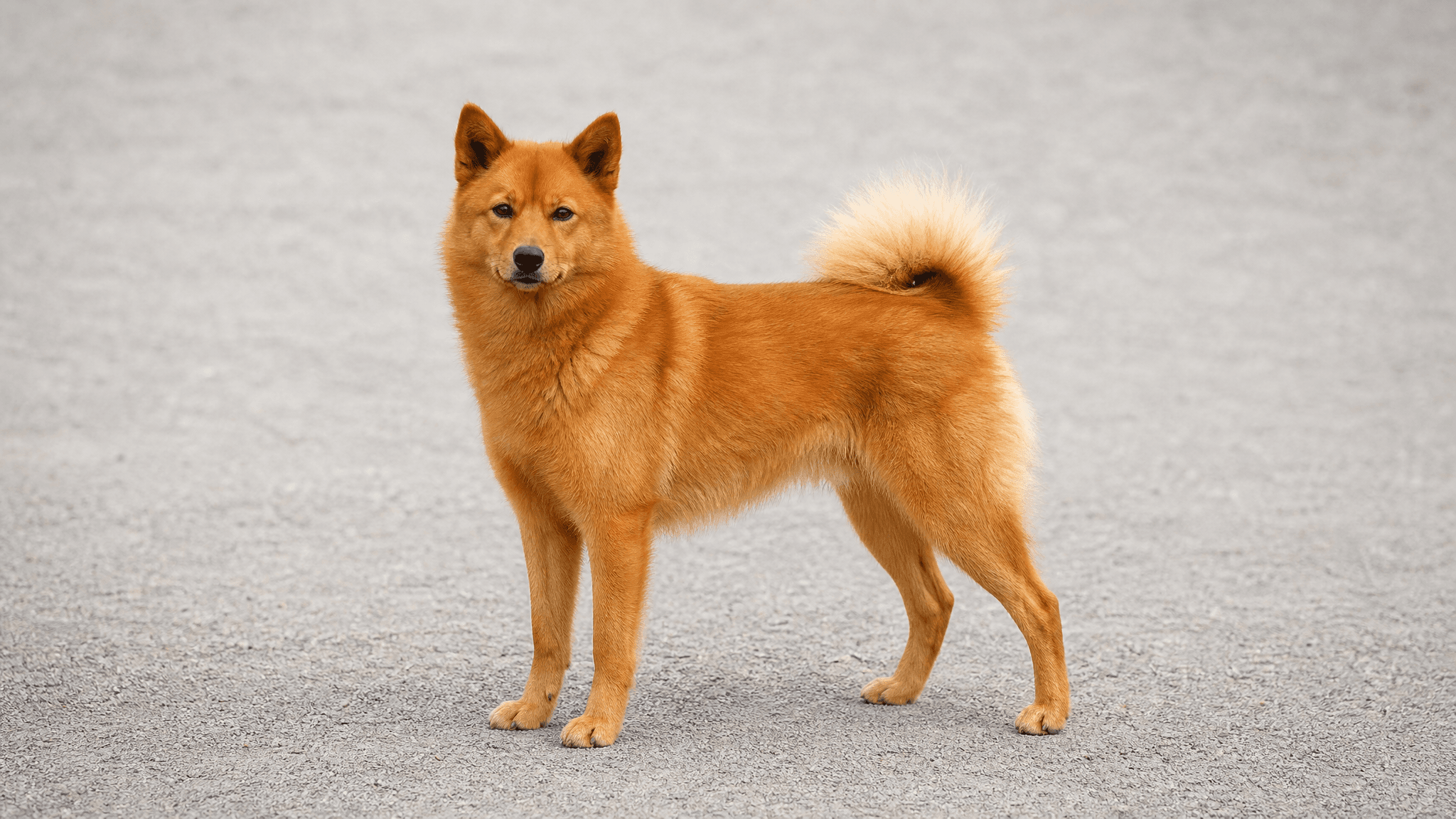
Summary
The Finnish Spitz is the national dog of Finland, bred specifically for hunting forest birds, particularly the capercaillie and the black grouse. Its hunting method is unique: it locates the prey in the forest, visually tracks it up a tree, and begins to bark rhythmically to attract the bird's attention while guiding the hunter. It is one of Finland's oldest breeds and was considered endangered in the early 20th century.
Physical Characteristics
- Size
- Medium
- Height (male)
- 44–50 cm
- Height (female)
- 39–45 cm
- Weight (male)
- 12–13 kg
- Weight (female)
- 7–10 kg
- Life Expectancy
- 13–15 years
- Coat
- Moderately long, standing off; shorter on the head and legs; dense and soft undercoat
- Common Colors
- Red-fawn to golden-red; no extensive white markings
Temperament & Personality
The Finnish Spitz is a lively, courageous, and determined dog, with a good dose of independence typical of Nordic hunting dogs. It is affectionate and loyal with the family, but can be reserved with strangers. It has a highly developed vocalization — its ability to bark rhythmically and persistently is an essential working trait that can be challenging in a domestic environment. It requires early socialization.
Activity & Exercise
- Energy Level
- High
- Recommended Daily Exercise
- 60–90 minutes
- Suitable for Apartment
- Not recommended
Grooming & Care
- Grooming Needs
- Moderate
- Shedding
- Moderate to heavy
- Bathing Frequency
- Every 6–8 weeks
Health
- Common Health Issues
- Epilepsy
- Generally healthy breed
- Hip dysplasia
- Patellar luxation
- Recommended Health Tests
- Eye examination
- Hip evaluation
Compatibility
- With Children
- Good
- With Other Dogs
- Good
- With Cats
- Moderate
- For First-Time Owners
- Acceptable
Is a Finnish Spitz right for you?
A Finnish Spitz may suit you if:
- You can provide 60 to 90 minutes of vigorous exercise and engaging mental challenges every day.
- You enjoy outdoor adventures, especially activities that involve tracking and vocal interaction.
- You appreciate an independent, lively companion who is deeply loyal to their family but may be reserved with new faces.
- You are prepared to invest in consistent, positive reinforcement training to channel their intelligent, independent spirit.
- You are willing to commit to regular brushing to manage their moderately long, dense coat and moderate to heavy shedding.
- You are ready to manage and appreciate their natural inclination for rhythmic and persistent vocalization.
Think twice if:
- You expect unwavering obedience and instant recall from a dog, as their independent nature often prioritizes their own agenda.
- You regularly leave your dog alone for long hours, as a Finnish Spitz thrives on companionship and can become bored without interaction.
- You have cats or other small pets unaccustomed to a dog with a moderate prey drive and strong vocalizations.
- You are unwilling to dedicate consistent time to their daily exercise needs or to regular grooming for their shedding coat.
- You live in a small apartment or lack a securely fenced outdoor space where they can safely explore and burn off energy.
- You are unprepared for managing a lively, independent adolescent dog who tests boundaries and requires consistent guidance.
Living with a Finnish Spitz is a unique blend of deep affection and spirited independence. While they offer unwavering loyalty and bring lively joy to an active home, their strong vocalization and determined nature require a patient, understanding owner. Embrace their distinct personality, and you'll find a truly rewarding, engaging companion for 13 to 15 years.
Training a Finnish Spitz
The Finnish Spitz is a bright, independent thinker, learning best through positive reinforcement that makes training feel like a fun game. Their natural determination and prey drive mean they respond wonderfully to high-value rewards like tasty treats or a favorite toy. Keep sessions short, engaging, and frequent to hold their attention, which can wander if bored. Consistency is key; if you're inconsistent, your clever Spitz will quickly learn what they can get away with, making future training much harder. Patience and a sense of humor will go a long way with this lively and loyal companion.
Begin with:
- Attention and response to name around distractions
- Recall on a long line
- Loose-leash walking
- Leave it and drop it
- Calm greetings without jumping
- Settling on a mat or bed
- Cooperative handling for grooming, ears, feet and teeth
- Waiting at doors and gates
Prey Drive and Recall
The Finnish Spitz was bred to hunt forest birds, a job that requires intense focus on prey. This strong prey drive means that off-leash recall can be incredibly challenging, especially in environments with squirrels, birds, or other small animals. Start recall training in a quiet, enclosed space and gradually introduce distractions, always using a long line for safety. Make coming back to you the most rewarding thing ever, with exciting treats and praise, so it competes with the thrill of the chase. This guide can help you build a super-strong recall.
Even with consistent training, always be mindful of their hunting instincts. In unpredictable environments, keeping your Finnish Spitz on a leash or long line is often the safest choice for their protection and to prevent them from chasing wildlife. Their independent nature means they might decide to follow a scent or a movement rather than your command if not sufficiently motivated.
Leash Pulling and Independence
Finnish Spitz are energetic dogs who need 60-90 minutes of exercise daily, and their determination can translate into strong pulling on the leash, especially when they're excited or following an interesting scent. Early and consistent loose-leash training is crucial. Use a comfortable, well-fitting harness that discourages pulling, and reward every step taken on a loose leash. Avoid harsh corrections, as their sensitive nature responds better to positive reinforcement and clear guidance.
Consistency across all family members is vital for loose-leash walking. If one person allows pulling, your clever Spitz will learn that it's sometimes acceptable. Make walks an enjoyable experience where you both work together, rather than a battle of wills. For more tips, check out how to stop leash pulling.
Excessive Barking and Boredom
The Finnish Spitz is renowned for its highly developed vocalization, a trait essential for its hunting heritage. While charming in the forest, this can become a significant challenge in a domestic setting if their high energy isn't adequately met or if they are under-stimulated. An under-exercised or bored Finnish Spitz will often resort to persistent, rhythmic barking, which can be disruptive to neighbors. Ensure they receive their recommended 60-90 minutes of daily exercise, split into varied activities.
Beyond physical exercise, these intelligent dogs need mental stimulation. Puzzle toys, scent games, and regular training sessions can help keep their minds engaged. If left alone for long periods without sufficient enrichment, they may also develop destructive behaviors or show signs of separation distress. Understanding how to tell if your dog is stressed when you leave can help you address these issues. Providing appropriate outlets for their energy and intelligence is key to a happy, quieter household.
Finnish Spitz — Frequently Asked Questions
What is the Finnish Spitz?
The Finnish Spitz (Suomenpystykorva) is Finland's national dog and one of the oldest primitive spitz-type breeds in existence, with roots stretching back thousands of years. They were originally bred to hunt a wide variety of game in Finnish forests — most notably birds, especially capercaillie and black grouse, using the unique Nordic hunting method of 'bark pointing': locating and treeing birds, then barking rhythmically to hold the bird's attention while the hunter approaches. They are medium-sized with a brilliant red-gold coat, fox-like face, prick ears, and tightly curled tail — one of the most beautiful of all spitz breeds. In character they are lively, intelligent, independent, and vocal.
Are Finnish Spitz good family dogs?
Finnish Spitz make wonderful family dogs for the right household. They are lively, playful, and affectionate — particularly good with children when properly socialised. They are alert and watchful, making them good family watchdogs. Their intelligence and independent streak means they need engaged, patient owners. They can be very vocal — barking is central to their purpose and comes naturally; they need to be managed in noise-sensitive settings. They are generally good with other dogs. They require daily exercise and mental stimulation. Their beautiful appearance and bright personality make them highly engaging companions for active families who can meet their exercise needs and appreciate their vocal, lively character.
Are Finnish Spitz very vocal?
Yes — the Finnish Spitz is famously vocal, and this is by design. They were bred specifically to locate game and communicate with hunters through sustained, rhythmic barking. In Finland, the ability to bark effectively is still an important trait in working dogs, and bark competitions are held. As companion dogs, this vocal nature remains — Finnish Spitz bark to alert, to communicate, when excited, and when bored or under-stimulated. Their bark is typically clear, sharp, and sustained. Prospective owners must be prepared for a vocal dog. Training can help manage when and how much they bark, but the instinct cannot be eliminated. They are not suitable for apartments with noise-sensitive neighbours.
How much exercise does a Finnish Spitz need?
Finnish Spitz need 45–60 minutes of daily exercise plus mental stimulation. They are moderately active — more energetic than many companion breeds, but not as demanding as herding or working breeds. Daily walks, off-leash play in secure areas, hiking, and dog sports like agility and rally obedience suit them well. Their strong hunting instinct means recall can be unreliable when they pick up a scent — off-leash exercise should always be in secure, fenced areas. Their intelligence means they need mental engagement through training, nose work, and interactive play. They enjoy exploring and 'patrolling' their environment.
What health issues affect Finnish Spitz?
Finnish Spitz are generally a healthy, long-lived breed with good genetic diversity from their native stock. Key health concerns include: hip dysplasia — OFA/BVA screening is recommended. Epilepsy has been documented in some lines. Patellar luxation (knee joint instability) occurs. Progressive Retinal Atrophy (PRA) has been noted. Hypothyroidism occurs in some individuals. Diabetes mellitus has been reported. Their generally robust constitution and the Finnish Spitz Club's emphasis on working ability (which correlates with physical soundness) supports their health. Health-tested parents and annual vet check-ups are recommended. Obesity should be avoided — it significantly impacts their mobility.
How long do Finnish Spitz live?
Finnish Spitz have an average lifespan of 12–15 years. Their robust primitive constitution and relatively clean health profile supports excellent longevity. Key longevity factors include health-tested parents (hip screening, PRA testing), daily adequate exercise, maintaining a healthy weight (obesity is a significant health risk for the breed), annual vet check-ups, dental care, and mental engagement (keeping an intelligent, active dog mentally stimulated contributes to healthy aging). Finnish Spitz who receive consistent care and appropriate activity commonly remain bright, active, and physically capable well into their teens. Their working heritage generally means better physical soundness than many highly refined pedigree breeds.
Are Finnish Spitz easy to train?
Finnish Spitz are intelligent but independently minded. They were bred to hunt independently — making decisions without human direction — and this characteristic remains in their personality. They learn quickly but can be selective about when they choose to comply. They respond best to positive, patient, reward-based training that keeps sessions interesting and varied. They do not respond well to repetitive drills or harsh corrections. Their recall can be unreliable in open areas with interesting scents present. They are capable of good results in obedience, agility, and rally sports when trained with patience and creativity. Socialisation from puppyhood is important to prevent shyness. They need a trainer who appreciates and works with their independent nature.
How do you groom a Finnish Spitz?
The Finnish Spitz has a beautiful, self-cleaning double coat that is relatively easy to maintain. Their outer coat is harsh and dense, naturally repelling dirt; their undercoat is soft and dense. Thorough brushing 1–2 times per week keeps the coat in good condition and reduces loose hair. During seasonal coat blows (spring and autumn), daily brushing for several weeks manages the heavier shed. Their coat should never be clipped — the double coat provides essential insulation against both cold and heat, and clipping permanently damages the coat's texture and thermoregulatory function. Bathing every 6–8 weeks or when needed is sufficient. Ears need monthly checking and cleaning, nails need monthly trimming, and the paws (particularly between the toes) should be checked after outdoor exercise.
Community
Talk to real Finnish Spitz owners
This guide covers the breed on paper. In the app, the Finnish Spitz community covers it in real life: photos from other owners, questions answered by people who live with the breed, and a directory of dogs you can browse.
- Photos & pollsSee what Finnish Spitz owners are sharing today.
- Questions & answersAsk anything and hear from people who own one.
- Dog directoryBrowse Finnish Spitzs from around the world.
You join automatically when you add a Finnish Spitz to your profile.