Lancashire Heeler
Summary
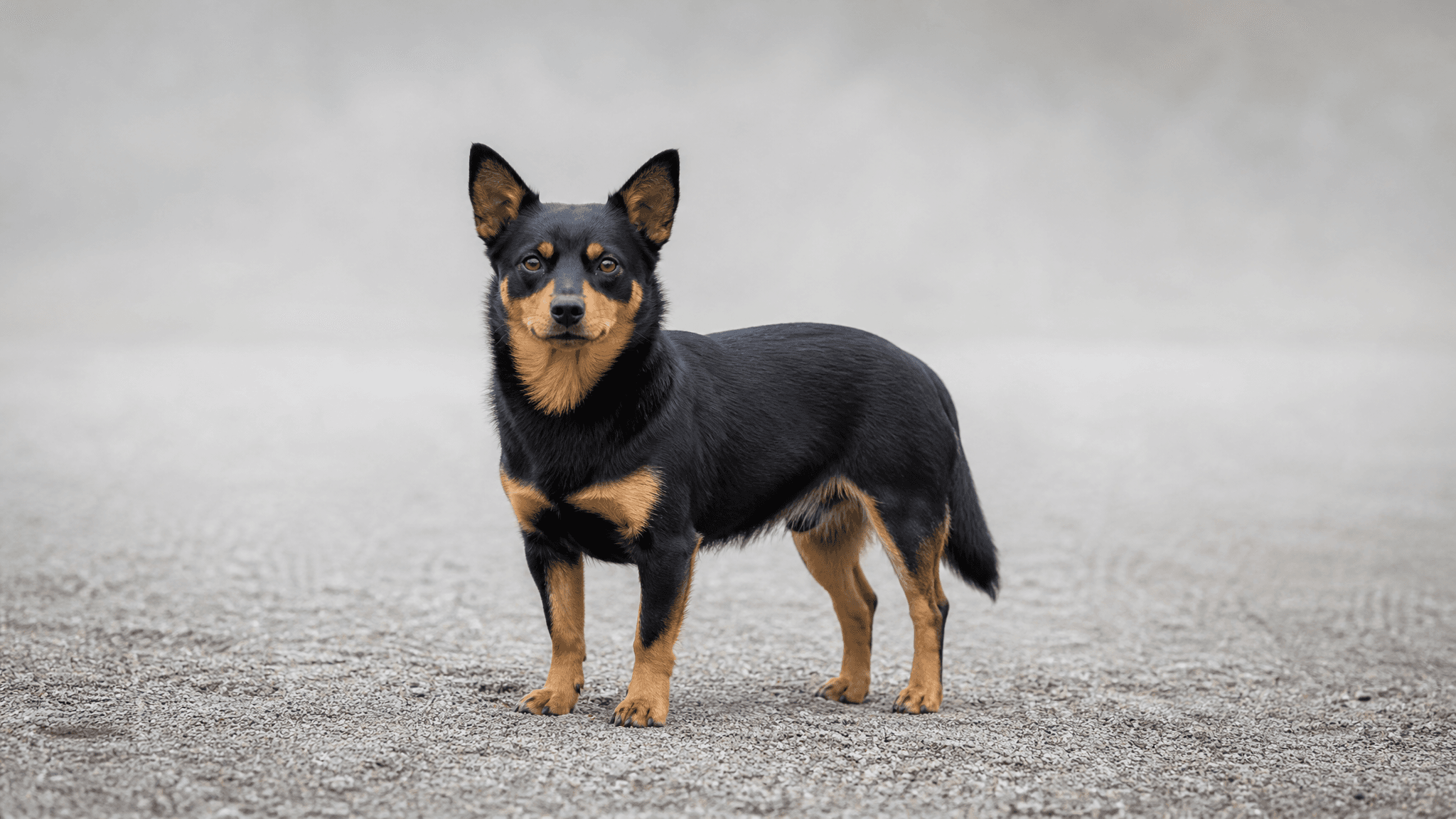
The Lancashire Heeler is a small and sturdy British breed, originating from Lancashire in northwest England. Despite its diminutive size, it was used by farmers to drive cattle to market (nipping at the cattle's heels — hence "heeler") and for pest control (rats and mice). It is one of the rarest British breeds, considered "vulnerable" by the Kennel Club of the United Kingdom.
Physical Characteristics
- Size
- Small
- Height (male)
- 28–31 cm
- Height (female)
- 25–30 cm
- Weight (male)
- 6–8 kg
- Weight (female)
- 4–6.5 kg
- Life Expectancy
- 12–15 years
- Coat
- Short, dense and harsh; longer hair on the neck and nape in winter
- Common Colors
- Black and tan; liver and tan
Temperament & Personality
The Lancashire Heeler is a small dog with an enormous personality — intelligent, alert, friendly and very playful. It is built for work, but adapts very well to family life. It is affectionate with its owners, but maintains the alertness instinct that made it an excellent watchdog. It learns quickly and responds well to positive reinforcement training. It may have a tendency to chase small animals.
Activity & Exercise
- Energy Level
- Moderate to high
- Recommended Daily Exercise
- 45–60 minutes
- Suitable for Apartment
- Yes with exercise
Grooming & Care
- Grooming Needs
- Low
- Shedding
- Moderate
- Bathing Frequency
- Every 6–8 weeks
Health
- Common Health Issues
- Collie eye anomaly (CEA)
- Hereditary cataracts
- Patellar luxation
- Primary lens luxation
- Recommended Health Tests
- Genetic test for PLL
- Ophthalmological examination for CEA and HC
Compatibility
- With Children
- Good
- With Other Dogs
- Good
- With Cats
- Moderate
- For First-Time Owners
- Recommended
Is a Lancashire Heeler right for you?
A Lancashire Heeler may suit you if:
- You are prepared to provide 45 to 60 minutes of daily exercise and engaging mental challenges for their keen minds.
- You enjoy an active lifestyle and appreciate a playful companion who thrives on interaction and purpose.
- You are drawn to a small dog with an enormous, intelligent, and alert personality that's also very affectionate.
- You are committed to consistent, positive reinforcement training, as they learn quickly and respond well to it.
- You appreciate a low-maintenance coat that requires minimal grooming, despite moderate shedding.
- You are willing to manage their natural alertness and potential to chase small animals, understanding their working heritage.
- You are looking for a loyal, watchful family member who adapts well to apartment living with proper exercise.
Think twice if:
- You expect unwavering obedience from a breed known for its independent spirit and enormous personality.
- You have a household routine where your dog would frequently be left alone for long periods, leading to boredom.
- You are unwilling to supervise interactions with cats, given their instinct to chase smaller creatures.
- You are unable to commit to their daily exercise requirement of 45-60 minutes, regardless of their small size.
- You are unprepared for a dog that, despite its size, needs secure containment and mental engagement to prevent mischief.
- You prefer a dog that is always calm and quiet, rather than one with a naturally alert and vocal watchdog instinct.
- You are not prepared to channel their intelligence and energy into constructive activities, which can lead to unwanted behaviors.
The Lancashire Heeler is a wonderful paradox: a small dog with a giant heart and an even bigger personality. They offer immense joy and affection, but their intelligent, alert nature means they thrive when given purpose and consistent engagement. Be ready for a devoted companion who will keep you on your toes in the most delightful way.
Training a Lancashire Heeler
Training a Lancashire Heeler is a joy, thanks to their intelligent, alert, and very playful nature. These clever little dogs thrive on positive reinforcement, responding wonderfully to rewards like tasty treats, favorite toys, and enthusiastic praise. Keep training sessions short, fun, and engaging, typically 5-10 minutes, to match their energetic spirit and prevent boredom. Inconsistency or harsh methods can quickly lead to frustration for both you and your Heeler, making them less cooperative. Remember, a happy Heeler is a learning Heeler!
Begin with:
- Attention and response to name around distractions
- Recall on a long line
- Loose-leash walking
- Leave it and drop it
- Calm greetings without jumping
- Settling on a mat or bed
- Cooperative handling for grooming, ears, feet and teeth
- Waiting at doors and gates
Recall and prey drive
Lancashire Heelers possess a strong prey drive and herding instinct, stemming from their history of nipping at cattle heels and pest control. This means a squirrel or a fast-moving bicycle can quickly become far more interesting than you, making recall a significant challenge. It's crucial to build a rock-solid recall from day one, starting in calm, distraction-free environments and gradually introducing more stimuli.
Always practice recall on a long line in open areas until you are absolutely confident in their response, especially given their small size and speed. Keep training fun and rewarding, making yourself the most exciting thing around. For more detailed guidance, check out our guide on teaching recall.
Leash pulling
Despite their small size, Lancashire Heelers are sturdy and energetic, and their enthusiasm for exploring can quickly translate into pulling on the leash. This isn't just uncomfortable; it can make walks less enjoyable for both of you. Start loose-leash training early, rewarding every moment your Heeler walks calmly by your side.
Use positive reinforcement techniques, like stopping whenever they pull and only moving forward when the leash is slack. Vary your walking routes and incorporate training games to keep them mentally engaged. Our guide on stopping leash pulling offers a great force-free plan.
Boredom behaviors
A Lancashire Heeler's moderate to high energy level and keen intelligence mean they need both physical and mental stimulation to thrive. Without their recommended 45-60 minutes of daily exercise and engaging activities, boredom can quickly set in, leading to unwanted behaviors like excessive barking, destructive chewing, or digging.
Ensure they receive adequate walks and playtime, and incorporate puzzle toys, scent work, and regular training sessions to challenge their minds. If your Heeler struggles when left alone, it's worth exploring strategies to prevent separation distress, as a bored or anxious Heeler will find their own (often destructive) ways to entertain themselves. Our article on stress when left alone can help.
Lancashire Heeler — Frequently Asked Questions
What is the Lancashire Heeler?
The Lancashire Heeler is a truly special small and sturdy British breed, originating from the beautiful region of Lancashire in northwest England. Despite their diminutive size, they possess an enormous personality! They belong to FCI Group 1, which includes Sheepdogs, reflecting their heritage. These intelligent, alert, friendly, and very playful dogs are known for their lively spirit and make wonderful companions, embodying a big dog's heart in a compact package. They are truly unique and captivating.
What was the Lancashire Heeler originally bred for?
Historically, the Lancashire Heeler was a farmer's best friend, bred for some very important jobs in rural England. They were primarily used to drive cattle to market, cleverly nipping at the cattle's heels to guide them – which is where the 'Heeler' part of their name comes from! Beyond their herding duties, these versatile little dogs were also excellent at pest control, keeping farms free of rats and mice. Their strong working instincts and clever nature made them indispensable helpers, showcasing their incredible adaptability and intelligence even in their original roles.
How much exercise does a Lancashire Heeler need?
Despite their small stature, Lancashire Heelers have a moderate to high energy level and truly enjoy being active! To keep your Heeler happy and healthy, they typically need about 45 to 60 minutes of exercise each day. This can include brisk walks, playful romps in a secure yard, or engaging in fun dog sports. Regular physical activity is key to channeling their lively spirit and keeping their intelligent minds stimulated, ensuring they remain well-behaved and content members of your family.
Is the Lancashire Heeler a good family dog?
Absolutely! The Lancashire Heeler adapts very well to family life and can be a wonderful companion. They are affectionate with their owners and their intelligent, playful nature makes them great fun for families with children, provided interactions are supervised and respectful. While they maintain an alert instinct that made them excellent watchdogs, they are generally friendly. It's worth noting their tendency to chase small animals, so introductions to other household pets, especially smaller ones, should be done carefully and with supervision to ensure harmony.
Is the Lancashire Heeler easy to train?
Yes, the Lancashire Heeler is generally considered easy to train, thanks to their keen intelligence and eagerness to please! They learn quickly and respond wonderfully to positive reinforcement training methods, like treats, praise, and play. Their alert and playful temperament makes training sessions engaging and enjoyable for both dog and owner. Consistency and patience are key, as with any intelligent breed, but their natural desire to work with you means they can excel in obedience and even dog sports, making them a joy to teach.
What health issues are common in the Lancashire Heeler?
Like all breeds, Lancashire Heelers can be prone to certain health conditions, and being aware of these can help you provide the best care. Some documented health concerns for the breed include eye conditions such as Collie eye anomaly (CEA), Hereditary cataracts, and Primary lens luxation. They can also be susceptible to Patellar luxation, which affects the knee joint. Responsible breeders screen for these conditions, and regular veterinary check-ups are essential to monitor your Heeler's health and ensure they live a long, happy life by your side.
What is the Lancashire Heeler's coat like and how much grooming does it need?
The Lancashire Heeler typically sports a short, dense, and weather-resistant coat that is generally quite easy to maintain. This practical coat suited their original working life perfectly. They are not high-maintenance when it comes to grooming, usually requiring only minimal attention. A weekly brush is often sufficient to remove loose hairs and keep their coat looking shiny and healthy. Occasional baths, as needed, will keep them smelling fresh. This low-fuss grooming routine means more time for play and cuddles!
What is the typical lifespan of a Lancashire Heeler?
Lancashire Heelers are known for their robust health and can be wonderful companions for many years. You can generally expect your beloved Heeler to share your life for a good long time, with a typical lifespan ranging from 12 to 15 years. Providing them with a balanced diet, regular exercise, routine veterinary care, and plenty of love will help ensure they live a full and vibrant life, bringing joy and companionship to your home for over a decade.
Community
Talk to real Lancashire Heeler owners
This guide covers the breed on paper. In the app, the Lancashire Heeler community covers it in real life: photos from other owners, questions answered by people who live with the breed, and a directory of dogs you can browse.
- Photos & pollsSee what Lancashire Heeler owners are sharing today.
- Questions & answersAsk anything and hear from people who own one.
- Dog directoryBrowse Lancashire Heelers from around the world.
You join automatically when you add a Lancashire Heeler to your profile.