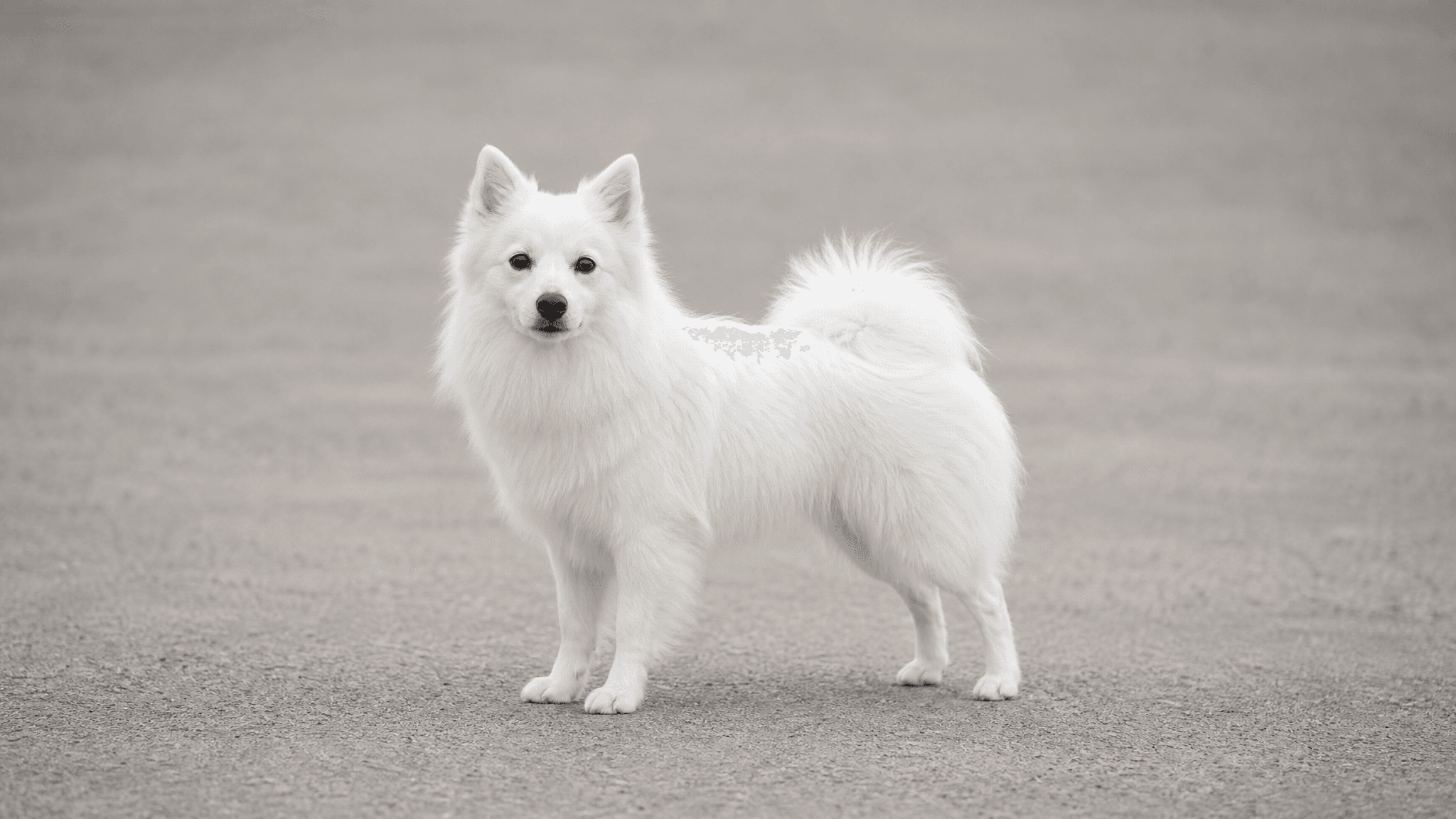
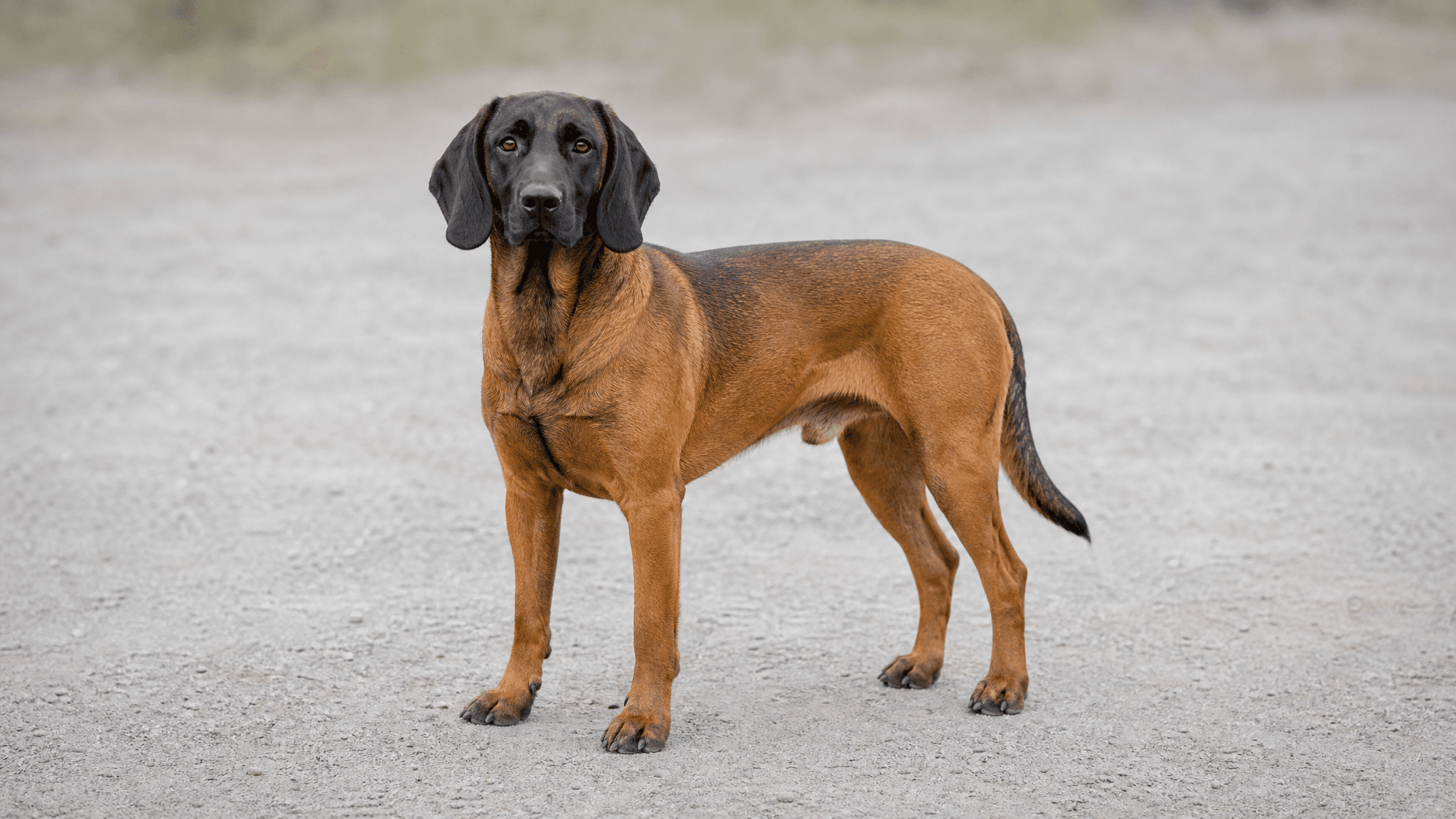
Kromfohrländer

Summary
The Kromfohrländer is one of the youngest breeds in the world, created in Germany after World War II by Ilse Schleifenbaum, who began crossing a terrier abandoned by American troops with a French Griffon Fauve de Bretagne. The breed was recognized by the FCI in 1955. Its name derives from the region where it was developed — "Krom Fohle Lanner" (sloping terraces of the paddock), in North Rhine-Westphalia. It exists in two coat varieties: rough coat (Rauhaar) and smooth coat (Glatthaar).
Physical Characteristics
- Size
- Medium
- Height (male)
- 38–46 cm
- Height (female)
- 36–43 cm
- Weight (male)
- 11–16 kg
- Weight (female)
- 9–14 kg
- Life Expectancy
- 13–15 years
- Common Colors
- White with golden-brown (tan), hazel, or brown markings; symmetrical blaze on the muzzle is characteristic
Temperament & Personality
The Kromfohrländer is a cheerful, affectionate, and very loyal dog to its family, from whom it rarely strays. It is wary of strangers but never aggressive — its initial shyness disappears once it feels secure. It has a low hunting instinct and is very domestic, preferring to be near its owners rather than exploring on its own. It is intelligent and learns easily, but can be selective about food and have very marked preferences.
Activity & Exercise
- Energy Level
- Moderate
- Recommended Daily Exercise
- 45–60 minutes
- Suitable for Apartment
- Yes with exercise
Grooming & Care
- Grooming Needs
- Low to moderate
- Shedding
- Moderate
- Bathing Frequency
- Every 4–6 weeks
Health
- Common Health Issues
- Hereditary footpad hyperkeratosis (HFH — a breed-specific condition causing hardening and cracking of the paw pads)
- Hyperuricosuria (bladder stones)
- Recommended Health Tests
- Genetic test for HFH (available; responsible breeders test all breeding stock)
- Test for hyperuricosuria
Compatibility
- With Children
- Good
- With Other Dogs
- Moderate
- With Cats
- Moderate
- For First-Time Owners
- Acceptable
Is a Kromfohrländer right for you?
A Kromfohrländer may suit you if:
- You are prepared to provide 45 to 60 minutes of daily activity to keep your dog happy and healthy.
- You enjoy including your companion dog in family activities, as they thrive on being close to their people.
- You appreciate a loyal and affectionate companion who might be a little reserved with new faces at first.
- You are ready for consistent, positive training with an intelligent dog who learns easily, even if they're particular about treats.
- You are comfortable with low to moderate grooming needs and a moderate shedding level, with baths every 4-6 weeks.
- You value a dog with a low wandering instinct who prefers to stay close to you rather than roam independently.
Think twice if:
- You expect unwavering obedience without consistent, engaging training tailored to an intelligent but selective learner.
- You frequently leave your dog alone for long periods, as Kromfohrländers thrive on companionship and can get lonely.
- You are not prepared to manage introductions carefully if you have other pets or frequent new visitors, given their moderate compatibility.
- You are unwilling to commit to 45-60 minutes of daily exercise or regular brushing to manage their moderate shedding.
- You do not have a secure yard or plan for consistent leash walks to provide safe exploration and exercise.
- You are not prepared to patiently guide a sensitive dog through new experiences or initial shyness with strangers.
The Kromfohrländer offers immense loyalty and a cheerful spirit to its devoted family, thriving on close companionship. While intelligent and eager to please those they trust, their sensitive nature and initial wariness of strangers mean they flourish with patient guidance and a consistent, loving presence. They are not a dog to be left alone often, but rather a devoted shadow who will enrich your life with their unique charm.
Training a Kromfohrländer
Your Kromfohrländer is a bright and loyal companion who thrives on positive reinforcement and being close to you. They learn easily, making training a joyful experience when approached with patience and fun. Keep sessions short, engaging, and rewarding, using high-value, varied treats to combat their occasional food selectivity. If training becomes repetitive or harsh, your sensitive Kromi might become less engaged or even wary, making progress much slower. Consistency and a gentle approach will build their confidence and strengthen your bond.
Begin with:
- Attention and response to name around distractions
- Recall on a long line
- Loose-leash walking
- Leave it and drop it
- Calm greetings without jumping
- Settling on a mat or bed
- Cooperative handling for grooming, ears, feet and teeth
- Waiting at doors and gates
Wary of Strangers
Kromfohrländers are known to be wary of strangers, though never aggressive. This initial shyness means early, positive socialization is crucial. Introduce them to new people and environments gradually, always ensuring they feel safe and have an escape route if overwhelmed. Never force interactions.
Focus on building their confidence through positive experiences. Ask friends to offer treats gently, without direct eye contact at first. Reward calm behaviour around new people, even if it's just observing from a distance. With consistent, gentle exposure, their natural shyness will diminish as they feel secure.
Leash Manners
While your Kromfohrländer has a moderate energy level and is a medium-sized dog, pulling on the leash can still be a common challenge. Their loyalty means they want to be with you, but excitement or distractions can lead to pulling. Start teaching loose-leash walking from day one with positive reinforcement.
Practice in quiet areas first, rewarding every step taken on a slack leash. If your Kromi pulls, stop walking until the leash slackens, then continue. Consistency is key, and using a front-clip harness can also help manage pulling. For more detailed guidance, check out this guide on stopping leash pulling.
Managing Alone Time
Kromfohrländers are very domestic and prefer to be near their owners, making them prone to developing separation-related behaviors if left alone for too long or without proper preparation. It's essential to teach them that being alone can be a calm and positive experience from a young age.
Start with short absences, gradually increasing the time you are away. Provide engaging puzzle toys or a long-lasting chew to keep them occupied. Ensure they receive their recommended 45-60 minutes of daily exercise before you leave to help them settle. If you notice signs of distress, our guide on separation stress can offer further support.
Kromfohrländer — Frequently Asked Questions
What is the Kromfohrländer?
The Kromfohrländer is a delightful medium-sized dog, one of the world's youngest breeds, originating in Germany after World War II. Developed by Ilse Schleifenbaum from a unique cross, it was recognized by the FCI in 1955 and belongs to Group 9. Known for its cheerful, affectionate, and incredibly loyal nature, this breed forms a deep bond with its family. While initially wary of strangers, their shyness quickly fades once they feel secure. They come in two charming coat varieties, rough and smooth, adding to their unique appeal and making them truly special companions.
What was the Kromfohrländer originally bred for?
The Kromfohrländer was originally envisioned purely as a beloved companion, a true family dog, rather than for specific working tasks like hunting or herding. Its creation by Ilse Schleifenbaum in post-war Germany aimed to develop a devoted and domestic pet. The breed's name, derived from "Krom Fohle Lanner," meaning "sloping terraces of the paddock," reflects its German roots. This intentional breeding for companionship is evident in their temperament: they possess a low hunting instinct and a strong desire to be close to their owners, making them wonderful household members who thrive on human interaction.
How much exercise does a Kromfohrländer need?
Even with their moderate energy levels, Kromfohrländers thrive on consistent daily activity to keep them happy and healthy! We recommend providing your furry friend with about 45 to 60 minutes of exercise each day. This could be a lovely walk around the neighborhood, some engaging playtime in a secure yard, or even a fun game of fetch. They truly enjoy spending quality time with their humans, so incorporating them into your daily adventures is a fantastic way to meet their physical and mental stimulation needs, ensuring a well-adjusted and joyful companion who loves to explore with you.
Is the Kromfohrländer a good family dog?
Absolutely, the Kromfohrländer makes a truly wonderful family dog! They are incredibly affectionate and fiercely loyal to their human family, rarely wanting to stray from your side. Their cheerful disposition and loving nature mean they generally get along beautifully with children, becoming devoted playmates and snuggle buddies. Plus, with their naturally low hunting instinct, they often coexist very peacefully with other household pets, making them a harmonious addition to multi-pet homes. While they might be a little shy with new faces at first, their warmth shines through once they feel comfortable and secure in their environment.
Is the Kromfohrländer easy to train?
Yes, the Kromfohrländer is generally considered quite easy to train, thanks to their impressive intelligence and eagerness to please! They learn new commands and tricks with remarkable speed, making training sessions a rewarding experience for both of you. Consistency, positive reinforcement, and patience are key to unlocking their full potential. While they are intelligent, they can sometimes be a bit selective about food, so finding high-value treats they adore will be a fantastic motivator during training. Early socialization and consistent training will help them grow into well-behaved and confident companions who love to learn.
What health issues are common in the Kromfohrländer?
Like all breeds, Kromfohrländers can be prone to certain health conditions, and it's important for owners to be aware. Two documented concerns for this lovely breed are Hereditary Footpad Hyperkeratosis (HFH) and Hyperuricosuria. HFH is a breed-specific condition that can cause hardening and cracking of their paw pads, which can be uncomfortable. Hyperuricosuria involves a predisposition to developing bladder stones. Responsible breeders screen for these issues, and regular veterinary check-ups are crucial to monitor your Kromfohrländer's health, ensuring they receive the best possible care throughout their lives and remain happy and active.
What is the Kromfohrländer's coat like and how much grooming does it need?
The Kromfohrländer boasts two distinct and charming coat varieties: the rough coat (Rauhaar) and the smooth coat (Glatthaar). The rough-coated variety has a wiry, dense outer coat and requires regular hand-stripping or professional grooming a few times a year to maintain its texture and prevent matting. The smooth-coated Kromfohrländer has a shorter, softer coat that is generally easier to care for, needing only weekly brushing to remove loose hair and keep it looking its best. Both types benefit from routine ear cleaning and nail trims to keep them comfortable and healthy, ensuring they always look their absolute best.
What is the typical lifespan of a Kromfohrländer?
You can look forward to many wonderful years with your Kromfohrländer, as they typically enjoy a lifespan of 13 to 15 years! This impressive longevity is a testament to their overall robust health when well cared for. To help your beloved companion reach their full potential and enjoy a long, happy life, ensure they receive a balanced diet, consistent daily exercise within their recommended 45-60 minutes, regular veterinary check-ups, and, of course, an abundance of love and mental stimulation. A healthy lifestyle contributes significantly to their well-being for years to come, making them cherished family members.
Community
Talk to real Kromfohrländer owners
This guide covers the breed on paper. In the app, the Kromfohrländer community covers it in real life: photos from other owners, questions answered by people who live with the breed, and a directory of dogs you can browse.
- Photos & pollsSee what Kromfohrländer owners are sharing today.
- Questions & answersAsk anything and hear from people who own one.
- Dog directoryBrowse Kromfohrländers from around the world.
You join automatically when you add a Kromfohrländer to your profile.