Kleiner Münsterländer
Summary
The Kleiner Münsterländer, or Small Munsterlander, is a versatile hunting dog developed in the Münster region of Germany. Despite the name, it is not a miniature version of the Large Munsterlander — the two breeds have distinct origins, although they share the geographical region. Descending from the old German long-haired spaniels, it was standardized in 1921 by Friedrich Jungklaus. It is an exceptional hunting dog for pointing, flushing, and retrieving, with marked abilities for water work.
Physical Characteristics
- Size
- Medium
- Height (male)
- 52–56 cm
- Height (female)
- 50–54 cm
- Weight (male)
- 17–26 kg
- Weight (female)
- 15–22 kg
- Life Expectancy
- 12–14 years
- Coat
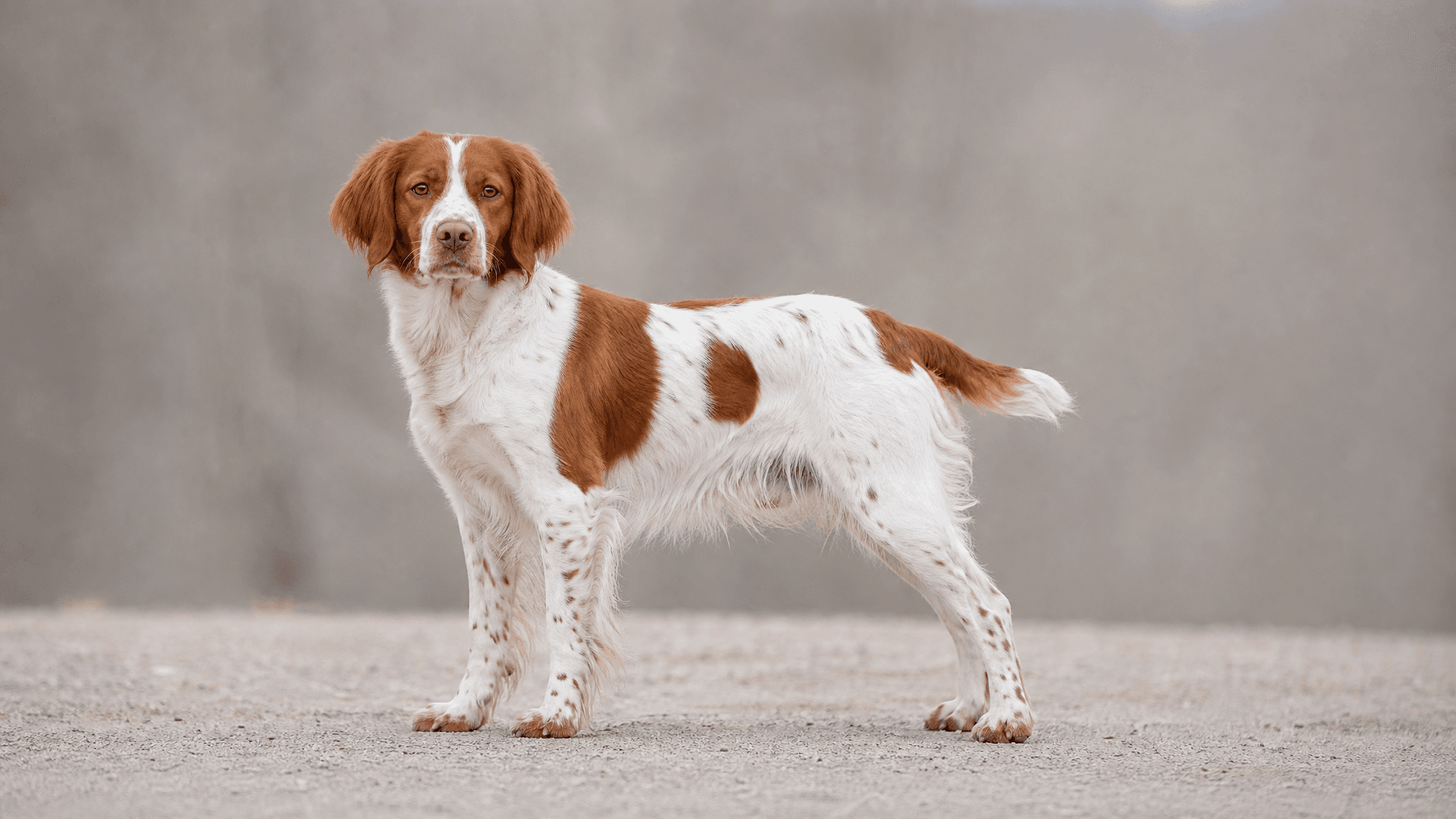
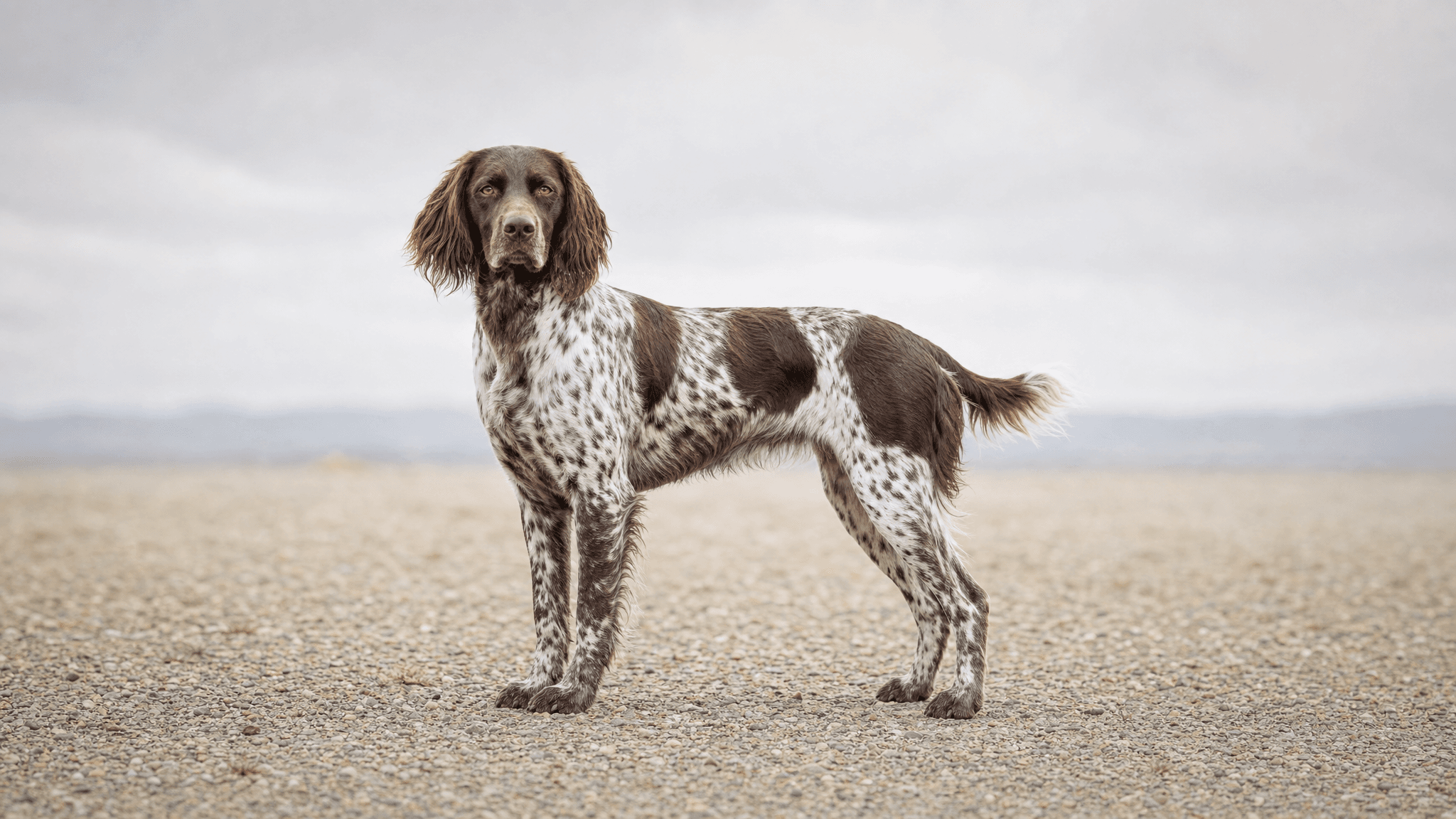
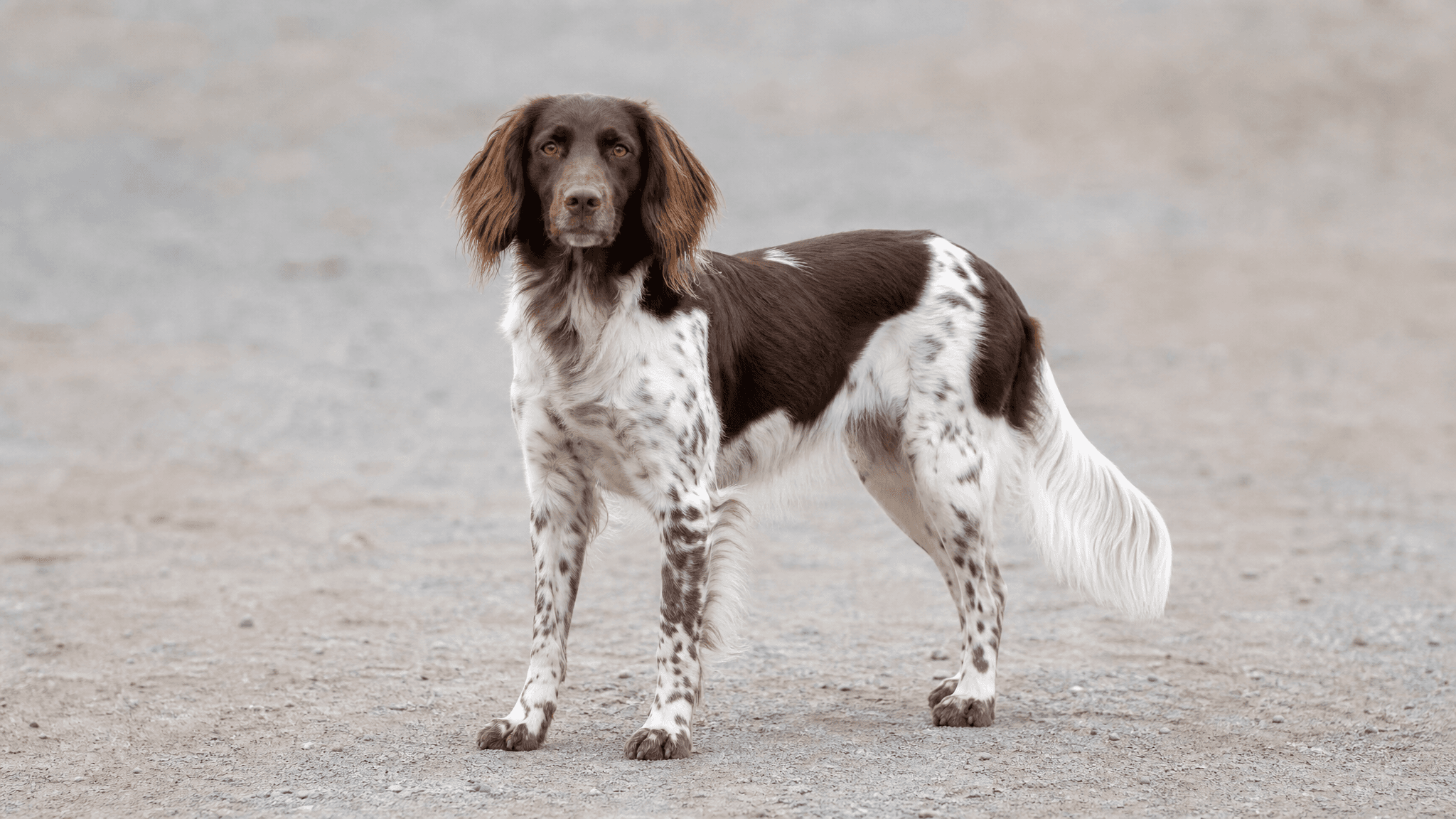
- Medium length, glossy, dense, smooth or slightly wavy; waterproof; feathering on the ears, legs, and tail
- Common Colors
- Brown and white, brown roan, brown saddle; with or without tan markings
Temperament & Personality
The Kleiner Münsterländer is described as a cheerful, affectionate, and very easy-to-train dog, with a balanced temperament both in the field and at home. It has a strong pack instinct that makes it excellent in a family setting. It needs abundant exercise and mental stimulation — without it, its intelligence and energy will find inappropriate outlets. It is a natural swimmer and enjoys environments with water.
Activity & Exercise
- Energy Level
- High
- Recommended Daily Exercise
- 90 minutes
- Suitable for Apartment
- Not recommended
Grooming & Care
- Grooming Needs
- Moderate
- Shedding
- Moderate
- Bathing Frequency
- Every 4–6 weeks
Health
- Common Health Issues
- Dry skin in cold climates
- Hip dysplasia
- Very healthy — rigorous breeding programs have minimized hereditary diseases
- Recommended Health Tests
- CERF ophthalmologic evaluation
- Mandatory OFA/PennHip evaluation for breeding stock
- Temperament assessment
Compatibility
- With Children
- Excellent
- With Other Dogs
- Excellent
- With Cats
- Moderate
- For First-Time Owners
- Acceptable
Is a Kleiner Münsterländer right for you?
A Kleiner Münsterländer may suit you if:
- You are eager to provide at least 90 minutes of vigorous daily exercise and engaging mental challenges.
- You enjoy outdoor activities like hiking, swimming, or field work, where your dog can thrive.
- You appreciate a cheerful, affectionate, and balanced companion with a strong family bond.
- You are prepared to invest in consistent, positive training to channel their intelligence and energy.
- You are willing to commit to moderate grooming, including regular brushing and bathing every 4-6 weeks.
- You are ready to manage a natural hunting dog's strong prey drive and desire to explore with enthusiasm.
Think twice if:
- You expect a dog that will always follow commands without independent thought in the field.
- You frequently leave your dog alone for long periods, as they thrive on companionship and activity.
- You are unprepared for a dog with a moderate prey drive towards cats, despite being excellent with children and other dogs.
- You are unwilling to dedicate significant time daily to vigorous exercise and consistent mental engagement.
- You live in an apartment or lack a secure, spacious outdoor area for them to explore safely.
- You are not prepared for a medium-sized, energetic dog's boisterous adolescent phase and strength.
The Kleiner Münsterländer is a truly rewarding companion, blending a loving family nature with an energetic working drive. While their intelligence and eagerness to please make them highly trainable, their need for consistent engagement and activity is non-negotiable. Embrace their zest for life, and you'll find a devoted friend for their 12-14 year lifespan, but neglect it, and their cleverness will find less desirable outlets.
Training a Kleiner Münsterländer
Your Kleiner Münsterländer is a joy to train, eager to please, and boasts a cheerful, affectionate nature. These intelligent dogs thrive on positive reinforcement, especially when it involves their strong pack instinct and natural desire to work alongside you. Keep training sessions short, fun, and consistent, always ending on a high note. They learn best when engaged and mentally stimulated. If training lacks consistency or doesn't meet their high energy and intellectual needs, they might find their own 'fun' – which often means inappropriate outlets for their intelligence and energy.
Begin with:
- Attention to name around distractions
- Recall on a long line
- Loose-leash walking
- Leave it and drop it
- Calm greetings without jumping
- Settling on a mat or bed
- Cooperative handling for grooming, ears, feet and teeth
- Waiting at doors and gates
Prey Drive and Recall
Kleiner Münsterländers are exceptional hunting dogs with a strong prey drive, making off-leash recall particularly challenging. Focus on building a rock-solid recall in varied environments. Start in a secure area with minimal distractions, gradually increasing difficulty. Use high-value treats and make coming back to you the most rewarding thing ever. Always carry a long line for safety in new places. This guide can help.
Channel their natural instincts with retrieving games or scent work in appropriate settings. This provides mental stimulation and fulfills their innate drives in a controlled way, reducing the likelihood of them bolting after wildlife.
Leash Pulling
With their medium size and high energy, a Kleiner Münsterländer can develop a habit of pulling on the leash, especially if they haven't had their recommended 90 minutes of daily exercise. Teach them that a loose leash means forward movement, while tension means stopping. Reward them frequently for walking nicely by your side. Ensure they get plenty of physical and mental stimulation before walks to help them focus.
Consistency is key. Everyone who walks your dog should use the same techniques. Consider using a front-clip harness for better control if pulling is persistent. Our guide offers more tips.
Unchanneled Energy
A Kleiner Münsterländer's intelligence and high energy mean they need abundant exercise and mental stimulation. Without it, they will find their own "inappropriate outlets," which can manifest as destructive chewing, excessive barking, or general mischief around the house. Ensure they receive at least 90 minutes of vigorous activity daily, including opportunities to swim or retrieve.
Beyond physical exercise, engage their minds with puzzle toys, training games, and scent work. A bored Kleiner Münsterländer is a mischievous one. If you notice signs of stress when left alone, like destructive behavior or excessive vocalization, it could be a sign of separation anxiety. Learning to recognize these signs is important.
Kleiner Münsterländer — Frequently Asked Questions
What is the Kleiner Münsterländer?
The Kleiner Münsterländer, often called the Small Munsterlander, is a wonderful medium-sized dog breed originating from the Münster region of Germany. It belongs to the FCI Group 7 (Spaniel Type) and is a versatile hunting dog, known for its exceptional abilities in pointing, flushing, and retrieving. Descended from old German long-haired spaniels, this breed was standardized in 1921. Despite its name, it's important to know it's not a miniature version of the Large Munsterlander, but a distinct breed with its own unique history and charm. They truly are remarkable companions!
What was the Kleiner Münsterländer originally bred for?
The Kleiner Münsterländer was originally bred to be an outstanding, versatile hunting dog, a role it excels at to this day! Developed in the Münster region of Germany, these dogs are natural athletes with a keen sense of purpose. Their historical purpose includes pointing out game, flushing birds from cover, and retrieving game from both land and water. Their strong drive and intelligence make them exceptional partners in the field, especially for water work, showcasing their natural swimming abilities and dedication to their tasks.
How much exercise does a Kleiner Münsterländer need?
These energetic dogs have a high energy level and truly thrive on activity! A Kleiner Münsterländer needs a significant amount of exercise, ideally around 90 minutes every day, to keep them happy and healthy. This isn't just about physical activity; they also require plenty of mental stimulation. Without sufficient outlets for their intelligence and energy, they might find less appropriate ways to entertain themselves. They are natural swimmers and absolutely adore environments where they can explore and burn off that boundless energy!
Is the Kleiner Münsterländer a good family dog?
Absolutely, the Kleiner Münsterländer makes a truly wonderful family dog! They are described as cheerful, affectionate, and possess a beautifully balanced temperament, making them excellent companions both in the field and at home. Their strong pack instinct means they integrate wonderfully into a family setting, often forming deep bonds with all members, including children. With their loving nature and desire to be part of the family, they can also get along well with other pets, especially when properly socialized from a young age.
Is the Kleiner Münsterländer easy to train?
Yes, you'll be delighted to know that the Kleiner Münsterländer is considered a very easy-to-train dog! They are highly intelligent and possess a balanced temperament, which makes them eager to learn and please. Their trainability, combined with their strong desire to work with their human companions, means they pick up commands quickly. However, their intelligence and high energy also mean they need consistent mental stimulation to prevent boredom. Positive reinforcement and engaging training sessions will bring out the best in these clever pups!
What health issues are common in the Kleiner Münsterländer?
The Kleiner Münsterländer is generally a very healthy breed, thanks to rigorous breeding programs that have worked diligently to minimize hereditary diseases. However, like all breeds, there are a few health considerations to be aware of. They can sometimes experience dry skin, especially in colder climates, so keeping an eye on their skin health is important. Hip dysplasia is another condition that can occasionally affect the breed. Regular veterinary check-ups and a healthy lifestyle are key to ensuring your Kleiner Münsterländer lives a long and happy life!
What is the Kleiner Münsterländer's coat like and how much grooming does it need?
The Kleiner Münsterländer boasts a beautiful, medium-length coat, typical of its spaniel heritage. This lovely coat is part of their charm and helps protect them in various environments, especially during their outdoor adventures. While not overly demanding, their coat does require regular grooming to keep it in top condition. Regular brushing will help prevent mats and tangles, especially in the feathering on their legs, chest, and tail, and will also help distribute natural oils, keeping their coat healthy and shiny. It's a great bonding activity too!
What is the typical lifespan of a Kleiner Münsterländer?
With proper care, a healthy diet, and plenty of exercise, your beloved Kleiner Münsterländer can be a cherished companion for many years! The typical lifespan for this wonderful breed ranges from 12 to 14 years. Providing them with a loving home, regular veterinary check-ups, and an active lifestyle will contribute significantly to their longevity and overall well-being. They truly bring so much joy and companionship into their families' lives for a good, long time!
Community
Talk to real Kleiner Münsterländer owners
This guide covers the breed on paper. In the app, the Kleiner Münsterländer community covers it in real life: photos from other owners, questions answered by people who live with the breed, and a directory of dogs you can browse.
- Photos & pollsSee what Kleiner Münsterländer owners are sharing today.
- Questions & answersAsk anything and hear from people who own one.
- Dog directoryBrowse Kleiner Münsterländers from around the world.
You join automatically when you add a Kleiner Münsterländer to your profile.