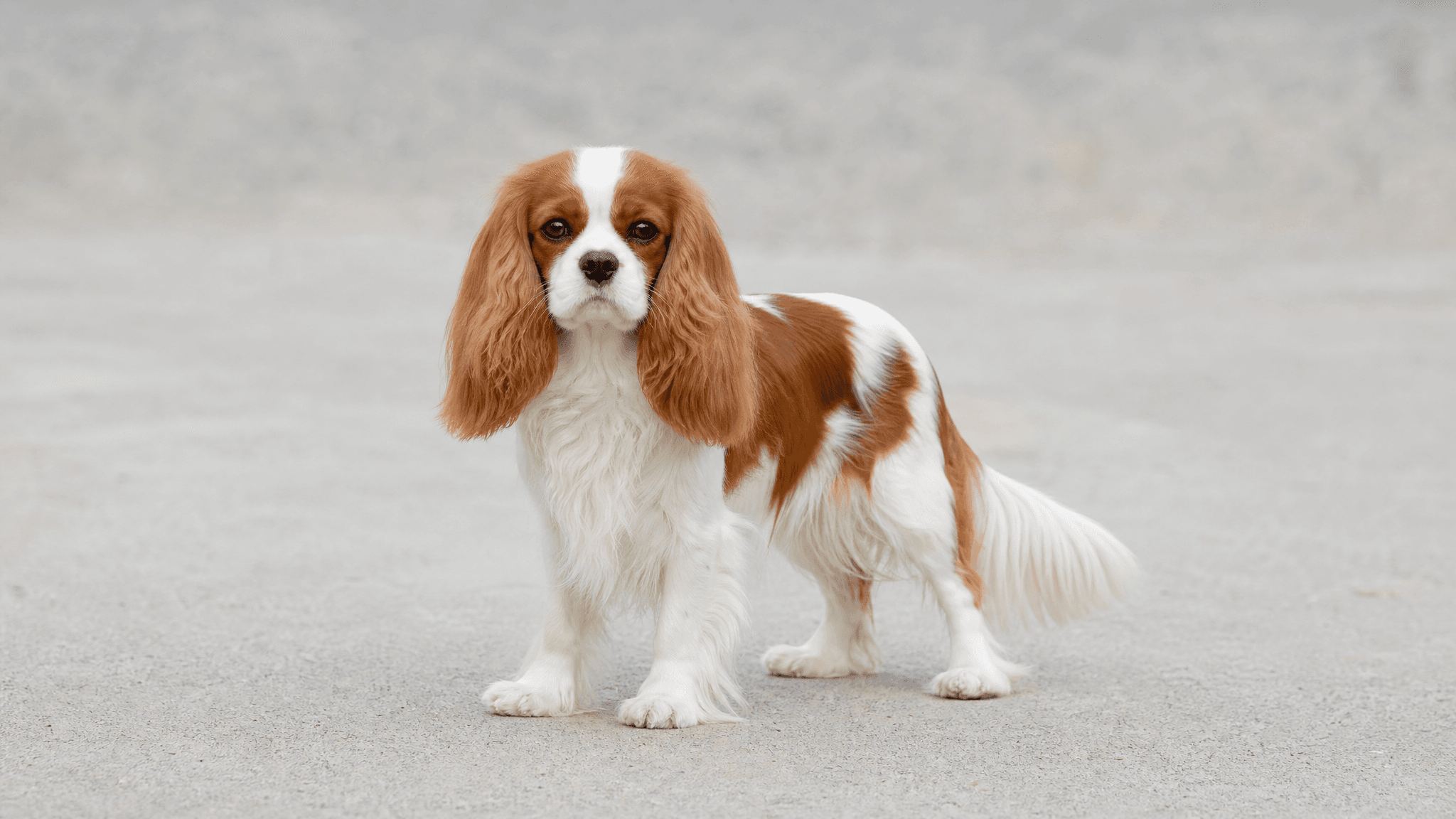
King Charles Spaniel
Summary
The King Charles Spaniel (not to be confused with the Cavalier King Charles Spaniel, which is a separate breed) is one of England's oldest companion dogs, closely associated with King Charles II, who was rarely seen without his Spaniels. The modern breed, with its flatter face and more domed head, resulted from crosses with the Pug and the Pekingese in the 19th century. It is smaller and more compact than the Cavalier, with a calmer and more sedentary temperament.
Physical Characteristics
- Size
- Small
- Height (male)
- 23–27 cm
- Height (female)
- 22–25 cm
- Weight (male)
- 4–6.5 kg
- Weight (female)
- 3.5–6 kg
- Life Expectancy
- 10–16 years
- Coat
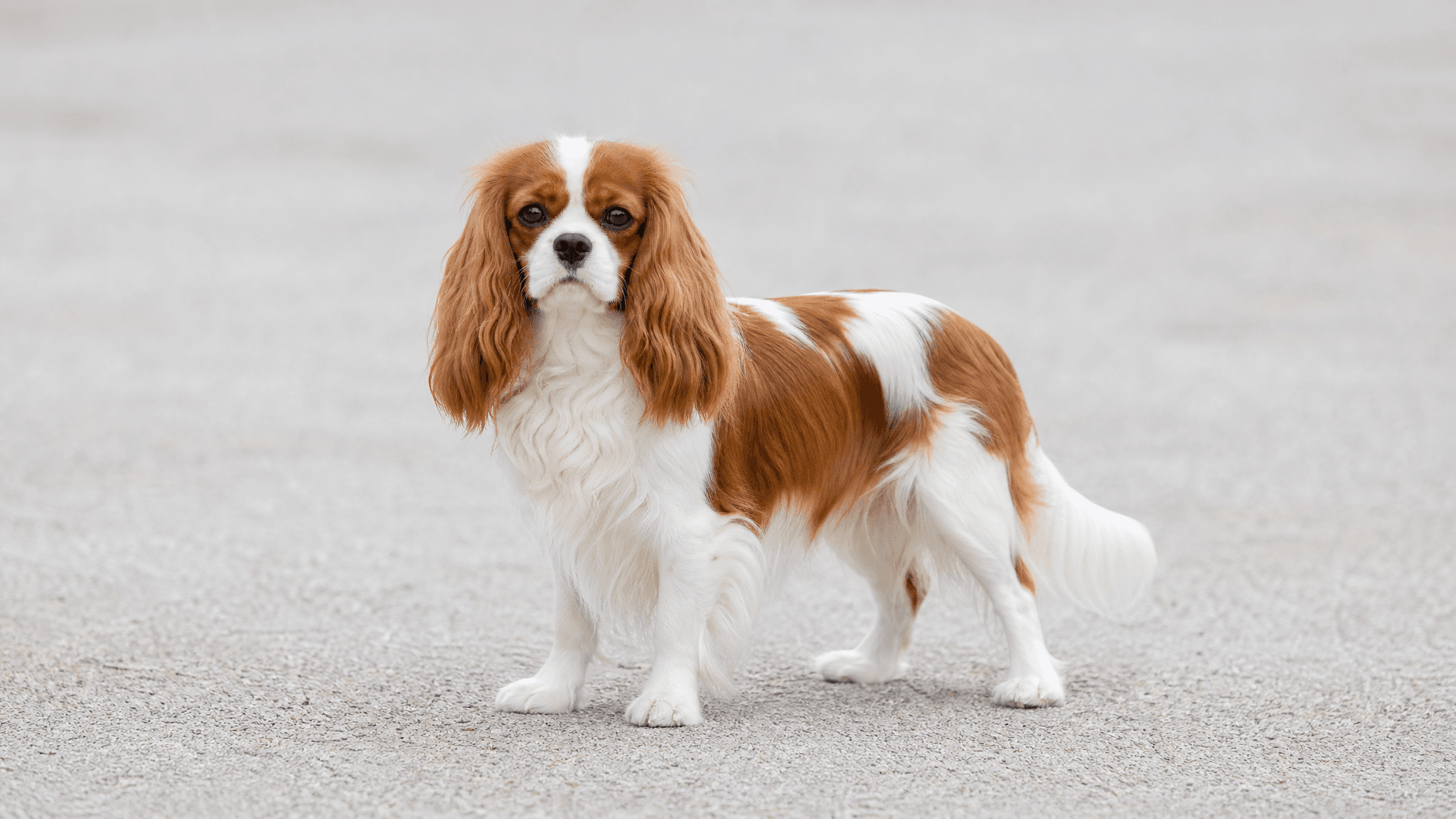
- Silky, long, and slightly wavy; ears with long fringes
- Common Colors
- Four recognized color varieties: Blenheim (chestnut-red and white), Tri-color (black, white, and tan), Black and Tan (black and tan), Ruby (solid red)
Temperament & Personality
The King Charles Spaniel is a gentle, quiet, and extremely affectionate dog. It prefers the life of a lap dog and domestic comfort over intense physical activity. It is reserved but not timid, and adapts very well to small homes and more sedentary owners, including the elderly. It is sensitive to its surroundings and does not respond well to harsh training or tense environments.
Activity & Exercise
- Energy Level
- Low to moderate
- Recommended Daily Exercise
- 20–30 minutes
- Suitable for Apartment
- Yes
Grooming & Care
- Grooming Needs
- Moderate
- Shedding
- Moderate
- Bathing Frequency
- Every 3–4 weeks
Health
- Common Health Issues
- Brachycephalic obstructive airway syndrome (mild)
- Eye problems
- Heart disease
- Hip dysplasia
- Patellar luxation
- Recommended Health Tests
- Cardiac examination
- Eye examination
- Orthopedic evaluation
Compatibility
- With Children
- Good
- With Other Dogs
- Good
- With Cats
- Good
- For First-Time Owners
- Recommended
Is a King Charles Spaniel right for you?
A King Charles Spaniel may suit you if:
- You can provide a gentle daily stroll of 20-30 minutes and enjoy quiet indoor playtime.
- You enjoy a calm, home-centered lifestyle where your dog is a cherished, constant companion.
- You appreciate a gentle, quiet, and deeply affectionate companion who thrives on close human connection.
- You are prepared to use positive reinforcement and gentle methods to guide a sensitive learner.
- You are willing to commit to moderate regular grooming to keep their silky coat and ear fringes beautiful.
- You are happy to have a devoted lap dog who will seek out your comfort and companionship frequently.
Think twice if:
- You expect instant, unwavering obedience from a dog, as their sensitive nature needs patient encouragement.
- You need a dog who is comfortable being left alone for long periods each day.
- You are looking for a boisterous playmate for high-energy children or other pets.
- You are unwilling to provide 20-30 minutes of daily exercise or commit to regular moderate grooming.
- You prefer a dog who can roam freely outdoors without supervision or secure containment.
- You are prone to using harsh corrections or a loud, tense tone when training your dog.
The King Charles Spaniel offers deep affection and calm companionship, a true lap dog. However, their sensitive nature and need for constant presence mean they thrive best in a peaceful home where their gentle spirit is understood and cherished. They are not for those seeking an independent or highly active canine, but rather a devoted, quiet shadow.
Training a King Charles Spaniel
The King Charles Spaniel is a truly gentle soul, eager to please and deeply affectionate, making them wonderful students. They respond best to positive reinforcement, gentle praise, and tasty treats, thriving in a calm, consistent environment. Keep training sessions short, fun, and free from tension, as their sensitive nature means harsh corrections or a stressful atmosphere can cause them to shut down, become timid, or lose trust in their handler. Success comes from patience and making learning a joyful, bonding experience.
Begin with:
- Attention and response to name around distractions
- Recall on a long line
- Loose-leash walking
- Leave it and drop it
- Calm greetings without jumping
- Settling on a mat or bed
- Cooperative handling for grooming, ears, feet and teeth
- Waiting at doors and gates
Over-attachment and separation anxiety
King Charles Spaniels are devoted companions, often preferring to be a lap dog. This deep affection, while lovely, can sometimes lead to over-attachment if not managed, potentially manifesting as separation anxiety when left alone.
To prevent this, teach your King Charles Spaniel that alone time is safe and rewarding. Start with short periods, providing engaging puzzle toys or a comfortable, safe space like a crate. Reward calm, independent behavior, and avoid making a big fuss when you leave or return. This helps them build confidence and understand that you always come back.
Leash sensitivity
Despite their small size and low to moderate energy, King Charles Spaniels can still pull on the leash, often out of excitement or curiosity rather than brute strength. Their sensitive nature means that harsh jerks or corrections are counterproductive and can make walks stressful for both of you.
Focus on positive reinforcement for loose-leash walking. Reward every moment your King Charles Spaniel walks nicely beside you with a tiny treat and soft praise. Use a comfortable, well-fitting harness rather than a collar to avoid pressure on their delicate neck. For more guidance, check out this guide on stopping leash pulling.
Boredom or loneliness
While King Charles Spaniels are adaptable and have low to moderate exercise needs (20-30 minutes daily), they are still intelligent dogs who thrive on companionship and mental stimulation. If left alone for extended periods without engagement, they can become bored or lonely, which might lead to unwanted behaviors.
Provide your King Charles Spaniel with interactive toys and short, fun training sessions throughout the day to keep their minds active. Establish a consistent routine and gradually introduce alone time, ensuring they have a comfy bed and safe chew toys. Learning to recognize signs of stress can help you address any anxiety early on.
King Charles Spaniel — Frequently Asked Questions
What is the King Charles Spaniel?
The King Charles Spaniel is a truly special breed, originating from the United Kingdom and recognized by the FCI in Group 9 as English Toy Spaniels. These small, compact dogs are one of England's oldest companion breeds, famously associated with King Charles II. They possess a distinctive flatter face and a more domed head, a result of 19th-century crosses with breeds like the Pug and Pekingese. Known for their gentle, quiet, and profoundly affectionate nature, they embody the perfect lap dog, preferring cozy domestic comfort over strenuous activity, making them wonderful companions for many.
What was the King Charles Spaniel originally bred for?
The King Charles Spaniel has a rich history as a beloved companion dog, a role they've cherished for centuries. Their lineage traces back to England's oldest companion breeds, and they were particularly favored by royalty, most notably King Charles II, who was rarely seen without his cherished Spaniels. These delightful dogs were specifically bred to be devoted companions, offering comfort and affection. Their purpose was to be a loving presence in the home, a tradition they continue to uphold beautifully today, thriving on close human companionship and a life of domestic bliss.
How much exercise does a King Charles Spaniel need?
King Charles Spaniels have a low to moderate energy level, making them quite adaptable to various lifestyles. They are not high-energy athletes and truly prefer the comforts of home and a good lap to curl up on! To keep your little friend happy and healthy, around 20–30 minutes of daily exercise is typically sufficient. This could be a gentle walk around the block, some playful romps in a secure yard, or even just engaging playtime indoors. They thrive on companionship during their activity, so make it a bonding experience!
Is the King Charles Spaniel a good family dog?
Absolutely! The King Charles Spaniel is a gentle, quiet, and extremely affectionate dog, making them wonderful family members. They are reserved but not timid, and their calm demeanor means they adapt very well to small homes and more sedentary owners, including the elderly. With children, they are typically very patient and loving, though it's always important to teach kids how to interact gently with any dog. They also tend to get along well with other pets, especially if introduced calmly. Their sensitive nature means they thrive in a peaceful, loving home environment.
Is the King Charles Spaniel easy to train?
King Charles Spaniels are intelligent and eager to please, which can make training a rewarding experience! However, it's important to remember their sensitive nature. They do not respond well to harsh training methods or tense environments. Instead, they flourish with positive reinforcement, gentle encouragement, and consistency. Keep training sessions short, fun, and filled with praise and treats, and you'll find your King Charles Spaniel to be a quick learner. Their desire for companionship also means they love to engage in activities with their favorite people.
What health issues are common in the King Charles Spaniel?
Like all breeds, King Charles Spaniels can be prone to certain health considerations, and being aware of them helps you provide the best care. Some documented concerns include mild Brachycephalic obstructive airway syndrome due to their flatter faces, various eye problems, and certain heart conditions. They can also be susceptible to orthopedic issues such as hip dysplasia and patellar luxation. Regular veterinary check-ups are crucial for early detection and management, ensuring your beloved companion stays as healthy and happy as possible throughout their life.
What is the King Charles Spaniel's coat like and how much grooming does it need?
The King Charles Spaniel boasts a beautiful, soft coat that adds to their regal appearance. While not excessively high-maintenance, their lovely fur does require regular care to keep it looking its best and to prevent tangles and mats. Regular brushing, ideally a few times a week, will help distribute natural oils, remove loose hair, and keep their coat healthy and shiny. Pay special attention to the longer feathering on their ears, legs, and tail, as these areas can be more prone to knotting. Consistent grooming also offers a wonderful opportunity for bonding with your sweet companion.
What is the typical lifespan of a King Charles Spaniel?
It's wonderful to know that King Charles Spaniels typically enjoy a long and fulfilling life as cherished family members! With proper care, a healthy diet, regular veterinary check-ups, and plenty of love, these delightful dogs generally live between 10 to 16 years. Providing them with a safe, comfortable, and loving home environment, along with attention to their specific health needs, will help ensure your King Charles Spaniel stays by your side, bringing joy and companionship for many happy years.
Community
Talk to real King Charles Spaniel owners
This guide covers the breed on paper. In the app, the King Charles Spaniel community covers it in real life: photos from other owners, questions answered by people who live with the breed, and a directory of dogs you can browse.
- Photos & pollsSee what King Charles Spaniel owners are sharing today.
- Questions & answersAsk anything and hear from people who own one.
- Dog directoryBrowse King Charles Spaniels from around the world.
You join automatically when you add a King Charles Spaniel to your profile.