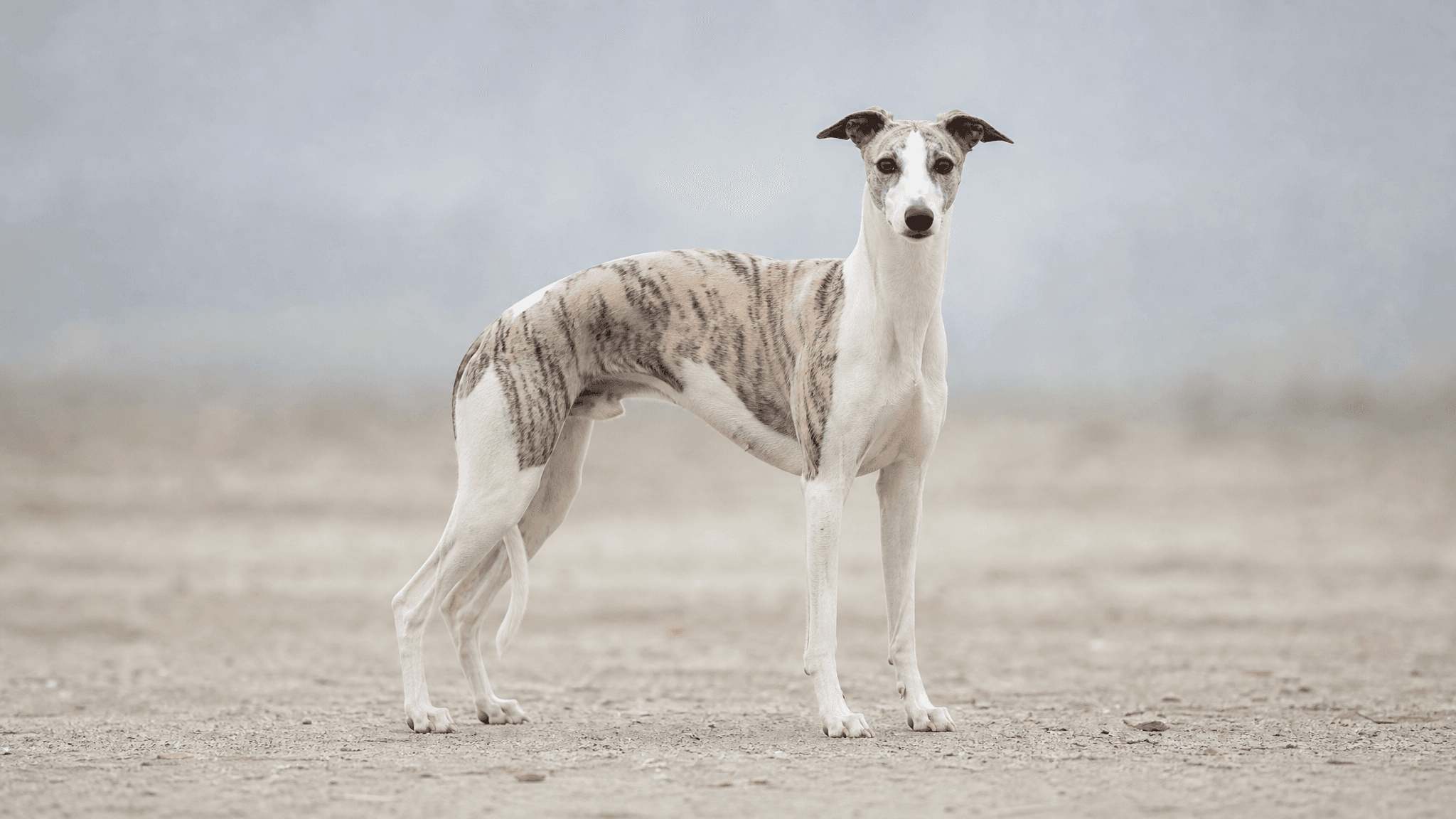
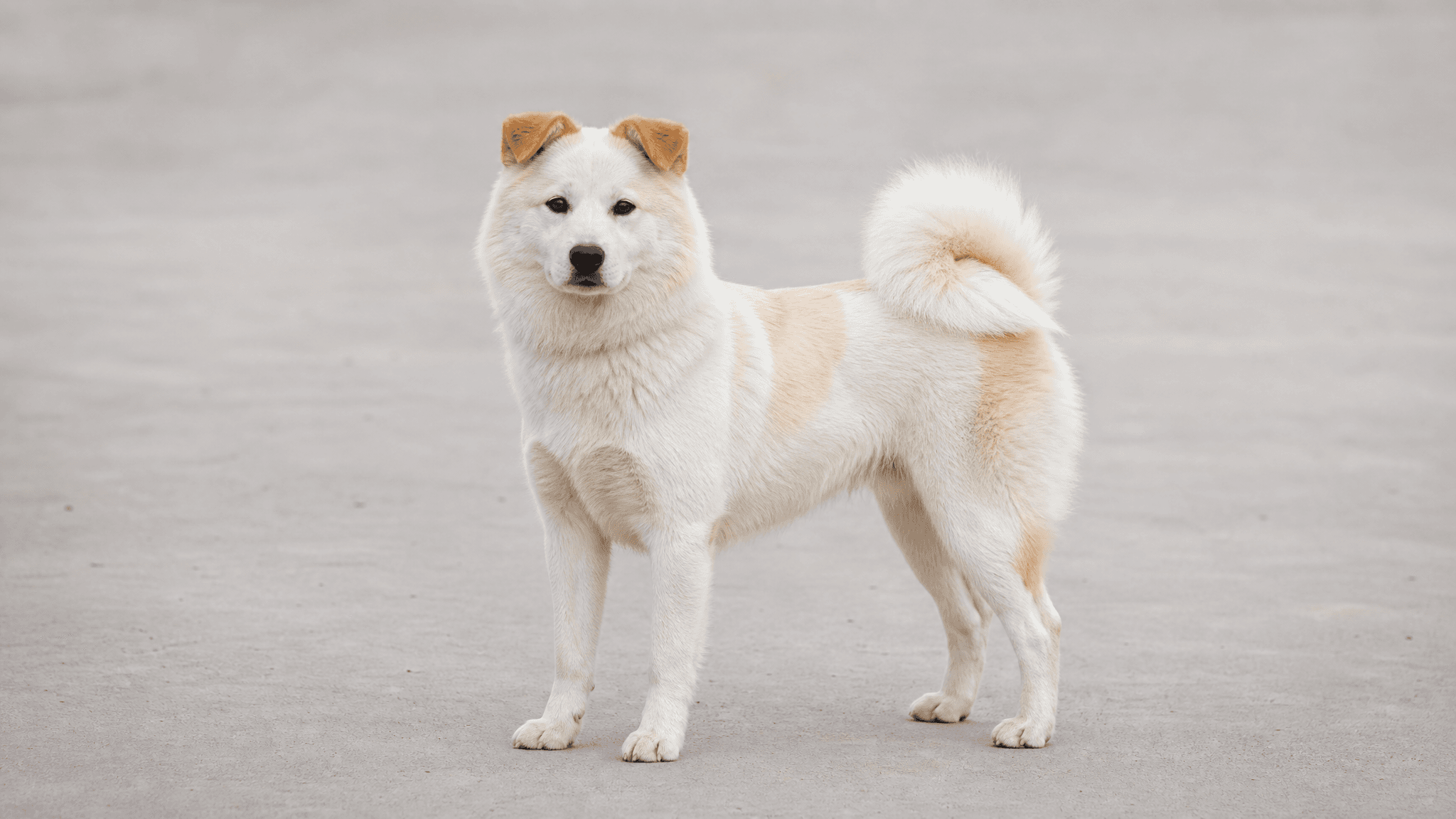
Kazakh Tazy
Summary
The Kazakh Tazy is an ancestral breed from the steppes of Central Asia, considered national heritage of Kazakhstan, where it has been used for centuries to hunt hares, foxes, wild boar, deer, and even wolves. Recognized by the FCI only in September 2024, after extensive genetic research confirmed its distinction from the Saluki and the Afghan Hound, the Tazy is one of the breeds with the greatest genetic diversity among sighthounds, which translates into robustness and low predisposition to hereditary diseases. It is estimated that fewer than 300 purebred specimens with pedigree exist.
Physical Characteristics
- Size
- Medium
- Height (male)
- 63–70 cm
- Height (female)
- 58–65 cm
- Weight (male)
- 20–24 kg
- Weight (female)
- 16–22 kg
- Life Expectancy
- 12–15 years
- Coat
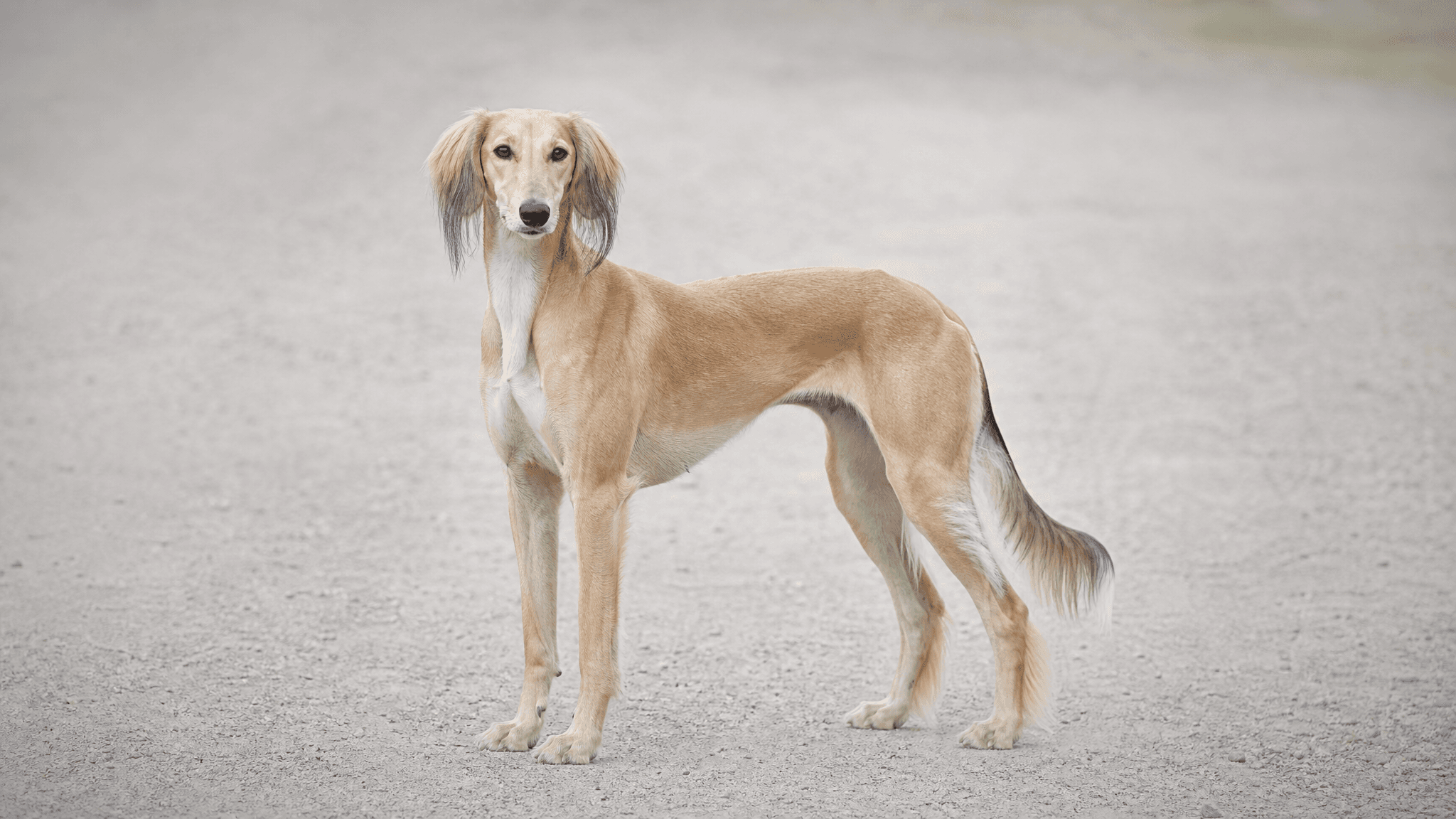
- Short and smooth on the body; fringes on the ears (_burka_), on the hind legs (up to mid-leg), and tail (approximately 10 cm of fringes from the middle to the tip); no undercoat; soft hair between the toes
- Common Colors
- All colors except intense tan markings; the most common colors are fawn, cream, black, brindle, and white
Temperament & Personality
The Tazy is a dog of balanced and self-confident character, independent and slightly reserved with strangers. With the family it is calm and discreet, never intrusive. In hunting, it proves passionate, fast, and tireless, combining sight hunting with some scenting ability — a rare characteristic among sighthounds. It is intelligent and quick to make decisions, a heritage of centuries of hunting in difficult terrain.
Activity & Exercise
- Energy Level
- High
- Recommended Daily Exercise
- 60–90 minutes
- Suitable for Apartment
- Not recommended
Grooming & Care
- Grooming Needs
- Low
- Shedding
- Minimal
- Bathing Frequency
- Every 6–8 weeks
Health
- Common Health Issues
- It is sensitive to anesthesia
- Like all sighthounds
- Monitoring for hip dysplasia and eye problems
- The breed benefits from high genetic diversity and low inbreeding
- With few documented hereditary problems
- Recommended Health Tests
- Eye examination
- Hip evaluation
- Inform the veterinarian of the anesthesia sensitivity typical of sighthounds
Compatibility
- With Children
- Good
- With Other Dogs
- Good
- With Cats
- Can be difficult
- For First-Time Owners
- Not recommended
Is a Kazakh Tazy right for you?
A Kazakh Tazy may suit you if:
- You are prepared to provide 60 to 90 minutes of vigorous exercise daily for their high energy.
- You enjoy engaging in activities that challenge an intelligent sighthound's keen senses and quick decision-making.
- You appreciate a dog with a balanced, self-confident, and independent character that is calm and discreet at home.
- You are prepared to commit to consistent, thoughtful training for an intelligent breed not recommended for first-time owners.
- You can manage minimal grooming needs, including occasional care for their distinctive ear and leg fringes.
- You are willing to embrace and manage a passionate, fast hunter with both sight and scenting abilities.
Think twice if:
- You expect unwavering obedience from a highly independent and self-confident sighthound.
- You frequently leave your dog alone for long periods, as they thrive on family presence.
- You have cats, as this breed's strong prey drive can make cohabitation challenging.
- You are unable to consistently provide 60-90 minutes of daily vigorous activity for their high energy.
- You live in an apartment, as this breed is not recommended for such living arrangements.
- You are a first-time dog owner, as their independent nature requires experienced handling.
Bringing a Kazakh Tazy into your life is a journey with a truly unique and ancient companion. They offer a deep, calm loyalty to their family, yet their independent spirit and powerful hunting instincts mean they thrive with experienced owners who understand their heritage. If you're ready for an active life alongside a thoughtful, athletic sighthound, the bond you'll forge will be incredibly rewarding.
Training a Kazakh Tazy
The intelligent Kazakh Tazy thrives on engaging, positive reinforcement training. Their quick decision-making and independent nature mean short, consistent sessions are best, focusing on making learning a fun, rewarding game. They are highly motivated by high-value treats and praise, especially when it feels like a partnership rather than a command. Inconsistent or harsh methods will quickly lead to a Tazy becoming disengaged, resistant, or even withdrawn, making progress much harder. Building a strong bond through fair and clear communication is paramount for this self-confident breed.
Begin with:
- Attention to name around distractions
- Recall on a long line
- Loose-leash walking
- Leave it and drop it
- Calm greetings without jumping
- Settling on a mat or bed
- Cooperative handling for grooming, ears, feet and teeth
- Waiting at doors and gates
Prey drive and recall
As a sighthound used for hunting hares, foxes, and even wolves, the Kazakh Tazy possesses an incredibly strong prey drive. This instinct can make recall challenging, especially in open spaces. Start recall training in a secure, distraction-free area, gradually introducing distractions while always using a long line for safety. High-value rewards are essential to make coming back to you more enticing than chasing. Practice regularly and consider using a specific, happy tone of voice or a unique whistle for recall to cut through distractions. For more in-depth advice, check out our guide on teaching recall.
Always be mindful of your Tazy's environment; their sight hunting ability means they can spot potential prey from a distance. Until their recall is rock-solid, keep them on a leash or in a securely fenced area to prevent them from acting on their powerful instincts. Consistency and patience are key to managing this natural drive.
Leash pulling
The Tazy is a medium-sized dog with high energy and a powerful build, meaning they can pull strongly on the leash if not taught otherwise. Early and consistent loose-leash training is crucial. Use a comfortable, well-fitting harness that discourages pulling, and reward generously when your Tazy walks calmly beside you. Short, frequent walks focused on good leash manners are more effective than long, unstructured ones. Remember, a tired Tazy is often a better-behaved Tazy, so ensure they get their recommended 60-90 minutes of daily exercise before walks. Our tips for stopping leash pulling can help.
Because Tazy are independent and intelligent, they need clear boundaries and consistent expectations on walks. Avoid allowing them to pull even "just a little bit," as this teaches them that pulling sometimes works. Stay calm and consistent, making walks a pleasant experience for both of you.
Underspent energy
With their high energy level and intelligent nature, a Kazakh Tazy that isn't sufficiently exercised or mentally stimulated can quickly become bored. This boredom often manifests as destructive chewing, excessive barking, or other undesirable behaviours. Ensure your Tazy receives at least 60-90 minutes of vigorous exercise daily, which could include running, long walks, or play sessions. Beyond physical activity, engage their sharp minds with puzzle toys, scent work, and regular training sessions. A Tazy thrives on having a 'job' to do, even if it's just learning new tricks.
Providing ample mental and physical outlets will help prevent frustration and keep your Tazy a happy, well-adjusted companion. Remember, this breed is not recommended for apartment living due to its high energy needs and preference for space. A consistent routine that incorporates both physical activity and brain games will be your best friend in managing their energy.
Kazakh Tazy — Frequently Asked Questions
What is the Kazakh Tazy?
The Kazakh Tazy is a truly special ancestral breed, a national treasure from the vast steppes of Kazakhstan. Recognized by the FCI in Group 10 as a Long-Haired or Fringed Sighthound, this medium-sized dog boasts a balanced and self-confident character. They are known for being independent and a little reserved with strangers, yet wonderfully calm and discreet with their families, never being intrusive. Their defining characteristic is their incredible prowess as a hunter, combining the keen sight of a sighthound with a rare ability to use scent, making them fast and tireless in the field.
What was the Kazakh Tazy originally bred for?
For centuries, the Kazakh Tazy has been an indispensable companion and hunter in its native Kazakhstan. This remarkable breed was originally developed to hunt a wide array of game across the challenging Central Asian steppes, including hares, foxes, wild boar, deer, and even formidable wolves! Their intelligence and quick decision-making abilities, honed over centuries of demanding hunting, allowed them to excel in these crucial tasks. They are truly a living testament to their rich heritage as a versatile and courageous hunting partner.
How much exercise does a Kazakh Tazy need?
With their high energy level and sighthound heritage, the Kazakh Tazy absolutely thrives on regular exercise! To keep them happy and healthy, they typically need a good 60 to 90 minutes of activity every single day. This isn't just about physical exertion; it's also about providing mental stimulation and an outlet for their natural instincts. Think long, brisk walks, secure off-leash running in a fenced area where they can truly stretch their legs, or engaging in dog sports. A well-exercised Tazy is a contented Tazy!
Is the Kazakh Tazy a good family dog?
The Kazakh Tazy can indeed be a wonderful addition to the right family! With their loved ones, they are known for being calm and discreet, never intrusive, and truly self-confident. While they might be a bit reserved with strangers, their loyalty and gentle nature shine through with their family members. When it comes to children, supervision is always key with any breed, but their balanced temperament is a plus. With other pets, especially smaller ones, their strong sighthound prey drive means careful introductions and management are essential for a harmonious home.
Is the Kazakh Tazy easy to train?
The Kazakh Tazy is an intelligent and quick-thinking breed, a trait inherited from centuries of independent hunting, which makes them quite capable learners! While they possess a balanced and self-confident character, sighthounds can sometimes be independent, so consistent, positive reinforcement training works best. They respond wonderfully to clear guidance and engaging methods. Harnessing their natural intelligence and desire to please their family will make training a rewarding experience for both you and your Tazy, building a strong bond along the way.
What health issues are common in the Kazakh Tazy?
It's wonderful to know that the Kazakh Tazy benefits from high genetic diversity and low inbreeding, which generally translates into a robust constitution with few documented hereditary problems. However, like all sighthounds, they can be sensitive to anesthesia, so it's crucial to inform your vet about this breed-specific trait. Regular monitoring for hip dysplasia and eye problems is also recommended as part of their routine care, ensuring your Tazy stays healthy and happy throughout its life. Their natural hardiness is truly a gift!
What is the Kazakh Tazy's coat like and how much grooming does it need?
The Kazakh Tazy, as a 'Long-Haired or Fringed Sighthound,' has a beautiful coat that requires some loving attention to keep it in prime condition. While not overly demanding, regular brushing is key to prevent any tangles, especially in the longer fringes on their ears, legs, and tail, and to keep their fur clean and healthy. This routine grooming isn't just about aesthetics; it's a wonderful opportunity for bonding with your Tazy and checking for any skin issues, ensuring they always look and feel their best.
What is the typical lifespan of a Kazakh Tazy?
You'll be delighted to know that the robust Kazakh Tazy typically enjoys a long and fulfilling life! With proper care, nutrition, and regular veterinary check-ups, these wonderful dogs generally live for 12 to 15 years. Their impressive genetic diversity and low inbreeding contribute significantly to their overall hardiness and longevity, making them a healthy and enduring companion for many years to come. It's a testament to their natural strength and resilience!
Community
Talk to real Kazakh Tazy owners
This guide covers the breed on paper. In the app, the Kazakh Tazy community covers it in real life: photos from other owners, questions answered by people who live with the breed, and a directory of dogs you can browse.
- Photos & pollsSee what Kazakh Tazy owners are sharing today.
- Questions & answersAsk anything and hear from people who own one.
- Dog directoryBrowse Kazakh Tazys from around the world.
You join automatically when you add a Kazakh Tazy to your profile.