Japanese Terrier
Summary
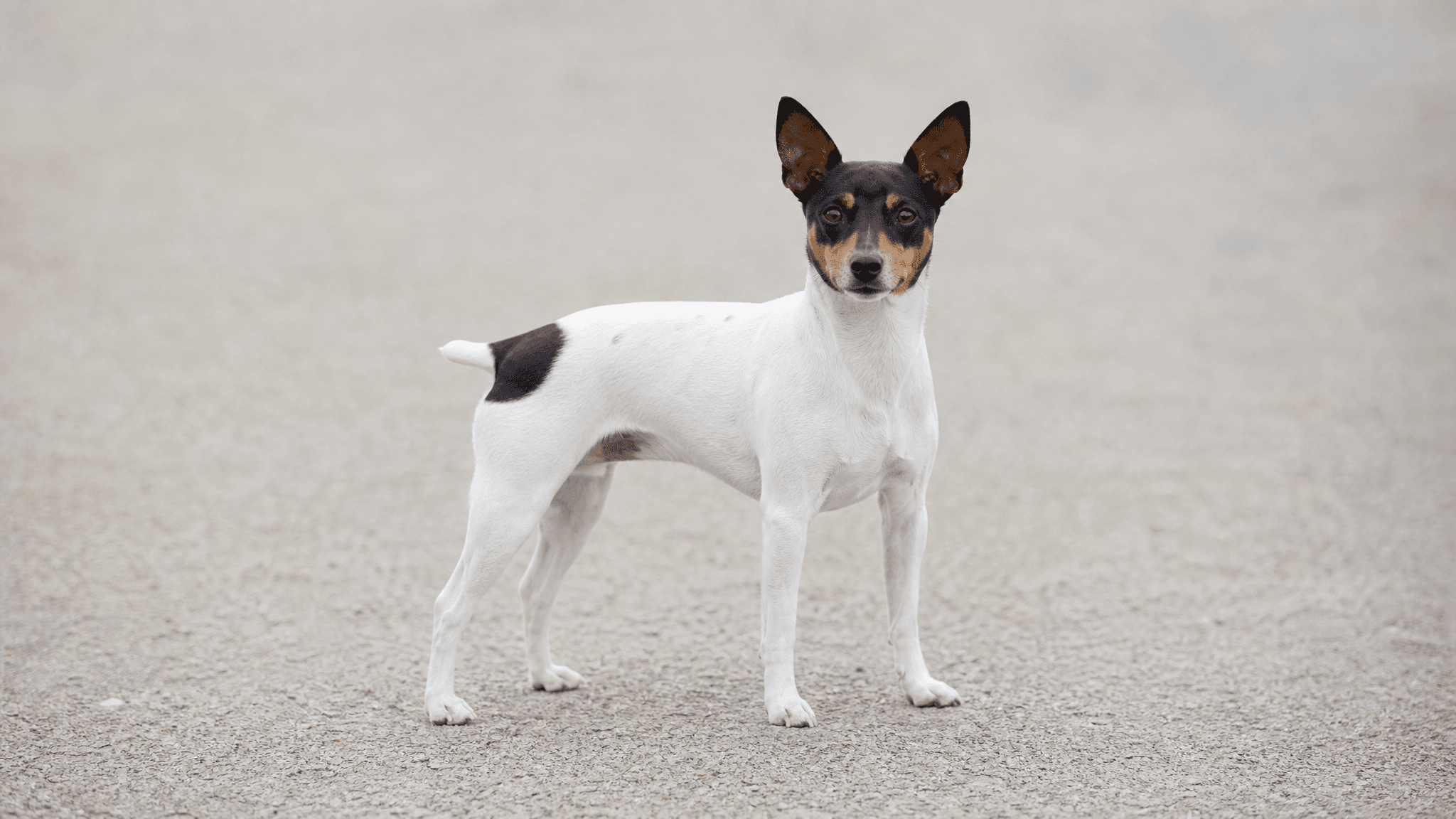
The Japanese Terrier is an extremely rare breed, even in Japan where it is virtually unknown to the general public. Developed in the city of Nagasaki in the 17th century from Smooth Fox Terriers imported by Dutch merchants, crossed with local breeds, the Nippon Terrier is today primarily an elegant, agile companion dog with very simple maintenance. Its peculiar appearance — a dark head contrasting with a white body — is very characteristic.
Physical Characteristics
- Size
- Small
- Height (male)
- 30–33 cm
- Height (female)
- 27–30 cm
- Weight (male)
- 2–4 kg
- Weight (female)
- 3–4 kg
- Life Expectancy
- 12–15 years
- Coat
- very short (approx. 2 mm), smooth, dense, and shiny
- Common Colors
- tricolor head (black, tan, and white) with white body; black or tan patches on the body are accepted
Temperament & Personality
The Japanese Terrier is lively, agile, and affectionate, with a calmer personality than most Western terriers. It is loyal to its owner, adaptable to various environments, and relatively easy to train. It does not have the aggressive prey drive of many terriers — it was developed primarily as a companion dog over centuries. It is also very sensitive and responds better to positive reinforcement.
Activity & Exercise
- Energy Level
- Moderate
- Recommended Daily Exercise
- 30–45 minutes
- Suitable for Apartment
- Yes
Grooming & Care
- Grooming Needs
- Very low
- Shedding
- Minimal
- Bathing Frequency
- Every 4–6 weeks
Health
- Common Health Issues
- Eye problems and patellar luxation may occur
- Very healthy breed
- Recommended Health Tests
- Eye examination
Compatibility
- With Children
- Good
- With Other Dogs
- Good
- With Cats
- Good
- For First-Time Owners
- Recommended
Is a Japanese Terrier right for you?
A Japanese Terrier may suit you if:
- You can provide 30 to 45 minutes of daily activity to keep your Japanese Terrier happy and engaged.
- You enjoy an active lifestyle that includes exploring new places with an agile and adaptable companion.
- You appreciate a loyal, affectionate, and sensitive dog with a calmer terrier spirit.
- You are prepared to use positive reinforcement methods to train a smart and responsive learner.
- You are looking for a low-maintenance companion with a very short, smooth coat that needs minimal grooming.
- You are ready to embrace a companion dog that is affectionate and less prone to typical terrier prey drive.
Think twice if:
- You expect unwavering obedience from a dog, as terriers, even calm ones, can have an independent spirit.
- You plan to leave your dog alone for long periods, as these loyal companions thrive on consistent interaction.
- You have a boisterous household that might not accommodate a sensitive dog who prefers gentle interactions.
- You are unwilling to commit to the moderate daily exercise of 30 to 45 minutes that keeps this breed healthy.
- You do not have a secure living space, as their agility and curiosity mean they need safe boundaries.
- You are unprepared for handling a small, delicate dog who responds best to gentle guidance rather than harsh corrections.
The Japanese Terrier offers the spirited charm of a terrier with a surprisingly calm and affectionate nature. While their low grooming needs and adaptability make them seem effortlessly easy, remember their sensitive hearts thrive on consistent, positive interaction and daily adventures. They are loyal companions, eager to please, but their small size and gentle spirit require a home that values kindness and engagement above all else.
Training a Japanese Terrier
Japanese Terriers are wonderfully intelligent and sensitive companions, making them relatively easy to train if you approach it with kindness and consistency. They thrive on positive reinforcement, responding beautifully to praise, gentle encouragement, and delicious treats. Training sessions should be kept short, fun, and engaging, typically 5-10 minutes, always ending on a positive note to keep them eager for more. Due to their sensitive nature, harsh corrections or impatient handling can quickly lead to a withdrawn or anxious pup, making them less likely to learn. Consistency and a warm, supportive attitude are key to unlocking their full potential.
Begin with:
- Responding to name around distractions
- Recall on a long line
- Loose-leash walking
- Leave it and drop it
- Calm greetings without jumping
- Settling on a mat or bed
- Cooperative handling for grooming, ears, feet, and teeth
- Waiting at doors and gates
Distraction and Focus
While Japanese Terriers do not have the aggressive prey drive of many terriers, their lively and agile nature means they are often very curious about their surroundings. Their small size makes the world full of exciting sights, sounds, and smells, which can make focusing on you a challenge, especially in busy outdoor environments. Start your training in quiet, familiar places and gradually introduce more distractions as your pup builds confidence.
To keep your Japanese Terrier engaged, use high-value treats and enthusiastic praise to make yourself the most interesting thing around. Practice attention exercises regularly, even for just a minute or two, to strengthen their focus on you. This consistent effort will help them learn to tune out distractions and respond reliably.
Leash Manners
Despite their small stature, a Japanese Terrier can still pull on the leash, especially when excited or curious about something new. This can be uncomfortable for both of you and, more importantly, harsh leash corrections can be counterproductive for this sensitive breed, potentially causing fear or anxiety.
Instead, focus on positive reinforcement, rewarding your pup for walking calmly by your side with a loose leash. Practice loose-leash walking in short, frequent sessions. If your Japanese Terrier starts to pull, simply stop walking until the leash slackens, then continue. Consistency and patience will teach them that a relaxed leash means forward movement.
Boredom Behaviors
Japanese Terriers are intelligent and agile, with a moderate energy level requiring 30-45 minutes of daily exercise. If they don't receive enough mental and physical stimulation, they can quickly become bored or restless. This might manifest as undesirable behaviors like excessive barking, digging, or destructive chewing.
To prevent boredom, ensure your pup has appropriate puzzle toys that challenge their mind. Engage them in interactive play sessions, and vary your walking routes to provide new sensory experiences. Regular, enriching walks and short training sessions throughout the day can keep their minds sharp and their bodies happy. If you notice signs of stress when left alone, our guide on separation stress can offer helpful advice.
Japanese Terrier — Frequently Asked Questions
What is the Nihon Teria (Japanese Terrier)?
The Nihon Teria, also known as the Japanese Terrier, is a truly unique and rare breed hailing from Japan. Developed in the bustling city of Nagasaki during the 17th century, it's believed to be a delightful mix of Smooth Fox Terriers, brought by Dutch merchants, and local Japanese breeds. This small, elegant, and agile companion dog is recognized by the FCI in Group 3 (Small-Sized Terriers). Its most distinctive feature is its striking appearance: a dark head that beautifully contrasts with its pristine white body, making it quite a sight!
What was the Nihon Teria (Japanese Terrier) originally bred for?
Originally, the Nihon Teria was not bred for the typical terrier's aggressive hunting drive, but rather evolved primarily as a cherished companion dog over many centuries. Its history began in Nagasaki in the 17th century, where it emerged from a blend of imported Smooth Fox Terriers and local Japanese dogs. This unique development path means they possess a wonderfully adaptable and affectionate nature, making them perfectly suited for family life rather than intense working roles. They truly embody the spirit of a devoted friend.
How much exercise does a Nihon Teria (Japanese Terrier) need?
Despite their lively and agile nature, Nihon Teria have a moderate energy level and don't require an excessive amount of exercise, which is great for many lifestyles! A happy and healthy Japanese Terrier typically needs about 30–45 minutes of daily activity. This could include a couple of brisk walks, some playful games in a secure yard, or even engaging indoor play. Consistent, moderate exercise will help keep them physically fit and mentally stimulated, ensuring they remain the cheerful companions we adore.
Is the Nihon Teria (Japanese Terrier) a good family dog?
Yes, the Nihon Teria can make a wonderful family dog! They are known for being lively, agile, and incredibly affectionate, with a calmer and more adaptable personality than many Western terriers. Their history as companion dogs means they don't typically have the strong prey drive often associated with terriers, making them generally good with children and other pets when properly socialized. They are also quite sensitive, so gentle interactions and a loving environment will help them thrive and become a loyal, cherished member of your family.
Is the Nihon Teria (Japanese Terrier) easy to train?
You'll be pleased to know that the Nihon Teria is considered relatively easy to train! Their temperament is notably calmer than many other terrier breeds, and they are very loyal to their owners. What truly sets them apart is their sensitivity, which means they respond beautifully to positive reinforcement methods. Gentle guidance, consistent training, and plenty of praise will bring out the best in your Japanese Terrier. They are eager to please and adaptable, making the training journey a rewarding experience for both of you.
What health issues are common in the Nihon Teria (Japanese Terrier)?
The Nihon Teria is generally a very healthy breed, which is fantastic news for potential owners! While they are robust, like all breeds, they can occasionally be prone to certain conditions. Documented health concerns for the Japanese Terrier include eye problems and patellar luxation, which is a common orthopedic issue in small dogs where the kneecap can slip out of place. Regular veterinary check-ups are always recommended to monitor their health and catch any potential issues early, ensuring your furry friend stays happy and well.
What is the Nihon Teria (Japanese Terrier)'s coat like and how much grooming does it need?
The Nihon Teria boasts a truly distinctive and low-maintenance coat, making grooming a breeze! Their most striking feature is their peculiar appearance: a dark head that beautifully contrasts with their pristine white body. This short, smooth coat requires very simple maintenance. A quick brush a few times a week will help remove loose hairs and keep their coat shiny and healthy. Occasional baths, nail trims, and ear cleaning are all that's typically needed to keep your elegant Japanese Terrier looking their best.
What is the typical lifespan of a Nihon Teria (Japanese Terrier)?
You can look forward to many wonderful years with a Nihon Teria, as they typically enjoy a good, long life! The average lifespan for this delightful breed is generally between 12 and 15 years. Providing them with a balanced diet, regular moderate exercise, routine veterinary care, and plenty of love and mental stimulation will contribute significantly to their overall well-being and help ensure they live a full and happy life by your side. They truly are a long-term commitment of joy!
Community
Talk to real Japanese Terrier owners
This guide covers the breed on paper. In the app, the Japanese Terrier community covers it in real life: photos from other owners, questions answered by people who live with the breed, and a directory of dogs you can browse.
- Photos & pollsSee what Japanese Terrier owners are sharing today.
- Questions & answersAsk anything and hear from people who own one.
- Dog directoryBrowse Japanese Terriers from around the world.
You join automatically when you add a Japanese Terrier to your profile.