Czech Terrier
Summary
The Cesky Terrier is one of the youngest breeds in the world — it was deliberately created in 1949 by the Czech geneticist and cynologist František Horák, who intended to develop a terrier narrower than the Scottie (to enter fox burrows in the Bohemian forest), with a coat easier to maintain than most terriers, and with a calmer temperament. He crossed the Scottish Terrier with the Sealyham Terrier and fixed the breed over decades. The FCI recognized it in 1963; today it is the national dog of the Czech Republic.
Physical Characteristics
- Size
- Small
- Height (male)
- 29–32 cm
- Height (female)
- 27–30 cm
- Weight (male)
- 7–10 kg
- Weight (female)
- 6–9 kg
- Life Expectancy
- 12–15 years
- Coat
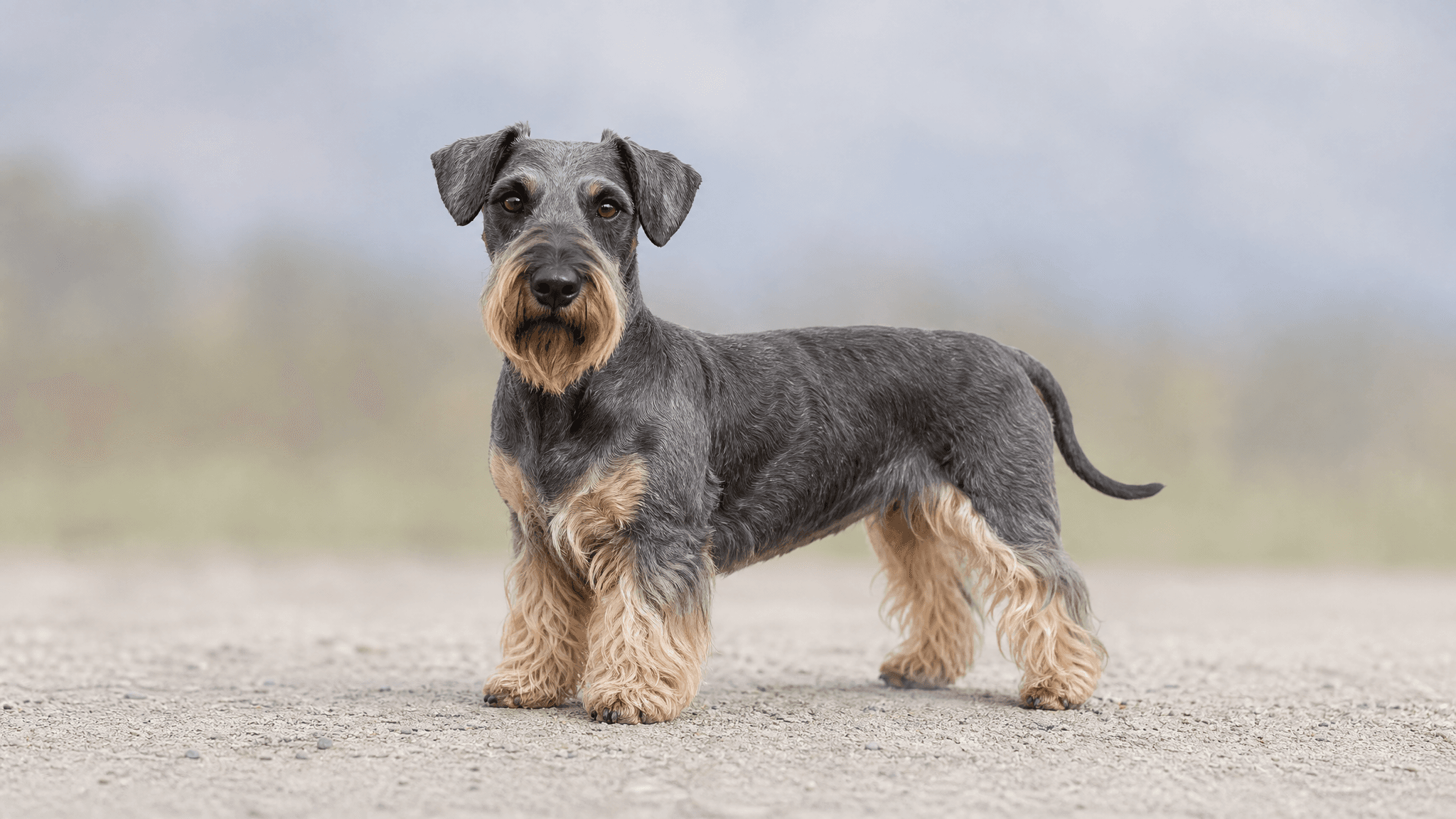
- soft, slightly wavy hair, silky texture (unlike most terriers, it is clipped with a clipper and not stripped)
- Common Colors
- blue-grey (in all shades, from charcoal to platinum) or light brown (café-au-lait); tan, yellow, and white markings on the head, neck, chest, and limbs
Temperament & Personality
The Cesky Terrier is often described as the calmest and most trainable terrier. It retains the terrier curiosity and courage, but without the excessive impulsiveness and stubbornness of many other members of the group. It is very affectionate with the family, patient with children, and sociable with other dogs. Its balanced nature makes it an excellent choice for those who want a terrier personality in a more manageable format.
Activity & Exercise
- Energy Level
- Moderate
- Recommended Daily Exercise
- 30–45 minutes
- Suitable for Apartment
- Yes
Grooming & Care
- Grooming Needs
- Moderate
- Shedding
- Low
- Bathing Frequency
- Every 4–6 weeks
Health
- Common Health Issues
- Hereditary lens diseases
- Hip dysplasia
- Scottie Cramp syndrome (hereditary muscular cramp)
- Recommended Health Tests
- Eye examination
- Scottie Cramp genetic evaluation
Compatibility
- With Children
- Excellent
- With Other Dogs
- Good
- With Cats
- Good
- For First-Time Owners
- Recommended
Is a Czech Terrier right for you?
A Czech Terrier may suit you if:
- You can provide moderate daily activity, enjoying a good walk or playtime for 30-45 minutes each day.
- You enjoy a balanced lifestyle that includes both cozy indoor time and engaging outdoor adventures.
- You appreciate a curious, courageous, yet notably calm and affectionate companion who loves family life.
- You are prepared to engage in consistent, positive training with a naturally biddable terrier.
- You are willing to commit to regular clipping and moderate grooming to maintain their unique silky coat.
- You are prepared to manage a terrier's natural curiosity and occasional digging instincts with patience.
Think twice if:
- You expect unwavering, instant obedience, as even the calmest terrier has an independent streak.
- You frequently leave your dog alone for long hours, as they thrive on family interaction.
- You expect your dog to be entirely self-sufficient in managing interactions with very young, unpredictable children or fragile small pets.
- You are unwilling to commit to their moderate daily exercise needs or consistent grooming routine.
- You expect a dog to be content without a secure, fenced yard or consistent leash walks.
- You are unprepared to gently but firmly guide a curious and courageous terrier through their independent moments.
The Czech Terrier offers the best of both worlds: a calm, affectionate companion with the spirited curiosity and courage of a terrier. While they are known for their gentle nature and trainability, they still thrive on consistent engagement and moderate activity. Embracing their unique blend of mellow charm and adventurous spirit will lead to a truly rewarding companionship for years to come.
Training a Czech Terrier
The Cesky Terrier, often hailed as the calmest and most trainable terrier, thrives on positive reinforcement and engaging, consistent training sessions. Their natural curiosity and courage make them eager to learn, especially when motivated by tasty treats, praise, and interactive play. Because they possess a balanced nature, they respond beautifully to clear, fair guidance. However, if training becomes harsh, inconsistent, or lacks clear communication, their inherent terrier spirit might lead to stubbornness, making them less cooperative and potentially eroding the trusting bond you share. Keep it fun and rewarding!
Begin with:
- Attention and response to name around distractions
- Recall on a long line
- Loose-leash walking
- Leave it and drop it
- Calm greetings without jumping
- Settling on a mat or bed
- Cooperative handling for grooming, ears, feet and teeth
- Waiting at doors and gates
Curiosity and Prey Drive
While calmer than many terriers, Ceskies retain a strong terrier curiosity and a moderate prey drive, a trait developed for their original purpose. This means that squirrels, birds, or even interesting smells can be incredibly distracting on walks, making them want to investigate.
To manage this, focus on building a rock-solid recall from a young age, practicing in increasingly distracting environments. Always use a leash in unfenced areas where small animals might appear. Channel their curiosity with puzzle toys, scent games, and structured play at home to keep their minds engaged and satisfied.
Leash Manners
Despite their small size (males typically 7-10 kg, females 6-9 kg), Ceskies are sturdy little dogs with a moderate energy level, needing 30-45 minutes of daily exercise. If not properly taught, they can pull surprisingly hard on the leash, especially when their curiosity is piqued by interesting smells or sights.
Start loose-leash training early with positive reinforcement, consistently rewarding them for walking calmly by your side. Avoid letting them pull to get where they want to go, as this reinforces the behavior. Consider a front-clip harness for better control without discomfort. Consistency is key to teaching them that polite walking is more rewarding. For more tips, see our guide on stopping leash pulling.
Boredom Behaviors
Even with their calm temperament, a Cesky Terrier still needs adequate mental and physical stimulation. If under-exercised, under-stimulated, or left alone for long periods without engagement, their curiosity can turn into less desirable behaviors like destructive chewing, excessive barking, or digging. They truly thrive on companionship and structured activity.
Ensure they receive their recommended 30-45 minutes of daily exercise, split into walks and playtime. Supplement physical activity with mental enrichment through regular training sessions, puzzle feeders, and interactive toys. If you need to leave them alone, provide engaging toys and consider using our Behaviour AI feature to understand and work on any separation-related behaviors.
Czech Terrier — Frequently Asked Questions
What is the Ceský Terier (Czech Terrier)?
The Ceský Terier, often called the Czech Terrier, is a charming small dog originating from Czechia. This breed belongs to FCI Group 3 (Small-Sized Terriers) and is one of the youngest breeds, deliberately created in 1949 by František Horák. He aimed to develop a terrier that was narrower than the Scottie, with an easier-to-maintain coat, and a calmer temperament, making it a unique and delightful companion. Today, it stands as the national dog of Czechia, a testament to its special place in its homeland.
What was the Ceský Terier (Czech Terrier) originally bred for?
The Ceský Terier was originally bred with a very specific purpose in mind! In 1949, Czech geneticist František Horák set out to create a versatile working terrier. He aimed for a dog that was narrower than the Scottish Terrier, allowing it to easily navigate fox burrows in the Bohemian forest. Additionally, he wanted a breed with a coat that was easier to maintain than many terriers and, crucially, a calmer temperament, making them excellent hunting companions and family pets. He achieved this by crossing the Scottish Terrier with the Sealyham Terrier.
How much exercise does a Ceský Terier (Czech Terrier) need?
Despite their terrier heritage, Ceský Teriers have a moderate energy level and don't require an excessive amount of exercise. A good 30 to 45 minutes of daily activity is usually sufficient to keep them happy and healthy. This could include a brisk walk, some playtime in a secure yard, or engaging in fun activities like fetch. Regular, consistent exercise will help them stay well-behaved and content, without needing marathon runs. They truly thrive on quality time with their humans!
Is the Ceský Terier (Czech Terrier) a good family dog?
Absolutely! The Ceský Terier is renowned for being one of the calmest and most trainable terriers, making them wonderful family companions. They are very affectionate with their human family members and are known for being patient with children. Their sociable nature often extends to other dogs as well, especially with proper early socialization. While they retain that delightful terrier curiosity, they generally lack the excessive impulsiveness and stubbornness sometimes seen in other terriers, fitting beautifully into a loving home. Their balanced nature makes them an excellent choice for those seeking a devoted, adaptable pet.
Is the Ceský Terier (Czech Terrier) easy to train?
Yes, the Ceský Terier is often celebrated for being one of the most trainable terriers! Their balanced nature, combining terrier curiosity and courage with a calmer disposition, makes them quite receptive to training. Unlike some terriers, they typically don't exhibit excessive impulsiveness or stubbornness, which can make the training process smoother and more enjoyable for both dog and owner. Consistent, positive reinforcement methods work best to harness their intelligence and eagerness to please, helping them learn quickly and become well-behaved members of the family.
What health issues are common in the Ceský Terier (Czech Terrier)?
Like all breeds, Ceský Teriers can be prone to certain health conditions, though they are generally a robust breed. It's good to be aware of documented concerns such as hereditary lens diseases, which can affect their vision, and hip dysplasia, a condition affecting the hip joints. Additionally, they can be predisposed to Scottie Cramp syndrome, a hereditary muscular cramp. Responsible breeders screen their dogs for these conditions, and regular veterinary check-ups are key to keeping your Ceský Terier healthy and happy throughout their life. Early detection and care make all the difference!
What is the Ceský Terier (Czech Terrier)'s coat like and how much grooming does it need?
The Ceský Terier boasts a unique, soft, wavy coat that is actually designed to be easier to maintain than many other terrier breeds. This was one of the original goals of their creator! While it's not a wash-and-go coat, it does require regular attention. To keep it healthy and free of mats, weekly brushing is recommended, along with professional grooming every few months for stripping or clipping. This routine will ensure your Ceský Terier always looks their best and feels comfortable, highlighting their distinctive charm.
What is the typical lifespan of a Ceský Terier (Czech Terrier)?
You'll be happy to know that Ceský Teriers are generally a long-lived breed! With good care, a healthy diet, and regular veterinary check-ups, these wonderful companions typically enjoy a lifespan of 12 to 15 years. This means many happy years of companionship, cuddles, and adventures with your beloved Czech Terrier. Providing them with a loving environment and meeting their needs will help ensure they live a full and joyful life by your side, bringing joy to your home for a long time.
Community
Talk to real Czech Terrier owners
This guide covers the breed on paper. In the app, the Czech Terrier community covers it in real life: photos from other owners, questions answered by people who live with the breed, and a directory of dogs you can browse.
- Photos & pollsSee what Czech Terrier owners are sharing today.
- Questions & answersAsk anything and hear from people who own one.
- Dog directoryBrowse Czech Terriers from around the world.
You join automatically when you add a Czech Terrier to your profile.