Japanese Chin
Summary
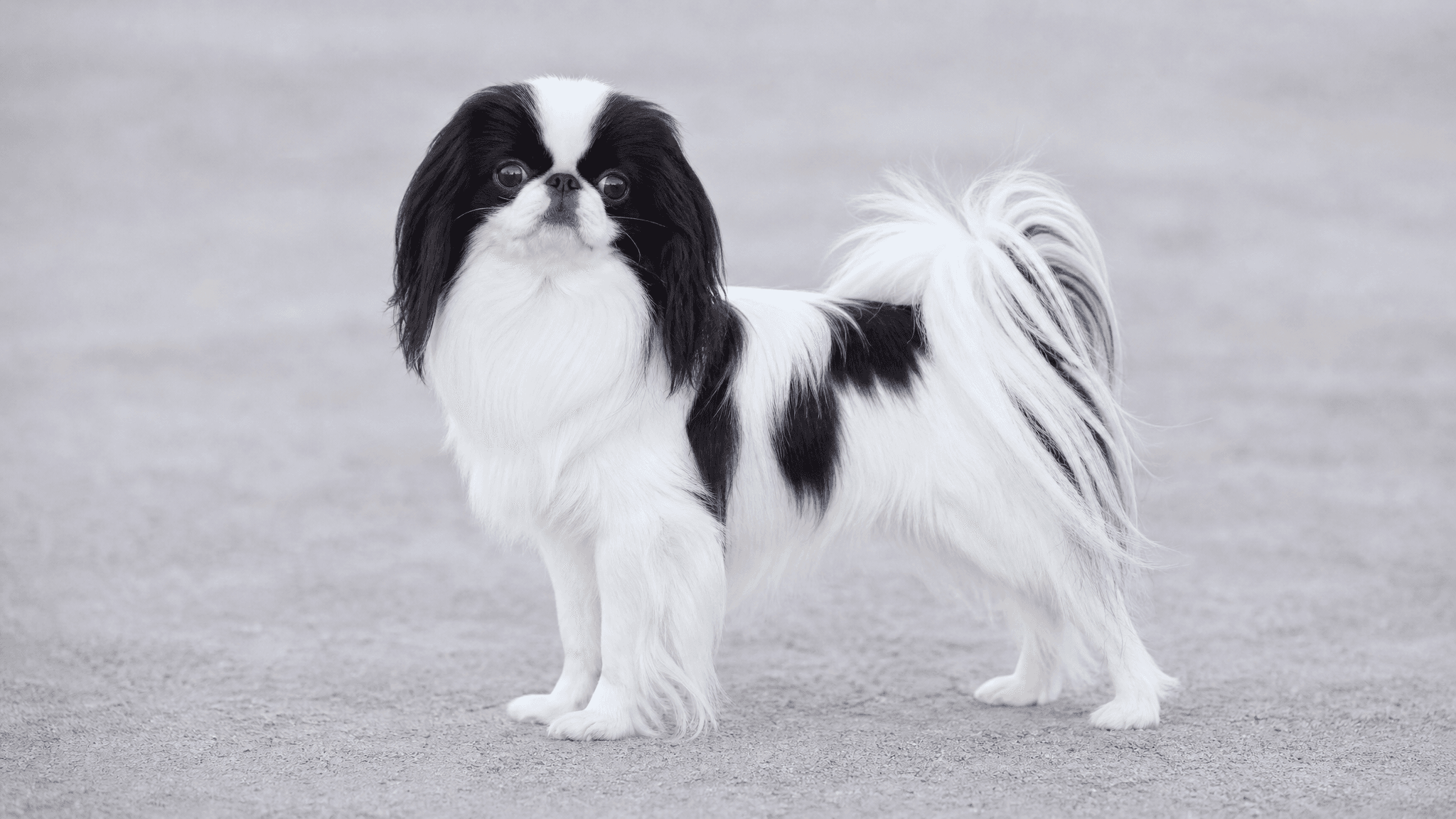
Despite the Japanese name, the Chin probably originated in China, having arrived in Japan as an imperial gift several centuries ago. In Japan, it became the exclusive companion dog of the aristocracy and the Japanese imperial family for over a thousand years. It is famous for its feline temperament — it cleans itself like a cat, walks silently, prefers high places, and is highly aware of its owners' emotions. It was introduced to the West by Commodore Perry in 1853.
Physical Characteristics
- Size
- Toy
- Height (male)
- 20–25 cm
- Height (female)
- 20–25 cm
- Weight (male)
- 3–7 kg
- Weight (female)
- 3–7 kg
- Life Expectancy
- 10–12 years
- Coat
- Single (without undercoat), silky, long, and straight; longer on the ears, tail, and hind legs
- Common Colors
- White with black patches or white with chestnut-red patches; tricolor (black, white, and tan) also accepted
Temperament & Personality
The Japanese Chin is described as the most "feline" of companion dogs. It is intelligent, quiet, and extremely sensitive to its owners' moods. It is affectionate with the family but reserved with strangers, whom it calmly analyzes before approaching. Like a cat, it likes elevated places and has a natural gracefulness and elegance in movement. It is not a noisy dog — it prefers calm observation to agitation. Its sensitivity makes it an excellent emotional support dog.
Activity & Exercise
- Energy Level
- Low to moderate
- Recommended Daily Exercise
- 20–30 minutes
- Suitable for Apartment
- Yes
Grooming & Care
- Grooming Needs
- Low to moderate
- Shedding
- Moderate
- Bathing Frequency
- Every 4 weeks
Health
- Common Health Issues
- Brachycephalic obstructive airway syndrome (mild)
- Degenerative heart disease (MMVD)
- Distichiasis (extra eyelashes that irritate the eye)
- Entropion
- GM2 gangliosidosis (fatal neurological disease specific to the breed — genetic test available)
- Hereditary cataracts
- Patellar luxation
- Recommended Health Tests
- Cardiac examination
- Eye examination
- Genetic test for GM2 gangliosidosis (essential for responsible breeders)
- Orthopedic evaluation
Compatibility
- With Children
- Good
- With Other Dogs
- Good
- With Cats
- Excellent
- For First-Time Owners
- Recommended
Is a Japanese Chin right for you?
A Japanese Chin may suit you if:
- You enjoy short, gentle daily walks and appreciate a dog that finds joy in indoor play and observation.
- You appreciate a companion who enjoys perching on furniture and observing the world with calm, feline grace.
- You are drawn to an intelligent, quiet companion who is deeply attuned to your emotions and offers reserved affection.
- You are prepared to engage an intelligent dog with positive, gentle training methods that respect their sensitive nature.
- You are willing to provide moderate grooming for a silky, single coat, including regular brushing and baths every four weeks.
- You delight in a dog that exhibits unique, cat-like behaviors, such as self-grooming and quiet, graceful movement.
Think twice if:
- You expect unwavering obedience and a dog that always puts your commands above their own independent thoughts.
- You frequently leave your dog alone for long periods, as this sensitive companion thrives on human presence.
- You have very young, boisterous children or other large, energetic pets who might not understand a small, delicate dog.
- You are unwilling to commit to daily short walks and consistent, moderate grooming for a moderately shedding coat.
- You live in an environment where a small, delicate toy breed might be easily overlooked or accidentally injured.
- You prefer a dog that tolerates rough play or firm handling, as the Japanese Chin is a sensitive and delicate breed.
The Japanese Chin offers a unique blend of feline independence and devoted companionship. While their low to moderate exercise needs and apartment suitability make them seem easy, their sensitive nature and deep emotional attunement require an owner who truly understands and appreciates their subtle charm. Living with a Chin means embracing a quiet, graceful friend who thrives on gentle connection.
Training a Japanese Chin
The Japanese Chin is a truly unique companion, often described as the most "feline" of dogs, and their training reflects this. They are incredibly intelligent and keenly sensitive to your moods, making positive reinforcement and a gentle approach essential. Short, fun, and rewarding sessions, often incorporating treats and praise, will keep their bright minds engaged. Avoid harsh corrections or impatience, as this sensitive breed will quickly withdraw and become reluctant to participate, potentially damaging your bond and hindering their learning. Consistency and understanding their quiet, observant nature are your keys to success.
Begin with:
- Attention and response to name around distractions
- Recall on a long line
- Loose-leash walking
- Leave it and drop it
- Calm greetings without jumping
- Settling on a mat or bed
- Cooperative handling for grooming, ears, feet and teeth
- Waiting at doors and gates
Reserved with Strangers
Japanese Chins are known for their discerning nature, often observing new people calmly before deciding to engage. While this isn't a "drive" in the traditional sense, their sensitivity and initial reservation can make training in busy or unfamiliar environments tricky. It's crucial to prioritize positive, gentle introductions to new people and places from a young age.
Focus on creating positive associations. Keep initial interactions with strangers brief and rewarding, perhaps with a high-value treat from the new person. Never force your Chin to interact, as this can lead to fear or withdrawal. Build their confidence gradually, ensuring every new experience is a positive one.
Leash Sensitivity
Given their toy size (3-7 kg) and sensitive nature, Japanese Chins respond best to gentle handling on the leash. Harsh corrections or equipment can easily overwhelm them and make walks a stressful experience rather than an enjoyable one. They might pull due to excitement, fear, or simply not understanding what's expected.
Focus on positive reinforcement for walking politely. Use a comfortable, well-fitting harness that doesn't put pressure on their delicate neck. Practice in quiet areas first, gradually introducing more distractions. For more detailed guidance on gentle leash training, check out this guide.
Separation Sensitivity
As devoted companion dogs, Japanese Chins thrive on family interaction and can be particularly sensitive to being left alone. While not typically destructive, an under-stimulated or lonely Chin might become withdrawn, anxious, or engage in quiet attention-seeking behaviors. Their low to moderate energy level means they don't need hours of exercise, but consistent mental engagement is vital.
Establish a predictable routine and practice short, positive departures from an early age. Provide engaging puzzle toys or safe chew items to keep their minds busy when you're away. If you notice signs of stress when you leave, such as quiet pacing or excessive self-grooming, it's important to address it. Learn more about identifying these signs in this article.
Japanese Chin — Frequently Asked Questions
What is the Chin (Japanese Chin)?
The delightful Chin, also known as the Japanese Chin, is a charming toy-sized companion dog with a rich history. While its name suggests Japan, this breed is believed to have originated in China, arriving in Japan centuries ago as an imperial gift. It belongs to FCI Group 9, which includes Japan Chin and Pekingese, highlighting its status as a beloved companion. Known for its unique "feline" temperament, the Japanese Chin is intelligent, quiet, and incredibly sensitive to its owner's moods, often cleaning itself like a cat and preferring elevated perches. They carry themselves with natural grace and elegance, making them truly captivating companions.
What was the Chin (Japanese Chin) originally bred for?
The Japanese Chin boasts a truly regal heritage, having been exclusively bred as a cherished companion dog for the aristocracy and the Japanese imperial family for over a thousand years. These elegant little dogs were not bred for hunting or herding, but purely to offer comfort and companionship to their noble owners, living lives of luxury and adoration within imperial courts. Their role as esteemed lapdogs and confidantes cemented their place in history, a tradition that continues today as they bring joy to families worldwide. It was Commodore Perry who introduced this exquisite breed to the Western world in 1853, sharing their unique charm beyond Japan's borders.
How much exercise does a Chin (Japanese Chin) need?
Despite their elegant appearance, Japanese Chins have a low to moderate energy level, making them wonderfully adaptable companions for various lifestyles. They don't require extensive workouts, but a consistent routine is beneficial for their health and happiness. We recommend providing your Chin with about 20–30 minutes of daily exercise. This could include gentle walks around the neighborhood, playful indoor games, or a bit of supervised exploration in a secure yard. Their compact size and moderate activity needs make them excellent apartment dwellers, as long as they get their daily dose of gentle movement and mental stimulation.
Is the Chin (Japanese Chin) a good family dog?
Absolutely, the Japanese Chin can be a wonderful addition to the right family! They are profoundly affectionate with their family members, forming deep bonds and often displaying an almost uncanny sensitivity to their owners' moods. Their quiet and intelligent nature makes them calm companions. While they might be reserved with strangers, calmly observing before approaching, they thrive in a loving home environment. With children, gentle and respectful interactions are key due to their delicate size and sensitive temperament. Their "feline" grace and calm demeanor also mean they can often coexist peacefully with other pets, making them a harmonious presence in a well-managed household.
Is the Chin (Japanese Chin) easy to train?
Training a Japanese Chin can be a delightful experience, thanks to their innate intelligence and sensitive nature. These clever little dogs are highly attuned to their owners' emotions, which means they respond best to positive reinforcement, gentle guidance, and consistency. Harsh methods are definitely not suited for this breed, as their sensitive spirit could become withdrawn. Their desire to please, combined with their intelligence, makes them quick learners when approached with patience and kindness. While they might have a charming independent streak, much like a cat, they are eager to engage in activities that strengthen their bond with you, making training a rewarding journey for both of you.
What health issues are common in the Chin (Japanese Chin)?
Like all breeds, the Japanese Chin can be predisposed to certain health concerns, and being aware of these helps ensure they receive the best care. Some documented issues include mild Brachycephalic obstructive airway syndrome, which is common in breeds with their facial structure, and Degenerative heart disease (MMVD). Eye conditions like Distichiasis (extra eyelashes) and Entropion can also occur. A specific and serious concern is GM2 gangliosidosis, a fatal neurological disease for which a genetic test is available, allowing responsible breeders to screen. Other potential issues include Hereditary cataracts and Patellar luxation. Regular veterinary check-ups are crucial for early detection and management of any health challenges.
What is the Chin (Japanese Chin)'s coat like and how much grooming does it need?
While specific details about the exact texture of the Japanese Chin's coat aren't provided in our curated facts, they are renowned for their elegant appearance and a generally flowing, beautiful coat that contributes to their graceful movement. What we do know is that the Japanese Chin is often described as the most "feline" of companion dogs, and this extends to their grooming habits! They are known to clean themselves much like a cat, which helps them maintain their pristine look. Regular, gentle grooming will certainly help keep their coat free of tangles and looking its best, complementing their naturally fastidious nature and refined demeanor.
What is the typical lifespan of a Chin (Japanese Chin)?
The Japanese Chin, with proper care and a loving environment, typically enjoys a wonderful lifespan of 10 to 12 years. Providing them with a high-quality diet, regular veterinary check-ups, appropriate daily exercise within their low to moderate energy level, and plenty of affection are all key factors in helping your beloved Chin live a long and healthy life. Being aware of potential breed-specific health concerns and working closely with your veterinarian for preventative care can also contribute significantly to their longevity and overall well-being, ensuring you have many cherished years with your graceful and sensitive companion.
Community
Talk to real Japanese Chin owners
This guide covers the breed on paper. In the app, the Japanese Chin community covers it in real life: photos from other owners, questions answered by people who live with the breed, and a directory of dogs you can browse.
- Photos & pollsSee what Japanese Chin owners are sharing today.
- Questions & answersAsk anything and hear from people who own one.
- Dog directoryBrowse Japanese Chins from around the world.
You join automatically when you add a Japanese Chin to your profile.