Chihuahua
Summary
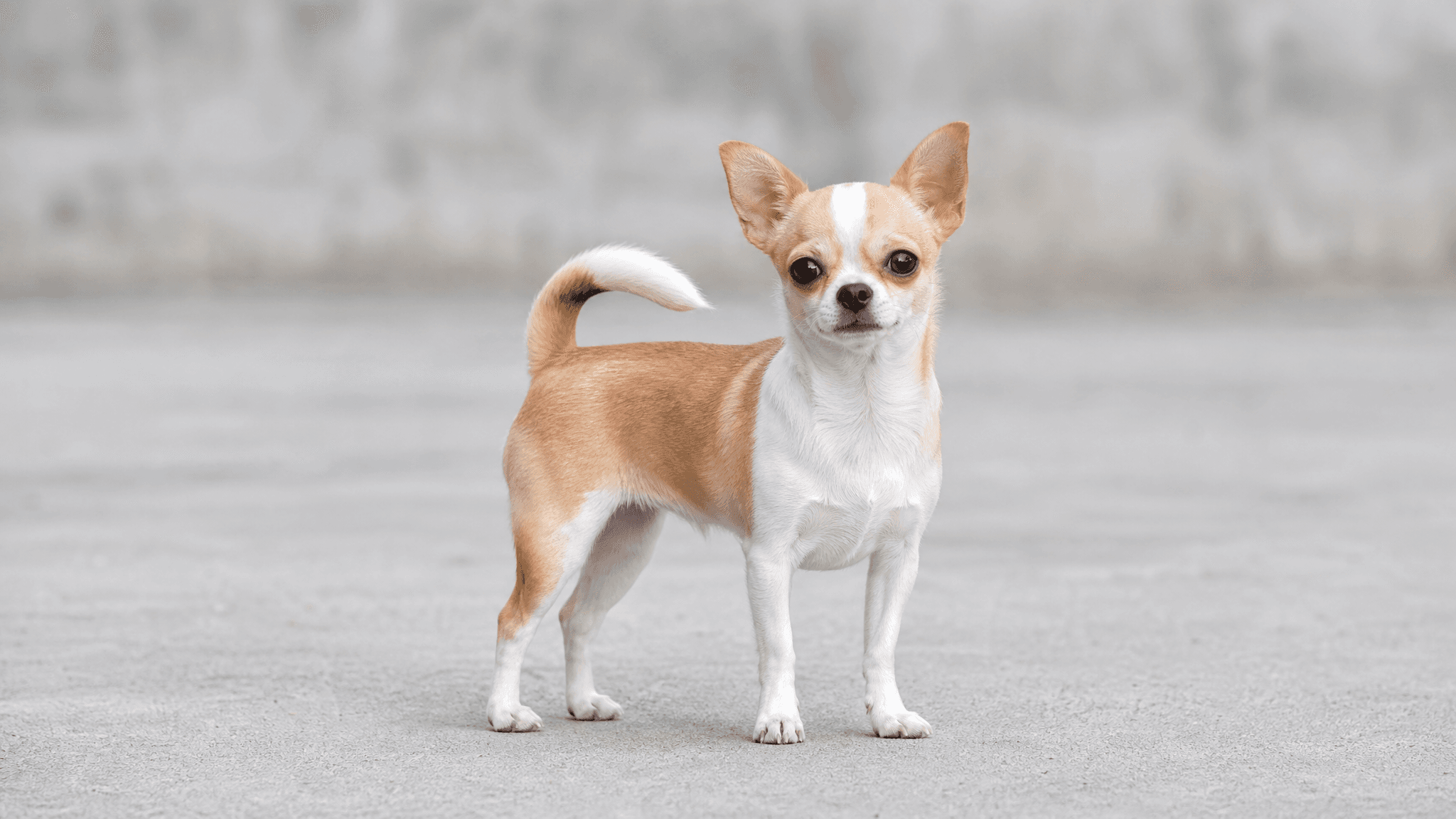
The Chihuahua is the smallest dog in the world and a national symbol of Mexico. Its ancestors are the Techichi dogs of the Aztecs, who used them in religious ceremonies. The modern breed was "rediscovered" in the Mexican state of Chihuahua in the late 19th century. It exists in two coat varieties (short and long) and two cranial types (apple head and deer head), although the FCI standard recognizes only the apple head type.
Physical Characteristics
- Size
- Toy
- Height (male)
- 15–23 cm
- Height (female)
- 15–23 cm
- Weight (male)
- 1.5–3 kg
- Weight (female)
- 1.5–3 kg
- Life Expectancy
- 14–16 years
- Coat
- Two varieties — short (smooth, shiny, and dense) or long (straight or slightly wavy, with fringes on the ears and tail)
- Common Colors
- All colors, combinations, and patterns are accepted
Temperament & Personality
The Chihuahua is a dog with a personality absolutely disproportionate to its size — brave, alert, curious, and extraordinarily devoted to its preferred owner. It frequently forms a very intense bond with a single person. It can be suspicious of strangers and large dogs. It needs early and consistent socialization to avoid fear-based and reactive aggressive behaviors. It is very intelligent and learns quickly.
Activity & Exercise
- Energy Level
- High
- Recommended Daily Exercise
- 20–30 minutes
- Suitable for Apartment
- Yes
Grooming & Care
- Grooming Needs
- Low to moderate
- Shedding
- Moderate
- Bathing Frequency
- Every 3–4 weeks
Health
- Common Health Issues
- Degenerative mitral valve disease
- Dental problems (incomplete dentition in the hairless variety due to genetic linkage)
- Hydrocephalus
- Hypoglycemia
- Legg-Calvé-Perthes disease
- Patellar luxation
- Tracheal collapse
- Recommended Health Tests
- Cardiac examination
- Eye examination
- Orthopedic evaluation
Compatibility
- With Children
- Moderate
- With Other Dogs
- Moderate
- With Cats
- Good
- For First-Time Owners
- Acceptable
Is a Chihuahua right for you?
A Chihuahua may suit you if:
- You are prepared to provide 20-30 minutes of daily exercise and engaging mental games for a high-energy companion.
- You enjoy a close, devoted bond with your pet and appreciate a constant, affectionate companion suitable for apartment living.
- You appreciate a brave, alert, and curious personality in a small package that offers immense devotion.
- You are committed to consistent early socialization and positive reinforcement training to shape a confident, well-adjusted dog.
- You are ready for low to moderate grooming needs, including regular brushing for either short or long coat varieties.
- You are willing to manage a natural wariness towards strangers and larger dogs with patience and positive introductions.
Think twice if:
- You expect a dog that will always follow commands without question, as their independent streak can be surprising.
- You have a routine that frequently leaves a dog alone for long periods, as Chihuahuas thrive on companionship.
- You have very young children or large, boisterous pets who may not understand a tiny dog's delicate nature.
- You are unwilling to commit to daily walks and mental stimulation, or regular brushing for their coat health.
- You are not prepared to secure your home to prevent escapes or accidental injury to such a small, curious explorer.
- You are uncomfortable with the delicate handling required for a toy-sized dog, especially during their energetic puppy phase.
The Chihuahua is a small dog with a big personality, offering immense devotion but demanding consistent socialization and handling. Their tiny stature belies a brave, alert spirit that thrives with attentive companionship. Be ready for a long, engaging journey of 14-16 years with this intelligent and intensely loyal friend.
Training a Chihuahua
Your little Chihuahua, despite their small stature, is a big personality with a sharp mind! They thrive on positive reinforcement, especially praise, tasty treats, and your devoted attention. Keep training sessions short, fun, and frequent – think 5-10 minutes a few times a day – to match their high energy and maintain their focus. Consistency is key, and a gentle approach works wonders. If training becomes harsh, inconsistent, or fear-based, your sensitive Chi might become anxious, reactive, or even shut down, making learning much harder.
Begin with:
- Attention to name around distractions
- Recall on a long line
- Loose-leash walking
- Leave it and drop it
- Calm greetings without jumping
- Settling on a mat or bed
- Cooperative handling for grooming, ears, feet and teeth
- Waiting at doors and gates
Protective tendencies
Chihuahuas are known for forming an extraordinarily intense bond with one person, which is lovely but can sometimes lead to them being suspicious of strangers or other dogs approaching their preferred human. Early and consistent socialization is crucial to help your Chi feel comfortable and secure in various situations.
To manage this, ensure your Chihuahua has positive experiences with a variety of people and other dogs from a young age. Reward calm, relaxed behavior when new people or animals are present. Have different family members participate in feeding, playing, and training to broaden their comfort zone and prevent over-reliance on a single person.
Leash manners
Despite their toy size, Chihuahuas have a high energy level and a brave, alert temperament. This can sometimes translate into pulling on the leash or reactivity towards perceived threats like larger dogs or unfamiliar people. It's important to teach good leash manners from the start.
Focus on positive reinforcement for loose-leash walking, making walks a pleasant experience. If your Chi tends to react to things, practice in quiet areas first and gradually introduce more distractions. A well-fitting harness is recommended to protect their delicate neck. For more guidance, check out our guide on how to train a reactive dog.
Energy and enrichment
Chihuahuas have a high energy level and are very intelligent, meaning they need both physical and mental stimulation to stay happy and well-behaved. While they only need about 20-30 minutes of exercise daily, that exercise needs to be engaging, and mental enrichment is just as vital.
If under-exercised or under-stimulated, your Chi might develop undesirable behaviors like excessive barking, destructive chewing, or even signs of separation stress if left alone too often without proper enrichment. Incorporate short training sessions, puzzle toys, and interactive games into their daily routine to keep their clever minds busy and their bodies satisfied.
Chihuahua — Frequently Asked Questions
Why do Chihuahuas have such big personalities for tiny dogs?
Chihuahuas are famously bold, opinionated, and fearless — they have no idea they're the smallest dog in the room. This confidence is part of their charm, but it also means they need clear, consistent boundaries or they can become bossy and difficult to manage. Properly socialised and trained, a Chihuahua is a fiercely loyal, funny, and intensely loving companion.
Are Chihuahuas good dogs for families with young children?
Chihuahuas need to be treated with care around very young children — their tiny size makes them vulnerable to accidental injury from rough handling, and their big personality means they'll defend themselves if they feel threatened. They can thrive in families with children who understand how to handle small dogs gently, but they're generally better suited to households with older children (8+) or adults. Socialisation from puppyhood is key.
Do Chihuahuas feel the cold, and how should I manage it?
Yes — Chihuahuas have very little body fat and a short (or long, depending on variety) single coat that provides minimal insulation. They get cold quickly and genuinely need a dog coat or sweater in cold weather, not just as a fashion statement. They should be kept indoors in cold weather as much as possible, and outdoor exercise should be brief when temperatures drop. They're not outdoor dogs and should never sleep outside in winter.
What health problems are Chihuahuas prone to?
Chihuahuas are prone to dental disease (their small jaw means teeth are crowded and tartar builds quickly — daily tooth brushing is vital), patellar luxation (kneecap slipping), heart murmurs, and hypoglycaemia in puppies and very small adults. Some Chihuahuas are also born with or develop a molera — an opening in the skull — that requires gentle handling. Annual vet check-ups and proactive dental care are the foundation of good Chihuahua health.
How long do Chihuahuas typically live?
Chihuahuas are one of the longest-lived dog breeds, often reaching 14–17 years and sometimes beyond. Their small size is a significant advantage for longevity. Regular dental care (preventing painful tooth loss and infection), maintaining a healthy weight, and annual vet check-ups all contribute to them living at the upper end of this impressive lifespan. Well-cared-for Chihuahuas in their teens are not unusual at all.
Are Chihuahuas difficult to housetrain?
Housetraining is one area where Chihuahuas can test your patience — they have tiny bladders, dislike going out in cold or wet weather, and their stubbornness can make the process slower than with larger breeds. Consistency, a regular schedule, and never punishing accidents (which sets training back) are the keys. Many Chihuahua owners find that indoor training pads help during bad weather, used alongside outdoor training to build the good habit long-term.
Are Chihuahuas good travel companions?
Chihuahuas are natural travel companions — their tiny size means they fit in airline-approved cabin bags, they adapt well to new environments when socialised early, and they love being wherever their person is. Many Chihuahua owners take them everywhere, from cafés to road trips. Just ensure they're in a properly secured carrier or harness-fitted seatbelt in the car — their small size makes them particularly vulnerable in accidents without restraint.
Do Chihuahuas need a lot of exercise?
Chihuahuas are surprisingly active for their size and enjoy exploring, but their exercise needs are modest — 20–30 minutes of daily walking is usually plenty. They get a lot of their exercise through indoor play and following their owner around the house. Be mindful of weather extremes: they need warming coats in cold weather and shouldn't be walked in hot conditions. Their small legs mean they can tire faster on long walks, so pace yourself to their capacity.
Community
Talk to real Chihuahua owners
This guide covers the breed on paper. In the app, the Chihuahua community covers it in real life: photos from other owners, questions answered by people who live with the breed, and a directory of dogs you can browse.
- Photos & pollsSee what Chihuahua owners are sharing today.
- Questions & answersAsk anything and hear from people who own one.
- Dog directoryBrowse Chihuahuas from around the world.
You join automatically when you add a Chihuahua to your profile.