Italian Spinone
Summary
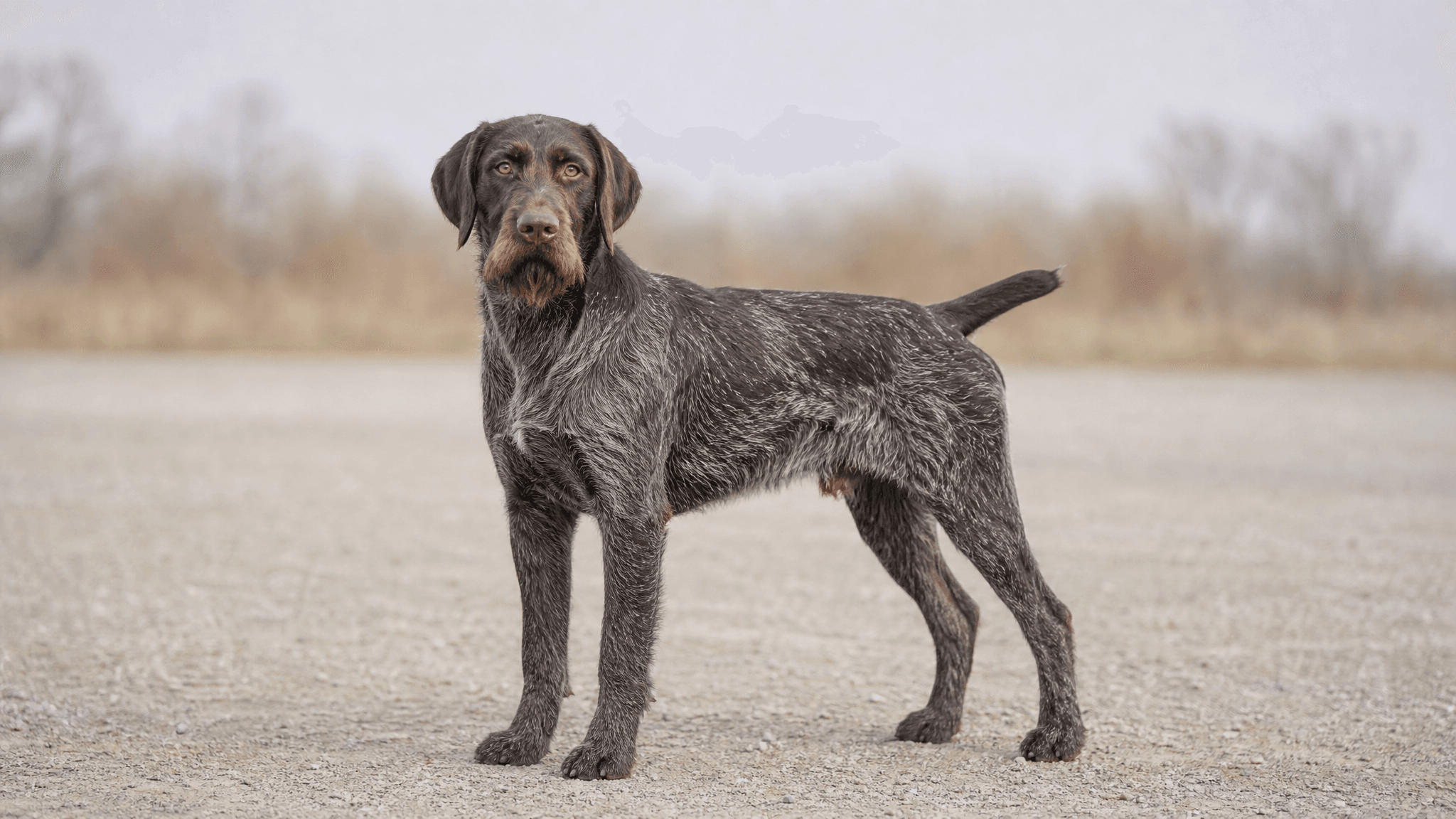
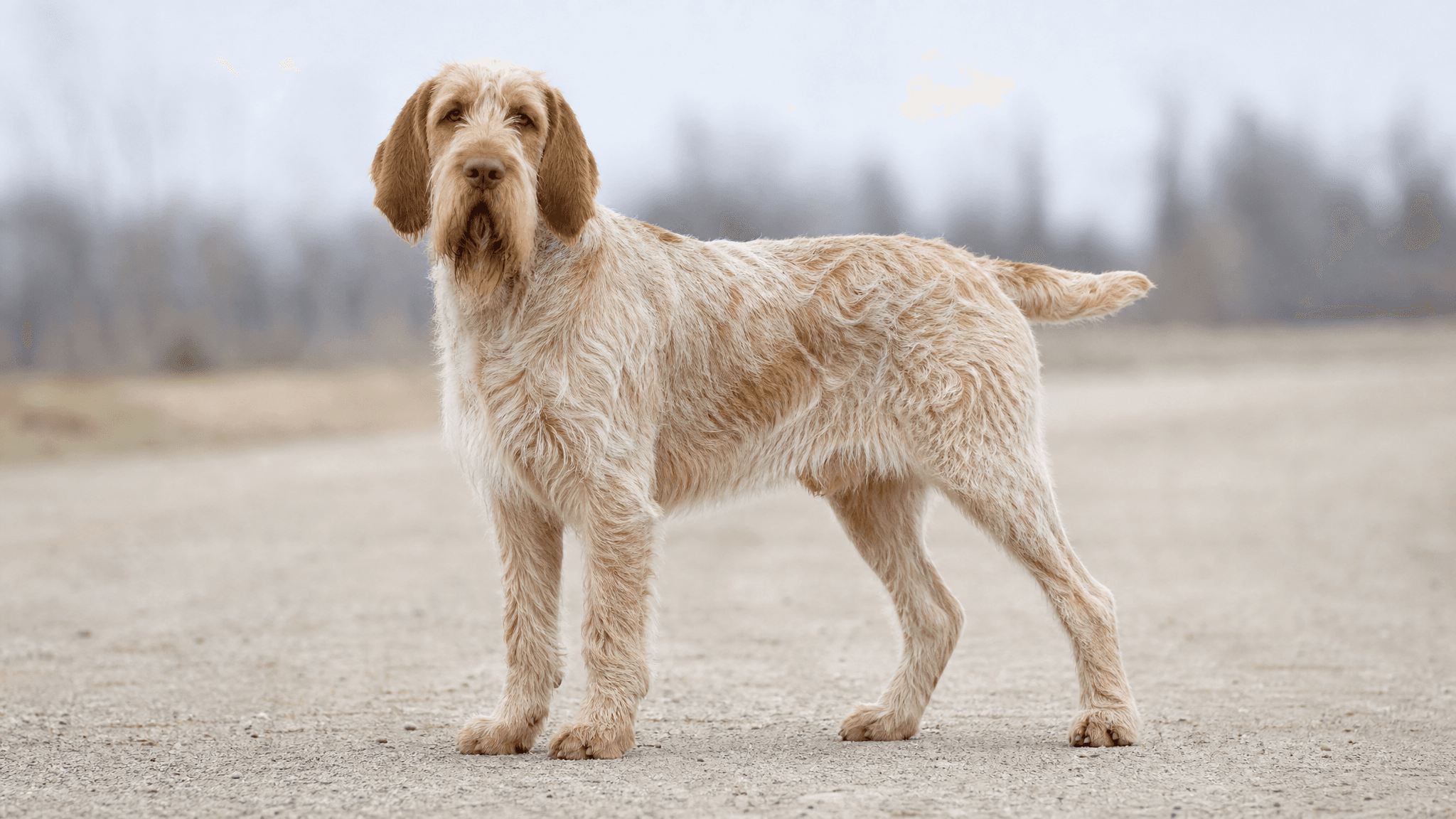
The Spinone Italiano is one of the oldest hunting breeds of Italy and possibly of Europe, with representations in Renaissance paintings from the 15th century. Its name probably derives from the thorny plant "spino" in which it worked. With its rough and thick coat, pronounced beard, and kind expression, the Spinone is a dog of unique appearance — robust but with enormous charm. It is an endurance hunting dog that works at a deliberate and methodical pace, ideal for difficult terrain and aquatic areas.
Physical Characteristics
- Size
- Large
- Height (male)
- 60–70 cm
- Height (female)
- 58–65 cm
- Weight (male)
- 32–39 kg
- Weight (female)
- 28–34 kg
- Life Expectancy
- 10–12 years
- Coat
- Thick, rough, and hard (wire); dense; with prominent eyebrows, beard, and mustache; short on the head
- Common Colors
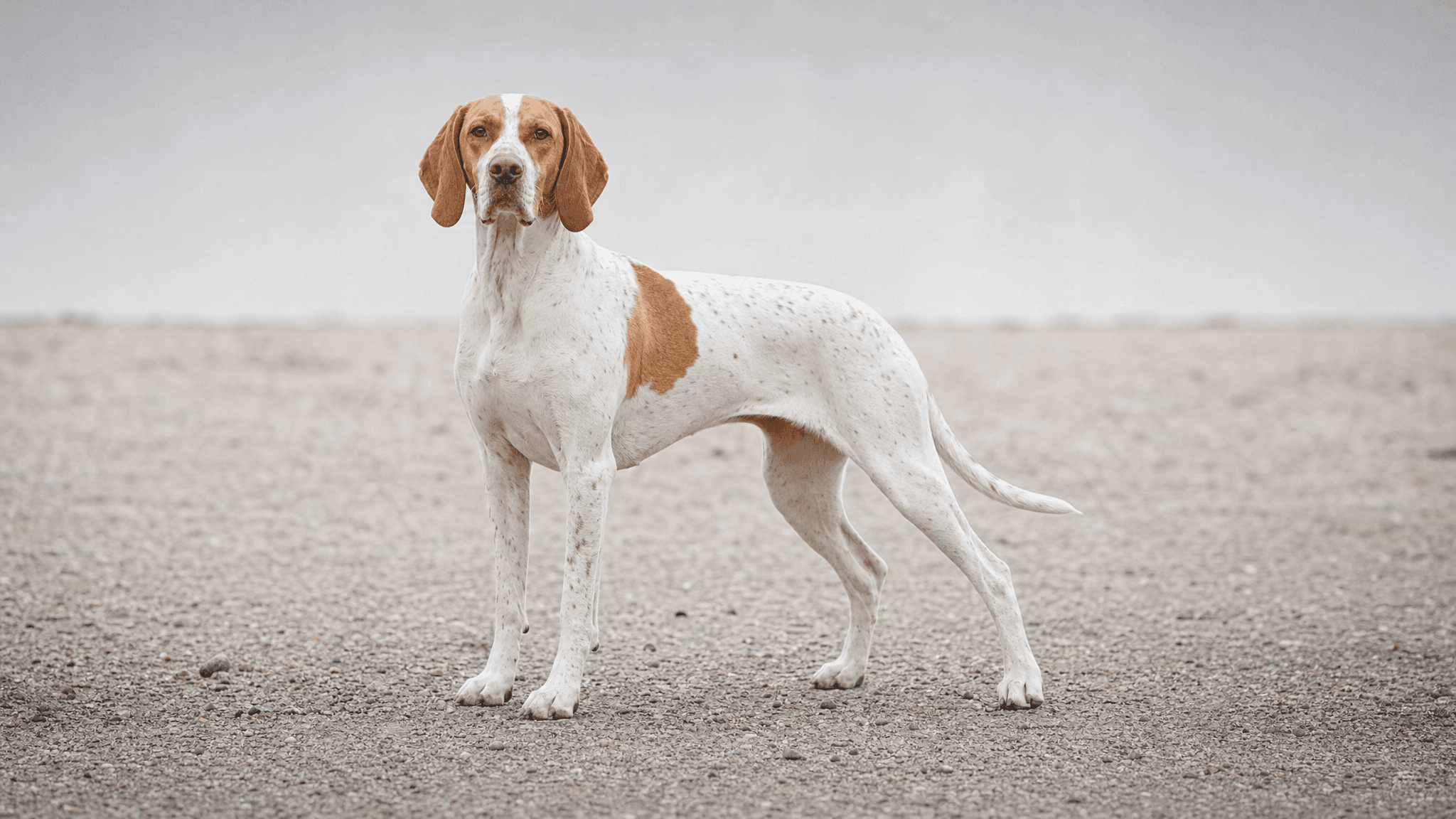
- White; white and orange; orange roan; white and brown; brown roan; with or without patches
Temperament & Personality
The Spinone Italiano is known for its exceptionally docile, patient, and sociable nature — it is often described as a dog "that never seems to be in a hurry." It is very affectionate with the family and remarkably tolerant with children and other animals. Although it is an intelligent dog, it can show a certain stubbornness that requires patience in training. It is a dog of moderate energy that prefers regular exercise but is not as demanding as other hunting dogs.
Activity & Exercise
- Energy Level
- Moderate
- Recommended Daily Exercise
- 60 minutes
- Suitable for Apartment
- Not recommended
Grooming & Care
- Grooming Needs
- Moderate
- Shedding
- Moderate
- Bathing Frequency
- Every 12 weeks
Health
- Common Health Issues
- Entropion
- Gastric dilatation-volvulus (GDV — less frequent than in larger breeds)
- Hip dysplasia
- Panosteitis (bone inflammation in young dogs)
- Recommended Health Tests
- Cardiac examination
- Eye examination
- Orthopedic hip evaluation
Compatibility
- With Children
- Excellent
- With Other Dogs
- Excellent
- With Cats
- Good
- For First-Time Owners
- Recommended
Is an Italian Spinone right for you?
An Italian Spinone may suit you if:
- You are prepared to provide at least 60 minutes of daily exercise and engaging mental stimulation for an intelligent, moderate-energy companion.
- You enjoy exploring the outdoors, as your Spinone will thrive on methodical adventures through varied terrain or even in water.
- You appreciate a calm, docile, and exceptionally patient companion who is rarely in a hurry and deeply affectionate with family.
- You are prepared to commit to consistent, patient training, understanding that their intelligence is sometimes paired with a charming stubborn streak.
- You can commit to moderate grooming, including regular care for their distinctive rough, wire coat, prominent beard, and eyebrows.
- You are willing to manage the natural instincts of a robust endurance hunting dog, even if you don't hunt.
- You are looking for a large, sociable dog that is recommended for first-time owners and integrates well into family life.
Think twice if:
- You expect immediate and unwavering obedience from your dog, as the Spinone's independent spirit and stubbornness require extra patience.
- You have a busy household where your dog would frequently be left alone, as these sociable dogs thrive on companionship.
- You are unwilling to commit to at least 60 minutes of daily exercise or regular grooming for their unique wire coat.
- You live in an apartment or prefer a very small living space, as these large dogs are not suited for apartment life.
- You are unprepared for managing a large, robust dog through its adolescent phases, despite its deliberate and methodical pace.
- You are not prepared for a substantial dog that, despite its docile nature, requires consistent guidance due to its size and hunting heritage.
The Italian Spinone offers a wonderfully docile and affectionate presence, a true family dog that moves through life with a charming, unhurried pace. Yet, beneath that patient exterior lies a robust hunting heritage and an intelligent mind that, while trainable, can certainly test your patience. Living with a Spinone means embracing this delightful tension: a calm, loving companion who still needs purposeful activity and consistent, gentle guidance to truly thrive.
Training an Italian Spinone
The Spinone Italiano is a wonderfully patient and sociable learner, thriving on positive reinforcement and your affectionate guidance. Their intelligent but sometimes stubborn nature means short, engaging training sessions are key to success. Keep things fun and consistent, using treats and praise to motivate them, as they genuinely want to please you. If training becomes repetitive or harsh, their natural "never in a hurry" temperament can lean towards stubbornness, making progress slow. Patience and understanding are your best tools to unlock their full potential and build a strong, trusting bond.
Begin with:
- Attention and response to name around distractions
- Recall on a long line
- Loose-leash walking
- Leave it and drop it
- Calm greetings without jumping
- Settling on a mat or bed
- Cooperative handling for grooming, ears, feet and teeth
- Waiting at doors and gates
Prey Drive and Recall
As a pointing breed, your Spinone has a deep-seated instinct to follow scents and pursue small game, even if they are generally good with cats at home. This strong prey drive can make recall challenging, especially in stimulating environments. It's crucial to build a rock-solid recall foundation using a long line in varied, increasingly distracting locations. Always use high-value rewards to make coming back to you the most rewarding option.
Practice recall frequently in safe, enclosed areas before venturing off-leash in open spaces. If your Spinone spots something interesting, their methodical pace might seem slow, but their focus will be intense. Consistent, positive reinforcement for returning, even if it's a little delayed, will reinforce this vital skill. Remember, patience is key with their sometimes stubborn nature. For more tips, check out our guide on how to teach a dog to come when called.
Leash Pulling
Your Spinone is a large, robust dog, and while they have moderate energy, their strength and methodical pace mean they can become quite the puller on walks if not taught otherwise. Early and consistent loose-leash training is essential to ensure enjoyable strolls for both of you. Start in a quiet area, rewarding every step they take with a loose leash, and gradually introduce distractions.
Avoid letting them practice pulling, as this only strengthens the habit. If they pull, stop walking until the leash loosens, then resume. Consider using a front-clip harness for better control without causing discomfort. For more detailed guidance, check out our guide on stopping leash pulling.
Boredom and Destructive Behavior
Despite their calm demeanor, Spinoni are intelligent dogs with moderate energy levels, requiring at least 60 minutes of daily exercise. If they don't receive enough physical activity or mental stimulation, especially if left alone for long periods, their docile nature can give way to boredom. This boredom often manifests as unwanted behaviors like chewing furniture, excessive barking, or digging.
Ensure your Spinone gets their daily walks, but also incorporate engaging activities like puzzle toys, scent work, or short training sessions throughout the day. Varied environments for walks can also provide excellent mental stimulation. A well-exercised and mentally engaged Spinone is a happy, calm companion. Our training feature can help you build a consistent routine.
Italian Spinone — Frequently Asked Questions
What is the Spinone Italiano?
The Spinone Italiano (Italian Spinone) is one of the oldest pointing breeds in Europe, with origins in Italy dating back possibly to ancient times — they are depicted in Italian Renaissance paintings. They are a large, rugged, versatile hunting dog bred to hunt, point, and retrieve game across varied and difficult terrain including dense undergrowth, water, and mountains. They are recognisable by their wiry, dense coat, prominent eyebrows and beard, and soulful, soft expression. In character they are gentle, patient, loyal, and sociable — they combine real working capability with a wonderfully calm, people-loving temperament that makes them outstanding family companions as well as hunting partners.
Are Spinone Italiano good family dogs?
Spinone Italiano are exceptional family dogs. They are famously patient, gentle, and loving — particularly wonderful with children, whom they treat with great tenderness and tolerance. They are sociable with strangers and other dogs, and their calm, even temperament makes them suitable for a wide range of households. Their size (30–37 kg) means very small toddlers should be supervised, but the Spinone's gentleness is remarkable. They need significant daily exercise but are not hyperactive indoors — they have a natural 'off switch' once their exercise needs are met. Their warm, expressive faces and affectionate nature make them irresistibly loveable companions.
How much exercise does a Spinone Italiano need?
Spinone Italiano need 1–1.5 hours of daily exercise. They are large gundogs with good stamina, originally built to work all day in the field, but they are not as high-energy as some other pointing breeds. Long walks, hiking, swimming (they love water), and off-leash exploration suit them well. They particularly enjoy nose work, tracking, field activities, and agility. Once adequately exercised, they are surprisingly calm and content indoors — they are not the kind of dog that bounces off the walls. Their steady, methodical working style carries into their general personality: patient, unhurried, and thoroughly thorough in whatever they do.
Are Spinone Italiano easy to train?
Spinone Italiano are intelligent but deliberately paced — they have a characteristically independent, methodical working style that can be misread as stubbornness. They learn well but on their own schedule. They respond best to patient, gentle, positive training with experienced handlers. They are sensitive and do not respond to harsh methods. Their working style is to think through a problem rather than immediately comply — this makes them excellent truffle dogs and field workers, but requires a trainer who appreciates their considered approach. They can achieve excellent results in gundog work, nose work, tracking, and steady-paced dog sports. Patience is rewarded richly.
What health issues affect Spinone Italiano?
Spinone Italiano have several documented health concerns. Hip and elbow dysplasia — OFA/BVA screening of parents is important for this large, heavy breed. Cerebellar Ataxia (CA) — a progressive neurological condition — has been documented in the breed; a DNA test is available and responsible breeders screen for it. Bloat (GDV) is a significant risk in this large, deep-chested breed — feed smaller meals and restrict vigorous exercise around meal times. Hypothyroidism has been noted. Ear infections are common due to heavy, pendulous ears — regular cleaning is essential. Otitis from their love of water also warrants monitoring. Regular vet check-ups are important.
How long do Spinone Italiano live?
Spinone Italiano have an average lifespan of 12–14 years — excellent for a large, heavy breed. Key longevity factors include sourcing from CA DNA-tested parents (eliminating the most serious hereditary neurological risk), hip and elbow screening, managing GDV risk through sensible feeding practices (2–3 smaller meals, no vigorous exercise within 1–2 hours of eating), regular ear cleaning and monitoring, daily exercise, maintaining a healthy weight (their large frame can be stressed by excess weight), annual vet check-ups including thyroid testing, and dental care. Spinones who receive consistent health management and appropriate exercise commonly remain active and bright into their early teens.
How do you groom a Spinone Italiano?
The Spinone Italiano's wiry, dense double coat is relatively low-maintenance. Their harsh, wire-like outer coat repels dirt and water well — they often clean themselves by rolling in grass. Weekly brushing with a stiff bristle brush or pin brush removes dead hair and prevents tangles; the beard and leg furnishings need more frequent attention. Professional hand-stripping every 6–12 months maintains the coat's correct hard texture (clipping softens the coat over time). Their distinctive beard and eyebrows need regular cleaning — the beard traps food and moisture after meals. Ear cleaning weekly is essential. Spinoni are moderate shedders — less than many large breeds.
Do Spinone Italiano drool?
Yes — the Spinone Italiano is a moderate to heavy drooler. Their loose, pendulous lips and jowls (which give them their characteristic soulful expression) also mean that saliva tends to collect and drip, particularly after drinking water, eating, or during excitement and exercise. Their beard — a characteristic feature of the breed — also traps moisture and food, which needs regular cleaning to prevent odour. If you are very house-proud and troubled by dog drool on furniture, clothing, and floors, this is an important factor to consider. Keeping a clean towel handy, wiping the beard after meals and water, and regular beard cleaning are part of life with a Spinone. For most Spinone devotees, this is a small price for the breed's exceptional character.
Community
Talk to real Italian Spinone owners
This guide covers the breed on paper. In the app, the Italian Spinone community covers it in real life: photos from other owners, questions answered by people who live with the breed, and a directory of dogs you can browse.
- Photos & pollsSee what Italian Spinone owners are sharing today.
- Questions & answersAsk anything and hear from people who own one.
- Dog directoryBrowse Italian Spinones from around the world.
You join automatically when you add a Italian Spinone to your profile.