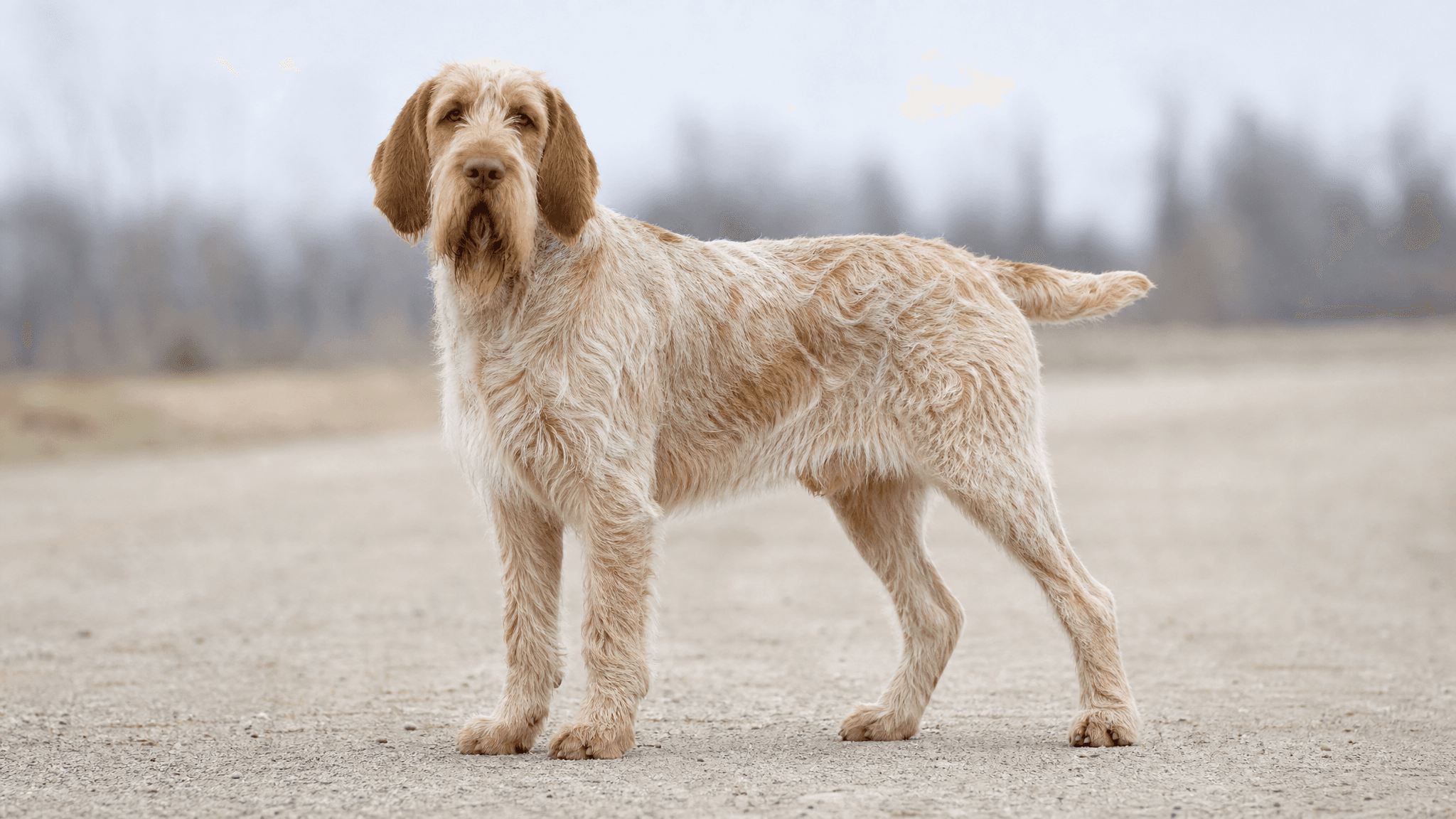
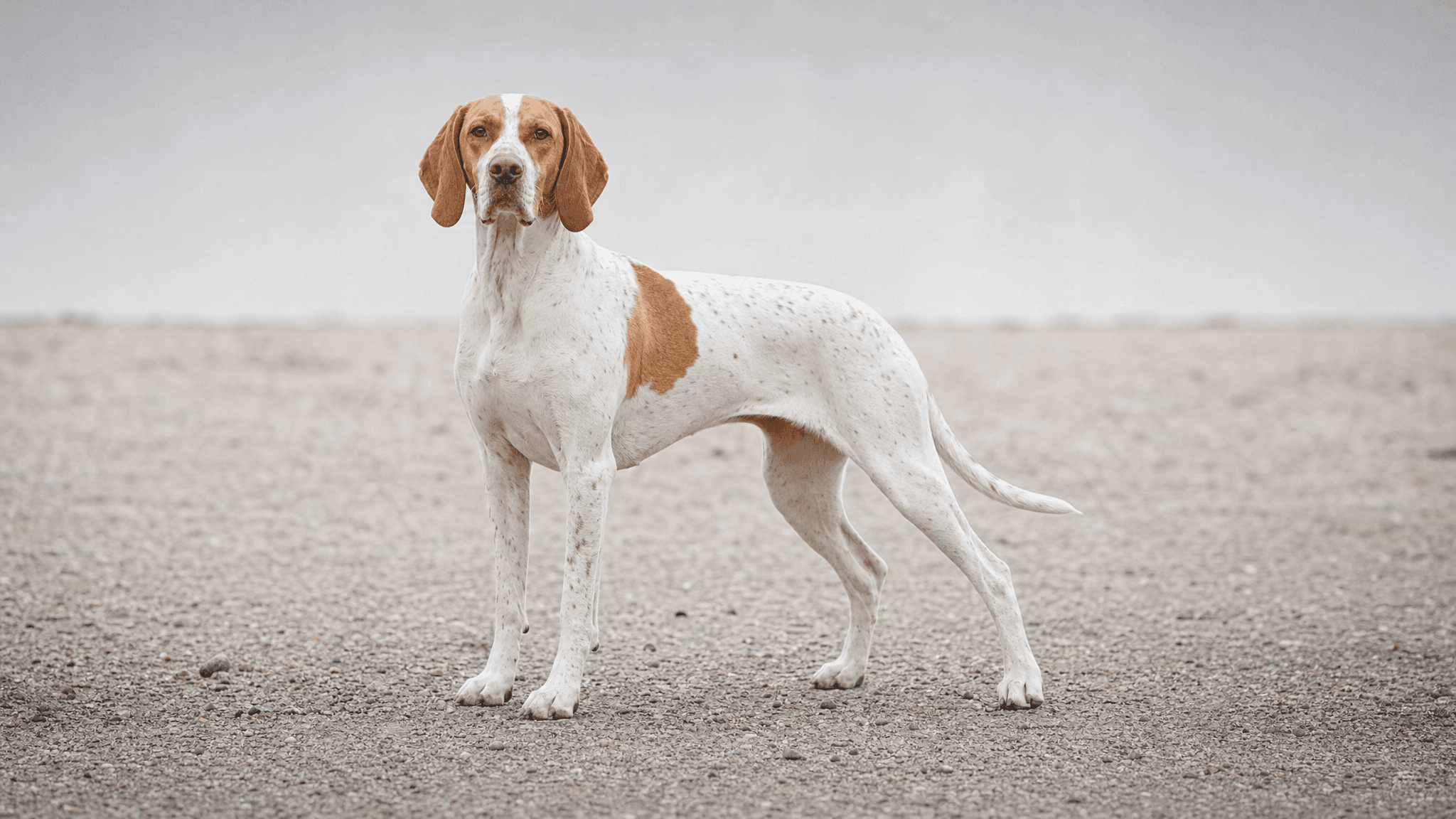
Italian Pointing Dog
Summary
The Bracco Italiano is considered the oldest European pointing dog breed, with documented references since the 4th–5th centuries BC and representations in Italian Renaissance frescoes. Bred by the Gonzaga and Medici families and offered as diplomatic gifts to nobles throughout Europe, it is the most probable ancestor of many continental and even British pointing breeds. With its unique profile — elongated head with loose skin, long pendulous ears, and muscular body — it is unmistakable.
Physical Characteristics
- Size
- Large
- Height (male)
- 55–67 cm
- Height (female)
- 55–62 cm
- Weight (male)
- 25–40 kg
- Weight (female)
- 25–40 kg
- Life Expectancy
- 10–14 years
- Coat
- Short, glossy, and fine; finer on the head, ears, and legs
- Common Colors
- White; white and orange; white and chestnut-hazel (intense or light roan); white and amber-brown
Temperament & Personality
The Bracco Italiano is a sociable, docile, and very affectionate dog with the family, but of independent character in the field. It is an excellent retriever, with a natural "soft mouth," and works both on land and in water. At home it is calm and balanced when adequately exercised. It can be slightly aloof with strangers but never aggressive. It requires space and abundant exercise given its large build and need for work.
Activity & Exercise
- Energy Level
- High
- Recommended Daily Exercise
- 90 minutes
- Suitable for Apartment
- Not recommended
Grooming & Care
- Grooming Needs
- Low
- Shedding
- Moderate
- Bathing Frequency
- Every 4–6 weeks
Health
- Common Health Issues
- Ear infections
- Entropion/ectropion
- Gastric dilatation-volvulus (GDV — less frequent than in larger breeds)
- Hip and elbow dysplasia
- Recommended Health Tests
- Cardiac examination
- Eye examination
- Orthopedic evaluation
Compatibility
- With Children
- Excellent
- With Other Dogs
- Excellent
- With Cats
- Good
- For First-Time Owners
- Acceptable
Is an Italian Pointing Dog right for you?
An Italian Pointing Dog may suit you if:
- You are prepared to provide at least 90 minutes of vigorous daily exercise, including engaging scent work and retrieving games.
- You enjoy outdoor adventures like hiking, field work, or long walks, where your dog can explore and use their natural instincts.
- You appreciate a loyal, affectionate companion who thrives on family interaction and becomes calm indoors after sufficient activity.
- You are committed to consistent, positive reinforcement training to channel their intelligence and independent spirit effectively.
- You are comfortable with moderate shedding and regular, simple grooming to keep their short, fine coat healthy and clean.
- You are willing to manage their strong prey drive and natural pointing instincts with appropriate outlets and training.
Think twice if:
- You expect immediate, unwavering obedience without understanding their independent, thoughtful nature.
- You plan for your dog to be left alone for long periods daily, as they thrive on companionship and activity.
- You are unprepared for a large, energetic dog's interactions, even if generally gentle, with very small children or timid smaller pets.
- You are unwilling to commit to at least 90 minutes of daily vigorous activity or to manage moderate shedding.
- You live in a small apartment or lack a securely fenced yard for them to safely explore and play.
- You are not prepared to handle a strong, large, and enthusiastic dog, especially during their boisterous adolescent phase.
The Bracco Italiano is a magnificent, affectionate companion who brings immense joy to an active family. While their docile nature at home is a delight, it's a direct result of their profound need for exercise and mental engagement. Their independent spirit requires a patient, consistent owner. Embrace their unique blend of loyalty and working drive, and you'll find a truly devoted friend for 10-14 years.
Training an Italian Pointing Dog
The Bracco Italiano is a highly intelligent and affectionate companion, eager to please its family, which makes training a rewarding experience. They respond best to positive reinforcement, short, engaging sessions that keep their keen minds stimulated, and a handler who is patient and consistent. Given their independent nature, especially when their instincts are engaged, harsh corrections or a lack of clear direction can quickly lead to disengagement or confusion. Keep training fun and rewarding, focusing on building a strong bond, and your Bracco will thrive, becoming a well-mannered and joyful member of your household.
Begin with:
- Attention and response to name around distractions
- Recall on a long line
- Loose-leash walking
- Leave it and drop it
- Calm greetings without jumping
- Settling on a mat or bed
- Cooperative handling for grooming, ears, feet and teeth
- Waiting at doors and gates
Recall and prey drive
As a pointing dog with a strong prey drive and an independent character in the field, your Bracco Italiano might find it challenging to resist the call of an interesting scent or movement. Start recall training in a low-distraction environment, gradually increasing the difficulty as they improve. Always use a long line for safety in open areas.
Make coming back to you the most rewarding thing ever with high-value treats and enthusiastic praise. Practice regularly to build a rock-solid recall, especially given their natural inclination to follow a scent. Remember, their "independent character in the field" means you need to be more engaging than any squirrel! Our guide on recall training can help you build this essential skill.
Leash pulling
Loose-leash walking is crucial from day one with your Bracco Italiano. Their large size and strength, weighing between 25-40 kg, mean that pulling can quickly become a real challenge for both of you. Use positive reinforcement, consistently rewarding them for walking calmly by your side.
Avoid letting them pull to get to where they want to go, as this inadvertently reinforces the behavior. Consider using a front-clip harness for better control without causing discomfort. Consistency and patience are key to teaching them good manners on walks. This force-free plan can help you address pulling effectively.
Destructive boredom
A Bracco Italiano with insufficient exercise or mental stimulation can quickly develop undesirable behaviors. With their high energy level, they need their recommended 90 minutes of daily exercise, which is crucial for their physical and mental well-being. Without it, their energy can manifest as destructive chewing, excessive barking, or general restlessness.
Ensure they have plenty of opportunities for engaging activities like scent work, retrieving games, or long walks in varied environments to keep their intelligent minds and active bodies happy. They are not suited for apartment living precisely because they require space and abundant exercise to remain calm and balanced at home. Keep them busy and they'll be your joyful, well-behaved companion.
Italian Pointing Dog — Frequently Asked Questions
What is the Bracco Italiano?
The Bracco Italiano (Italian Pointing Dog) is one of the oldest pointing breeds in Europe, with documented origins in Italy dating back to the 4th or 5th century BC. They are a large, muscular, yet elegant versatile gundog bred to hunt and point a wide variety of game across diverse Italian terrain — from mountain to marshland. They are distinctive for their long, pendulous ears, furrowed brow, and loose facial skin giving them a solemn, noble expression, combined with a soft, soulful eye. In character they are gentle, affectionate, loyal, and people-oriented — very much a dog that thrives on close human companionship as much as on fieldwork.
Are Bracco Italiano good family dogs?
Bracco Italianos are wonderful family dogs in the right home. They are gentle, patient, and deeply affectionate — particularly loving with children, whom they tend to treat with great tenderness. Their calm, sociable nature means they integrate well into family life and are generally good with other dogs. They do need significant daily exercise and are too large and energetic for very small homes or sedentary lifestyles. For active families with space who want a dog that combines real working capability with deep family warmth, the Bracco is exceptional. Their gentle expressiveness wins hearts very quickly.
How much exercise does a Bracco Italiano need?
Bracco Italianos need 1.5–2 hours of vigorous daily exercise. They are large, athletic gundogs with real stamina, originally designed to work in the field for hours on end. Long walks, off-leash running in secure areas, swimming (they love water), fetch, and fieldwork or hunt activities all suit them. They also benefit from scent work and nose activities that engage their powerful tracking instinct. Without adequate exercise, Braccos become restless and may develop destructive habits. Their size and exercise needs make them best suited to homes with outdoor space and active, outdoors-oriented owners.
Are Bracco Italiano easy to train?
Bracco Italianos are intelligent, eager to please, and very trainable when handled with the right approach. They are sensitive dogs that respond exceptionally well to patient, positive, reward-based training — they are naturally inclined to work with their handler and genuinely enjoy the training partnership. They do not respond to harsh or forceful methods, which cause them to shut down. Their gundog heritage means they have a strong nose and may get distracted by scent outdoors — but this same quality makes them exceptionally rewarding partners for any form of nose work, tracking, or hunting activity. Early socialisation is important.
What health issues affect the Bracco Italiano?
Bracco Italianos have several documented health concerns. Hip and elbow dysplasia are significant given their size — OFA/BVA screening of parents is important. Kidney disease (renal amyloidosis) is a serious concern specific to the breed — regular kidney function monitoring is recommended. Ear infections are common due to their long, pendulous ears that restrict airflow; regular ear cleaning and monitoring is essential. Bloat (GDV) is a risk in this deep-chested breed. Entropion (inrolling eyelid) has been documented. Thyroid problems occur in some lines. Responsible breeders screen for these conditions.
How long do Bracco Italiano live?
Bracco Italianos have an average lifespan of 12–14 years — good for a large breed. Key longevity factors include regular kidney function monitoring (renal amyloidosis can be managed when detected early), ear cleaning (preventing chronic infections that impact quality of life), managing GDV risk through careful feeding practices, daily vigorous exercise (maintaining lean, healthy muscle mass), OFA-tested parents for hip/elbow health, maintaining healthy weight, regular vet check-ups, and dental care. Braccos from health-tested lines who receive consistent active care and kidney monitoring can live long, healthy, joyful lives.
How do you groom a Bracco Italiano?
The Bracco Italiano's short, dense, glossy coat is very low-maintenance to groom. A weekly brush with a rubber grooming mitt or bristle brush is sufficient to remove dead hair and keep the coat shiny. They shed moderately year-round, with heavier shedding during seasonal coat changes. Ear care is their most important grooming need: the long, pendulous ears must be checked and cleaned weekly to prevent the yeast and bacterial infections they are prone to. Nails need monthly trimming. Their facial skin folds (particularly around the muzzle and brow) should be checked and cleaned regularly to prevent irritation. Overall they are a relatively easy-to-maintain breed.
Are Bracco Italiano suitable for first-time owners?
Bracco Italianos can work well for first-time owners who are active, dedicated, and prepared. Unlike many large working breeds, they are not extremely demanding in terms of handling skill or dominance management — their gentle, sensitive, cooperative nature means they don't require an experienced 'iron hand'. However, their size, exercise needs (1.5–2 hours daily), and health monitoring requirements (particularly kidney function) mean they need committed owners who are prepared for the responsibility. Joining a breed club, connecting with experienced Bracco owners, and working with a reputable breeder who provides support is strongly recommended for first-timers.
Community
Talk to real Italian Pointing Dog owners
This guide covers the breed on paper. In the app, the Italian Pointing Dog community covers it in real life: photos from other owners, questions answered by people who live with the breed, and a directory of dogs you can browse.
- Photos & pollsSee what Italian Pointing Dog owners are sharing today.
- Questions & answersAsk anything and hear from people who own one.
- Dog directoryBrowse Italian Pointing Dogs from around the world.
You join automatically when you add a Italian Pointing Dog to your profile.