Icelandic Sheepdog
Summary
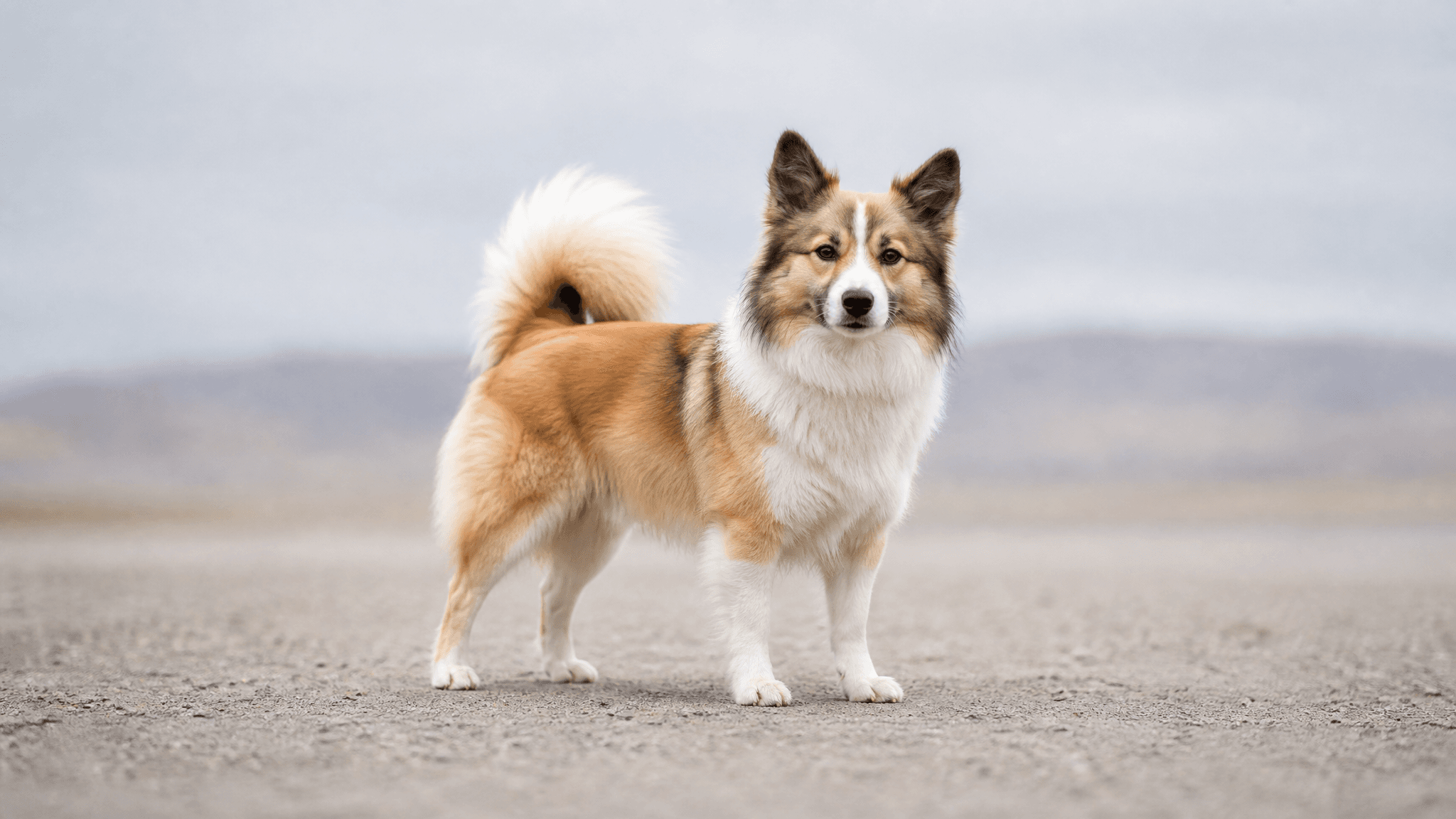
The Icelandic Sheepdog is the only native breed of Iceland, descending directly from the dogs brought by Viking settlers between the 9th and 10th centuries. It was used for centuries to herd sheep and Icelandic horses in the island's difficult geographic conditions. After nearly disappearing due to canine epidemics, it was preserved thanks to the efforts of Icelandic breeders. It is considered a national symbol of Iceland.
Physical Characteristics
- Size
- Small to medium
- Height (male)
- 46 cm
- Height (female)
- 42 cm
- Weight (male)
- 11–14 kg
- Weight (female)
- 9–12 kg
- Life Expectancy
- 12–14 years
- Coat
- Two varieties: short coat and long coat; both with coarse outer coat and dense, soft undercoat; waterproof
- Common Colors
- Fawn/yellow with white, grey with white, black with white, tricolor; white markings always present
Temperament & Personality
The Icelandic Sheepdog is one of the most cheerful, friendly, and enthusiastic dogs in the FCI. It greets everyone — family, strangers, and other animals — with the same enthusiasm and vigorously wagging tail. It is curious, intelligent, and very affectionate, but has a tendency to vocalize and to be quite active. It is not a guard dog in the traditional sense, but it announces the arrival of visitors.
Activity & Exercise
- Energy Level
- High
- Recommended Daily Exercise
- 60–90 minutes
- Suitable for Apartment
- Yes with exercise
Grooming & Care
- Grooming Needs
- Moderate to high
- Shedding
- Moderate to heavy
- Bathing Frequency
- Every 6–8 weeks
Health
- Common Health Issues
- Hereditary cataracts
- Hip dysplasia
- Hypodontia
- Patellar luxation
- Recommended Health Tests
- Dental evaluation
- Eye examination
- Hip evaluation
Compatibility
- With Children
- Excellent
- With Other Dogs
- Excellent
- With Cats
- Excellent
- For First-Time Owners
- Recommended
Is an Icelandic Sheepdog right for you?
An Icelandic Sheepdog may suit you if:
- You are eager to provide 60 to 90 minutes of engaging exercise and mental stimulation every day.
- You enjoy an active, outdoor lifestyle and are ready to include your dog in your daily adventures.
- You appreciate a cheerful, curious, and intelligent companion who greets everyone with enthusiastic affection.
- You are prepared to commit to consistent, positive training to channel their intelligence and active nature.
- You are willing to provide moderate to high grooming for their dense, waterproof double coat and moderate to heavy shedding.
- You can manage their natural tendency to vocalize and enthusiastically announce the arrival of visitors.
Think twice if:
- You expect a silent guard dog or a breed that is always perfectly biddable in every situation.
- You frequently leave your dog alone for long periods, as they thrive on constant companionship and activity.
- You are unprepared for their enthusiastic greetings towards all family members, including children and other pets.
- You are unwilling to consistently provide 60 to 90 minutes of daily exercise or commit to their grooming needs.
- You do not have a securely fenced area or are unprepared for their strong herding instincts and vocal nature.
- You are not prepared for a lively, energetic companion who requires consistent guidance through their adolescent years.
The Icelandic Sheepdog is a truly joyful and affectionate companion, bringing boundless enthusiasm and loyalty to the right home. Their vibrant spirit and intelligence mean they thrive with active engagement and consistent, loving guidance. While their vocal nature and energy require understanding, the deep bond you'll form with this unique, ancient breed is incredibly rewarding and worth every effort.
Training an Icelandic Sheepdog
Training an Icelandic Sheepdog is a joyful experience thanks to their intelligent, curious, and enthusiastic nature! These cheerful dogs thrive on positive reinforcement, responding wonderfully to praise, treats, and playful interaction. Keep training sessions short, fun, and varied to hold their attention, as their high energy and sharp minds can quickly get bored with repetition. Inconsistent cues or overly long, repetitive drills can lead to them becoming vocal or disengaged, so always aim for clear, upbeat communication and end on a high note. Remember, they are eager to please and love to learn when handled with kindness and consistency.
Begin with:
- Attention and response to name
- Recall on a long line
- Loose-leash walking
- Leave it and drop it
- Calm greetings without jumping
- Settling on a mat or bed
- Cooperative handling for grooming
- Waiting at doors and gates
Herding Instincts and Barking
Your Icelandic Sheepdog carries centuries of herding heritage, which means they have a natural inclination to chase moving objects – be it squirrels, cyclists, or even children at play. This strong instinct, combined with their tendency to vocalize and announce arrivals, can make walks challenging if not managed. Focus on teaching a rock-solid 'leave it' cue and a strong recall from a young age, practicing in increasingly distracting environments.
To manage their vocal nature, teach a 'quiet' cue by rewarding silence after a bark. Provide plenty of mental stimulation through puzzle toys and training games, as boredom often fuels excessive barking. Remember, they are not guard dogs in the traditional sense, but they love to tell you about everything!
Enthusiastic Leash Pulling
Icelandic Sheepdogs are full of high energy and enthusiasm, especially when out exploring! While they are small to medium in size (males typically 11-14 kg), their excitement can translate into surprisingly strong pulling on the leash. It's crucial to start working on loose-leash walking from the very first day, making sure to reward them frequently for keeping a slack leash.
Their friendly nature also means they greet everyone with great enthusiasm, which can often include jumping up. Teach your dog that all four paws must stay on the floor for attention, rewarding calm greetings with praise or a treat. Consistency is key here; ensure everyone who interacts with your dog reinforces the desired behavior.
Boredom and Loneliness
With their high energy level and keen intelligence, an Icelandic Sheepdog needs plenty of physical and mental stimulation. If they don't receive their recommended 60-90 minutes of daily exercise and engaging activities, they can easily become bored, leading to undesirable behaviors like excessive barking, destructive chewing, or digging. Incorporate puzzle toys, scent work, and regular training sessions into their routine to keep their minds busy.
These affectionate dogs thrive on companionship and can struggle with being left alone for long periods. They are prone to vocalizing their displeasure or developing separation-related stress. Introduce alone time gradually, starting with short intervals, and ensure they have comforting toys or chews. If you notice signs of stress when you leave, consider seeking guidance on separation training.
Icelandic Sheepdog — Frequently Asked Questions
What is the Íslenskur Fjárhundur (Icelandic Sheepdog)?
The Íslenskur Fjárhundur, or Icelandic Sheepdog, is truly a national treasure and the only native dog breed of Iceland! Descending directly from the dogs brought by Viking settlers between the 9th and 10th centuries, this small to medium-sized canine is classified in FCI Group 5 as a Nordic Watchdog and Herder. They are renowned for their incredibly cheerful, friendly, and enthusiastic nature, always ready to greet the world with a vigorously wagging tail. Curious, intelligent, and very affectionate, these dogs embody the spirit of their homeland.
What was the Íslenskur Fjárhundur (Icelandic Sheepdog) originally bred for?
These wonderful dogs were originally bred for a very important purpose in Iceland's challenging landscape! For centuries, the Icelandic Sheepdog was an indispensable partner to farmers, used to herd sheep and the famous Icelandic horses across the island's difficult geographic conditions. Their keen intelligence and agility made them perfectly suited for this demanding work. After facing near extinction due to canine epidemics, dedicated Icelandic breeders worked tirelessly to preserve this unique breed, ensuring that this living piece of Icelandic history continues to thrive today.
How much exercise does a Íslenskur Fjárhundur (Icelandic Sheepdog) need?
As a breed with a high energy level, your Icelandic Sheepdog will definitely need a good amount of exercise to stay happy and healthy! We recommend providing them with 60 to 90 minutes of activity every day. This isn't just about physical exertion; their intelligent and curious minds also thrive on mental stimulation. Think about engaging activities like long walks, playful romps in a secure yard, or even dog sports like agility. Keeping them active will help channel their enthusiasm positively and prevent boredom.
Is the Íslenskur Fjárhundur (Icelandic Sheepdog) a good family dog?
You'll be delighted to know that the Icelandic Sheepdog is absolutely wonderful with families! They are truly one of the most cheerful, friendly, and enthusiastic dogs you could ask for. Their temperament means they greet everyone – family members, strangers, and even other animals – with the same joyous enthusiasm and a vigorously wagging tail. They are incredibly affectionate and thrive on being part of the family, making them excellent companions for children and generally getting along famously with other household pets. Just be prepared for lots of happy greetings!
Is the Íslenskur Fjárhundur (Icelandic Sheepdog) easy to train?
With their intelligence and curious nature, Icelandic Sheepdogs are generally quite eager to learn and please, which makes them a joy to train! They respond beautifully to positive reinforcement and consistent guidance. However, their high energy and tendency to vocalize mean that early socialization and training are key to channeling their enthusiasm effectively. While they aren't guard dogs in the traditional sense, they will certainly announce the arrival of visitors! Their affectionate and intelligent temperament makes them very responsive, so you'll find training a rewarding experience.
What health issues are common in the Íslenskur Fjárhundur (Icelandic Sheepdog)?
Like all breeds, the Icelandic Sheepdog can be prone to certain health conditions, and being aware of these helps you provide the best care. Some documented health concerns for the breed include hereditary cataracts, which can affect their vision, and hip dysplasia, a condition affecting the hip joints. They can also experience hypodontia, which is the absence of some teeth, and patellar luxation, where the kneecap can slip out of place. Regular veterinary check-ups and choosing a responsible breeder are crucial steps in helping your furry friend live a long, healthy life.
What is the Íslenskur Fjárhundur (Icelandic Sheepdog)'s coat like and how much grooming does it need?
The Icelandic Sheepdog sports a beautiful, thick, weather-resistant coat that helped them brave the elements of their homeland. While the specific coat type isn't detailed, you can expect a coat designed for protection, which means it will require regular attention to keep it healthy and minimize shedding around your home. Brushing them several times a week, especially during seasonal shedding periods, will help remove loose hair, prevent mats, and keep their skin and coat in top condition. It's a wonderful way to bond with your cheerful companion!
What is the typical lifespan of a Íslenskur Fjárhundur (Icelandic Sheepdog)?
You'll be happy to know that the charming Icelandic Sheepdog typically enjoys a good, long life! Their average lifespan ranges from 12 to 14 years. Providing them with excellent nutrition, regular veterinary care, plenty of exercise, and a loving home environment are all key factors in helping your Icelandic Sheepdog reach the upper end of that range and beyond. With proper care and lots of affection, you can look forward to many wonderful years with your enthusiastic and loyal companion.
Community
Talk to real Icelandic Sheepdog owners
This guide covers the breed on paper. In the app, the Icelandic Sheepdog community covers it in real life: photos from other owners, questions answered by people who live with the breed, and a directory of dogs you can browse.
- Photos & pollsSee what Icelandic Sheepdog owners are sharing today.
- Questions & answersAsk anything and hear from people who own one.
- Dog directoryBrowse Icelandic Sheepdogs from around the world.
You join automatically when you add a Icelandic Sheepdog to your profile.