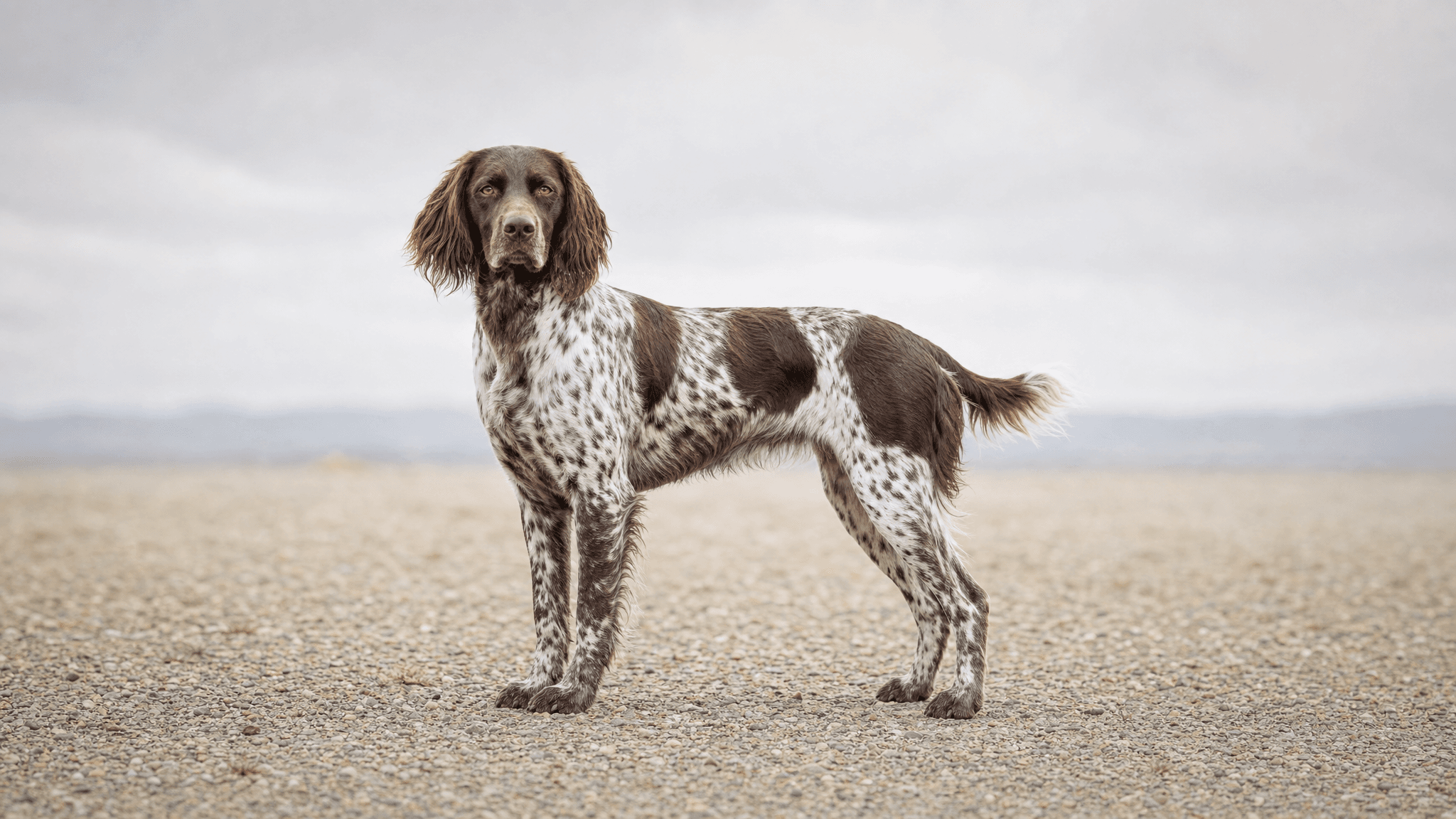
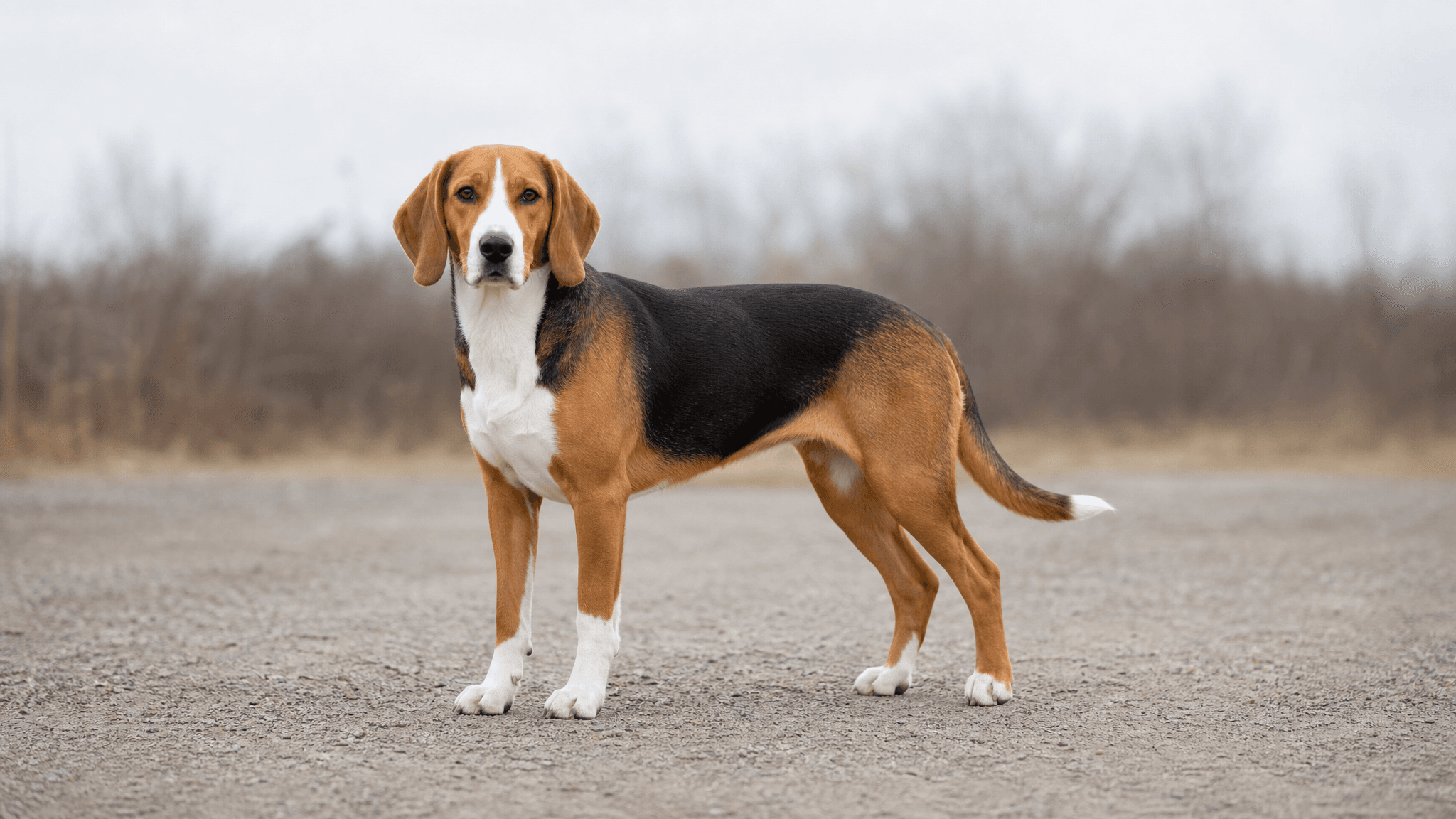
Hanoverian Scent Hound
Summary
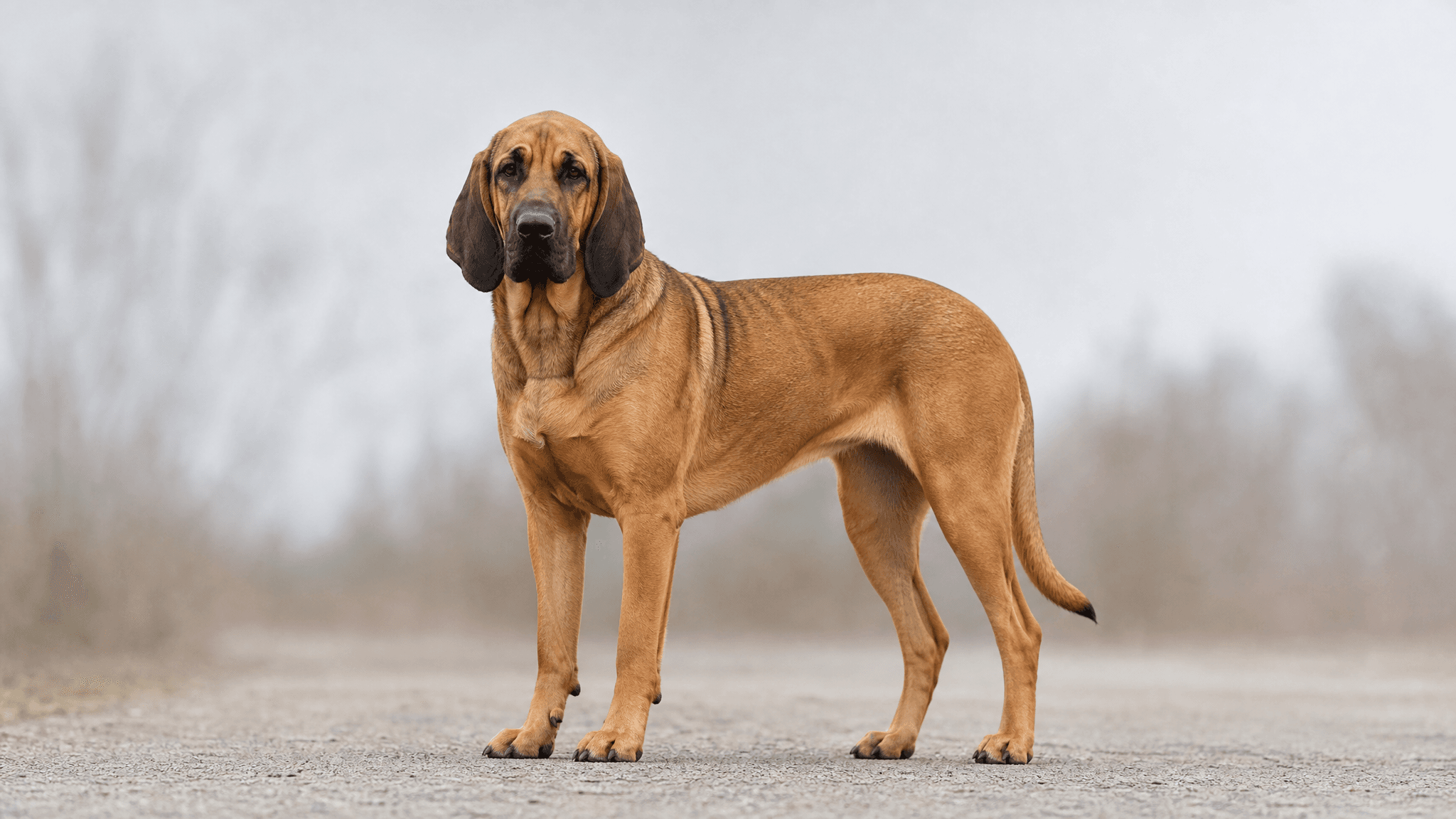
The Hanoverian Scent Hound (Hannoversche Schweisshund) is one of the largest and most specialized scent tracking dogs in the world, developed in Germany in the 19th century from the ancient Celtic scent hounds and the hunting dogs of Hanover. It is used exclusively for tracking wounded animals — especially deer, wild boar, and bears — following blood trails ("schweiss" in German) with extraordinary precision, sometimes days after the injury.
Physical Characteristics
- Size
- Large
- Height (male)
- 50–55 cm
- Height (female)
- 48–53 cm
- Weight (male)
- 38–40 kg
- Weight (female)
- 35–38 kg
- Life Expectancy
- 12–14 years
- Coat
- Short, dense, and very close-fitting; double coat
- Common Colors
- Light fawn to dark fawn, with or without dark mask; darker brindle stripes on the back are accepted
Temperament & Personality
The Hanoverian Scent Hound is a serious, calm, and highly focused dog. It is extremely loyal to its owner and works in close partnership with them. Outside of work, it is quiet and affectionate with the family, although reserved with strangers. It is a pure working breed that needs a defined function to be happy.
Activity & Exercise
- Energy Level
- Moderate to high
- Recommended Daily Exercise
- 60–90 minutes
- Suitable for Apartment
- Not recommended
Grooming & Care
- Grooming Needs
- Low
- Shedding
- Moderate
- Bathing Frequency
- Every 4 weeks
Health
- Common Health Issues
- Hip and elbow dysplasia
- Hypothyroidism
- Otitis
- Recommended Health Tests
- Orthopedic evaluation
- Thyroid examination
Compatibility
- With Children
- Good
- With Other Dogs
- Good
- With Cats
- Moderate
- For First-Time Owners
- Not recommended
Is a Hanoverian Scent Hound right for you?
A Hanoverian Scent Hound may suit you if:
- You can provide at least 60 to 90 minutes of focused exercise and mental engagement daily.
- You enjoy engaging in scent work, tracking, or other activities that challenge a dog's incredible nose.
- You appreciate a loyal, calm, and focused companion who forms a deep bond with their family.
- You are prepared to commit to consistent, positive training that harnesses their natural working drive.
- You are comfortable with moderate shedding and a straightforward grooming routine for their short, dense coat.
- You understand and are willing to manage a powerful scent drive that will lead them to follow interesting smells.
Think twice if:
- You expect immediate, perfect obedience from a dog whose instincts are geared towards independent scent work.
- You need a dog who is comfortable being left alone for extended periods throughout the day.
- You have cats or small pets and are not prepared for careful introductions and ongoing supervision.
- You are unable to consistently provide the 60 to 90 minutes of daily activity this large, energetic breed requires.
- You live in an apartment or do not have a securely fenced outdoor space for a large, active dog.
- You are not prepared to handle a strong, large dog with a powerful tracking instinct, especially during adolescence.
The Hanoverian Scent Hound is a magnificent, devoted partner for the right person. Their calm demeanor at home belies an intense working drive and a nose that demands purpose. While incredibly loyal, they require an owner who understands their specialized needs for mental stimulation and consistent guidance. Embrace their unique nature, and you'll gain an unparalleled companion for life.
Training a Hanoverian Scent Hound
Your Hanoverian Scent Hound is a truly remarkable learner, driven by an incredible sense of smell and a deep desire to work closely with you. These dogs are highly focused and loyal, thriving on partnership and positive reinforcement. Training sessions should be short, engaging, and consistent, always ending on a high note. They are motivated by praise, connection, and opportunities to use their natural abilities. If training lacks consistency, clear direction, or fails to engage their innate working drive, your Hanoverian might become frustrated or simply tune you out, making progress difficult.
Begin with:
- Responding to name amidst distractions
- Recall on a long line
- Loose-leash walking
- Leave it and drop it
- Calm greetings without jumping
- Settling on a mat or bed
- Cooperative handling for grooming
- Waiting patiently at doors and gates
Scent drive distractions
The Hanoverian Scent Hound's incredible nose is their superpower, but it can also be their biggest training challenge. Their instinct to follow a scent trail is incredibly powerful, often overriding other commands. When your dog's nose hits a compelling scent, it's like they've entered another world. To manage this, practice recall in increasingly distracting environments, starting in low-scent areas and gradually introducing more. Use a long line for safety during early recall training, ensuring you can always gently guide them back. Consider incorporating scent games into their daily routine to satisfy this innate drive constructively, making training a partnership in their natural talent. You can find more tips on recall here: How to Teach a Dog to Come When Called.
Leash pulling and strength
Given their large size and powerful build, a Hanoverian Scent Hound can easily pull an unprepared owner off their feet, especially when a tantalizing scent catches their attention. Teaching loose-leash walking from day one is crucial. Start training in a quiet area with minimal distractions, rewarding generously for every step taken without tension on the leash. If your dog starts to pull, stop immediately and wait for the leash to slacken before moving again. Consistency is key, and using a front-clip harness can provide better control without causing discomfort. Remember, their daily exercise needs are 60-90 minutes, so ensure they get ample opportunity to expend energy in appropriate ways, which will also help with leash manners. For more detailed advice, check out this guide on stopping leash pulling.
Boredom and restlessness
A Hanoverian Scent Hound is a pure working breed that thrives on having a 'job' to do. Without sufficient mental stimulation and physical exercise (around 60-90 minutes daily), they can quickly become bored, leading to undesirable behaviors such as excessive barking, destructive chewing, or general restlessness. These aren't apartment dogs; they need space and purpose. Engage them in activities that tap into their natural tracking abilities, like advanced scent work or tracking games. Puzzle toys and interactive feeders can also provide valuable mental enrichment when you can't actively train. Ensuring they have a defined function and consistent engagement will keep their intelligent minds and energetic bodies happy and well-behaved.
Hanoverian Scent Hound — Frequently Asked Questions
What is the Hannoverscher Schweisshund (Hanoverian Scent Hound)?
The Hannoverscher Schweisshund, or Hanoverian Scent Hound, is a truly remarkable and specialized breed originating from Germany in the 19th century. Developed from ancient Celtic scent hounds and the hunting dogs of Hanover, this large and powerful dog belongs to FCI Group 6, the Leash (scent) Hounds. They are renowned as one of the world's most specialized scent tracking dogs, defined by their serious, calm, and incredibly focused demeanor. Their extraordinary precision in following even the faintest blood trails makes them unique, embodying centuries of dedicated breeding for a singular, essential purpose.
What was the Hannoverscher Schweisshund (Hanoverian Scent Hound) originally bred for?
The Hanoverian Scent Hound was meticulously developed in Germany with a very specific and noble purpose: to track wounded game. These dogs are exclusively used for following blood trails, known as "schweiss" in German, with astonishing accuracy. Whether it's deer, wild boar, or even bears, they can meticulously follow a trail sometimes days after the animal was injured, ensuring humane recovery. This breed is a pure working dog, thriving when given a defined function, and their historical role as dedicated trackers of wounded animals is deeply ingrained in their very essence.
How much exercise does a Hannoverscher Schweisshund (Hanoverian Scent Hound) need?
Given their moderate to high energy levels and working dog heritage, Hanoverian Scent Hounds require a significant amount of daily exercise to stay happy and healthy. We recommend providing them with 60 to 90 minutes of physical activity each day. This isn't just about physical exertion; it's also crucial to engage their keen minds and strong scenting abilities. Long, purposeful walks, scent work, or even a secure, off-leash area where they can explore with their nose will be incredibly beneficial. Remember, a well-exercised Hanoverian is a contented Hanoverian!
Is the Hannoverscher Schweisshund (Hanoverian Scent Hound) a good family dog?
While the Hanoverian Scent Hound is a pure working breed that truly needs a defined function to be happy, they can be wonderful companions within the right family environment. They are known to be quiet and affectionate with their immediate family members, forming an extremely loyal bond with their owner. However, they are typically reserved with strangers, so early socialization is key. Their serious and calm nature means they aren't usually boisterous, but their strong scent drive means they need consistent training and mental engagement to thrive alongside children and other pets. They truly shine when they feel like a valued part of the "pack" with a job to do.
Is the Hannoverscher Schweisshund (Hanoverian Scent Hound) easy to train?
Training a Hanoverian Scent Hound can be a rewarding experience, especially if you understand their unique temperament. They are highly intelligent, serious, calm, and incredibly focused, making them very capable learners. Their strong loyalty to their owner and natural inclination to work in close partnership are huge assets in training. However, remember they are a pure working breed that needs a defined function. This means they thrive on consistent, positive reinforcement training that engages their powerful scenting abilities and gives them a "job." With patience, understanding, and a focus on their natural instincts, they can be exceptionally well-trained companions.
What health issues are common in the Hannoverscher Schweisshund (Hanoverian Scent Hound)?
Like all breeds, Hanoverian Scent Hounds can be prone to certain health conditions, and being aware of these can help you provide the best care. Documented health concerns for this breed include hip and elbow dysplasia, which are common orthopedic issues that can affect mobility. They can also be susceptible to hypothyroidism, a condition affecting the thyroid gland, and otitis, which refers to inflammation or infection of the ear. Regular veterinary check-ups, a balanced diet, and maintaining a healthy weight are all important steps to help keep your beloved Hanoverian Scent Hound in top condition.
What is the Hannoverscher Schweisshund (Hanoverian Scent Hound)'s coat like and how much grooming does it need?
The Hanoverian Scent Hound typically sports a short, dense coat that is well-suited for their demanding work in varied outdoor environments. This practical coat is generally quite low-maintenance, which is great news for busy owners! Regular brushing, perhaps once or twice a week, will usually suffice to remove loose hair, dirt, and keep their coat looking healthy and shiny. Occasional baths, as needed, will help keep them clean, especially after a long day of tracking. Their ears should also be checked and cleaned regularly to help prevent issues like otitis, given their working nature.
What is the typical lifespan of a Hannoverscher Schweisshund (Hanoverian Scent Hound)?
It's wonderful to think about the many years you'll have with your loyal companion! The typical lifespan for a healthy Hannoverscher Schweisshund, or Hanoverian Scent Hound, is generally between 12 and 14 years. Providing them with excellent nutrition, consistent veterinary care, plenty of appropriate exercise, and a loving, stimulating environment tailored to their working instincts will contribute significantly to them living a long and fulfilling life by your side. These dedicated dogs truly become cherished members of the family for many years.
Community
Talk to real Hanoverian Scent Hound owners
This guide covers the breed on paper. In the app, the Hanoverian Scent Hound community covers it in real life: photos from other owners, questions answered by people who live with the breed, and a directory of dogs you can browse.
- Photos & pollsSee what Hanoverian Scent Hound owners are sharing today.
- Questions & answersAsk anything and hear from people who own one.
- Dog directoryBrowse Hanoverian Scent Hounds from around the world.
You join automatically when you add a Hanoverian Scent Hound to your profile.