Great Swiss Mountain Dog
Summary
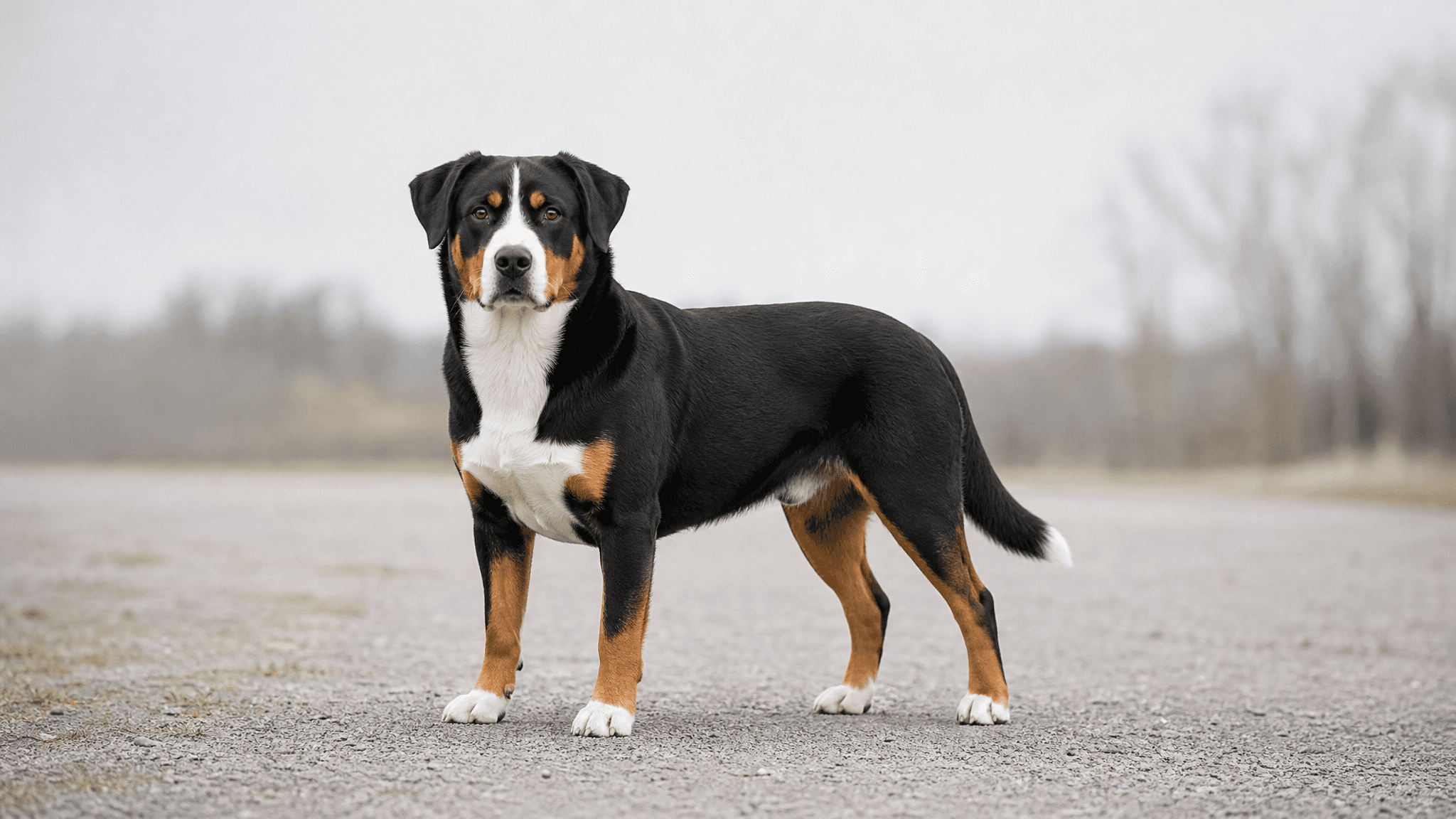
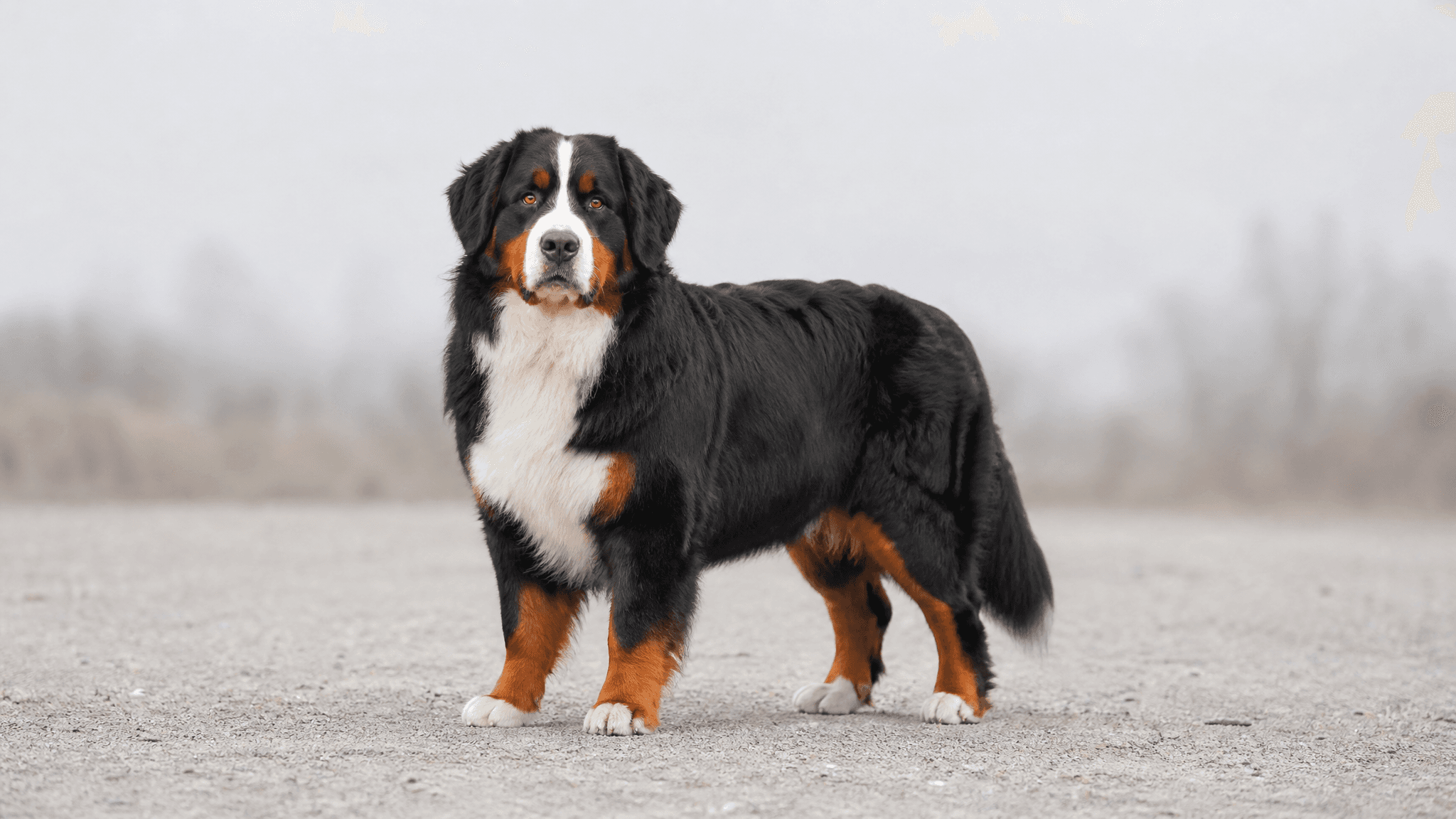
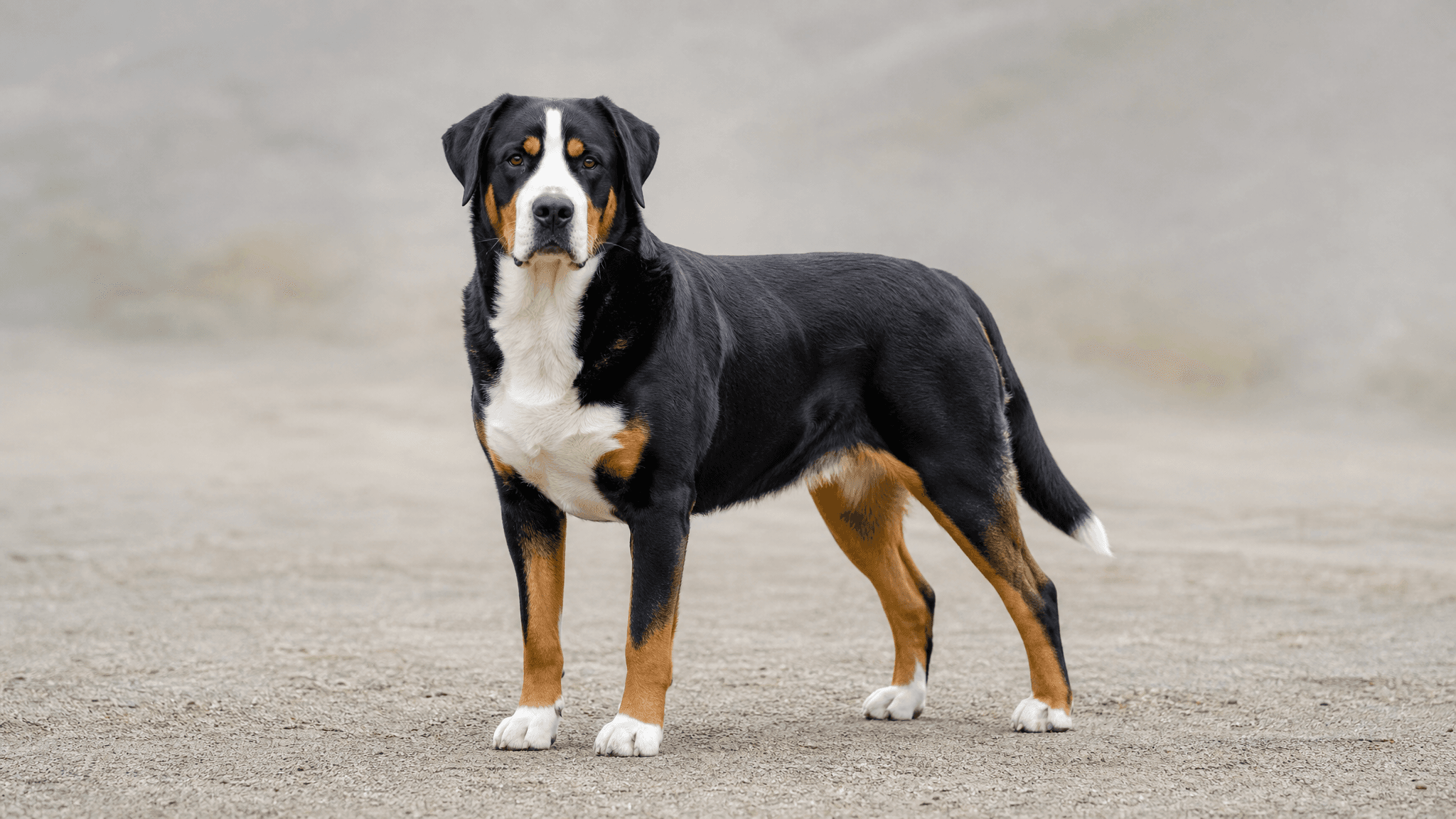
The Greater Swiss Mountain Dog is the largest and oldest of the four Sennenhunde, and also the least known internationally. Bred in the Swiss Alps to pull heavy carts, guard properties, and drive cattle, it is a dog of considerable strength combined with a surprisingly balanced temperament. Its tricolour coat — black, rust, and white — is identical to that of its smaller cousins. Professor Albert Heim rescued it from near extinction in the early 20th century, recognising it as a breed distinct from the Bernese Mountain Dog.
Physical Characteristics
- Size
- Large to giant
- Height (male)
- 65–72 cm
- Height (female)
- 60–68 cm
- Weight (male)
- 50–64 kg
- Weight (female)
- 40–55 kg
- Life Expectancy
- 8–11 years
- Coat
- Short to medium, dense; double coat with abundant undercoat
- Common Colors
- Tricolour: black base with symmetrical rust (reddish-brown) and white markings; white on the face (nose and muzzle), chest, paws, and tail tip
Temperament & Personality
The Greater Swiss Mountain Dog is confident, serene, and friendly — it has a commanding presence without ever being unnecessarily intimidating. It loves the family, is patient with children, and tends to get along well with other animals. It can have a moderate stubbornness that calls for consistency in training. It is an attentive watchdog that barks when it detects something unusual, but it is not an aggressive guard dog by nature.
Activity & Exercise
- Energy Level
- Moderate
- Recommended Daily Exercise
- 60–90 minutes
- Suitable for Apartment
- Not recommended
Grooming & Care
- Grooming Needs
- Moderate
- Shedding
- Moderate to heavy
- Bathing Frequency
- Every 6–8 weeks
Health
- Common Health Issues
- Epilepsy
- Gastric dilatation/torsion
- Hip and elbow dysplasia
- Urinary incontinence (in spayed females)
- Recommended Health Tests
- Epilepsy test
- Eye examination
- Hip and elbow X-rays
Compatibility
- With Children
- Excellent
- With Other Dogs
- Excellent
- With Cats
- Good
- For First-Time Owners
- Acceptable
Is a Great Swiss Mountain Dog right for you?
A Great Swiss Mountain Dog may suit you if:
- You can commit to providing 60 to 90 minutes of moderate exercise daily to keep your companion happy and stimulated.
- You enjoy outdoor activities with your family and appreciate a dog that thrives on having a job to do.
- You appreciate a confident, serene, and friendly companion with a commanding presence that is gentle with family.
- You are prepared to invest in consistent, patient training to guide a moderately stubborn but willing learner.
- You are prepared for moderate grooming, including regular brushing to manage their dense double coat and moderate to heavy shedding.
- You are willing to manage an attentive watchdog who will alert you with barks to anything unusual around your home.
Think twice if:
- You expect immediate and unwavering obedience from your dog without consistent, patient guidance.
- You frequently leave your dog alone for long periods or live in an apartment without ample outdoor access.
- You are not prepared to supervise a large, strong dog around very young children or particularly fragile smaller pets.
- You are unwilling to commit to daily exercise of 60-90 minutes or regular brushing for a shedding double coat.
- You live in a small apartment or lack a securely fenced yard where a large, active dog can safely roam.
- You are unable to physically manage a large, strong dog during its boisterous adolescent phase or when it exhibits stubbornness.
The Great Swiss Mountain Dog offers immense loyalty and a serene, confident presence, making them wonderful family companions for 8 to 11 years. However, their considerable size and moderate stubbornness mean they thrive with owners who are prepared for consistent training and can provide ample space and daily activity. Living with a "Swissy" is a rewarding commitment to a strong, yet gentle, giant.
Training a Great Swiss Mountain Dog
Training a Great Swiss Mountain Dog is a truly rewarding experience, as these confident, serene, and friendly giants are eager to please their beloved families. They thrive on positive reinforcement, responding best to short, fun, and consistent training sessions that keep them engaged and motivated. Given their moderate stubbornness, patience and a clear, gentle approach are key. If training becomes inconsistent or harsh, your Swissy may become resistant or disengaged, making progress much slower. Keep it positive, keep it consistent, and you'll build a strong, trusting bond.
Begin with:
- Attention and response to name around distractions
- Recall on a long line
- Loose-leash walking
- Leave it and drop it
- Calm greetings without jumping
- Settling on a mat or bed
- Cooperative handling for grooming, ears, feet and teeth
- Waiting at doors and gates
Stubbornness and Focus
Great Swiss Mountain Dogs possess a wonderful, confident temperament, but they can also exhibit a moderate stubbornness. This isn't defiance, but rather a strong will that means they need to understand the 'why' behind a command. To overcome this, make training highly rewarding and always end on a positive note. Break down complex tasks into smaller, achievable steps, and celebrate every success with praise and high-value treats.
Keep sessions short and engaging to maintain their focus, especially when introducing new concepts or working around distractions. If your Swissy seems to 'tune out,' it might be a sign they're bored or tired. A quick play break or a change of scenery can often reset their attention. Consistency from everyone in the household is vital to ensure your Swissy understands what is expected of them.
Pulling on Leash
Given their large to giant size and considerable strength, a Great Swiss Mountain Dog can easily pull an unprepared owner off their feet. Early and consistent training in loose-leash walking is absolutely essential for enjoyable walks. Start in a low-distraction environment, rewarding every step your Swissy takes with a loose leash. When they pull, stop immediately until the leash slackens, then continue walking.
Consider using a front-clip harness or a head halter, as these tools can provide better control without causing discomfort, especially while you're still teaching good leash manners. Remember that your Swissy needs 60-90 minutes of exercise daily, so mastering loose-leash walking will make fulfilling this requirement much more pleasant for both of you.
Boredom and Destructive Habits
While Great Swiss Mountain Dogs have a moderate energy level, they still require adequate physical and mental stimulation to prevent boredom. If under-exercised or left alone for extended periods without enrichment, they may resort to destructive chewing, excessive barking (as attentive watchdogs), or other undesirable behaviors. They are not recommended for apartment living precisely because they need space and activity.
Ensure your Swissy receives their recommended 60-90 minutes of daily exercise, which can include walks, playtime, or training sessions. Provide puzzle toys, chew toys, and engage them in brain games to keep their intelligent minds occupied. If you notice signs of stress when left alone, like excessive panting or pacing, our guide on separation stress can offer helpful insights and strategies.
Great Swiss Mountain Dog — Frequently Asked Questions
What is the Grosser Schweizer Sennenhund (Great Swiss Mountain Dog)?
The Grosser Schweizer Sennenhund, or Great Swiss Mountain Dog, is a magnificent breed originating from the stunning Swiss Alps. As the largest and oldest of the four Sennenhunde breeds, it belongs to the FCI Group 2, which includes Swiss Mountain and Cattledogs. These gentle giants are instantly recognizable by their striking tricolour coat of black, rust, and white, which is a hallmark of the Sennenhund family. They possess a truly commanding presence, exuding confidence and serenity, yet are known for their friendly and balanced temperament, making them truly special companions.
What was the Grosser Schweizer Sennenhund (Great Swiss Mountain Dog) originally bred for?
The Grosser Schweizer Sennenhund boasts a rich working history deeply rooted in the Swiss Alps. These incredibly strong and versatile dogs were originally bred for a variety of essential tasks that supported mountain life. Their primary roles included pulling heavy carts, making them invaluable for transporting goods across challenging terrain. They also served as vigilant guardians, protecting properties with their attentive nature, and were skilled at driving cattle. Professor Albert Heim played a crucial role in rescuing this distinct breed from near extinction in the early 20th century, ensuring its legacy continues today.
How much exercise does a Grosser Schweizer Sennenhund (Great Swiss Mountain Dog) need?
Despite their large size, Grosser Schweizer Sennenhunds have a moderate energy level, meaning they don't require an excessive amount of exercise, but consistent activity is key to their well-being. To keep your Great Swiss Mountain Dog happy and healthy, you should aim for approximately 60 to 90 minutes of exercise each day. This can be broken into walks, playtime in a secure yard, or even some light hiking. Regular physical activity helps maintain their strong physique and keeps their minds stimulated, preventing boredom and ensuring they remain the serene companions you love.
Is the Grosser Schweizer Sennenhund (Great Swiss Mountain Dog) a good family dog?
Absolutely! The Grosser Schweizer Sennenhund makes a truly wonderful family dog, known for its loving and patient nature. They are incredibly devoted to their families and display a remarkable patience with children, often forming strong, protective bonds. Their confident, serene, and friendly temperament means they tend to get along very well with other animals too, making them a harmonious addition to multi-pet households. While they have a commanding presence, it's never intimidating, ensuring they are gentle and reliable companions for everyone in the home, bringing joy and a sense of security.
Is the Grosser Schweizer Sennenhund (Great Swiss Mountain Dog) easy to train?
The Grosser Schweizer Sennenhund is an intelligent and attentive breed, which generally makes them quite trainable, though they do possess a moderate stubbornness that calls for consistency. Their serene and confident temperament means they respond best to positive reinforcement and clear, firm guidance. Early socialization and consistent training are vital to harness their potential and ensure they grow into well-behaved adults. As natural watchdogs, they are quick to detect anything unusual and will bark to alert you, making them excellent, albeit sometimes vocal, protectors of their home and family.
What health issues are common in the Grosser Schweizer Sennenhund (Great Swiss Mountain Dog)?
Like many large breeds, the Grosser Schweizer Sennenhund can be prone to certain health concerns, and being aware of these can help you provide the best care. Some documented health issues include hip and elbow dysplasia, which affect joint development, and gastric dilatation/torsion, often known as bloat, a serious condition requiring immediate veterinary attention. Epilepsy is another concern, as is urinary incontinence, particularly in spayed females. Regular veterinary check-ups and proactive care, including a healthy diet and appropriate exercise, are crucial for managing these risks and ensuring your beloved companion lives a long, happy life.
What is the Grosser Schweizer Sennenhund (Great Swiss Mountain Dog)'s coat like and how much grooming does it need?
The Grosser Schweizer Sennenhund is distinguished by its beautiful tricolour coat, featuring striking patches of black, rust, and white. This iconic coloration is identical to that of its smaller Sennenhund cousins and is a defining characteristic of the breed. While the curated information doesn't specify the exact grooming frequency, for a dog of this size with a dense coat, regular brushing is generally beneficial. It helps to keep their coat healthy, clean, and free of loose hair, contributing to their overall well-being and ensuring they always look their magnificent best. Standard care will keep them comfortable and looking splendid.
What is the typical lifespan of a Grosser Schweizer Sennenhund (Great Swiss Mountain Dog)?
It's wonderful to consider the long-term commitment when welcoming a Grosser Schweizer Sennenhund into your family. These magnificent dogs typically enjoy a lifespan of approximately 8 to 11 years. Providing them with excellent nutrition, regular veterinary care, appropriate exercise, and a loving environment can contribute significantly to their health and longevity. Cherishing every moment with your Great Swiss Mountain Dog means understanding their needs and ensuring they receive the best possible care throughout their lives, allowing you to enjoy many happy years together with your loyal companion.
Community
Talk to real Great Swiss Mountain Dog owners
This guide covers the breed on paper. In the app, the Great Swiss Mountain Dog community covers it in real life: photos from other owners, questions answered by people who live with the breed, and a directory of dogs you can browse.
- Photos & pollsSee what Great Swiss Mountain Dog owners are sharing today.
- Questions & answersAsk anything and hear from people who own one.
- Dog directoryBrowse Great Swiss Mountain Dogs from around the world.
You join automatically when you add a Great Swiss Mountain Dog to your profile.