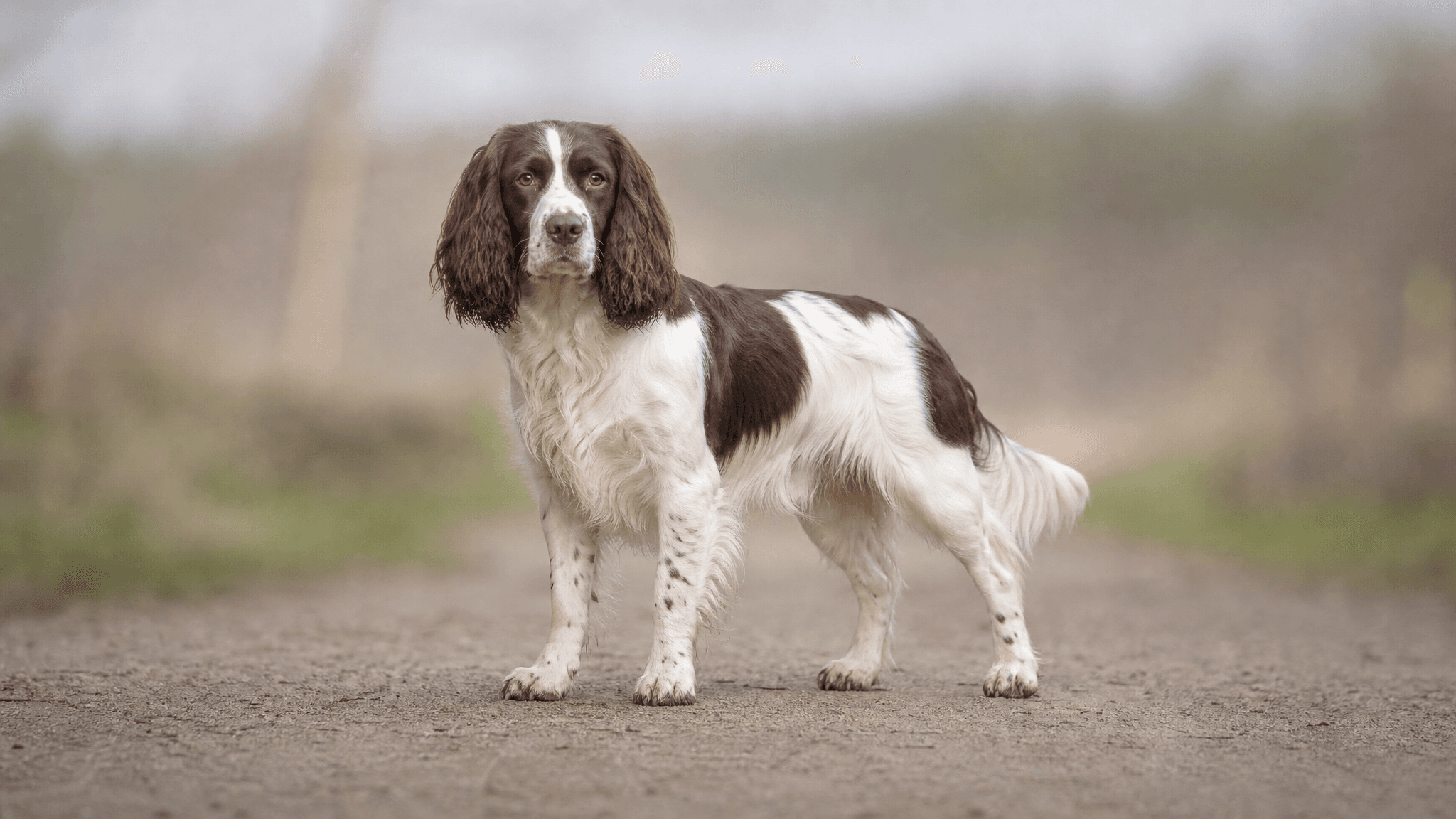
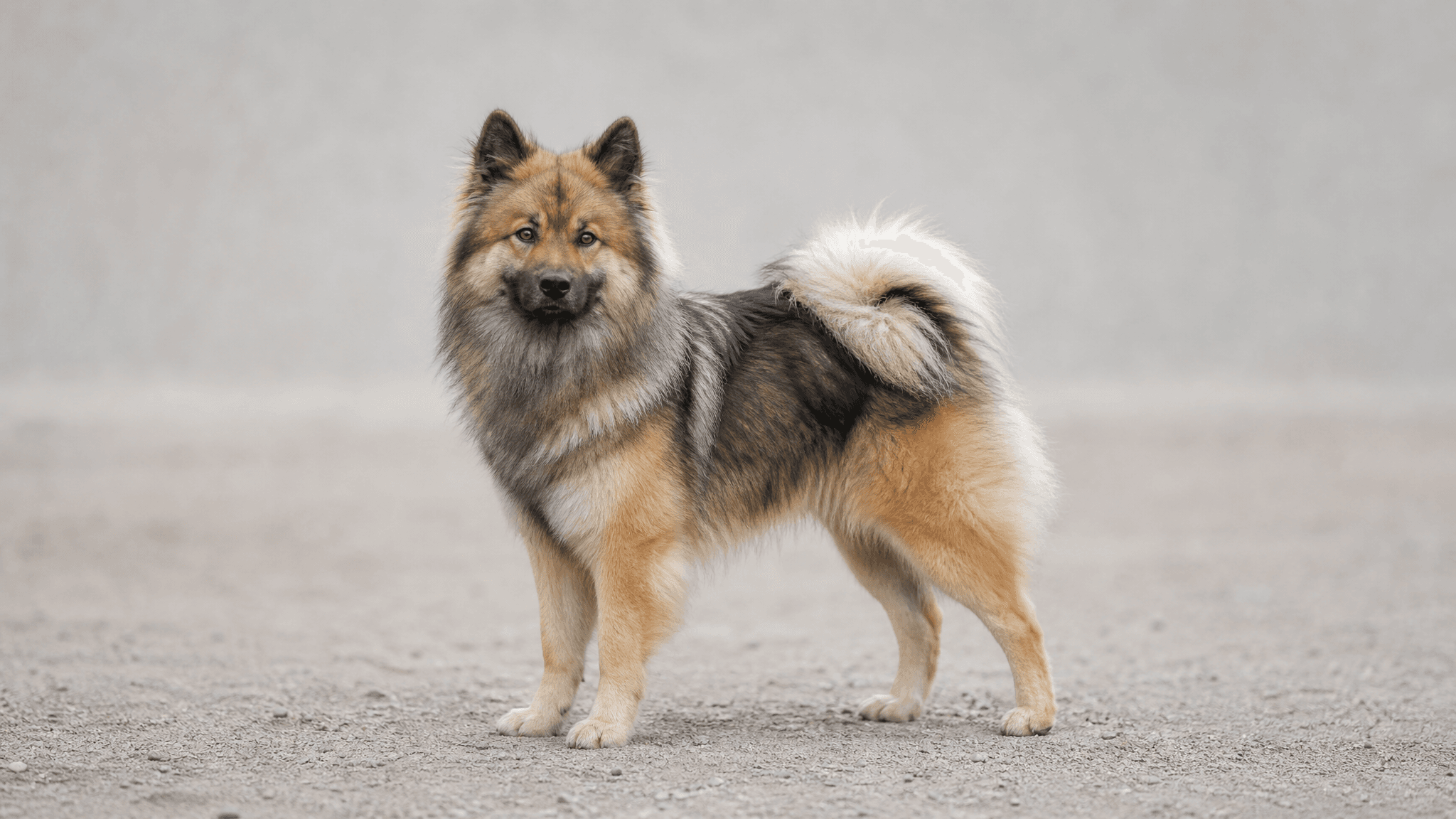
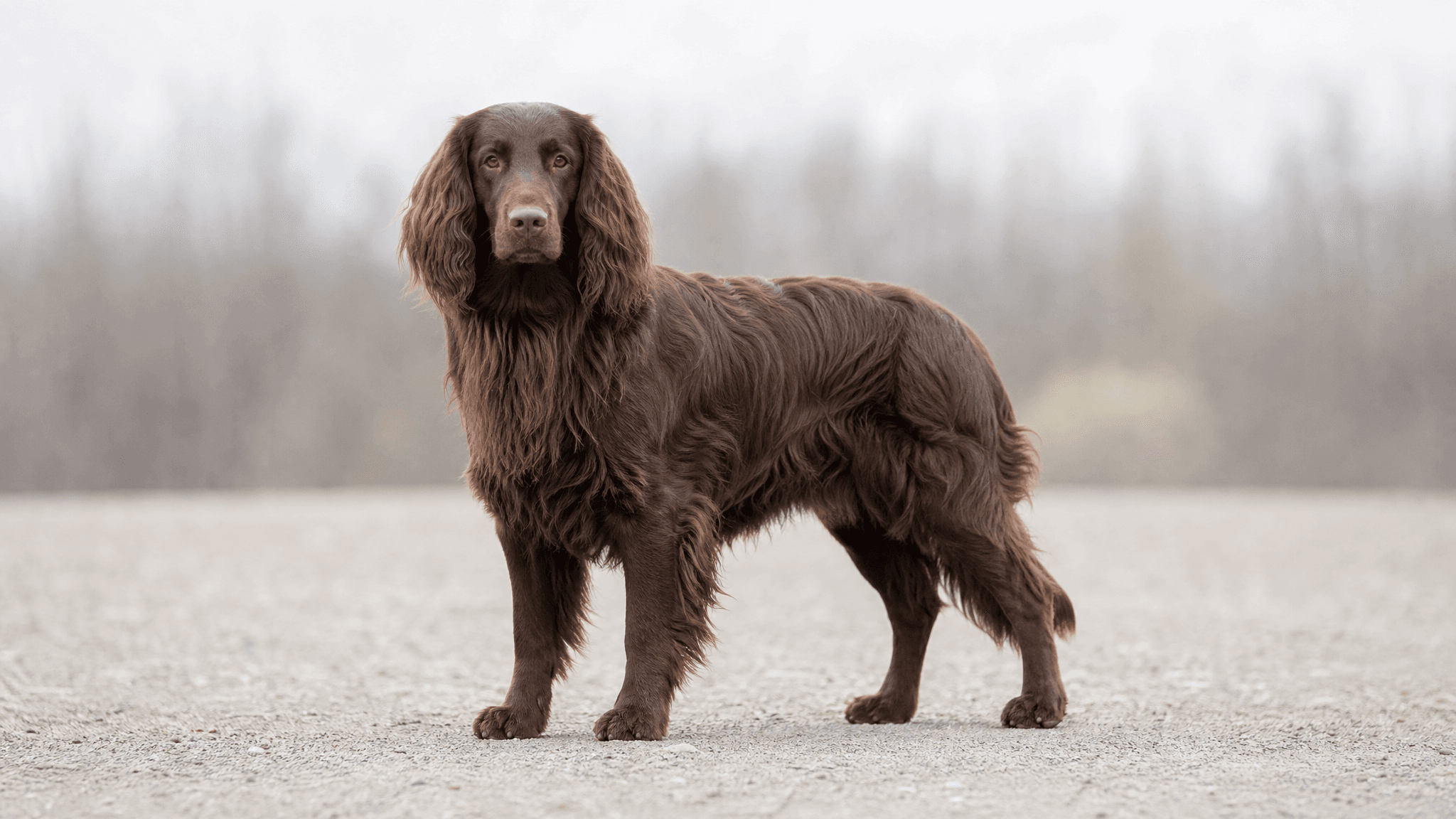
German Spaniel
Summary
The German Spaniel, known in Germany as Deutscher Wachtelhund (literally "German quail dog"), is a versatile hunting dog breed developed around 1890 by German hunters who wanted a superior flushing and retrieving dog for use in dense forests. It descends from the old Stöberer (tracking/search dog) and is almost exclusively found in the hands of hunters in Germany. Its tracking ability is comparable to that of a Bloodhound.
Physical Characteristics
- Size
- Medium
- Height (male)
- 48–54 cm
- Height (female)
- 45–52 cm
- Weight (male)
- 18–25 kg
- Weight (female)
- 18–25 kg
- Life Expectancy
- 12–14 years
- Coat
- Long, wavy, and dense; weather-resistant; with feathering
- Common Colors
- Solid dark brown or brown with white patches; brown roan
Temperament & Personality
The Deutscher Wachtelhund is an intense, enthusiastic, and resilient working dog with very pronounced hunting instincts. It is affectionate with its family but extremely focused and determined at work. It is not a typical companion breed — it is bred exclusively for hunters and game reserve wardens. Outside the working context, it can be difficult to manage without sufficient exercise and mental stimulation.
Activity & Exercise
- Energy Level
- Very high
- Recommended Daily Exercise
- 90–120 minutes
- Suitable for Apartment
- Not recommended
Grooming & Care
- Grooming Needs
- Moderate
- Shedding
- Moderate
- Bathing Frequency
- Every 4–8 weeks
Health
- Common Health Issues
- Dermatitis
- Hip dysplasia
- Joint problems
- Otitis
- Recommended Health Tests
- Eye examination
- Hip radiography
- Regular ear checking
Compatibility
- With Children
- Good
- With Other Dogs
- Good
- With Cats
- Can be difficult
- For First-Time Owners
- Not recommended
Is a German Spaniel right for you?
A German Spaniel may suit you if:
- You can commit to providing 90 to 120 minutes of vigorous daily exercise and engaging mental challenges.
- You enjoy outdoor activities like tracking, hiking, or field work that tap into their strong hunting instincts.
- You appreciate a dog with an intense, focused, and determined personality, especially when engaged in tasks.
- You are prepared to invest in consistent, experienced training to channel their keen intelligence and working drive.
- You are prepared for moderate grooming, including regular brushing of their dense, wavy, feathered coat.
- You are willing to manage and work with a dog that possesses very pronounced hunting and tracking instincts.
Think twice if:
- You expect a dog that will always be eager to please and easily biddable in all situations.
- You have a busy schedule that frequently leaves a dog alone for long periods during the day.
- You have cats in your household, as their strong prey drive can make cohabitation challenging.
- You are unable to provide at least 90 minutes of vigorous physical activity and mental engagement daily.
- You live in an apartment or do not have a securely fenced outdoor space for them to explore.
- You are a first-time dog owner seeking an easy-to-manage companion without significant prior experience.
The German Spaniel is a magnificent, dedicated partner for the right person. Their intense working drive and affectionate nature create a unique bond, but this comes with a significant commitment. They thrive when their instincts are channeled, demanding consistent engagement to be a happy, well-adjusted family member. Be ready for an active life, and you'll gain an unparalleled companion.
Training a German Spaniel
Your German Spaniel is a highly intelligent and intensely focused learner, driven by its strong working instincts. These dogs thrive on engaging, positive reinforcement sessions that are kept short, fun, and consistent. They respond best to clear communication and rewards that tap into their natural drives, like a quick game of retrieve. If training lacks consistency, sufficient mental stimulation, or understanding of their pronounced hunting instincts, a German Spaniel can quickly become bored or frustrated, leading to unwanted behaviours as they seek their own 'work'.
Begin with:
- Attention and response to name around distractions
- Reliable recall, on a long line at first
- Loose-leash walking
- Leave it and drop it
- Calm greetings without jumping
- Settle on a mat or bed
- Cooperative handling for grooming, ears, feet and teeth
- Waiting at doors and gates
Prey drive and recall
The German Spaniel's tracking ability is legendary, comparable to a Bloodhound, and its prey drive is profoundly strong. This means a squirrel or scent trail can easily override even the best-trained recall. Always prioritize safety by keeping your Wachtelhund on a leash or long line in unfenced areas, especially during the crucial 12-14 years of their lifespan. Practice recall in increasingly distracting environments, starting with low-distraction areas and gradually building up, always using high-value rewards. Teach a strong 'watch me' command to redirect their focus when you anticipate a potential trigger. Consistency is key to building a reliable recall, even against their powerful instincts. For more in-depth guidance, check out our article on how to teach a dog to come when called.
Strong leash manners
With their medium size, strength, and very high energy, German Spaniels can be formidable pullers on the leash, especially when their hunting instincts kick in. To manage this, ensure your dog receives their recommended 90-120 minutes of daily exercise, ideally incorporating varied activities like scent work or retrieving games before walks to help burn off some energy and mental focus. Invest in a well-fitting front-clip harness or head halter for better control, and consistently practice loose-leash walking from a young age. Reward calm walking beside you, making yourself more interesting than the environment. Our guide on stopping leash pulling offers a force-free plan to help you achieve this.
Managing high energy
A German Spaniel that isn't sufficiently exercised or mentally stimulated will quickly find its own 'work,' which often manifests as destructive chewing, excessive barking, or relentless searching for activity. These dogs are not suited for apartment living and require a dedicated owner who can meet their high energy demands. Beyond physical exercise, incorporate daily mental challenges like puzzle toys, scent games, or obedience training sessions. Consider engaging in dog sports like agility or tracking to channel their natural drives constructively. Providing a rich, stimulating environment is crucial for their well-being and preventing unwanted behaviours. Our training feature can help you structure a consistent routine.
German Spaniel — Frequently Asked Questions
What is the Deutscher Wachtelhund (German Spaniel)?
The Deutscher Wachtelhund, affectionately known as the German Spaniel, is a medium-sized, versatile hunting dog originating from Germany around 1890. Bred by German hunters, this breed excels as a flushing and retrieving dog, particularly in dense forests. They are part of FCI Group 8, the Flushing Dogs. Known for their intense enthusiasm and resilience, these dogs possess very pronounced hunting instincts. Their tracking ability is truly remarkable, often compared to that of a Bloodhound! While they are affectionate with their families, their defining characteristic is their unwavering focus and determination when working, making them a truly dedicated partner in the field.
What was the Deutscher Wachtelhund (German Spaniel) originally bred for?
The Deutscher Wachtelhund was specifically developed around 1890 by German hunters with a very clear purpose in mind: to create a superior flushing and retrieving dog, especially adept at navigating and working in dense forests. Descending from the old Stöberer, a type of tracking and search dog, they inherited incredible scenting abilities. These dogs are not just good at their job; they are truly exceptional, with a tracking prowess often likened to that of a Bloodhound! This breed is almost exclusively found in the hands of dedicated hunters and game reserve wardens, a testament to their specialized and highly valued working capabilities.
How much exercise does a Deutscher Wachtelhund (German Spaniel) need?
These energetic companions have a very high energy level, so they definitely need a significant amount of exercise to stay happy and healthy! We recommend providing your Deutscher Wachtelhund with a good 90 to 120 minutes of vigorous activity every single day. This isn't just about physical exertion; it's also crucial for their mental well-being. Without enough exercise and mental stimulation, their intense working drive can make them quite challenging to manage. Think long walks, engaging playtime, or even better, activities that tap into their natural hunting instincts like scent work or retrieving games. Keeping them active is key to a harmonious home!
Is the Deutscher Wachtelhund (German Spaniel) a good family dog?
While the Deutscher Wachtelhund can be affectionate with its immediate family, it's important to understand that this breed is not typically considered a companion dog in the traditional sense. They are bred almost exclusively for hunters and game reserve wardens, possessing an extremely focused and determined working drive. Their very pronounced hunting instincts mean they might not be the easiest fit for homes with small children or other pets, especially those they might perceive as prey. If you're considering one for a family, be prepared for extensive training, socialization, and ensuring their high exercise and mental stimulation needs are met to help them thrive in a home environment.
Is the Deutscher Wachtelhund (German Spaniel) easy to train?
The Deutscher Wachtelhund is an incredibly intelligent and highly trainable breed, but their trainability comes with a caveat: they are intense, enthusiastic, and resilient working dogs with very pronounced hunting instincts. This means they are extremely focused and determined when given a task, which is fantastic for their intended purpose in the field. However, for a pet owner, this intensity requires a dedicated and consistent training approach. They thrive on having a job to do and need mental stimulation as much as physical exercise. While they can certainly learn, their strong drive means training must be engaging and channel their natural instincts productively.
What health issues are common in the Deutscher Wachtelhund (German Spaniel)?
Like all breeds, the Deutscher Wachtelhund can be prone to certain health conditions, and being aware of these can help you provide the best care. Some documented health concerns for this wonderful breed include dermatitis, which can affect their skin, and otitis, which relates to ear infections. Given their active lifestyle, it's also good to be mindful of potential joint problems, including hip dysplasia. Regular veterinary check-ups are essential to monitor for these conditions and ensure early intervention if needed. A responsible breeder will also screen their dogs for these issues, helping to ensure healthy puppies for loving homes.
What is the Deutscher Wachtelhund (German Spaniel)'s coat like and how much grooming does it need?
The Deutscher Wachtelhund typically boasts a beautiful, dense coat that is well-suited for working in varied terrains and dense underbrush. It's generally medium-length, often wavy, and provides good protection from the elements. To keep their coat healthy and free of mats, especially after outdoor adventures, regular grooming is definitely recommended. A good brush-down a few times a week will help remove loose hair and prevent tangles. Pay special attention to areas like behind the ears, under the legs, and on their feathered tail. Occasional trimming might be needed, and don't forget to check their ears regularly for cleanliness, given their floppy nature!
What is the typical lifespan of a Deutscher Wachtelhund (German Spaniel)?
It's wonderful to know that the Deutscher Wachtelhund typically enjoys a long and fulfilling life! With proper care, nutrition, and regular veterinary attention, you can expect your German Spaniel to be a cherished companion for many years. The typical lifespan for this robust and healthy breed ranges from 12 to 14 years. Providing them with plenty of exercise, a balanced diet, and a loving environment are all key factors in helping them reach their full potential and enjoy every moment by your side. They truly are a devoted partner for a significant part of your life!
Community
Talk to real German Spaniel owners
This guide covers the breed on paper. In the app, the German Spaniel community covers it in real life: photos from other owners, questions answered by people who live with the breed, and a directory of dogs you can browse.
- Photos & pollsSee what German Spaniel owners are sharing today.
- Questions & answersAsk anything and hear from people who own one.
- Dog directoryBrowse German Spaniels from around the world.
You join automatically when you add a German Spaniel to your profile.