German Pinscher
Summary
The German Pinscher is the ancestor of both the Dobermann and the Schnauzer, and one of the oldest breeds in Germany. Originally bred to control rodent populations in stables and farms, it developed into a versatile, agile, and extremely intelligent working dog. Nearly extinct after World War II, it was recovered thanks to the efforts of dedicated breeders.
Physical Characteristics
- Size
- Medium
- Height (male)
- 45–50 cm
- Height (female)
- 45–50 cm
- Weight (male)
- 14–20 kg
- Weight (female)
- 14–20 kg
- Life Expectancy
- 12–14 years
- Coat
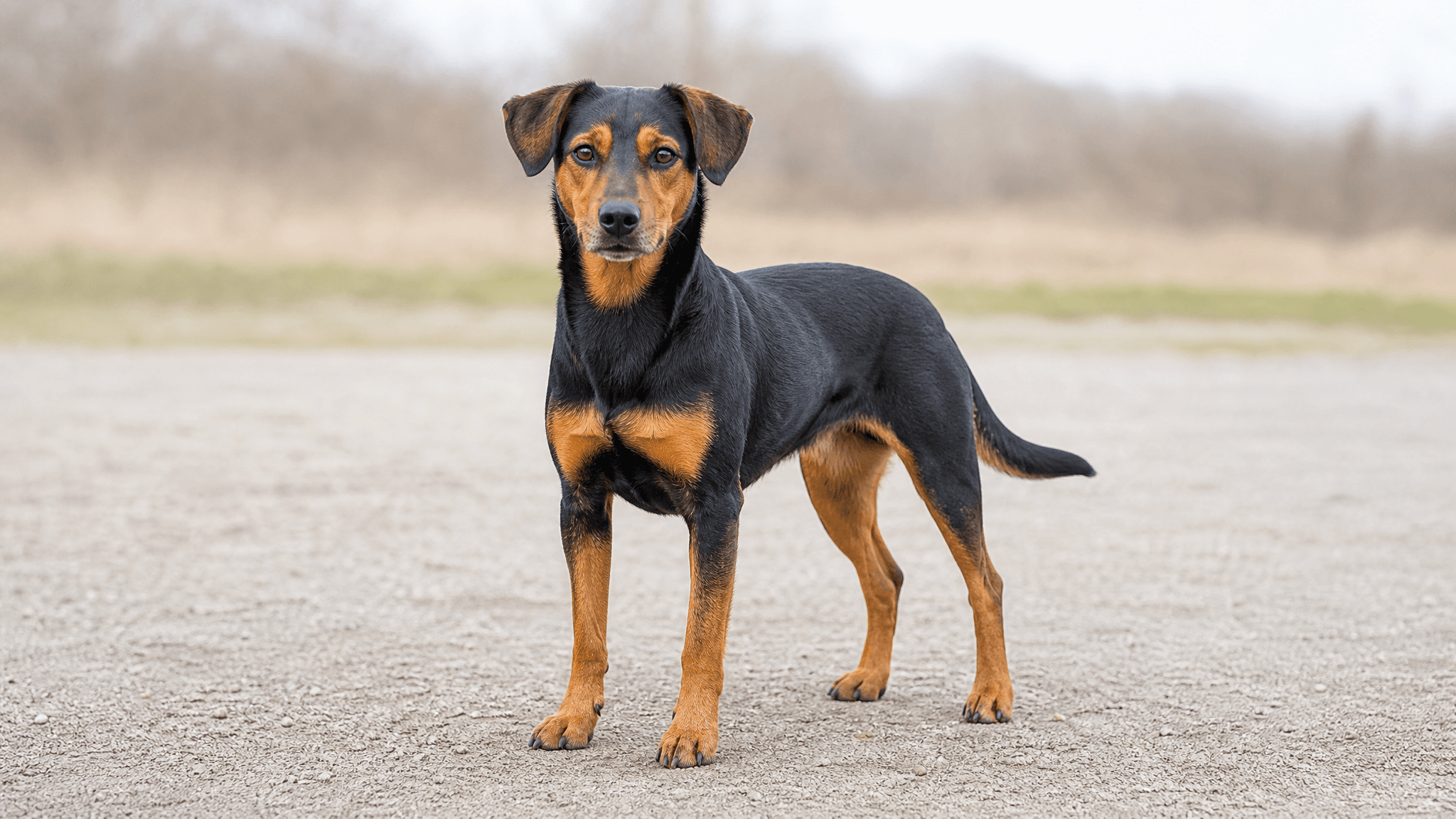
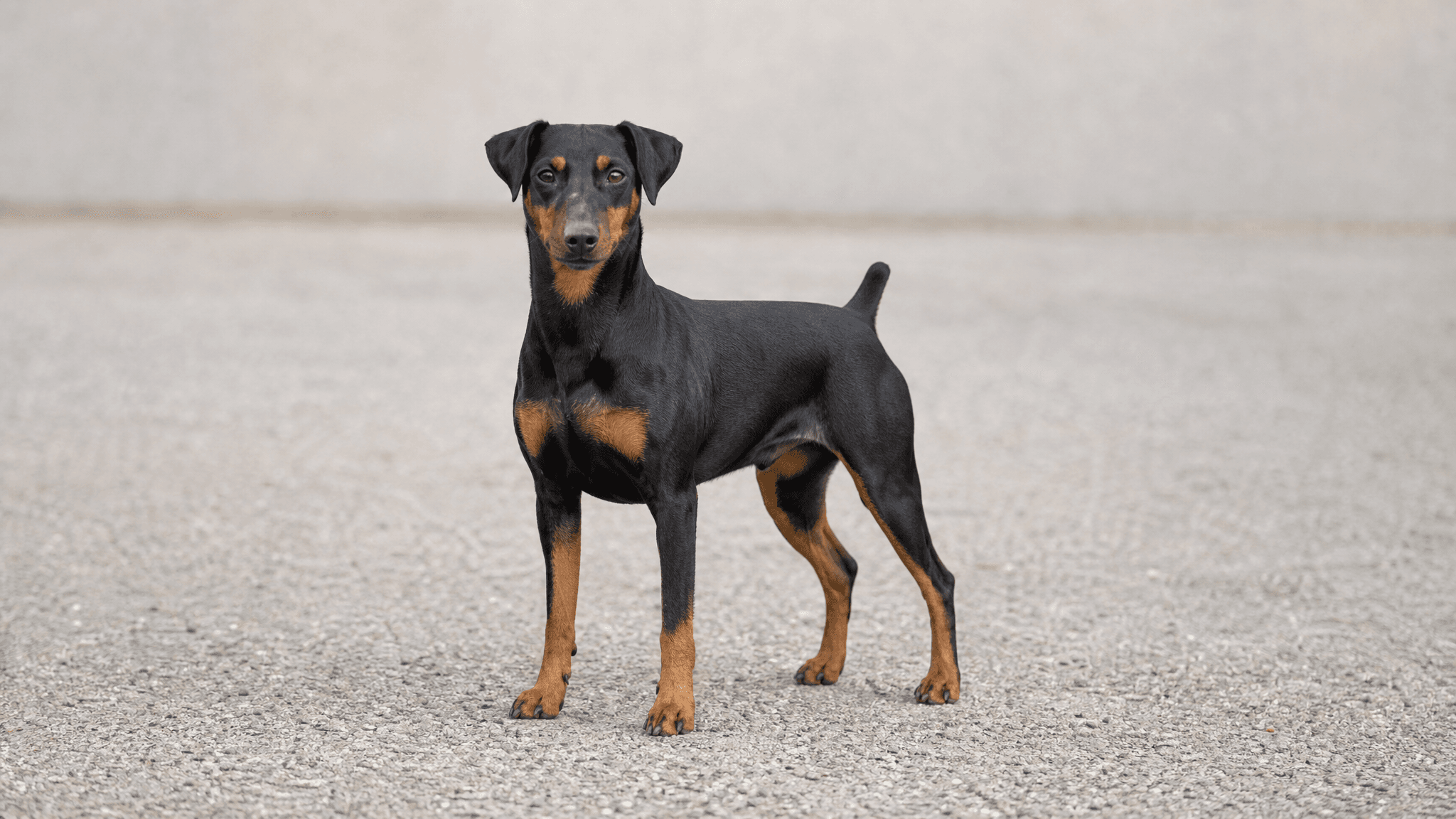
- Short, dense, smooth, and glossy
- Common Colors
- Black with rust markings, solid reddish-brown (shades from straw to dark red)
Temperament & Personality
The German Pinscher is a lively, curious, and quite courageous dog for its size. It has a strong personality and needs an owner who can channel its intelligence and energy in a positive way. It is very attached to its family but reserved with strangers, making it an efficient guard. It can be stubborn during training, so consistency is essential.
Activity & Exercise
- Energy Level
- High
- Recommended Daily Exercise
- 60–90 minutes
- Suitable for Apartment
- Yes with exercise
Grooming & Care
- Grooming Needs
- Low
- Shedding
- Moderate
- Bathing Frequency
- Every 4–6 weeks
Health
- Common Health Issues
- Cataracts
- Gastric dilatation syndrome
- Heart disease
- Hip dysplasia
- Recommended Health Tests
- Cardiac screening
- Eye examination
- Hip radiography
Compatibility
- With Children
- Good
- With Other Dogs
- Moderate
- With Cats
- Can be difficult
- For First-Time Owners
- Acceptable
Is a German Pinscher right for you?
A German Pinscher may suit you if:
- You are prepared to provide 60 to 90 minutes of vigorous daily exercise and engaging mental challenges.
- You enjoy an active lifestyle that includes training, dog sports, or adventurous outdoor excursions.
- You appreciate a dog with a strong, confident personality that is deeply loyal to its family.
- You are committed to consistent, positive reinforcement training to guide an intelligent and spirited learner.
- You don't mind moderate shedding and appreciate a low-maintenance, short, glossy coat.
- You are ready to manage a natural prey drive and a vigilant guarding instinct with proper training.
Think twice if:
- You expect immediate, eager obedience from a dog that can be quite independent-minded.
- You need a dog that is comfortable being left alone for long periods during the day.
- You are not prepared to manage a strong prey drive around smaller household pets like cats.
- You are unable to provide at least an hour of vigorous exercise and mental engagement every single day.
- You live in an unfenced property or are not prepared for robust, secure containment.
- You prefer a dog that is always gentle and reserved, especially during its spirited adolescent phase.
German Pinschers offer a wonderful blend of loyalty and lively companionship, but their strong personalities and high energy demand a committed owner. They thrive with consistent guidance and plenty of activity, rewarding their families with unwavering devotion and a watchful eye. Be ready for a spirited partner who will keep you on your toes and fill your life with joy.
Training a German Pinscher
Training a German Pinscher is a rewarding journey, tapping into their keen intelligence and lively spirit. These curious and energetic dogs thrive on positive reinforcement, especially when it involves engaging their minds and bodies. Keep training sessions short, fun, and varied to hold their attention and prevent boredom. Consistency is absolutely key; their strong personalities mean they'll quickly pick up on any wavering in your expectations. If training isn't consistent or doesn't channel their high energy effectively, their natural stubbornness can emerge, making progress much slower.
Begin with:
- Attention and response to name around distractions
- Recall on a long line
- Loose-leash walking
- Leave it and drop it
- Calm greetings without jumping
- Settling on a mat or bed
- Cooperative handling for grooming, ears, feet and teeth
- Waiting at doors and gates
Prey Drive and Recall
German Pinschers were originally bred to control rodents, meaning they possess a significant prey drive. This instinct can make recall a real challenge, especially when they spot something interesting like a squirrel or a cat. It's crucial to practice recall in increasingly distracting environments, always starting in a safe, enclosed space. Use high-value treats and enthusiastic praise to make coming back to you the most rewarding option. A long line is an invaluable tool for practicing recall safely before you trust them off-leash in less secure areas. You can find more tips in our guide on teaching recall.
Because of their strong prey drive and medium size, they can be surprisingly quick and determined. Always be mindful of their surroundings and consider keeping them on a leash in areas with wildlife or other small animals, especially during their recommended 60-90 minutes of daily exercise.
Leash Pulling
With their high energy and strong personalities, German Pinschers can quickly develop a habit of pulling on the leash, turning walks into a tug-of-war. This isn't just uncomfortable for you; it can also be stressful for your dog. Start loose-leash training early and be incredibly consistent. Use positive reinforcement to reward them for walking calmly by your side, stopping immediately if they pull and only moving forward when the leash is slack again. Short, frequent training sessions are more effective than long, frustrating ones.
Remember that their recommended 60-90 minutes of daily exercise is vital. A tired Pinscher is often a better-behaved Pinscher on the leash. Consider using a front-clip harness for better control during training. For more detailed advice, check out our top dog walking tips.
Boredom Behaviors
A German Pinscher who isn't receiving enough mental and physical stimulation can quickly become a mischievous, destructive force. Their high energy and intelligence mean they need more than just a quick walk; they thrive on engaging activities like puzzle toys, obedience work, or even dog sports. Without proper outlets, they might resort to excessive barking, chewing furniture, or digging in the garden out of boredom and frustration.
Ensure your Pinscher gets their full 60-90 minutes of vigorous exercise daily, split into multiple sessions. Beyond physical activity, incorporate daily mental challenges to keep their sharp minds occupied. Rotating toys, teaching new tricks, and providing chew items can help prevent these unwanted behaviors and keep your lively companion happy and well-adjusted.
German Pinscher — Frequently Asked Questions
What is the Deutscher Pinscher (German Pinscher)?
The Deutscher Pinscher, or German Pinscher, is a truly remarkable and historic breed hailing from Germany, belonging to FCI Group 2 (Pinscher). This medium-sized dog is considered one of the oldest German breeds and is the proud ancestor of both the Dobermann and the Schnauzer! They are known for being incredibly lively, curious, and courageous, possessing a strong personality that truly shines. With their high energy and intelligent minds, they make for a captivating companion for the right owner.
What was the Deutscher Pinscher (German Pinscher) originally bred for?
Originally, the Deutscher Pinscher was a vital working dog, bred to be an expert rodent controller in the stables and farms across Germany. Their agility, intelligence, and keen senses made them perfectly suited for this important task. Over time, they evolved into a versatile and extremely intelligent working dog, showcasing their adaptability and sharp minds. It's truly inspiring to know that this wonderful breed, nearly lost after World War II, was lovingly recovered thanks to the dedication of passionate breeders.
How much exercise does a Deutscher Pinscher (German Pinscher) need?
Deutscher Pinschers are bundles of joy with a high energy level, so they definitely need a good amount of activity to stay happy and healthy! We recommend providing them with 60 to 90 minutes of exercise every single day. This could include brisk walks, engaging playtime in a secure yard, or even participating in dog sports like agility. Keeping their intelligent minds and active bodies stimulated will help them thrive and prevent boredom, ensuring they're a well-behaved and contented member of your family.
Is the Deutscher Pinscher (German Pinscher) a good family dog?
Yes, the Deutscher Pinscher can be a wonderful family dog, as they are very attached to their human family members and make efficient, watchful guardians! However, their lively, courageous nature and strong personality mean they thrive with an owner who can consistently channel their intelligence and energy positively. They tend to be reserved with strangers, which is part of their excellent guarding instinct. Early socialization is key to helping them comfortably interact with children and other pets, ensuring harmonious coexistence within your loving home.
Is the Deutscher Pinscher (German Pinscher) easy to train?
The Deutscher Pinscher is a highly intelligent and curious breed, which makes them very capable of learning! However, their strong personality means they can sometimes be a bit stubborn during training. The key to success with a German Pinscher is consistency and positive reinforcement. They respond best to clear, firm, and fair guidance. Channeling their natural intelligence and high energy into engaging training sessions will not only make them a joy to teach but also strengthen the incredible bond you share.
What health issues are common in the Deutscher Pinscher (German Pinscher)?
Like all breeds, Deutscher Pinschers can be prone to certain health conditions, and being aware of these helps you provide the best care. Some documented health concerns for the breed include Cataracts, Gastric Dilatation Syndrome (Bloat), Heart Disease, and Hip Dysplasia. Regular veterinary check-ups, a balanced diet, and maintaining a healthy weight are all crucial steps in helping your German Pinscher live a long, vibrant life. Always choose a reputable breeder who screens their dogs for these conditions.
What is the Deutscher Pinscher (German Pinscher)'s coat like and how much grooming does it need?
The Deutscher Pinscher sports a sleek, short, and smooth coat that is wonderfully low-maintenance, making grooming a breeze! They don't require extensive brushing; a quick weekly brush with a rubber mitt or soft brush is usually enough to remove loose hairs and keep their coat looking shiny and healthy. Occasional baths are sufficient to keep them clean. This minimal grooming requirement means more time for play and cuddles, which is perfect for this energetic and affectionate breed!
What is the typical lifespan of a Deutscher Pinscher (German Pinscher)?
With proper care, a healthy diet, regular exercise, and routine veterinary check-ups, your beloved Deutscher Pinscher can enjoy a wonderful and long life! The typical lifespan for this robust and spirited breed is generally between 12 and 14 years. Providing them with a loving environment, plenty of mental stimulation, and addressing any health concerns promptly will help ensure your German Pinscher stays by your side, bringing joy and companionship for many happy years.
Community
Talk to real German Pinscher owners
This guide covers the breed on paper. In the app, the German Pinscher community covers it in real life: photos from other owners, questions answered by people who live with the breed, and a directory of dogs you can browse.
- Photos & pollsSee what German Pinscher owners are sharing today.
- Questions & answersAsk anything and hear from people who own one.
- Dog directoryBrowse German Pinschers from around the world.
You join automatically when you add a German Pinscher to your profile.