Deerhound
Summary
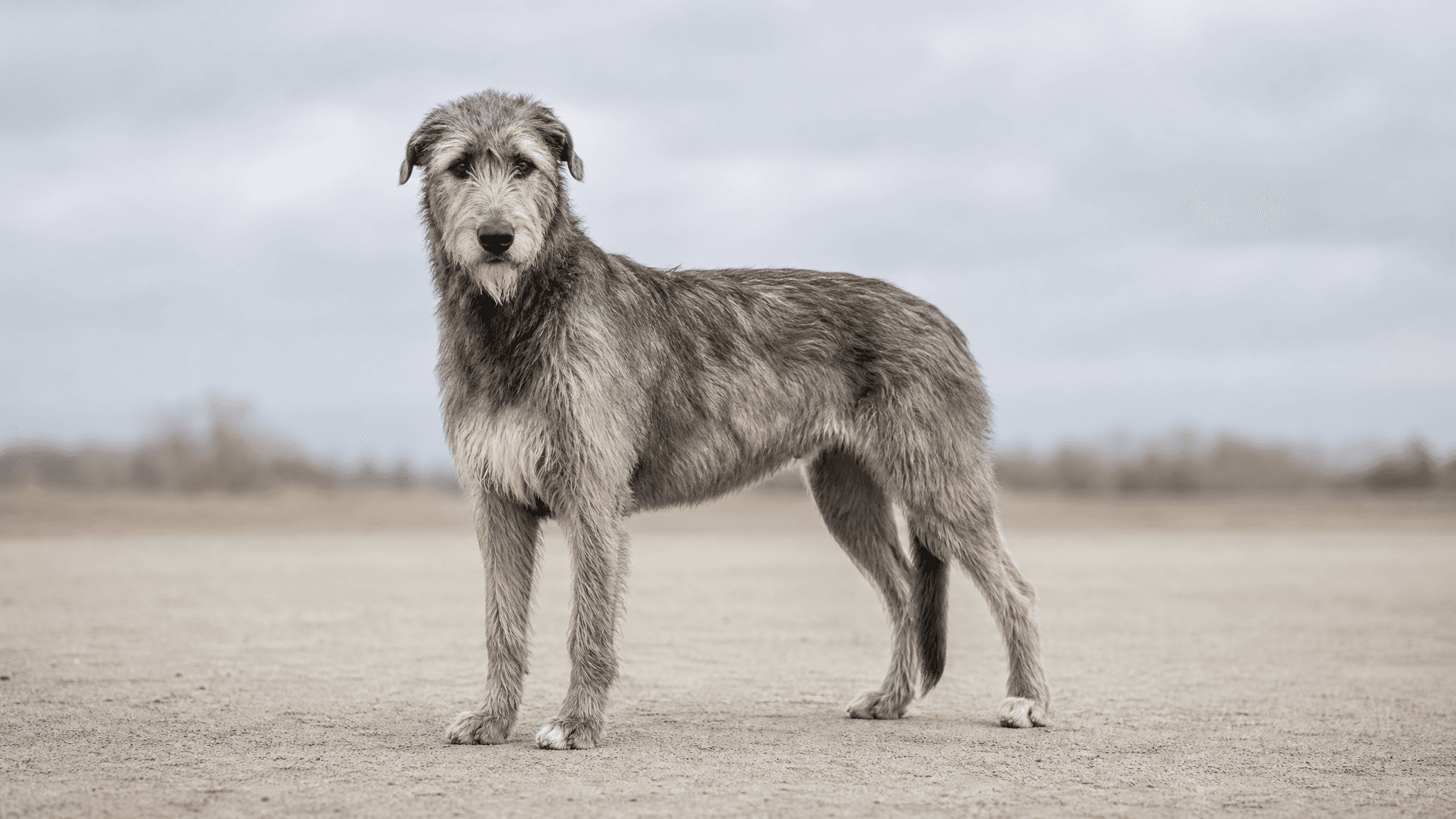
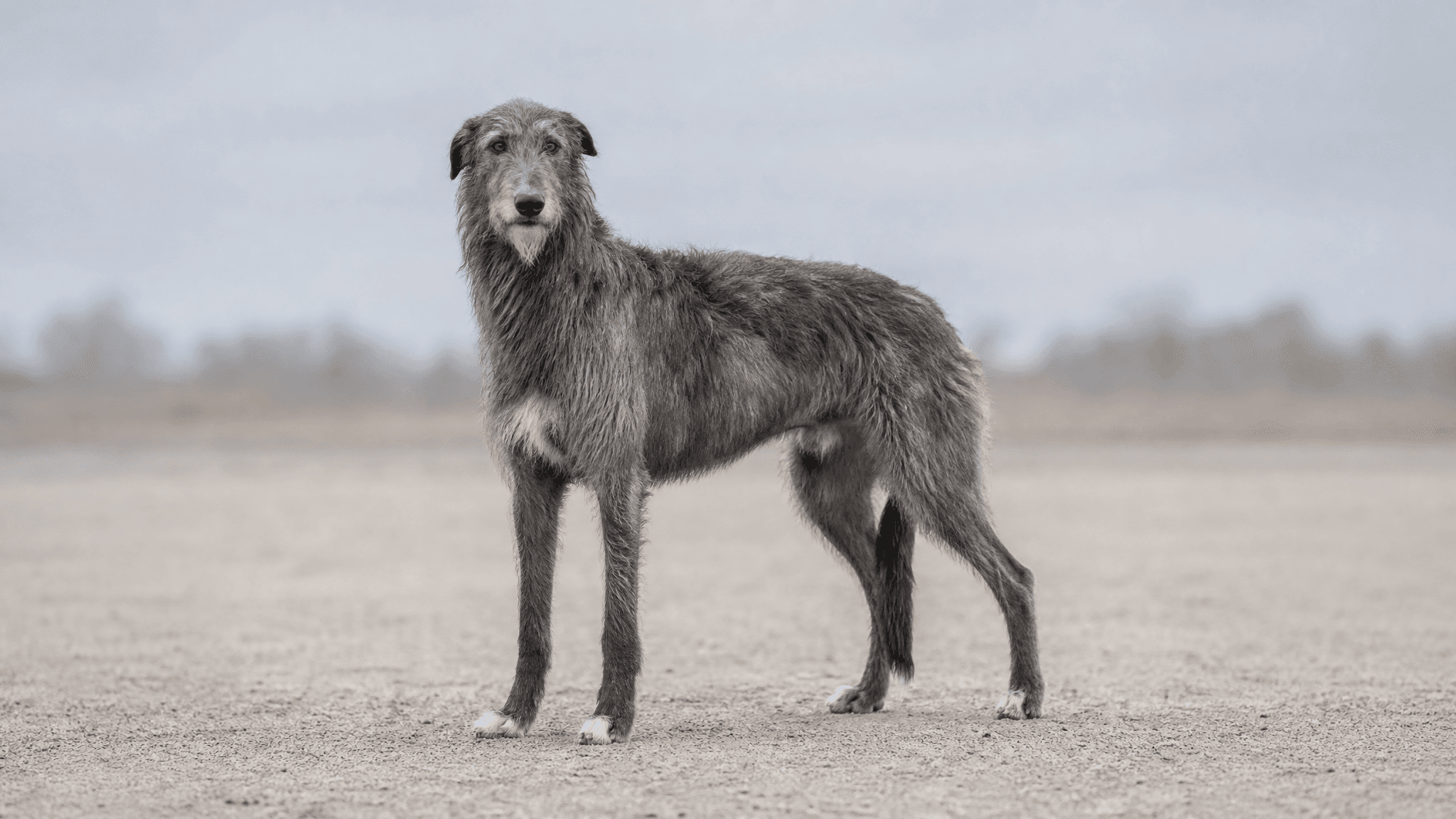
The Deerhound, or "Royal Dog of Scotland," was selected for centuries in the Scottish Highlands to hunt the great red deer (_Cervus elaphus_), chasing it over rugged and wet terrain where the pure speed of a Greyhound would be insufficient. Structurally similar to the Greyhound but heavier and with a wiry coat, it was so highly valued that, according to medieval Scottish laws, only nobles with a title of Earl or higher could possess one. It is a gentle giant, tender and with a great need for human contact.
Physical Characteristics
- Size
- Giant
- Height (male)
- 76–81 cm
- Height (female)
- 71–76 cm
- Weight (male)
- 39–50 kg
- Weight (female)
- 34–43 kg
- Life Expectancy
- 8–11 years
- Coat
- Hard, wiry, and rough, 7–10 cm long; softer beard and mustache; softer hair on the belly and chest
- Common Colors
- Dark blue-grey, light blue-grey, brindle, red-yellow, fawn; white patches on the chest and toes are accepted
Temperament & Personality
The Deerhound is an animal of sweet, friendly, and dignified nature. Adults are known for spending much of the day sleeping on the couch, revealing themselves — as a veteran breeder describes — as a "two-speed dog: deeply asleep or running at full speed." It is independent in thought but not stubborn; it responds well to positive training. It is particularly gentle with children, although the size can be dangerous for the smallest ones. Puppies and young adults can be destructive if they don't get enough exercise.
Activity & Exercise
- Energy Level
- Moderate
- Recommended Daily Exercise
- 60 minutes
- Suitable for Apartment
- Not recommended
Grooming & Care
- Grooming Needs
- Low to moderate
- Shedding
- Low
- Bathing Frequency
- Every 6–8 weeks
Health
- Common Health Issues
- Anesthesia sensitivity
- A specific blood coagulation factor can cause post-surgical hemorrhage
- Dilated cardiomyopathy (DCM)
- Gastric dilatation-volvulus (GDV — less frequent than in larger breeds)
- Osteosarcoma
- Recommended Health Tests
- Always inform the veterinarian of anesthesia sensitivity
- Annual echocardiogram
- Hip evaluation
- Osteosarcoma screening
Compatibility
- With Children
- Good
- With Other Dogs
- Excellent
- With Cats
- Can be difficult
- For First-Time Owners
- Acceptable
Is a Deerhound right for you?
A Deerhound may suit you if:
- You can provide at least an hour of daily activity, including bursts of full-speed running in a safe, open area.
- You enjoy an active outdoor lifestyle that includes long walks or runs in varied environments.
- You appreciate a sweet, dignified, and affectionate companion who loves to be close to their family.
- You are prepared to engage in consistent, positive reinforcement training to nurture their independent spirit.
- You are willing to commit to low to moderate grooming, including regular brushing of their wiry coat.
- You understand their sighthound nature, which means they might suddenly chase moving objects with incredible speed.
Think twice if:
- You expect unwavering obedience and instant recall in all situations, as their sighthound instincts are strong.
- You frequently leave your dog alone for long periods, as Deerhounds thrive on companionship and can get lonely.
- You have cats or other small, fast-moving pets that you are unwilling to carefully introduce and supervise.
- You are unable to provide at least an hour of daily exercise or commit to their low to moderate grooming needs.
- You live in a small apartment or lack a securely fenced yard where they can safely stretch their long legs.
- You are unprepared for managing a giant, sometimes clumsy, adolescent dog who is still learning their immense size.
Living with a Deerhound means embracing a unique blend of calm dignity and explosive energy. They are truly gentle giants, utterly devoted to their families and content to snooze on the couch for hours. However, their sighthound heritage demands regular, vigorous exercise and a secure environment for them to truly thrive. It's a commitment to both serene companionship and exhilarating bursts of speed.
Training a Deerhound
Deerhounds are intelligent and respond beautifully to positive reinforcement, especially when treats and praise are involved. They thrive on short, fun training sessions that keep their keen minds engaged and prevent boredom. Because they are independent in thought, harsh corrections or repetitive, boring drills will quickly lead to disengagement and a reluctance to participate. Keep training positive, playful, and consistent, and you'll build a strong bond and see wonderful progress with your sweet, dignified giant.
Begin with:
- Attention and response to name around distractions
- Recall on a long line
- Loose-leash walking
- Leave it and drop it
- Calm greetings without jumping
- Settling on a mat or bed
- Cooperative handling for grooming, ears, feet and teeth
- Waiting at doors and gates
Prey Drive and Recall
Deerhounds are sighthounds, bred for centuries to chase large prey like red deer. This means their instinct to pursue anything that moves quickly is incredibly strong, making recall a significant challenge, especially off-leash in open areas. Never underestimate this drive; a Deerhound spotting a squirrel or rabbit will be gone in a flash, oblivious to your calls.
Focus on consistent recall training in various environments. Start in a secure, fenced area, gradually introducing distractions. Use a long line for safety when practicing in less secure locations, and always make coming back to you the most rewarding thing ever. Consider our guide on teaching recall for detailed steps.
Leash Manners for a Giant
With males weighing up to 50 kg and standing over 80 cm tall, a Deerhound pulling on the leash can be a real handful, even for a strong adult. Their gentle nature doesn't mean they won't pull if not taught otherwise, and a sudden lunge can easily unbalance you. Early and consistent training is vital to ensure walks are enjoyable and safe for both of you.
Focus on teaching loose-leash walking from puppyhood. Use positive reinforcement to reward your Deerhound for walking calmly beside you. Avoid harsh corrections, as their sensitive nature responds best to gentle guidance. If you're struggling, our guide to stopping leash pulling offers a force-free plan that can help.
Boredom and Destructive Habits
While Deerhounds are often described as "two-speed dogs" – deeply asleep or running at full speed – they still require consistent mental and physical stimulation to prevent boredom. Despite their moderate energy level, if under-exercised or left alone for too long without engagement, they can become restless and resort to destructive behaviors around the home. They are not recommended for apartments precisely because they need space and activity.
Ensure your Deerhound gets their recommended 60 minutes of daily exercise, ideally split into a couple of walks or play sessions. Incorporate mental games, puzzle toys, and short training sessions throughout the day. Remember, they thrive on human companionship, so provide plenty of interaction. If you notice signs of stress when left alone, our article on separation stress might offer insights.
Deerhound — Frequently Asked Questions
What is the Deerhound?
The Deerhound, often called the "Royal Dog of Scotland," is a magnificent giant sighthound originating from the Scottish Highlands. Belonging to FCI Group 10 (Rough-haired Sighthounds), this noble breed shares a structural resemblance to the Greyhound but is notably heavier and boasts a distinctive wiry coat. They are known for their dignified yet sweet nature, making them truly special companions. Their impressive stature and gentle demeanor make them stand out, embodying a unique blend of power and grace.
What was the Deerhound originally bred for?
The Deerhound's rich history is deeply rooted in the Scottish Highlands, where they were meticulously bred for centuries to hunt the majestic great red deer. Their unique combination of speed and strength allowed them to pursue deer across the rugged, wet terrain where a lighter sighthound might struggle. These dogs were so esteemed that medieval Scottish laws restricted their ownership to nobles of Earl status or higher, truly earning them the title of "Royal Dog." Their original purpose shaped their powerful build and keen senses.
How much exercise does a Deerhound need?
Despite their impressive size and history as hunters, adult Deerhounds have a moderate energy level and are often described as "two-speed dogs" – either deeply asleep or running at full speed! They typically need about 60 minutes of daily exercise to stay happy and healthy. This can include brisk walks, supervised off-leash running in a secure area, or a good play session. After their exercise, they're usually content to relax and enjoy a long nap on the couch with you, making them wonderful indoor companions.
Is the Deerhound a good family dog?
Absolutely! The Deerhound is a truly wonderful family dog, known for their sweet, friendly, and dignified nature. They are often described as gentle giants, tender and with a great need for human companionship. They are particularly gentle with children, making them lovely companions for families. While their size requires supervision with very young children, their calm demeanor and affectionate spirit make them a cherished member of any loving home, eager to be part of all family activities.
Is the Deerhound easy to train?
Training a Deerhound can be a rewarding experience! They are intelligent and, while independent in thought, they are not stubborn, which is a lovely combination. They respond particularly well to positive reinforcement methods, thriving on encouragement and gentle guidance. Consistency and patience are key, as with any breed, but their sweet and willing nature makes them generally eager to please their beloved humans. Early socialization and consistent training will help them grow into well-mannered companions who are a joy to live with.
What health issues are common in the Deerhound?
Like all breeds, Deerhounds can be prone to certain health conditions, and being aware of them helps you provide the best care. Some documented concerns include a specific blood coagulation factor that can lead to post-surgical hemorrhage, and sensitivity to anesthesia, which vets should be aware of. They can also be susceptible to Dilated Cardiomyopathy (DCM) and Osteosarcoma. While Gastric Dilatation-Volvulus (GDV) is a concern, it's less frequent in Deerhounds than in some other large breeds. Regular vet check-ups are essential for early detection and management, ensuring your Deerhound stays healthy.
What is the Deerhound's coat like and how much grooming does it need?
The Deerhound's coat is one of its defining characteristics! Unlike the smooth coat of a Greyhound, they possess a distinctive wiry, shaggy coat that is rough to the touch. This coat helped protect them from the harsh Scottish weather during their hunting days. While not overly demanding, their coat benefits from regular brushing a few times a week to remove loose hair and prevent matting. Occasional hand-stripping can also help maintain its texture and health, keeping your Deerhound looking their best and feeling comfortable.
What is the typical lifespan of a Deerhound?
Bringing a Deerhound into your life means many years of wonderful companionship! The typical lifespan for a Deerhound is generally between 8 and 11 years. Providing them with a high-quality diet, regular veterinary care, appropriate exercise, and plenty of love and mental stimulation will help ensure they live a full, happy, and healthy life by your side. They truly become cherished members of the family, bringing joy for every one of those precious years and creating lasting memories.
Community
Talk to real Deerhound owners
This guide covers the breed on paper. In the app, the Deerhound community covers it in real life: photos from other owners, questions answered by people who live with the breed, and a directory of dogs you can browse.
- Photos & pollsSee what Deerhound owners are sharing today.
- Questions & answersAsk anything and hear from people who own one.
- Dog directoryBrowse Deerhounds from around the world.
You join automatically when you add a Deerhound to your profile.