Czechoslovakian Wolfdog
Summary
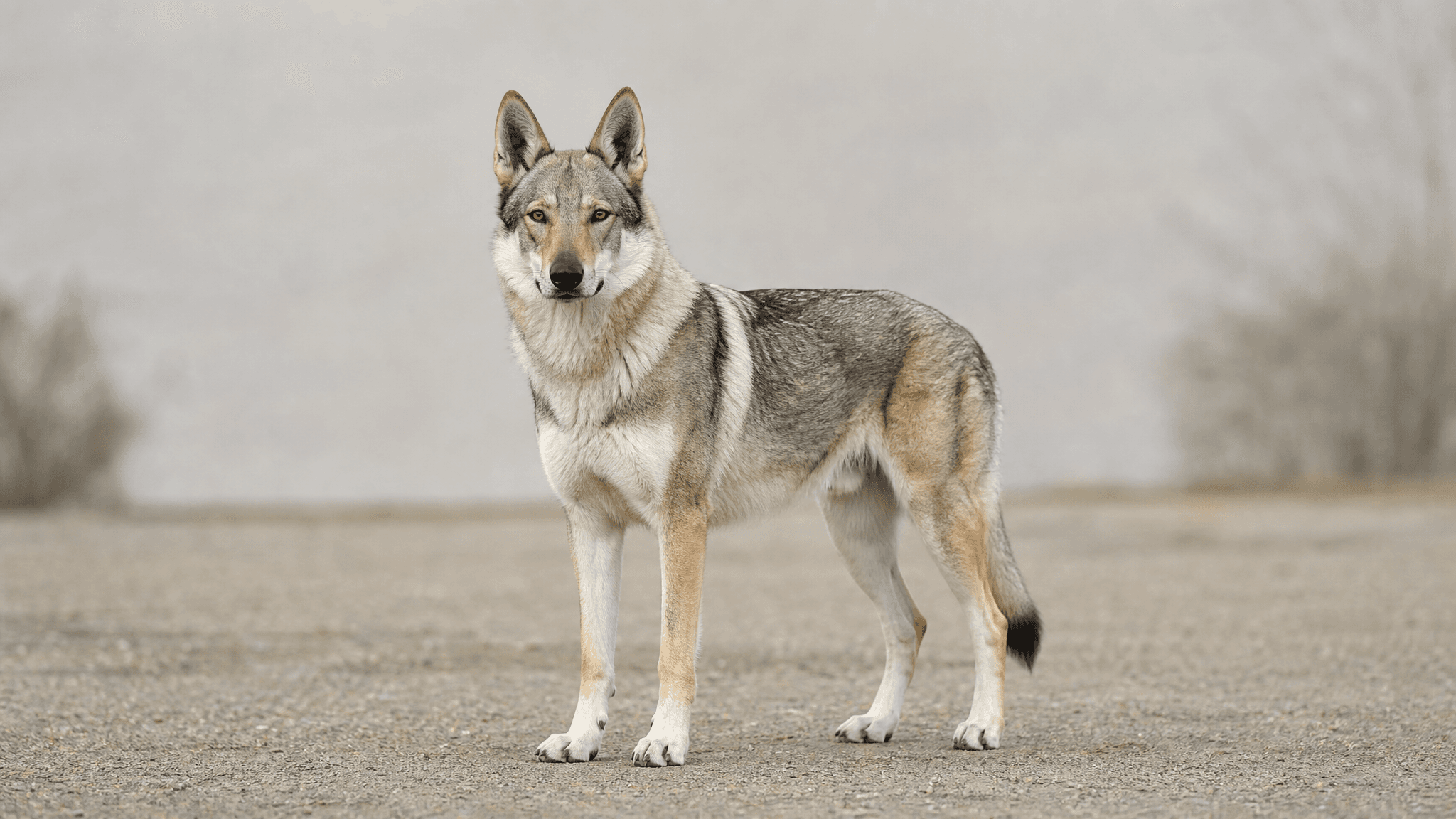
The Czechoslovakian Wolfdog is a breed created through an official scientific experiment conducted in Czechoslovakia in 1955, which crossed German Shepherds with Carpathian grey wolves. The objective was to obtain a working dog with the endurance and keen senses of the wolf, combined with the trainability of the German Shepherd. The breed was officially recognized by the FCI in 1989 and is distinguished from the Saarloos Wolfdog by being slightly more trainable and work-oriented.
Physical Characteristics
- Size
- Large
- Height (male)
- 65–70 cm
- Height (female)
- 60–65 cm
- Weight (male)
- 25–35 kg
- Weight (female)
- 20–28 kg
- Life Expectancy
- 12–16 years
- Coat
- Short to medium, very dense, with thick undercoat in winter
- Common Colors
- Wolf grey (light to dark), yellowish grey
Temperament & Personality
The Czechoslovakian Wolfdog combines the intense loyalty of the domestic dog with the independence, caution and endurance of the wolf. It is extremely loyal to its pack/family, but can be difficult for strangers. It is very active, with great physical endurance, and has a constant need for work and movement. Its pack behavior is very pronounced — it functions better in groups and can suffer from isolation. It is not a breed for the inexperienced.
Activity & Exercise
- Energy Level
- Very high
- Recommended Daily Exercise
- 120 minutes
- Suitable for Apartment
- Not recommended
Grooming & Care
- Grooming Needs
- Low to moderate
- Shedding
- Heavy
- Bathing Frequency
- Every 6–8 weeks
Health
- Common Health Issues
- Degenerative myelopathy
- Exocrine pancreatic insufficiency
- Hip and elbow dysplasia
- Recommended Health Tests
- OFA orthopedic evaluation
- Pancreatic analysis
Compatibility
- With Children
- Moderate
- With Other Dogs
- Moderate
- With Cats
- Can be difficult
- For First-Time Owners
- Not recommended
Is a Czechoslovakian Wolfdog right for you?
A Czechoslovakian Wolfdog may suit you if:
- You can commit to providing at least two hours of vigorous exercise and engaging mental stimulation daily.
- You enjoy an active, outdoor lifestyle and are eager to include your dog in adventures like hiking or working.
- You appreciate a highly intelligent, independent companion who forms an incredibly deep bond with their chosen family.
- You are prepared to invest consistently in positive, engaging training to channel their keen intellect and work drive.
- You are ready for heavy seasonal shedding from their dense, double coat, but appreciate generally low grooming needs.
- You are willing to understand and manage their pronounced pack behavior and natural wariness towards strangers.
Think twice if:
- You expect immediate, eager obedience in all situations, or desire a dog that is easily managed by a novice.
- You frequently leave your dog alone for long periods, expecting them to be content without constant companionship.
- You have very young children or small, vulnerable pets and expect instant, harmonious integration without careful management.
- You are unable to commit to daily vigorous exercise or manage significant seasonal shedding from a dense coat.
- You live in an apartment or have a yard with inadequate, easily breached fencing for a large, athletic breed.
- You are not prepared for the physical strength and independent nature of a large, powerful dog during adolescence.
The Czechoslovakian Wolfdog offers a unique blend of wolf-like independence and deep canine loyalty. While incredibly devoted to their family, they demand significant commitment to exercise, training, and understanding their nuanced needs. Living with this breed is a rewarding journey for those prepared to embrace their intelligence and strong will, fostering a truly extraordinary bond.
Training a Czechoslovakian Wolfdog
Czechoslovakian Wolfdogs are incredibly intelligent and loyal, but their wolf heritage means they learn best with respect, consistency, and engaging, short sessions. They thrive on positive reinforcement, especially when it involves high-value rewards and tasks that challenge their keen senses and natural endurance. Motivation comes from working alongside their beloved human, making training a partnership. If a handler is inconsistent, harsh, or fails to provide clear leadership, a Wolfdog's independent nature will quickly lead to disengagement and a reluctance to cooperate, making progress difficult and potentially fostering undesirable behaviors.
Begin with:
- Attention and name response around distractions
- Recall on a long line
- Loose-leash walking
- Leave it and drop it
- Calm greetings without jumping
- Settling on a mat or bed
- Cooperative handling for grooming, ears, feet and teeth
- Waiting at doors and gates
Prey drive and recall
Your Czechoslovakian Wolfdog's wolf ancestry gives them a powerful prey drive, which can make recall a significant challenge, especially outdoors. They possess the endurance and keen senses of a wolf, meaning they can spot, track, and pursue small animals from a distance. To mitigate this, always practice recall in a secure, enclosed area first, gradually introducing distractions. Use a long line for safety during outdoor training until their recall is absolutely bulletproof, and make coming back to you the most rewarding experience possible. Remember, a successful recall isn't just about safety; it builds trust and strengthens your bond. This guide can help you master this vital skill.
Leash manners and strength
Given their large size, high energy, and immense physical endurance, a Czechoslovakian Wolfdog can be a handful on the leash if not properly trained. They have a constant need for movement, and their strength can easily overpower an unprepared handler. Start loose-leash training early and consistently, using positive reinforcement to reward walking calmly by your side. Invest in a comfortable, well-fitting harness that discourages pulling, and ensure your daily 120 minutes of exercise includes varied activities to burn off that energy before walks. Our guide on stopping leash pulling offers excellent strategies.
Boredom and destructive behavior
Czechoslovakian Wolfdogs are not recommended for apartment living and thrive on constant work and mental stimulation. Their pronounced pack behavior means they can suffer if left alone too long or under-exercised. Without adequate physical activity and engaging mental tasks, they can quickly become bored, leading to destructive behaviors like chewing, digging, or excessive vocalization. Ensure they receive their recommended 120 minutes of daily exercise, incorporate puzzle toys, scent work, and advanced training into their routine, and consider activities like canicross or agility to keep their minds and bodies active. A bored Wolfdog is a creative Wolfdog, often in ways you won't appreciate!
Czechoslovakian Wolfdog — Frequently Asked Questions
What is the Ceskoslovenský Vlciak (Czechoslovakian Wolfdog)?
The Ceskoslovenský Vlciak, also known as the Czechoslovakian Wolfdog, is a truly unique and striking large breed originating from Czechia and Slovakia. This fascinating dog was created through a scientific experiment in 1955, crossing German Shepherds with Carpathian grey wolves! The goal was to develop a working dog that possessed the incredible endurance and keen senses of a wolf, combined with the trainability of a German Shepherd. Recognized by the FCI in Group 1 (Sheepdogs), they are known for their intense loyalty to their family, coupled with the independence and caution reminiscent of their wolf ancestors, making them a very active and physically enduring companion.
What was the Ceskoslovenský Vlciak (Czechoslovakian Wolfdog) originally bred for?
The Ceskoslovenský Vlciak has a captivating history rooted in a scientific experiment conducted in Czechoslovakia in 1955. The primary purpose was to create an exceptional working dog, specifically by crossing German Shepherds with Carpathian grey wolves. The vision was to harness the incredible endurance and sharp senses of the wolf, while retaining the valuable trainability of the German Shepherd. This unique blend was initially intended for military applications, particularly border patrol, where their resilience and keen instincts would be invaluable. Their distinct qualities led to their official recognition by the FCI in 1989.
How much exercise does a Ceskoslovenský Vlciak (Czechoslovakian Wolfdog) need?
Oh, these magnificent dogs are bundles of energy! A Ceskoslovenský Vlciak has a very high energy level and a constant need for work and movement, so they require a significant amount of exercise to stay happy and healthy. We recommend at least 120 minutes of daily exercise to truly satisfy their physical endurance and mental stimulation needs. This isn't just a quick walk around the block; think long hikes, vigorous play sessions, or engaging in dog sports. Providing ample opportunities for them to burn off that energy is crucial for preventing boredom and ensuring they thrive in your home.
Is the Ceskoslovenský Vlciak (Czechoslovakian Wolfdog) a good family dog?
The Ceskoslovenský Vlciak is known for being extremely loyal to its immediate family, forming incredibly strong bonds with its "pack." However, their wolf ancestry means they can be quite cautious and reserved around strangers. While they can integrate into a family, their pronounced pack behavior means they often function better in groups and may struggle with being left alone, potentially leading to separation anxiety. Introducing them to children and other pets early and with careful, consistent socialization is vital. Their independent nature and high energy mean they thrive with experienced owners who understand their unique needs and provide consistent guidance.
Is the Ceskoslovenský Vlciak (Czechoslovakian Wolfdog) easy to train?
Training a Ceskoslovenský Vlciak can be a rewarding experience, but it requires consistency, patience, and a deep understanding of their unique temperament. While they were bred with the goal of combining the wolf's senses and endurance with the trainability of a German Shepherd, they also retain the independence and caution of their wolf ancestors. This means they are intelligent and capable of learning, but they aren't always eager to please in the traditional dog sense. Positive reinforcement and early, consistent socialization are key. They are considered slightly more trainable and work-oriented than the Saarloos Wolfdog, thriving with engaging tasks and clear leadership.
What health issues are common in the Ceskoslovenský Vlciak (Czechoslovakian Wolfdog)?
Like all breeds, the Ceskoslovenský Vlciak can be prone to certain health conditions, and being aware of these can help you provide the best care. Some documented health concerns for this breed include degenerative myelopathy, a progressive disease affecting the spinal cord, and exocrine pancreatic insufficiency, which impacts digestion. They can also be susceptible to hip and elbow dysplasia, common joint conditions in many large breeds. Responsible breeders will screen their dogs for these issues. Regular veterinary check-ups and a healthy lifestyle are essential to help your Ceskoslovenský Vlciak live a long and vibrant life.
What is the Ceskoslovenský Vlciak (Czechoslovakian Wolfdog)'s coat like and how much grooming does it need?
The Ceskoslovenský Vlciak boasts a beautiful, dense double coat that gives them their distinctive wolf-like appearance. This coat is designed to protect them in various weather conditions. Generally, their grooming needs are relatively straightforward. Regular brushing, perhaps a couple of times a week, is usually sufficient to keep their coat healthy and minimize shedding. However, during seasonal shedding periods, typically twice a year, you'll find they "blow" their undercoat quite significantly. During these times, daily brushing will be very helpful to manage the loose fur and keep your home a bit tidier. They are generally clean dogs, not requiring frequent baths.
What is the typical lifespan of a Ceskoslovenský Vlciak (Czechoslovakian Wolfdog)?
It's wonderful to think about the many years you'll have with your loyal companion! The Ceskoslovenský Vlciak typically enjoys a robust lifespan, generally ranging from 12 to 16 years. Providing them with excellent nutrition, plenty of mental and physical exercise, and regular veterinary care can contribute significantly to them reaching the higher end of this range. These resilient dogs, with their strong genetics and active lifestyle, are often healthy throughout their lives, bringing many years of joy and companionship to their devoted families. It's a long commitment, but a truly rewarding one!
Community
Talk to real Czechoslovakian Wolfdog owners
This guide covers the breed on paper. In the app, the Czechoslovakian Wolfdog community covers it in real life: photos from other owners, questions answered by people who live with the breed, and a directory of dogs you can browse.
- Photos & pollsSee what Czechoslovakian Wolfdog owners are sharing today.
- Questions & answersAsk anything and hear from people who own one.
- Dog directoryBrowse Czechoslovakian Wolfdogs from around the world.
You join automatically when you add a Czechoslovakian Wolfdog to your profile.