Chow Chow
Summary
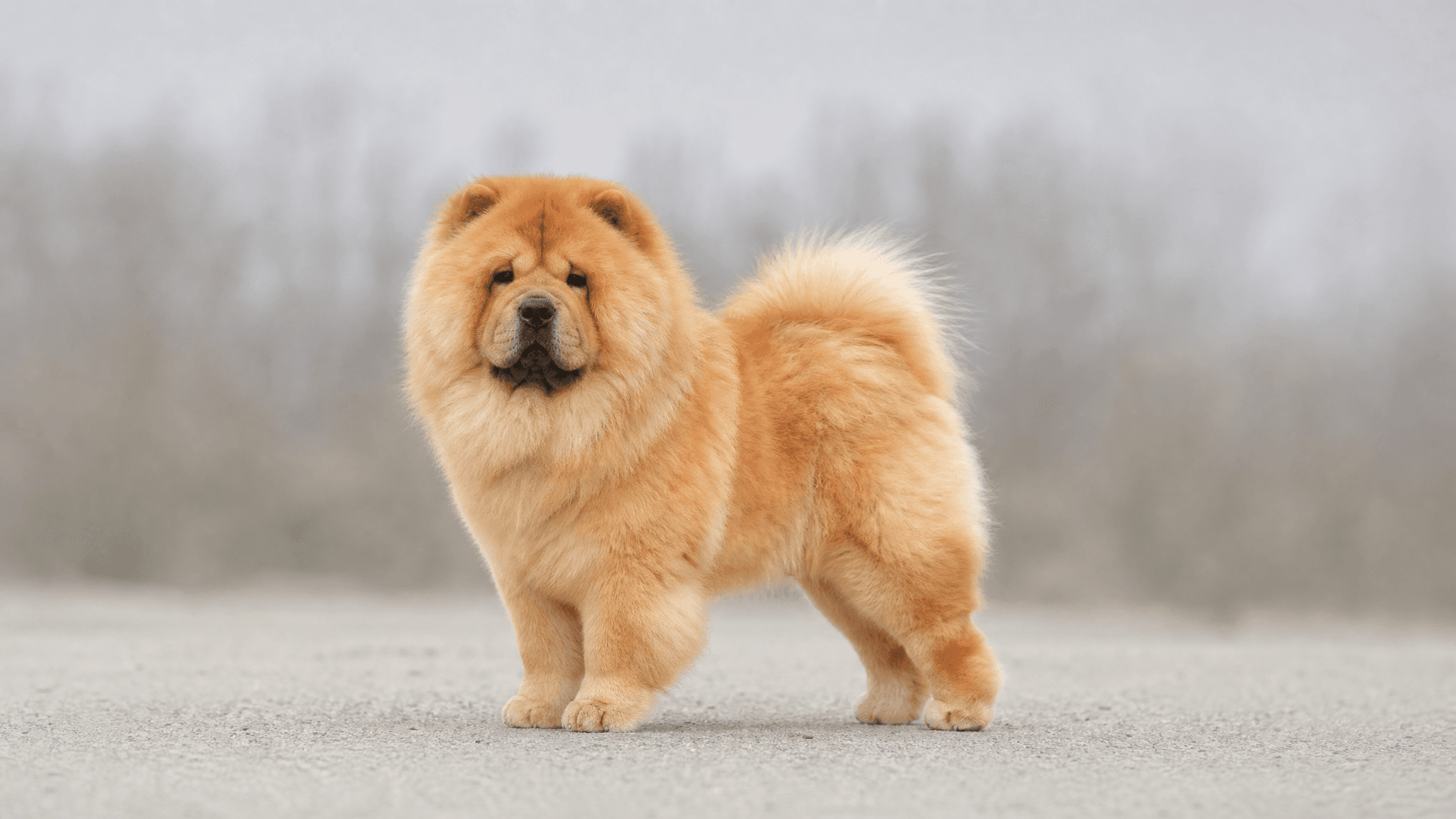
The Chow Chow is one of the oldest breeds in the world, with documented origins in China over 2,000 years ago, where it was used for hunting, herding, and pulling sleds. It is recognizable by its abundant coat that forms a lion's mane, its unique blue-black tongue and gums, and its characteristic stiff gait. It is the only dog besides the Shar-Pei with this peculiar mouth pigmentation.
Physical Characteristics
- Size
- Medium to large
- Height (male)
- 48–56 cm
- Height (female)
- 46–51 cm
- Weight (male)
- 25–32 kg
- Weight (female)
- 20–27 kg
- Life Expectancy
- 8–12 years
- Coat
- Two varieties: long coat (abundant, dense, and standing off) and short coat (dense, hard, and flat); both with dense undercoat
- Common Colors
- Red, black, blue, cinnamon, cream; uniform shades without patches
Temperament & Personality
The Chow Chow is an aristocratic, independent, and reserved dog, demonstrating deep but not effusive loyalty to the family. It is typically distant with strangers and does not enjoy excessive contact from people it doesn't know. It has a lofty and dignified personality — frequently compared to that of a cat. Early socialization is essential for developing a balanced temperament.
Activity & Exercise
- Energy Level
- Low to moderate
- Recommended Daily Exercise
- 30–45 minutes
- Suitable for Apartment
- Yes with exercise
Grooming & Care
- Grooming Needs
- Moderate to high
- Shedding
- Heavy
- Bathing Frequency
- Every 4–6 weeks
Health
- Common Health Issues
- Brachycephalic syndrome (severe respiratory problems)
- Entropion
- Hip and elbow dysplasia
- Hypothyroidism
- Oral melanoma
- Recommended Health Tests
- Eye examination
- Hip and elbow evaluation (OFA)
- Respiratory evaluation
Compatibility
- With Children
- Moderate
- With Other Dogs
- Moderate
- With Cats
- Moderate
- For First-Time Owners
- Not recommended
Is a Chow Chow right for you?
A Chow Chow may suit you if:
- You can consistently provide 30 to 45 minutes of daily exercise to maintain your Chow Chow's low to moderate energy levels.
- You enjoy a more independent companion who thrives in a calm, predictable home environment rather than constant activity.
- You appreciate an aristocratic, reserved temperament and a deep, quiet loyalty that isn't overly effusive or demanding.
- You are prepared for the significant commitment of early and ongoing socialization and training, especially as a non-first-time owner.
- You are willing to dedicate time to moderate to high grooming, including frequent brushing of their dense undercoat to manage heavy shedding.
- You are ready to embrace a dog with a unique appearance, including their distinctive blue-black tongue and dignified, stiff gait.
Think twice if:
- You expect a highly biddable or eager-to-please companion, as their independent and often "cat-like" nature means they march to their own drum.
- You anticipate leaving your dog alone for extended periods daily, as they prefer consistent family presence and can become bored without it.
- You have very young children or other pets and are not prepared for the moderate socialization and careful management required for harmony.
- You are unwilling to commit to the daily 30-45 minutes of exercise or the significant grooming efforts needed for their dense, shedding coat.
- You cannot provide a securely fenced area or consistent leash walks to meet their exercise needs, even in an apartment setting.
- You are a first-time dog owner, as their strong will and need for consistent, firm-but-fair handling are not recommended for beginners.
Living with a Chow Chow is a unique experience, blending deep loyalty with a fiercely independent spirit. They offer quiet companionship but demand consistent training, early socialization, and dedicated grooming. While not for everyone, for the right person, their dignified presence and distinct personality bring immense satisfaction.
Training a Chow Chow
Training a Chow Chow requires patience and a deep understanding of their unique, independent spirit. These aristocratic dogs are motivated by positive reinforcement and a strong bond with their handler, not by endless repetition or force. Short, engaging training sessions, perhaps 10-15 minutes, are far more effective than long, tedious ones. Consistency is key, but pushing a Chow Chow too hard or misunderstanding their reserved nature can lead to stubbornness and a lack of cooperation, making training feel like a battle rather than a partnership. Remember, they offer deep loyalty, but it's not effusive, so earn their respect.
Begin with:
- Attention and response to name around distractions
- Recall on a long line
- Loose-leash walking
- Leave it and drop it
- Calm greetings without jumping
- Settling on a mat or bed
- Cooperative handling for grooming, ears, feet and teeth
- Waiting at doors and gates
Independent Nature and Recall
Chow Chows, with their independent and reserved nature, can sometimes seem aloof, especially when distractions are present. Their historical roles in hunting and herding also mean they possess a strong prey drive that can make recall challenging. It's crucial to make coming back to you the most rewarding option available, even when something exciting catches their eye.
Start recall training in a quiet, enclosed space, gradually introducing distractions. Use high-value treats and enthusiastic praise. A long line is an excellent tool for safety and practice, allowing them freedom while you maintain control. Remember, consistency and positive experiences are vital for building a reliable recall. For more detailed guidance, check out our guide on teaching recall.
Leash Pulling and Strength
Despite their low to moderate energy level, Chow Chows are medium to large dogs, weighing between 20-32 kg, and their strength can make loose-leash walking a common challenge. Their dignified and sometimes stubborn personality means they won't automatically follow your lead if they haven't been taught why it's beneficial. Early and consistent training is essential to prevent pulling from becoming a deeply ingrained habit.
Invest in a comfortable, well-fitting harness that discourages pulling, rather than just a collar. Practice loose-leash walking in quiet areas first, rewarding every step they take without tension on the leash. If they pull, stop walking until the leash slackens, then continue. This teaches them that pulling gets them nowhere. For more tips, explore our advice on stopping leash pulling.
Boredom and Destructive Habits
While Chow Chows have a low to moderate energy level and only need 30-45 minutes of exercise daily, under-exercised or under-stimulated Chows can develop unwanted behaviors. Their independent nature doesn't mean they thrive on being left alone for extended periods without mental engagement. Boredom can manifest as excessive barking, destructive chewing, or increased stubbornness and aloofness.
Ensure they receive their recommended daily exercise, even if it's just a couple of shorter walks. Incorporate puzzle toys, scent games, and short training sessions to keep their intelligent minds active. Early socialization is also crucial for a balanced temperament, helping them adapt to various situations. If you're concerned about stress when left alone, our Behaviour AI feature can offer insights.
Chow Chow — Frequently Asked Questions
What is the personality of a Chow Chow?
Chow Chows are one of the most dignified, cat-like dogs you'll encounter — aloof, independent, and intensely loyal to a small, trusted circle. They are not demonstratively affectionate and tend to choose who they give their attention to carefully. They can appear reserved or even standoffish with strangers, which is simply their nature rather than aggression. With their chosen people, they're quietly devoted companions. They demand respect and respond poorly to being treated roughly or dismissively.
Are Chow Chows good family dogs?
Chow Chows can be good family dogs, but they suit families with older, calmer children better than those with boisterous toddlers. They tend not to enjoy rough play, unexpected touching, or noise — and they will show their displeasure if pushed. They're loyal and protective of their family, but their independent nature means they're not the warm, biddable companion many families expect. Consistent socialisation from puppyhood, respectful children, and owners who understand the breed are the recipe for a happy Chow family dog.
Why does my Chow Chow have a blue-black tongue?
The blue-black pigmentation of the Chow Chow's tongue is a breed-defining characteristic — along with the Chinese Shar-Pei, they're the only breeds where this colouring is standard. Chow Chow puppies are actually born with pink tongues that darken to blue-black by 8–10 weeks. The pigmentation is genetic and completely normal. There's no known medical significance to the tongue colour. A Chow Chow with a pink or spotted tongue would actually be a sign the dog may not be purebred.
Do Chow Chows shed a lot?
Chow Chows are significant shedders — their thick double coat sheds moderately year-round and more heavily during seasonal coat blows in spring and autumn. Regular brushing (2–3 times per week, daily during shedding season) prevents matting and controls loose hair. Their coat is dense and requires thorough brushing down to the skin, not just surface combing. Professional grooming every 8–12 weeks for a thorough de-shed and trim is a practical investment. Their coat is not as high-maintenance as some long-haired breeds, but it does require consistent attention.
What health problems do Chow Chows have?
Chow Chows are prone to several conditions. As a brachycephalic breed, some individuals have breathing difficulties — less severe than Bulldogs but still worth monitoring. Hip dysplasia and patellar luxation are common orthopedic concerns. Entropion (inward-rolling eyelids that scratch the eye) is very common and often requires surgical correction. Elbow dysplasia occurs in the breed. Thyroid conditions (hypothyroidism) and skin conditions (hot spots, pyoderma) also affect Chow Chows. Heat sensitivity is significant due to their thick coat and facial structure — they should not be exercised in hot weather.
Are Chow Chows easy to train?
Chow Chows are one of the more challenging breeds to train due to their independent, stubborn nature and lack of natural eagerness to please. They're intelligent but see little point in performing commands simply because you asked — they need a reason. Positive reinforcement with high-value rewards works far better than repetition or pressure. Early socialisation and obedience training from puppyhood are critical. Once a Chow has learned something and decided to cooperate, they're actually reliable — the challenge is getting to that point.
How long do Chow Chows live?
Chow Chows typically live 9–15 years — a fairly wide range reflecting the variation in individual health. Supporting their longevity means managing heat exposure carefully (their thick coat and brachycephalic tendencies make them heat-sensitive), keeping them at a healthy weight, addressing eye conditions like entropion promptly, regular hip monitoring, and annual vet check-ups including thyroid function. Avoiding hot and humid weather, providing a cool indoor environment, and keeping exercise gentle in warm months all contribute to a longer, more comfortable life.
How much exercise does a Chow Chow need?
Chow Chows are moderate-energy dogs that need around 45–60 minutes of daily exercise — they don't need intense activity and actually do poorly in heat due to their thick coat and facial structure. Two calm walks a day, ideally in cooler morning or evening hours, are ideal. They're not jogging partners or agility dogs; they prefer a measured, dignified pace. Mental stimulation through training, puzzle feeders, and calm exploration suits their temperament well. Always ensure they have shade and water, and never exercise them in hot weather.
Community
Talk to real Chow Chow owners
This guide covers the breed on paper. In the app, the Chow Chow community covers it in real life: photos from other owners, questions answered by people who live with the breed, and a directory of dogs you can browse.
- Photos & pollsSee what Chow Chow owners are sharing today.
- Questions & answersAsk anything and hear from people who own one.
- Dog directoryBrowse Chow Chows from around the world.
You join automatically when you add a Chow Chow to your profile.