Chodsky Pes
Summary
The Bohemian Shepherd Dog, known in Czech as "Chodský pes" (Chod dog), is one of the oldest breeds in Central Europe, with records dating back to the 13th century in the Chod region of western Bohemia. Historically, it guarded the borders of the Kingdom of Bohemia with Germany and herded flocks. Many researchers believe it may be one of the ancestors of the German Shepherd. The breed nearly disappeared during World War II and was only systematically rebuilt in the 1980s.
Physical Characteristics
- Size
- Medium
- Height (male)
- 52–55 cm
- Height (female)
- 49–52 cm
- Weight (male)
- 19–27 kg
- Weight (female)
- 17–24 kg
- Life Expectancy
- 12–15 years
- Coat
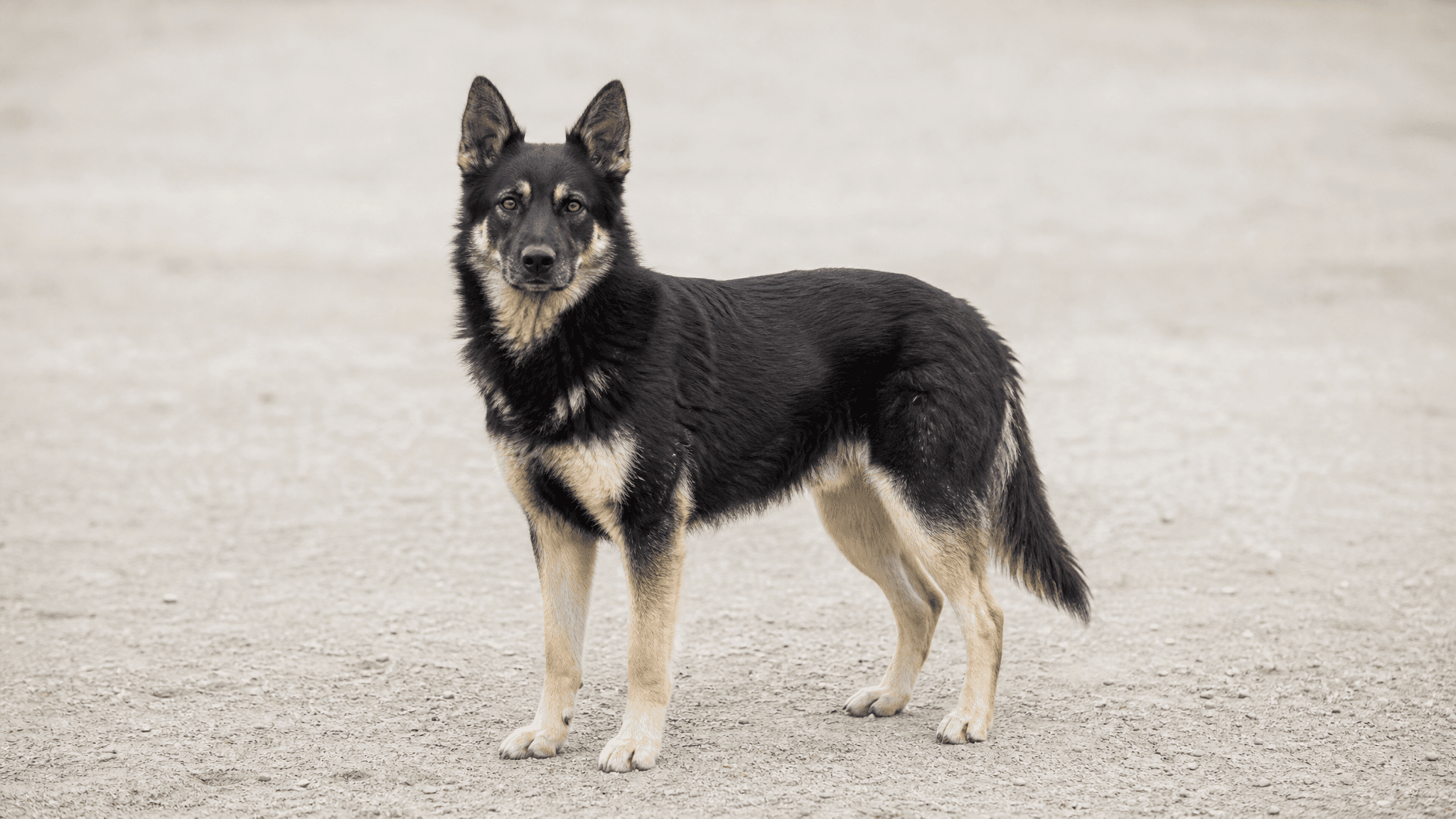
- Long, dense, straight or slightly wavy; very dense undercoat; tall, erect ears
- Common Colors
- Black and tan — the only color accepted in the standard
Temperament & Personality
The Chodský pes is a balanced, intelligent and versatile dog, with a temperament that combines the confidence of a guard dog with the gentleness of an excellent family companion. It is extremely loyal to the family, good with children and easily trainable for multiple functions — herding, guarding, search and rescue, assistance for people with disabilities. Its temperament stability is one of the breed's most appreciated characteristics.
Activity & Exercise
- Energy Level
- High
- Recommended Daily Exercise
- 60–90 minutes
- Suitable for Apartment
- Yes with exercise
Grooming & Care
- Grooming Needs
- Moderate
- Shedding
- Moderate to heavy
- Bathing Frequency
- Every 4–6 weeks
Health
- Common Health Issues
- Generally a very healthy breed
- Hip dysplasia
- Recommended Health Tests
- Preventive orthopedic evaluation
Compatibility
- With Children
- Excellent
- With Other Dogs
- Excellent
- With Cats
- Good
- For First-Time Owners
- Recommended
Is a Chodsky Pes right for you?
A Chodsky Pes may suit you if:
- You can provide at least 60 to 90 minutes of vigorous exercise and mental challenges daily.
- You enjoy engaging in activities like hiking, agility, or canine sports with a loyal partner.
- You appreciate a balanced, intelligent, and confident companion who is deeply loyal to your family.
- You are prepared to commit to consistent, positive training to harness their intelligence and versatility.
- You are willing to provide moderate grooming, including regular brushing to manage their dense coat.
- You understand and are prepared to manage their natural guarding instincts and watchful nature.
Think twice if:
- You expect a dog that will blindly obey without engaging their intelligent, independent mind.
- You frequently leave your dog alone for long periods, as they thrive on companionship and activity.
- You are unwilling to commit to their daily exercise needs or regular brushing to manage shedding.
- You do not have a secure yard or sufficient space for a medium-sized, active dog to explore safely.
- You are not prepared for the consistent guidance and firm, gentle handling an intelligent adolescent dog requires.
- You are uncomfortable with a dog that possesses a natural, confident guarding instinct.
The Chodsky Pes offers a deeply rewarding companionship for those who embrace their active, intelligent nature. While their loyalty and trainability are remarkable, they thrive best with an owner who understands their need for engagement and consistent leadership. Be prepared for a devoted family member who will challenge and enrich your life for 12 to 15 years.
Training a Chodsky Pes
Training a Chodsky Pes is a truly rewarding experience, as these intelligent and versatile dogs are eager to please their beloved families. They thrive on positive reinforcement, responding beautifully to praise, treats, and engaging play. Keep training sessions short, fun, and consistent to maintain their focus and enthusiasm. Because of their keen minds and loyalty, they learn quickly, but a lack of clear direction or inconsistent handling can lead to confusion or boredom. If training becomes repetitive or harsh, a Chodsky Pes might disengage, so always aim for a positive, cooperative partnership to unlock their full potential.
Begin with:
- Attention and response to name around distractions
- Recall on a long line
- Loose-leash walking
- Leave it and drop it
- Calm greetings without jumping
- Settling on a mat or bed
- Cooperative handling for grooming, ears, feet and teeth
- Waiting at doors and gates
Herding and guarding instincts
The Chodsky Pes has a deep-seated history as a herding and guarding dog, which means they come with natural instincts to watch over their family and territory. While this makes them wonderfully loyal, it can sometimes translate into behaviors like nipping at heels, excessive barking at perceived threats, or being overly vigilant. It's crucial to channel these instincts positively from a young age.
To manage this, focus on early and extensive socialization, exposing your Chodsky Pes to a variety of people, places, and sounds in a positive way. Teach a strong 'leave it' command for when they fixate on something, and reward calm, relaxed behavior around strangers. Consider engaging in dog sports like agility or obedience to give them a job and a constructive outlet for their intelligence and energy.
Leash pulling
With their high energy and medium size, a Chodsky Pes can become quite a strong puller on the leash if not taught proper manners early on. They have a natural desire to explore and are keen to get to their next adventure, which can make walks challenging for both of you. Consistent training is key to enjoyable strolls.
Start loose-leash walking training as soon as you bring your puppy home, using positive reinforcement to reward walking calmly by your side. Practice in quiet environments first, gradually introducing more distractions. If your dog is already a strong puller, consider using a front-clip harness or head halter for better control while you work on training. Remember, a well-exercised Chodsky Pes is more likely to walk nicely, so ensure they get their recommended 60-90 minutes of daily exercise. For more tips, check out this guide on stopping leash pulling.
Boredom and anxiety
A Chodsky Pes is an intelligent dog with high energy levels, requiring 60-90 minutes of exercise daily. If they don't receive enough physical activity or mental stimulation, they can quickly become bored, which often manifests as undesirable behaviors like excessive barking, destructive chewing, or digging. Their deep loyalty also means they can develop separation anxiety if left alone for too long without proper preparation.
To prevent boredom, incorporate varied activities into their day, such as long walks, fetch, training sessions, and puzzle toys. Consider enrolling in dog sports to engage their keen minds. For separation anxiety, gradually accustom them to being alone, starting with short periods and slowly increasing the duration. Ensure they have a comfortable, safe space, like a crate, and provide engaging toys to keep them occupied. Our Behaviour AI feature can help you understand and work through specific anxieties.
Chodsky Pes — Frequently Asked Questions
What is the Chodsky Pes?
The Chodsky Pes, also known as the Bohemian Shepherd, is a medium-sized, ancient breed originating from Czechia, specifically the Chod region of western Bohemia, with records dating back to the 13th century. Belonging to FCI Group 1 (Sheepdogs), this wonderful dog is celebrated for its balanced, intelligent, and versatile nature. They possess a unique blend of a guard dog's confidence and a family companion's gentleness, making them truly special. Their distinctive appearance includes a medium-length coat and a proud, alert expression, reflecting their rich heritage and keen senses.
What was the Chodsky Pes originally bred for?
The Chodsky Pes has a fascinating history deeply rooted in its homeland. Originally, these diligent dogs were bred for crucial roles: guarding the borders of the Kingdom of Bohemia with Germany and expertly herding flocks. Their loyalty and protective instincts made them invaluable companions to the Chod people. It's even believed by many researchers that this ancient breed might be one of the ancestors of the German Shepherd! After nearly disappearing during World War II, dedicated enthusiasts worked tirelessly to systematically rebuild the breed in the 1980s, ensuring its legacy continues today.
How much exercise does a Chodsky Pes need?
The Chodsky Pes is a lively and energetic breed, so they definitely need a good amount of exercise to stay happy and healthy! With their high energy level, we recommend at least 60 to 90 minutes of physical activity every single day. This isn't just about walks; they thrive on varied activities like brisk jogs, hiking, playing fetch, or even participating in dog sports. Mental stimulation is also key, so combining physical exercise with training sessions or puzzle toys will keep their intelligent minds engaged and prevent boredom.
Is the Chodsky Pes a good family dog?
Absolutely! The Chodsky Pes makes a truly wonderful family dog. Their temperament combines the confidence of a guard dog with the gentleness of an excellent family companion, making them incredibly loyal and protective of their loved ones. They are known to be particularly good with children, often forming strong bonds and showing remarkable patience. With proper socialization from a young age, they can also get along well with other pets. Their balanced nature and devotion to their family truly shine, making them a cherished member of any household.
Is the Chodsky Pes easy to train?
Yes, the Chodsky Pes is remarkably easy to train! They are an intelligent and versatile breed with a balanced temperament, which makes them highly receptive to learning. Their eagerness to please and quick understanding means they excel in various disciplines, from basic obedience to more advanced tasks like herding, guarding, search and rescue, and even assistance work for people with disabilities. Positive reinforcement methods work best with these sensitive and smart dogs. Early socialization and consistent training will help them grow into well-behaved and confident companions, showcasing their incredible trainability.
What health issues are common in the Chodsky Pes?
The Chodsky Pes is generally considered a very healthy and robust breed, which is wonderful news for potential owners! However, like many active, medium-sized breeds, they can occasionally be prone to hip dysplasia. Responsible breeders screen their dogs for this condition to help minimize its occurrence. Maintaining a healthy weight, providing appropriate exercise, and ensuring a balanced diet can also contribute significantly to their overall well-being. Regular veterinary check-ups are always recommended to catch any potential issues early and ensure your beloved Chodsky Pes lives a long, happy life.
What is the Chodsky Pes's coat like and how much grooming does it need?
The Chodsky Pes boasts a beautiful, medium-length double coat that provides excellent protection against various weather conditions. Their topcoat is straight and dense, while the undercoat is soft and thick. This lovely coat doesn't require excessive grooming, but regular care is definitely beneficial! Brushing them two to three times a week will help remove loose hair, prevent mats, and keep their coat looking its best. During shedding seasons, you might find yourself brushing a bit more frequently. Occasional baths, as needed, will keep them fresh and clean without stripping their natural oils.
What is the typical lifespan of a Chodsky Pes?
The Chodsky Pes is known for being a healthy and long-lived breed, bringing joy to their families for many years! You can typically expect a Chodsky Pes to live between 12 and 15 years. Of course, individual lifespans can vary based on genetics, diet, exercise, and overall healthcare. Providing them with a high-quality diet, plenty of regular exercise, routine veterinary care, and a loving home environment are all key factors in helping your wonderful companion achieve their full, happy lifespan. They truly become cherished members of the family for a good long time!
Community
Talk to real Chodsky Pes owners
This guide covers the breed on paper. In the app, the Chodsky Pes community covers it in real life: photos from other owners, questions answered by people who live with the breed, and a directory of dogs you can browse.
- Photos & pollsSee what Chodsky Pes owners are sharing today.
- Questions & answersAsk anything and hear from people who own one.
- Dog directoryBrowse Chodsky Pess from around the world.
You join automatically when you add a Chodsky Pes to your profile.