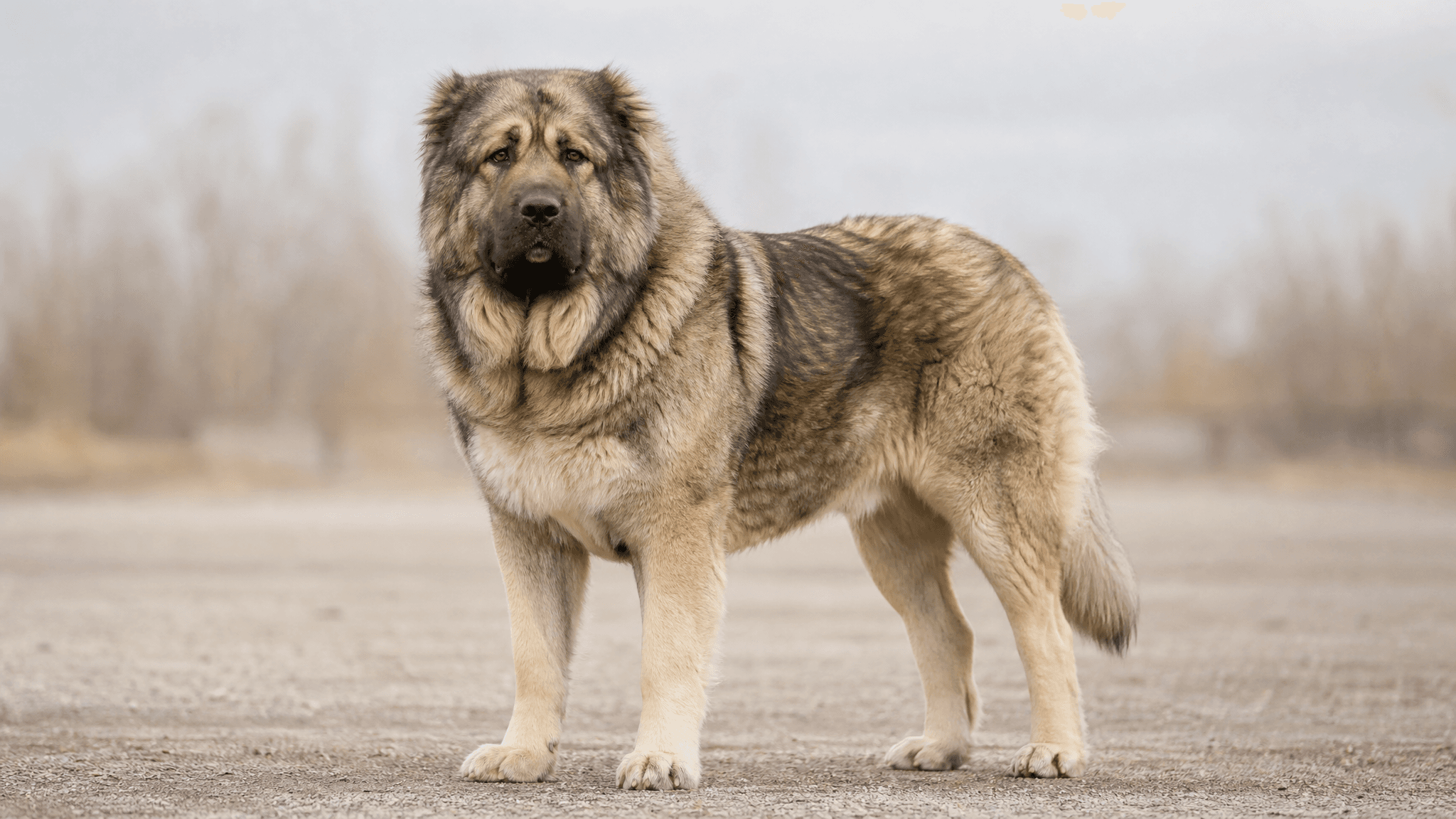
Central Asia Shepherd Dog
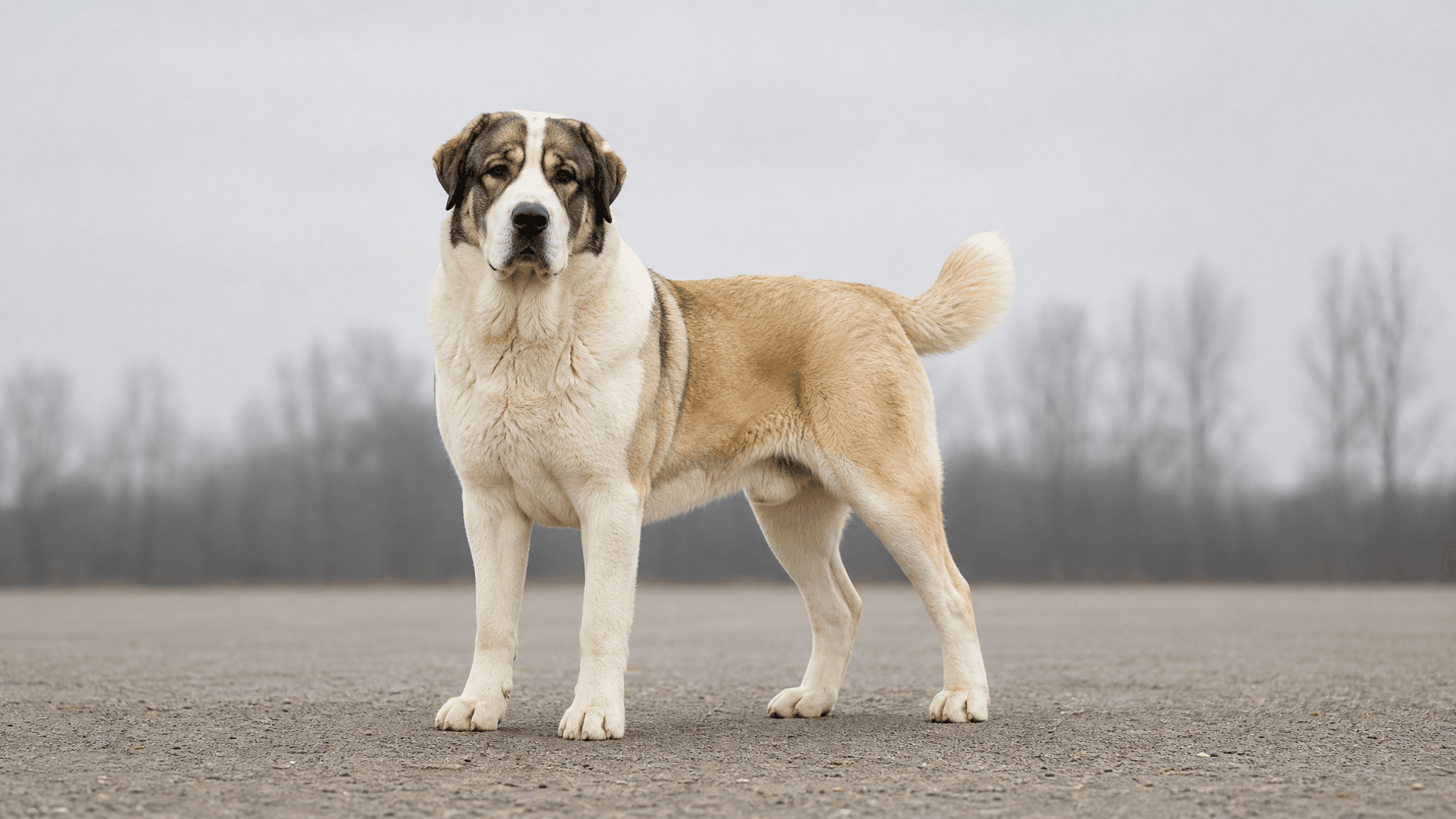
Summary
The Central Asia Shepherd Dog is one of the oldest breeds in the world, with an estimated history of over 3000 years. It is not a "bred" breed in the modern sense — it evolved naturally over millennia through natural selection in the vast steppes and mountains of Central Asia, from Turkmenistan to Afghanistan and Kazakhstan. It is an exceptional working dog, adapted to extreme weather conditions.
Physical Characteristics
- Size
- Large to giant
- Height (male)
- 65–75 cm
- Height (female)
- 60–70 cm
- Weight (male)
- 40–65 kg
- Weight (female)
- 35–55 kg
- Life Expectancy
- 10–15 years
- Coat
- Two types: short coat (1.5–3 cm) and long coat (3–8 cm); both with dense undercoat
- Common Colors
- Any color accepted — white, black, fawn, grey, brindle, bicolor
Temperament & Personality
The Central Asia Shepherd Dog has an imposing personality: calm, self-confident, independent and with a deep territorial instinct. It is not a submissive dog — it has a very strong character that respects authority but does not tolerate coercion. It is very loyal to its family but can be dangerous with strangers if not well socialized. It is brave when facing large predators.
Activity & Exercise
- Energy Level
- Moderate
- Recommended Daily Exercise
- 60–90 minutes
- Suitable for Apartment
- Not recommended
Grooming & Care
- Grooming Needs
- Moderate
- Shedding
- Heavy
- Bathing Frequency
- Every 8–12 weeks
Health
- Recommended Health Tests
- Hip radiography
Compatibility
- With Children
- Moderate
- With Other Dogs
- Can be difficult
- With Cats
- Can be difficult
- For First-Time Owners
- Not recommended
Is a Central Asia Shepherd Dog right for you?
A Central Asia Shepherd Dog may suit you if:
- You can provide 60 to 90 minutes of moderate daily exercise, like long walks or engaging outdoor activities.
- You enjoy a lifestyle that includes outdoor adventures and appreciate a dog built for rugged environments.
- You are drawn to a calm, self-confident, and independent dog with a deep, protective loyalty to its family.
- You are prepared for consistent, patient training using positive reinforcement, understanding their strong, independent character.
- You are willing to commit to moderate grooming, including regular brushing to manage their heavy shedding and dense undercoat.
- You are ready to manage a dog with a strong territorial instinct, ensuring proper socialization to safely integrate them into your life.
Think twice if:
- You expect immediate, unquestioning obedience from your dog, as this breed possesses a highly independent nature.
- You have a routine where your dog would frequently be left alone for long periods without sufficient engagement.
- You are seeking a dog guaranteed to be immediately gentle with young children or seamlessly integrate with multiple existing pets.
- You are unwilling to dedicate 60-90 minutes daily to exercise or commit to regular brushing for their heavy-shedding coat.
- You live in a small apartment or lack a securely fenced, spacious outdoor area for a large, territorial guardian breed.
- You are a first-time dog owner or prefer a dog that requires minimal physical management during its formidable adolescent phase.
Living with a Central Asia Shepherd Dog is a profound commitment to a truly ancient and independent spirit. They offer unparalleled loyalty and protection, yet their strong will and territorial instincts demand an experienced, dedicated owner who understands their unique needs. When their natural guardians' spirit is respected and guided, they become magnificent, devoted companions for 10 to 15 years.
Training a Central Asia Shepherd Dog
Training a Central Asia Shepherd Dog requires a deep understanding of their unique, self-confident nature. These intelligent giants thrive on clear, consistent leadership and positive reinforcement, responding best when they feel respected and understood, not coerced. Keep training sessions short, engaging, and fun, focusing on building a strong bond and mutual trust. Inconsistency or harsh methods will quickly lead to resistance from this strong-willed breed, as they do not tolerate coercion and possess a deep independent streak. Patience and a calm, authoritative approach are key to unlocking their potential.
Begin with:
- Attention and response to name around distractions
- Recall on a long line
- Loose-leash walking
- Leave it and drop it
- Calm greetings without jumping
- Settling on a mat or bed
- Cooperative handling for grooming, ears, feet and teeth
- Waiting at doors and gates
Territorial Instincts
Central Asia Shepherd Dogs possess a profound territorial instinct, making them naturally wary of strangers and potentially reactive towards other dogs or even cats if not properly socialized from a young age. This protective drive, while inherent, can derail training if not managed carefully. Focus on extensive, positive socialization experiences during puppyhood and beyond, exposing them to a variety of people, places, and appropriate dogs in a controlled manner.
When encountering new stimuli, teach your dog to calmly observe rather than react. Use positive reinforcement to reward calm behavior and a strong 'leave it' cue to redirect their attention. Always supervise interactions, especially with unfamiliar dogs or children, and consider using a long line in open spaces to practice recall and maintain control, preventing them from acting on their guarding impulses. Remember, they are loyal to family but can be dangerous with strangers if not well socialized.
Leash Manners for Giants
Given their large to giant size and immense strength (males up to 65 kg, females up to 55 kg), a Central Asia Shepherd Dog pulling on the leash can be a significant challenge, potentially overwhelming even a strong handler. It's crucial to begin loose-leash training early and consistently, using positive reinforcement to reward walking calmly by your side. Avoid harsh corrections or jerking the leash, as their strong character will resist coercion and can lead to a breakdown in trust.
Invest in a comfortable, well-fitting front-clip harness or head halter to give you better control without causing discomfort or pain. Practice short, frequent walks in low-distraction environments before gradually introducing more challenging settings. Remember, consistency and patience are vital for teaching your powerful companion to walk politely, ensuring enjoyable walks for both of you.
Boredom and Independence
Despite their moderate energy level, Central Asia Shepherd Dogs require 60-90 minutes of daily exercise and significant mental stimulation to prevent boredom and potential destructive behaviors. Being left alone for extended periods without sufficient physical and mental outlets can lead to them expressing their independent nature in undesirable ways, such as excessive barking, digging, or chewing. They are not recommended for apartment living, needing space to patrol and observe.
Ensure their exercise includes not just physical activity but also opportunities for mental engagement, like puzzle toys, scent work, or training games. A tired and mentally stimulated Central Asia Shepherd Dog is a happy and well-behaved one. If you must leave them, ensure they have appropriate enrichment and consider a dog walker or sitter for longer absences to prevent stress and maintain their well-being. You can also monitor for signs of stress with our Behaviour AI feature.
Central Asia Shepherd Dog — Frequently Asked Questions
What is the Sredneasiatskaya Ovtcharka (Central Asia Shepherd Dog)?
The Sredneasiatskaya Ovtcharka, or Central Asia Shepherd Dog, is a magnificent and ancient breed with an estimated history spanning over 3000 years! Originating from Russia and evolving naturally across the vast steppes and mountains of Central Asia, from Turkmenistan to Afghanistan and Kazakhstan, it's truly a product of its environment. Classified in FCI Group 2 (Mountain type), this breed is known for its large to giant size and an imposing personality that is calm, self-confident, and deeply independent. They are exceptional working dogs, perfectly adapted to extreme weather conditions, making them truly remarkable companions.
What was the Sredneasiatskaya Ovtcharka (Central Asia Shepherd Dog) originally bred for?
The Central Asia Shepherd Dog wasn't 'bred' in the modern sense; rather, it evolved naturally over millennia, shaped by natural selection in the harsh environments of Central Asia. Its original purpose, honed over 3000 years, was to be an exceptional working dog. These brave and resilient canines were primarily used for guarding livestock and property against large predators and intruders across vast territories. Their inherent courage, strong territorial instinct, and adaptability to extreme weather made them invaluable protectors for nomadic tribes, a role they performed with unwavering dedication and bravery.
How much exercise does a Sredneasiatskaya Ovtcharka (Central Asia Shepherd Dog) need?
Despite their imposing size, Central Asia Shepherd Dogs have a moderate energy level, meaning they don't require constant, high-intensity activity. However, they definitely need consistent daily exercise to stay happy and healthy! We recommend providing them with 60–90 minutes of activity each day. This can include brisk walks, supervised playtime in a securely fenced yard, or even exploring new scents on a leash. Regular exercise helps maintain their physical condition and mental well-being, preventing boredom and ensuring they remain the calm, self-confident companions you adore.
Is the Sredneasiatskaya Ovtcharka (Central Asia Shepherd Dog) a good family dog?
The Central Asia Shepherd Dog is incredibly loyal to its family, forming deep bonds with its human companions. However, due to their strong character, deep territorial instinct, and natural wariness of strangers, early and extensive socialization is absolutely crucial for them to thrive in a family setting, especially with children and other pets. They are not submissive dogs and require an owner who understands their independent nature and can provide consistent, firm, and fair guidance. With proper introduction and supervision, their protective instincts can make them devoted guardians, but their interactions with new people or animals always need careful management.
Is the Sredneasiatskaya Ovtcharka (Central Asia Shepherd Dog) easy to train?
Training a Central Asia Shepherd Dog requires patience, consistency, and a deep understanding of their unique temperament. They are intelligent dogs, but their self-confident and independent nature means they are not inherently submissive. They respect authority but do not tolerate coercion, so harsh training methods will be counterproductive. Positive reinforcement, clear communication, and consistent boundaries from an experienced owner are key. Early socialization is vital to help them navigate the world confidently. With the right approach, you can build a strong, respectful relationship and guide your Central Asia Shepherd Dog to be a well-behaved and loyal companion.
What health issues are common in the Sredneasiatskaya Ovtcharka (Central Asia Shepherd Dog)?
Thanks to their natural evolution over millennia in challenging environments, Central Asia Shepherd Dogs are generally a robust and healthy breed. Their history of natural selection has contributed to their resilience and adaptability. While no specific health issues are documented as common for the breed, like all large to giant breeds, responsible breeding practices are essential to ensure the health of future generations. Providing a high-quality diet, regular veterinary check-ups, and appropriate exercise will help your Central Asia Shepherd Dog live a long, healthy, and happy life by your side.
What is the Sredneasiatskaya Ovtcharka (Central Asia Shepherd Dog)'s coat like and how much grooming does it need?
The Central Asia Shepherd Dog boasts a dense, weather-resistant coat, perfectly adapted to withstand the extreme temperatures of its native regions. This protective double coat helps them stay warm in winter and cool in summer. While they are not excessively high-maintenance, regular grooming is important to keep their coat healthy and minimize shedding. Weekly brushing, increasing to several times a week during seasonal shedding periods, will help remove loose hair and prevent matting. This routine care will keep your magnificent companion looking their best and feeling comfortable year-round.
What is the typical lifespan of a Sredneasiatskaya Ovtcharka (Central Asia Shepherd Dog)?
The Central Asia Shepherd Dog is a robust and long-lived breed for its size! You can typically expect your beloved companion to share 10 to 15 wonderful years with you. Providing excellent care throughout their life, including a balanced diet, consistent exercise, regular veterinary check-ups, and plenty of love, will contribute significantly to their longevity and quality of life. These magnificent dogs truly become cherished family members, and with proper attention, they'll be by your side for many happy years.
Community
Talk to real Central Asia Shepherd Dog owners
This guide covers the breed on paper. In the app, the Central Asia Shepherd Dog community covers it in real life: photos from other owners, questions answered by people who live with the breed, and a directory of dogs you can browse.
- Photos & pollsSee what Central Asia Shepherd Dog owners are sharing today.
- Questions & answersAsk anything and hear from people who own one.
- Dog directoryBrowse Central Asia Shepherd Dogs from around the world.
You join automatically when you add a Central Asia Shepherd Dog to your profile.